
A cooler bag program is a different exercise from adding an insulated tote to a distributor catalog. When a brand commissions custom cooler bags from an OEM factory, it owns the specification: the insulation construction, the liner, the hardware, the branding and the acceptance criteria behind all of them. This article walks through the decisions that define a custom cooler line — insulation, leak-proof liners, zippers and hardware, branding, and the order cycle from sampling to export — so buyers can write a tech pack that a factory can quote and build against.
This is the line-owner's view. If you are a distributor selecting ready-made insulated pieces for resale, the companion article on lunch bag wholesale covers insulation materials, food-safe linings and distributor program planning from that angle. Here the starting point is your own specification, not an existing assortment.
Key takeaways
- Specify foam type (or a performance requirement), thickness, insert vs built-in, and target thermal performance — not just “insulated.”
- Leak performance starts at the seam: sewn liners suit moisture-resistant builds; heat-welded or RF-welded seams are how leak-tight builds are made.
- Zipper type, slider grade and hardware material belong in the tech pack and on the golden sample.
- Ink adhesion on coated shells is the classic branding failure — test it on the actual fabric, not on paper proofs.
- Catalog baseline is MOQ 500 pcs and 30–35 days after sample approval, but cooler-specific numbers must be confirmed against your spec.
Insulation: what to specify, not just what to ask for
Cooler bags insulate with closed-cell foam, typically laminated between an outer shell fabric and an inner lining. Closed-cell foam traps gas in sealed cells, which limits convection and slows heat transfer; it also resists water absorption, which matters for liners that will hold ice. In general engineering terms, thicker foam holds temperature longer but adds bulk, weight and cost. A flat-packed promotional cooler and a structured outdoor cooler sit at opposite ends of that trade-off, and the right point on it depends on your channel — which is exactly why it belongs in your specification rather than in a verbal brief.
On the tech pack, state four things: the foam type or the performance requirement in its place, the target thickness, whether the insulation is a removable insert or built into the panels, and the thermal performance you intend to verify at sampling and again on production samples. Buyers also specify whether the panels need to hold shape when empty (structured builds) or fold flat (packable builds), because that choice affects foam selection, seam design and packing volume.
Outer fabric is the other half of the thermal decision. Coated polyester and nylon dominate the category for weight and cost; heavier canvas and RPET change the feel and the brand story. Our comparison of outer fabric choices for bag programs covers how these behave in production and what each implies for cost and finishing.
Leak-proof liners and seam construction
The liner is where cooler bags fail first, and seam construction is the reason. A sewn liner has needle holes through the fabric along every seam; whether it is leak-tight depends on the lining coating and stitching density, and it is rarely rated for loose ice and meltwater. Heat-welded or radio-frequency welded seams fuse the liner material instead of piercing it, which is how fully leak-proof builds are achieved. Between the two sit designs with welded tub liners inside a sewn shell, which isolate moisture from the outer panels.
Specify, per model: the liner material, the target leak rating (moisture-resistant versus holds ice and meltwater), the seam method, and the drainage or closure features if any. Food-contact compliance is a property of the specific lining material; buyers typically specify a food-grade liner and request the corresponding material documentation, which should be confirmed with the factory for the exact material used rather than assumed for a category. Any claim of leak performance should be tied to a test method agreed at sampling — it is not something either side should assert without one.
For a sense of how welded construction behaves in finished goods, the Roll-Top Waterproof Backpack 30L in our backpack line uses welded seams for wet-weather use; it is a different product category, but it shows the construction difference is visible and checkable on a sample. Our piece on specifying sleeve materials and bulk OEM terms also covers how construction details travel from tech pack to production control in bag programs generally.
Zippers, pulls and hardware grade
Zipper choice is a leak decision as much as a usability one. Standard coil zippers are smooth, cheap and sewn into conventional seams; they suit moisture-resistant designs but are a leak path on ice-rated ones. Water-resistant zippers use coated tapes and tighter coil geometry to reduce ingress, at a cost premium and a slightly stiffer pull. Hardware follows the same logic: buckles, D-rings and pullers in matching plastic grade or metal change both durability and perceived quality. Buyers on premium outdoor lines typically specify branded or heavier-gauge hardware; promotional lines optimize the other direction.
Put zipper type, slider grade, puller style and hardware material in the tech pack, and check all of them on the golden sample. Handle and zipper function checks are built into finished-product inspection for trolley products in our factory, and the same inspection discipline is applied to bag programs before packing — but the criteria come from your spec, so write them down.
Branding methods and what to confirm at sampling
Cooler bags are most often printed on coated fabrics, which constrains decoration choices. Screen printing is the workhorse for logos on coated shells; heat transfer handles multi-color artwork and gradients; woven labels, rubber and embroidered patches suit structured outdoor models. Each method has different setup cost, per-unit cost and behavior on coated versus woven surfaces — our article on printing methods for custom bags details those trade-offs.
Ink adhesion on coated and welded surfaces is the classic cooler-bag branding risk, so confirm it on production-material samples rather than on paper proofs: request a rub and flex test on the actual shell fabric at sampling, and agree the acceptance standard before mass production. Patch attachment method (stitched versus welded-on) is a second item worth pinning down, since it interacts with seam construction near the liner.
MOQ, sampling and the order cycle
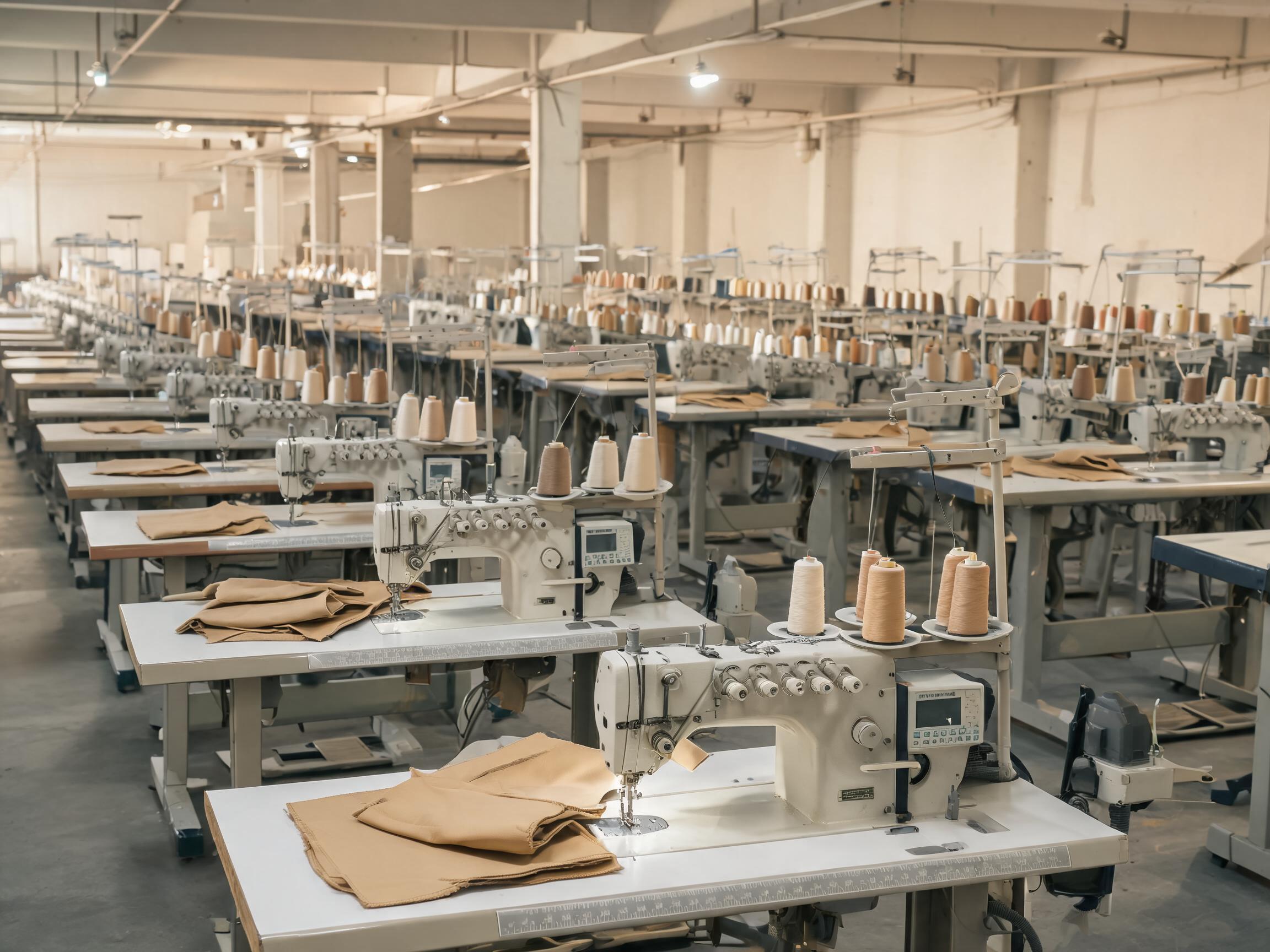
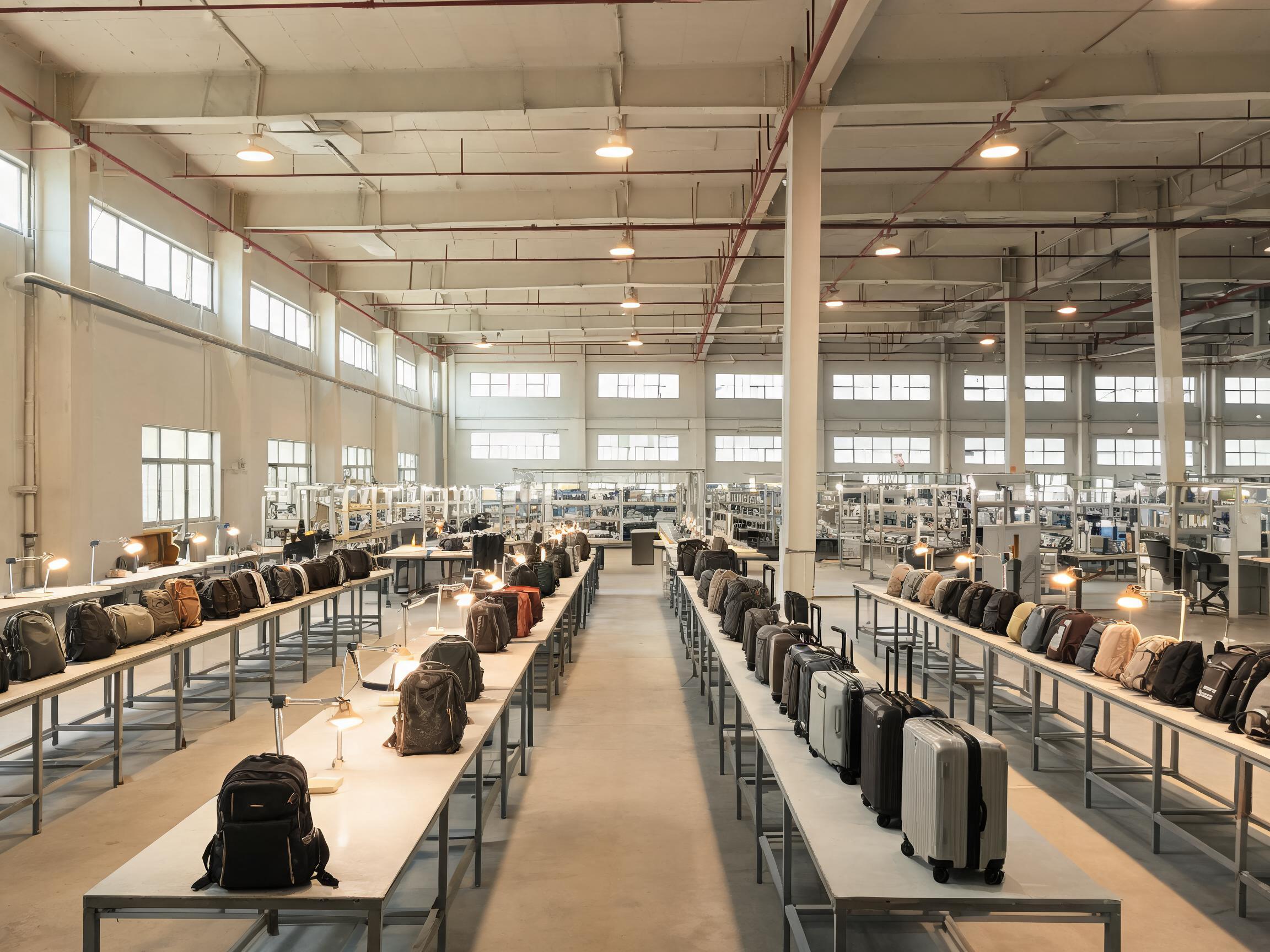
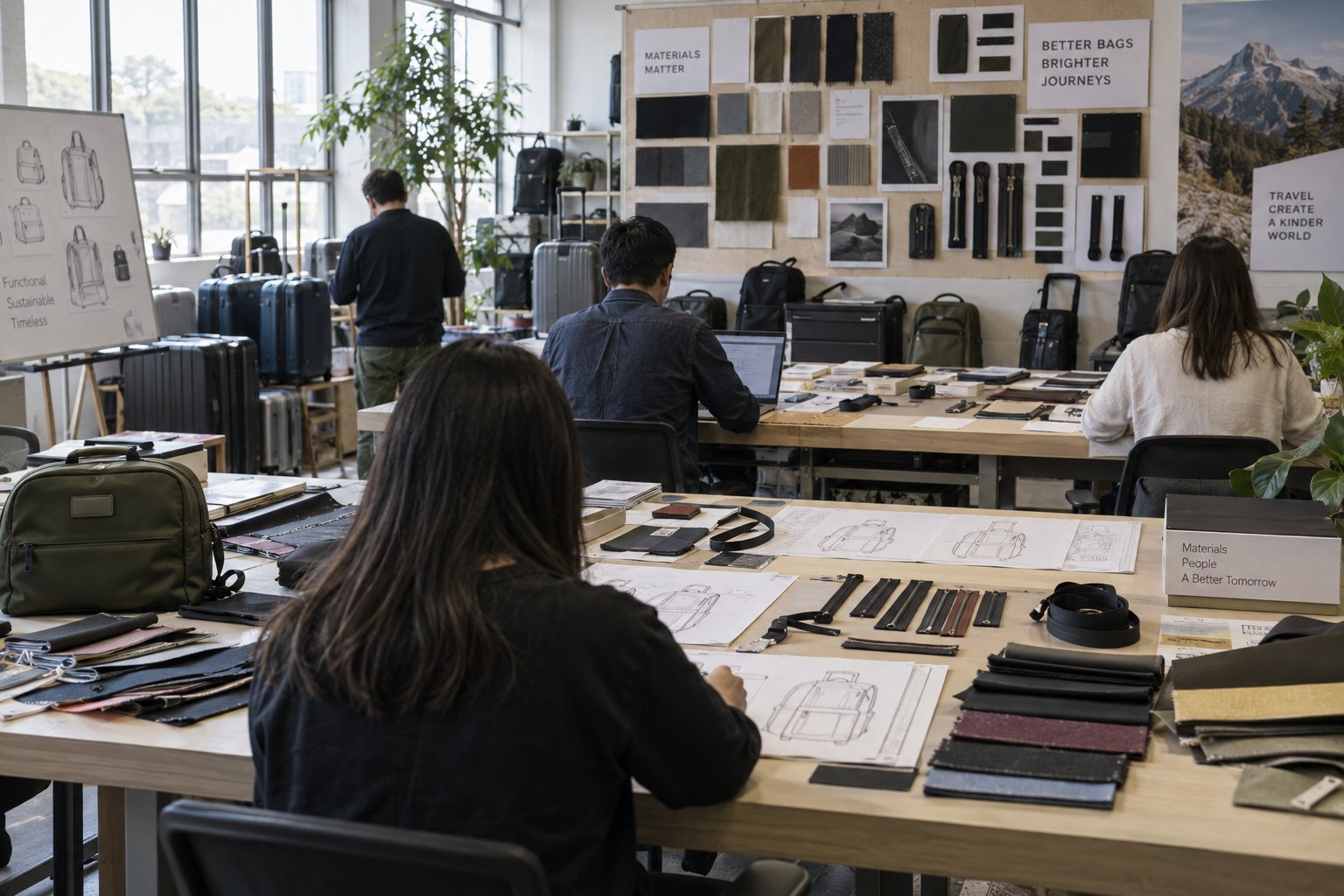
A custom cooler line follows the standard OEM order cycle: design handover, sampling, sample approval, mass production, quality inspection and export. Wellmax is an OEM/ODM luggage and bag manufacturer in Quanzhou, Fujian, founded in 2013, with around 320 employees in a 12,000 m² facility where cutting, sewing, assembly and inspection sit under one roof, and monthly output of about 150,000 pieces across all categories exported to buyers in more than 40 countries. The in-house design studio develops styles, selects materials and prepares samples for OEM/ODM programs, which is where cooler development would run.
As a reference point, bag-category products on our catalog are typically listed at MOQ 500 pcs with 30–35 day lead time after sample approval. These are per-product listed values, not a cooler-specific guarantee: MOQ and lead time for a custom cooler program depend on the specification — welded liners, insulation thickness, branding method and hardware choices all move both numbers — and must be confirmed with the factory against your tech pack.
Matching the line to the channel
Channel fit should shape the spec before sampling, not after. Outdoor retail buyers weight insulation performance, hardware grade and construction honesty; beverage brands often need modest insulation with strong branding surface and carton-friendly packing; grocery and pharmacy promotions prioritize unit cost, packability and fast repeat cycles. Writing the channel requirement into the brief lets the factory propose the right construction tier instead of defaulting to the middle.
Summary
A custom cooler bag line stands on four specifications — insulation build, liner and seam construction, hardware grade, and branding method — plus a factory cycle that runs from design handover through sampling, mass production, inspection and export. Cite the catalog baseline of MOQ 500 pcs and 30–35 days as a starting point, confirm the cooler-specific numbers against your spec, and settle leak and adhesion acceptance criteria on real samples before production begins.