China Tote Bag Customization: Printing Methods and Their Impact on Unit Cost and Lead Time
When buyers search for "China tote bag" sourcing support, the real question is usually not whether a factory can print a logo, but which decoration method fits the budget, the deadline, and the brand standard. Silkscreen, heat transfer, and embroidery each push cost and lead time in a different direction. This guide compares the three from a B2B sourcing perspective and suggests a decision order you can apply before requesting quotes.
- Silkscreen is generally the lowest-cost route for bold, single-color or few-color logos on large runs.
- Heat transfer handles multi-color and photographic artwork but adds tooling and a separate heat-press step.
- Embroidery reads as premium, needs no print setup, and suits canvas and structured totes.
- Every method's true cost and lead time depends on color count, logo size, placement, and order volume.
- The material decides what is feasible: canvas takes printing well, PU leather suits detailing and embroidery.
Why the Decoration Method Drives the Whole Sourcing Plan
If you are a corporate gift buyer, retail buyer, or brand owner ordering custom totes from China, decoration is not a finishing detail added at the end. It determines whether your unit cost hits the gift-budget line, whether your delivery date survives the holiday window, and whether the logo looks consistent across the whole order.
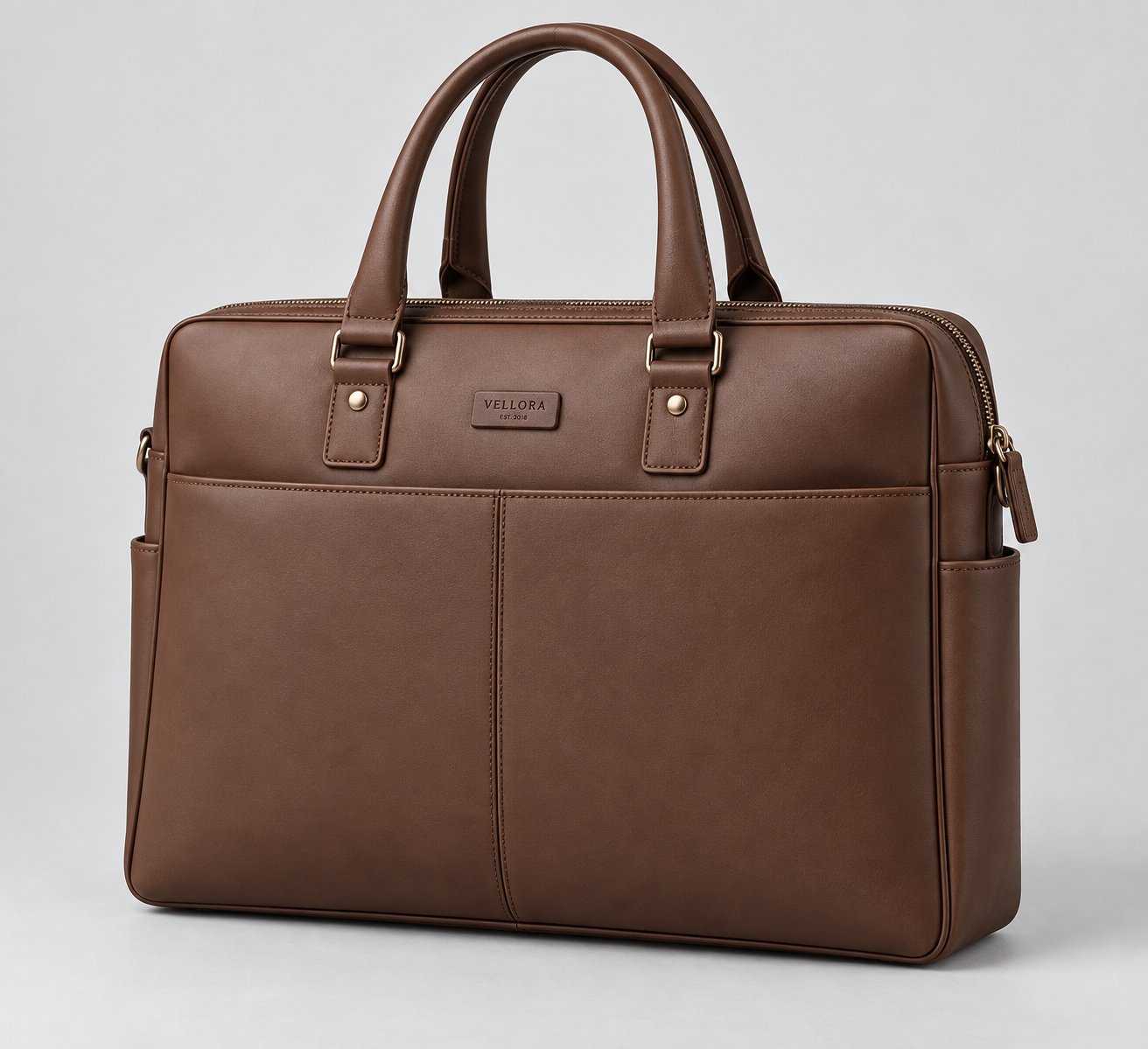
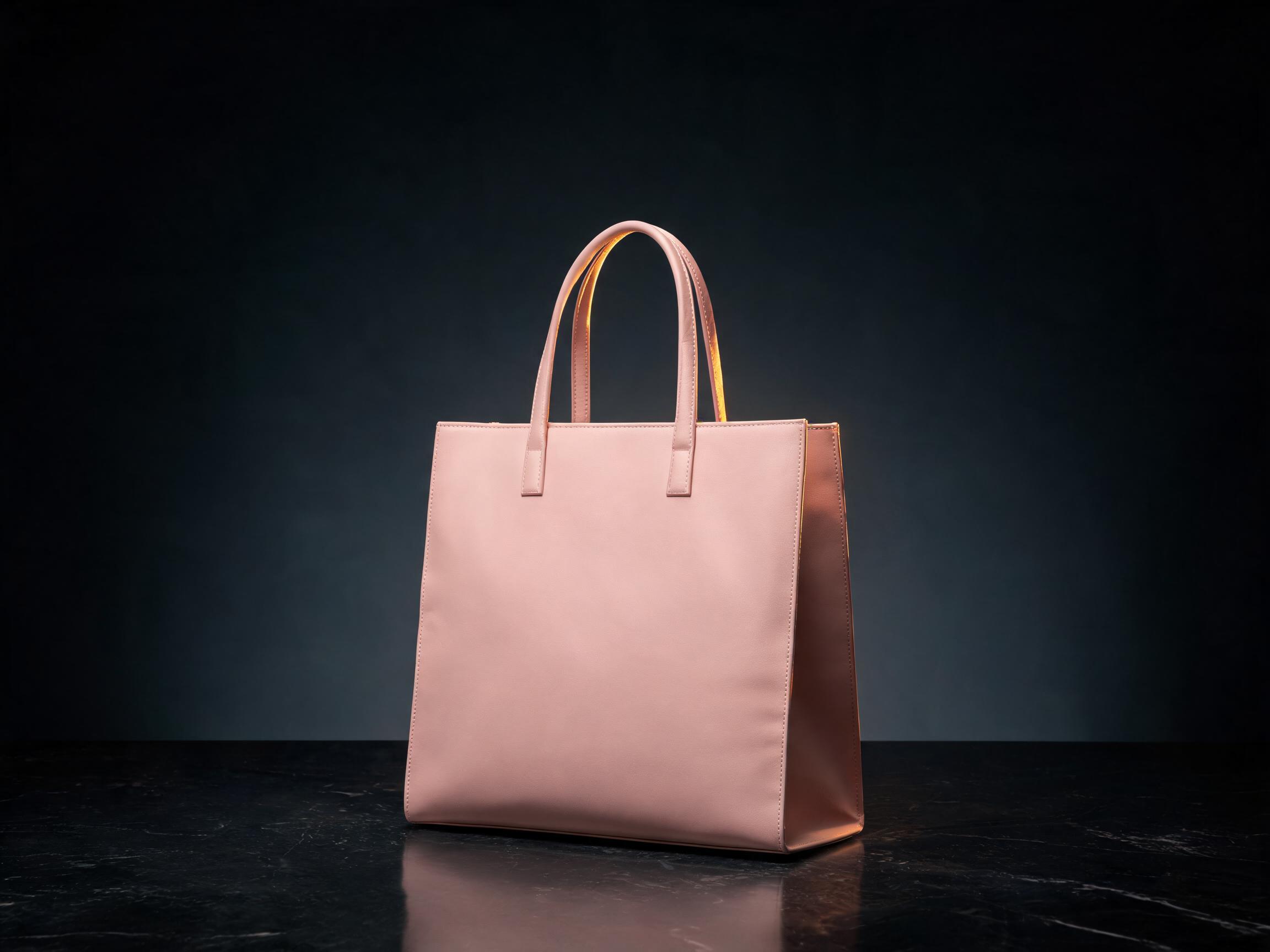
Material and decoration are linked. Canvas tote bags take screen printing, embossed leather patches, woven labels, and branded packaging well. PU leather totes, such as a PU leather tote handbag or a laptop tote briefcase, tend to suit embroidery, embossed patches, or heat transfer rather than large-area screen printing. Nylon bags support woven labels, rubber patches, and screen printing. Before comparing methods, check what your chosen bag body can physically accept.
Silkscreen Printing
Silkscreen pushes ink through a mesh screen onto the bag surface. It is the workhorse method for promotional and retail totes with simple, high-contrast logos.
Cost drivers
- Number of colors. Each color normally needs its own screen, so the per-color setup and the number of passes both climb with color count.
- Logo size and coverage. Larger coverage uses more ink and slower passes.
- Order volume. Setup cost is fixed, so the per-unit burden falls as quantity rises.
Lead-time impact
Once screens are ready, silkscreen prints quickly. Lead time is usually dominated by screen preparation and the pre-production proof. The more colors, the more screens to prepare and approve.
Branding quality
Excellent for solid, flat colors and bold shapes. Fine detail, gradients, and photographic images are not its strength.
Heat Transfer Printing
Heat transfer prints artwork onto a carrier film, then applies it to the bag under heat and pressure. It is the choice for multi-color, detailed, or photo-like logos.
Cost drivers
- Artwork complexity. More colors and finer detail raise film and transfer cost.
- Transfer size. A large chest or full-front transfer uses more film and press time.
- Order volume. Tooling and film preparation are typically one-time, so higher volume spreads them.
Lead-time impact
There is a separate heat-press step after the bag is sewn, plus transfer production. For multi-color artwork, the approval loop (digital proof, then a physical pre-production sample) is usually longer than for a simple silkscreen run.
Branding quality
Capable of gradients, photographs, and fine fonts, which makes it popular for brand campaigns. Durability under washing and abrasion depends on the transfer type and the fabric, so confirm the application conditions with the factory.
Embroidery
Embroidery stitches thread directly into the bag, skipping print setup entirely. It is common on canvas and structured totes, and on PU leather items where a stitched logo reads as premium.
Cost drivers
- Stitch count. More stitches mean more machine time per piece, so a dense logo costs more than a simple one.
- Thread colors. Each additional color needs its own thread setup and machine stop.
- Logo size and placement. A large logo on a curved surface is harder to frame and slower to run.
Lead-time impact
No screens or film are needed, which removes one approval step. But embroidery is sewing time, so on large orders it can become a bottleneck if machines are shared with other production. Confirm capacity before committing to a deadline.
Branding quality
Premium and tactile. Best for text, simple icons, and classic monograms. Avoid fine photographic detail.
Comparison at a Glance
| Method | Best for | Cost drivers | Lead-time pattern | Branding quality |
|---|---|---|---|---|
| Silkscreen | Bold, flat, few-color logos | Color count, coverage, volume | Screen prep dominates; fast after approval | Strong for solid colors |
| Heat transfer | Multi-color, detailed, photo-like art | Artwork complexity, transfer size, volume | Film prep plus heat-press step | High detail, full color |
| Embroidery | Text, icons, monograms, premium feel | Stitch count, thread colors, size/placement | No setup, but sewing time adds up | Premium, tactile |
A Decision Framework for Buyers
- Start with the brand goal. A giveaway tote for a trade show usually points to silkscreen. A retail tote meant to carry the brand premium points to embroidery or heat transfer.
- Check material compatibility. Canvas takes printing well. PU leather bags suit embroidery or heat transfer. Confirm what your chosen body supports before locking the artwork.
- Match the method to your quantity. High-volume, simple logos keep silkscreen economical. Lower-volume, detailed logos make heat transfer or embroidery worth the unit premium.
- Budget the lead time, not just the unit cost. Add the approval and sample steps into your timeline. For PU leather totes, typical production lead time runs 30 to 35 days after approval, and decoration adds its own prep and press or stitch time on top.
- Request a decorated sample. Cost and lead time are estimates until the factory has your artwork, placement guide, and quantity. A decorated pre-production sample is the reliable way to lock both.
What to Confirm With a China Tote Bag Factory
Before you compare offers, send the factory the same brief so quotes are comparable:
- Fabric and bag body (canvas, PU leather, or nylon) and the reference product code.
- Artwork file, exact logo size, color count, and placement.
- Order quantity and any size runs within it.
- Target ship date, including your in-country delivery window.
- Any packaging or labeling requirement.
Typical MOQs to keep in mind: 500 for a PU leather tote handbag and an everyday tote handbag, and 300 for a laptop tote briefcase. Confirm the exact figure against your decoration method, since some methods have their own minimums.
Ask for a quote structured as bag cost plus decoration cost, and confirm the specific setup, screen, film, or stitch requirements for your artwork with the factory rather than assuming them.
Frequently Asked Questions
Which method is cheapest for a large run?
For a simple, few-color logo on a high-volume order, silkscreen usually carries the lowest per-unit cost because setup is spread across many pieces. Confirm with the factory using your artwork and quantity.
Can you print on PU leather totes?
Silkscreen is generally less suited to PU leather surfaces than to canvas. For PU leather business totes and handbags, embroidery or heat transfer tends to perform better. Ask the factory to advise on your specific body.
Does embroidery really extend lead time?
Embroidery removes screen or film setup, but stitch time becomes the constraint. On large orders, ask for the factory's embroidery capacity alongside their quoted lead time.
What causes the biggest cost difference between quotes?
Usually three things: color count, logo size, and order volume. Ask each supplier to break the price into bag cost and decoration cost, then compare the two parts separately.
Next Step
If you are comparing tote bag customization options from China, send your artwork, bag reference, logo size, order quantity, and target date together. That single brief is enough to get a comparable quote across silkscreen, heat transfer, and embroidery, and to build a realistic cost-and-time plan for your program.
Ready to price your custom tote program?
View PU leather tote handbag specifications