Before you shortlist any fabric bag manufacturer, the material decision usually comes first: nylon, polyester, canvas or RPET. Each family shifts the cost, durability profile and brand story of your program, and the same silhouette can vary meaningfully in unit cost depending on which shell you choose. This comparison walks through how each fabric behaves, which program types it suits, and what to put in your RFQ so quotes are actually comparable.
Start From the Program, Not the Fabric
The right material depends on what the bag has to survive and what it has to communicate:
- Daily-carry retail bags — abrasion resistance, shape retention and a premium hand-feel matter more than unit cost.
- Commuter and outdoor packs — tear strength, water resistance and reinforced stress points drive the spec.
- Corporate gifts — perceived value and print quality usually outweigh extreme durability.
- Promo giveaways — cost per unit and color/print behavior dominate the decision.
Rank your priorities among abrasion and tear resistance, cost per unit, sustainability narrative, and look-and-feel. Which fabric family serves you best depends on which of these four factors your program weights most, so the trade-off you accept becomes the core of your spec.
Nylon: Abrasion Resistance and Denier Logic
Nylon is the default choice when durability leads the requirement list. Its strength-to-weight ratio makes it suitable for bags that get thrown into car boots, dragged across airport floors or loaded daily. For a fabric bag manufacturer, nylon spec sheets revolve around denier — the fiber thickness. Higher denier generally means a heavier, tougher shell; lower denier keeps the bag light and packable. Coatings and linings sit on top of that base and affect water behavior and interior finish.
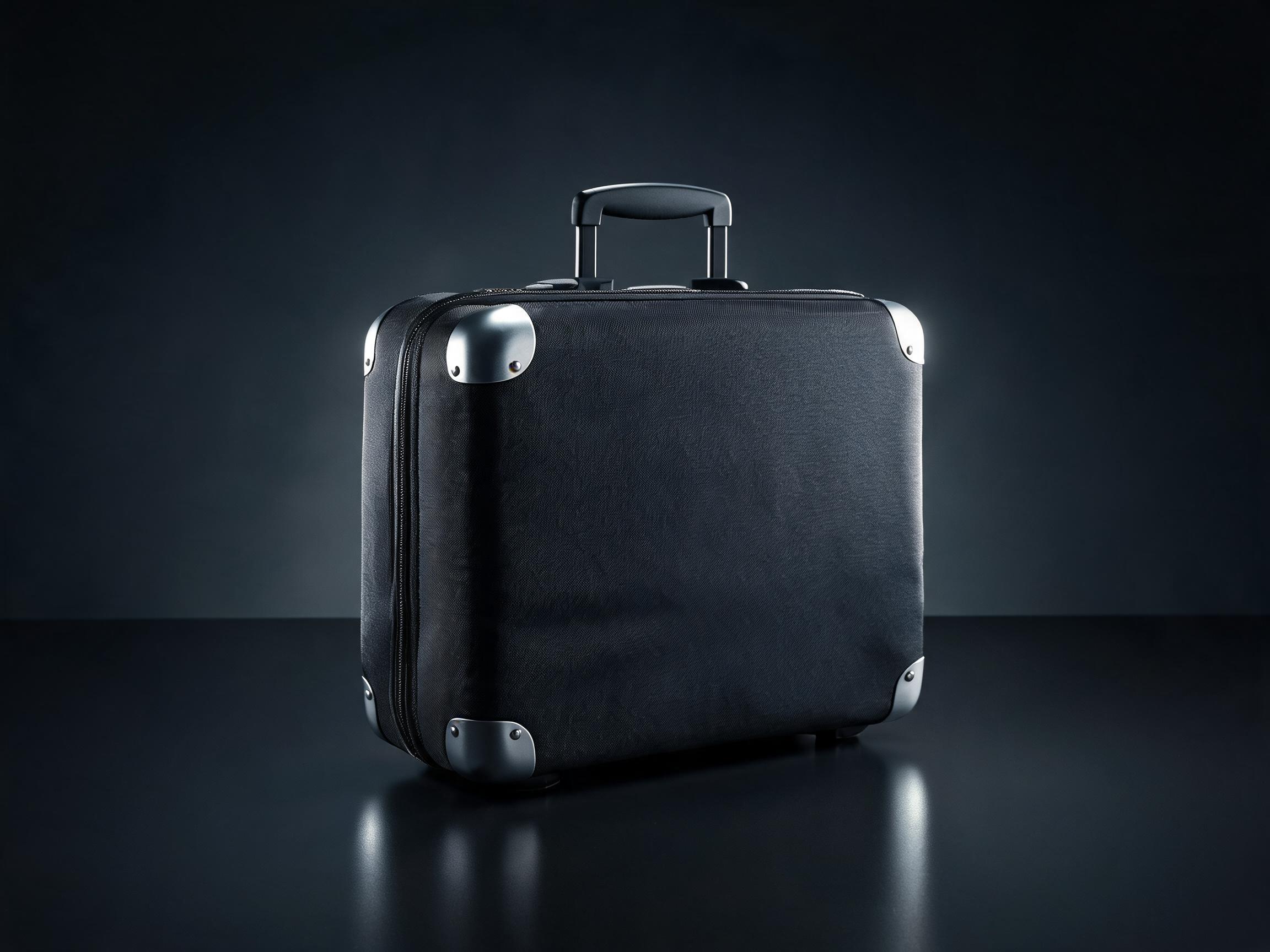
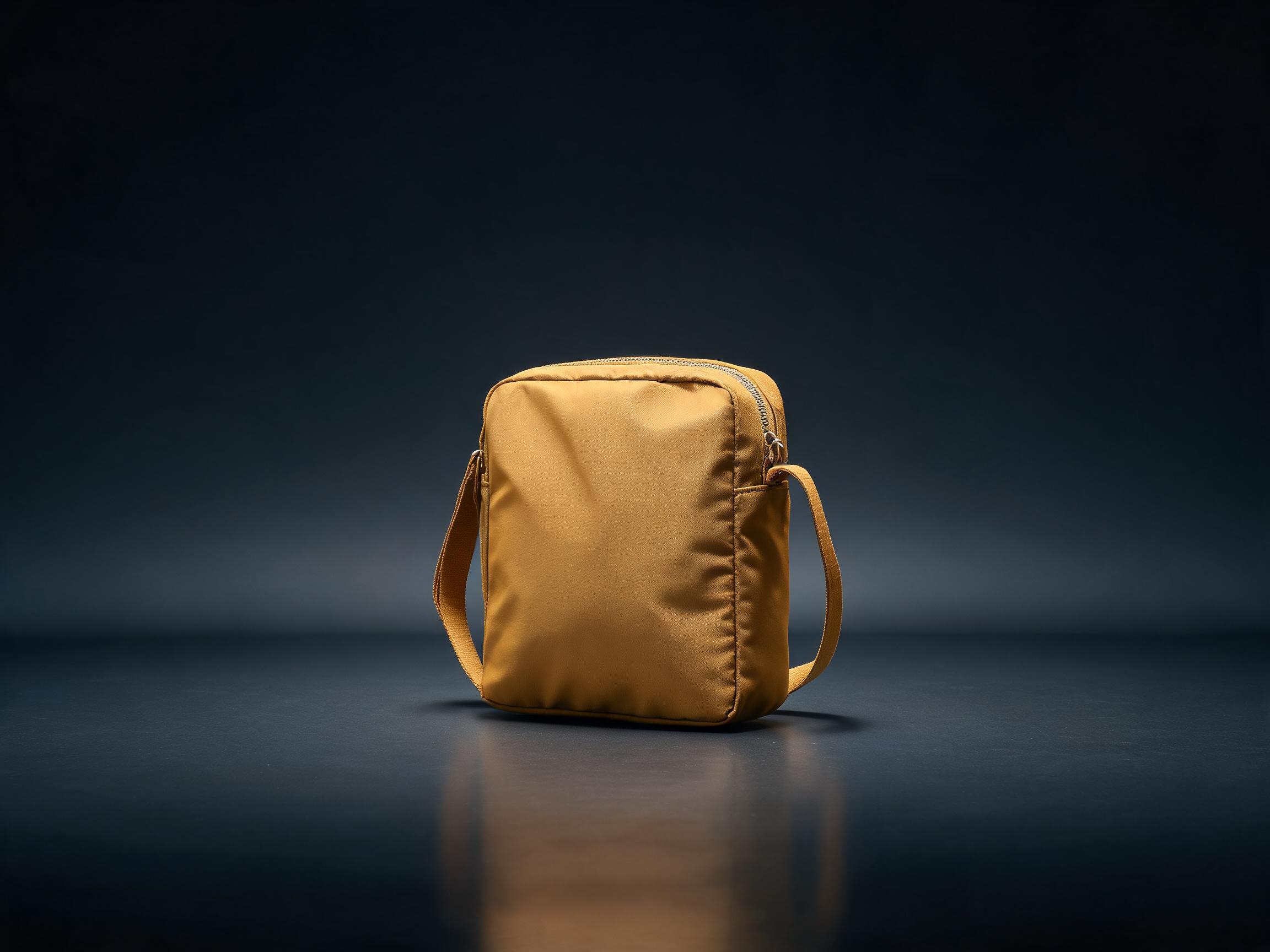
Ballistic nylon sits at the heavy end of this logic. Our Ballistic Nylon Pilot Case pairs an abrasion-resistant ballistic nylon shell with reinforced metal corners for exactly the rough-handling scenario its name implies — denier and shell color are specifiable, with an MOQ of 300 pcs. At the other end, the Nylon Shoulder Crossbody Bag shows the lightweight side: nylon type, denier and color are all specifiable at an MOQ of 500 pcs. For commute and travel packs, the Technical Daypack 25L uses water-resistant fabric where the base fabric, denier and coating can be adjusted to your price point.
The trade-off: nylon typically carries a higher material cost than polyester in the same construction, so it earns its place when the durability claim is part of your product story.
Polyester: Cost and Print Behavior
Polyester is the workhorse for cost-driven programs. It holds color well, prints cleanly, and generally comes in below nylon at equivalent construction — which is why it dominates promotional giveaways and entry-price retail lines. For buyers managing a per-unit budget across large quantities, that difference compounds quickly.
Where polyester earns scrutiny is abrasion and tear performance at low constructions. If your bag will see heavy daily use, either move up the denier range or shift to nylon and absorb the cost difference. If the program is a seasonal campaign or an event giveaway, polyester usually delivers everything the use case demands. Ask prospective suppliers how the fabric behaves with your specific print method — screen print, heat transfer and woven labels each interact differently with the surface — and request a printed sample, not just a fabric swatch.
Canvas: Structure and Surface Character
Canvas offers something the synthetics do not: visual and tactile character. The heavier hand, matte surface and natural look suit lifestyle retail, weekend bags and programs where the fabric itself is part of the brand aesthetic. Our Canvas Weekend Shoulder Bag — natural canvas with leather trim, top zipper closure, in natural beige, black and tan — is a good reference for how canvas programs typically come together at an MOQ of 500 pcs.
Canvas also takes dye and print differently from coated synthetics, which can be an advantage for earthy or vintage-oriented colorways. The trade-offs are weight (canvas programs are heavier per bag than nylon equivalents) and how the surface accepts fine-detail printing. Keep the conversation at material level in early quoting — construction details deserve their own specification round.
RPET: Recycled Content and the Sustainability Story
RPET is recycled polyester, typically produced from post-consumer bottles, and it lets a program carry a recycled-content narrative while behaving much like conventional polyester in production. For brands with sustainability commitments, that story can justify the usual modest premium over virgin polyester.
One caution for buyers: recycled-content claims are only as strong as the documentation behind them. Certification types and documentation — such as which recycled-content standard applies and what chain-of-custody paperwork the supplier can provide — should be confirmed directly with the factory before you make any on-pack or marketing claims. Treat the sustainability story as a documentation exercise, not just a fabric choice.
Quick Comparison
| Fabric | Strengths | Watch-outs | Typical fit |
|---|---|---|---|
| Nylon | Abrasion and tear resistance, strength-to-weight | Higher material cost | Retail daily-carry, commuter, travel |
| Polyester | Cost per unit, color and print behavior | Durability at low constructions | Promo giveaways, entry retail |
| Canvas | Look, hand-feel, dye and print character | Weight, fine-detail printing | Lifestyle retail, weekend bags |
| RPET | Recycled-content story, polyester-like production | Certification documentation must be confirmed | Brand programs with sustainability goals |
What to Specify in Your RFQ
Whatever family you choose, vague fabric descriptions produce non-comparable quotes. Specify:
- Denier for nylon and polyester programs (or equivalent weight spec for canvas), so durability expectations are priced in.
- Coating — water-resistant finishes, PU coatings or none — since this changes both cost and performance.
- Lining material and color, which affects perceived quality more than buyers expect.
- Hardware — zippers, buckles, feet, corner reinforcements — with brand or finish requirements stated.
- Print and branding method, so sampling reflects the real decoration process.
Expect cost to move across fabric families for the same silhouette: a crossbody body in lightweight nylon, canvas and RPET will not quote the same once denier, coating, lining and hardware are matched to each material's requirements. That is not supplier padding — it is the spec doing its job.
Working With a Fabric Bag Manufacturer
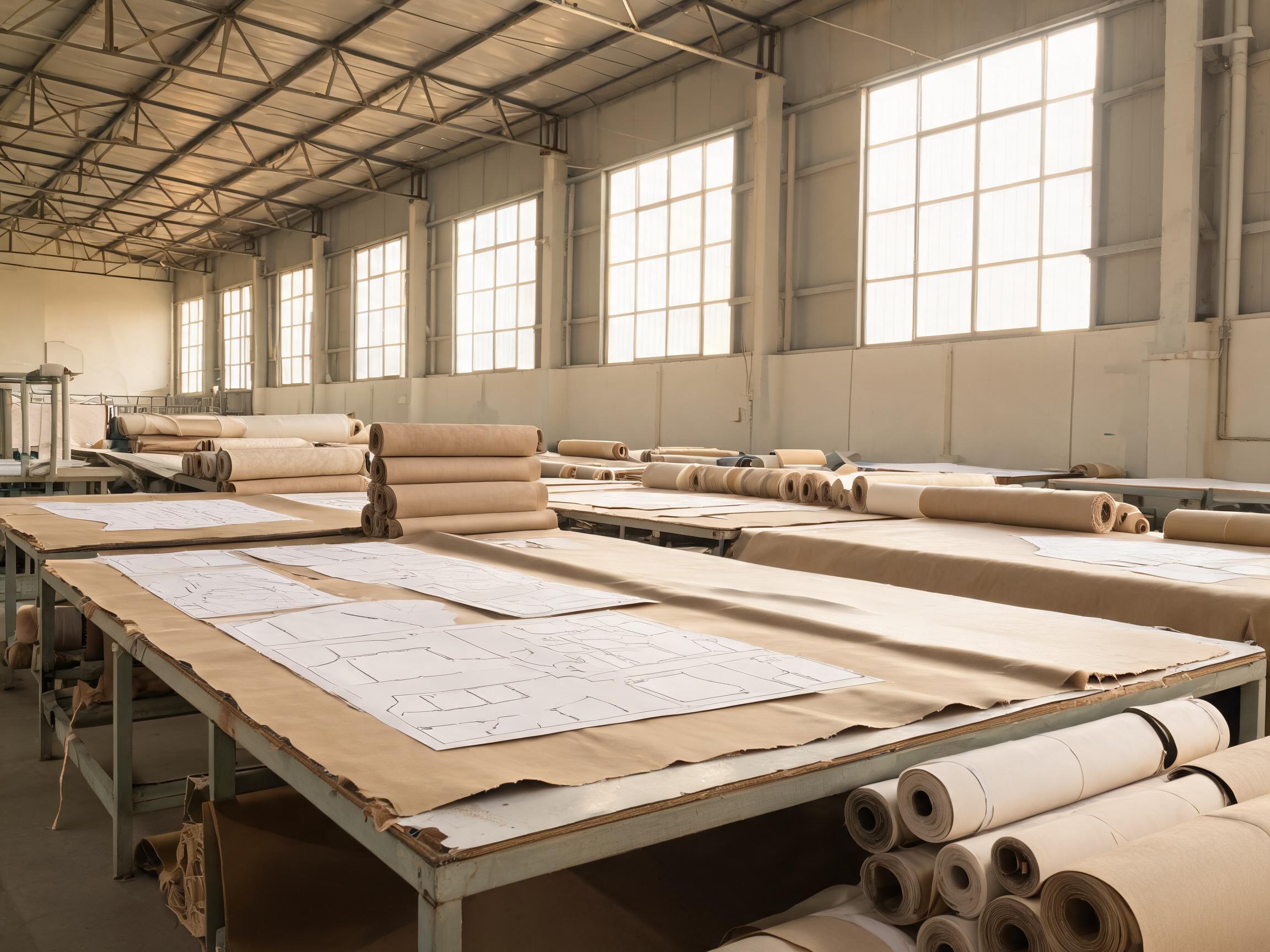
When you evaluate a fabric bag manufacturer, ask how they handle the transition from fabric selection to production: sampling timelines, stress-point reinforcement, zipper function checks and finished-product inspection before packing. Wellmax, an OEM/ODM luggage and bag manufacturer founded in 2013 in Quanzhou, Fujian, runs cutting, sewing, assembly and inspection under one roof in a 12,000 m² facility with around 320 staff and buyers in more than 40 countries. The company is certified to ISO 9001:2015 for its quality management processes and its facility is audited under the BSCI framework — both company- and factory-level credentials, not material certifications. Product pages list standard lead times of 30–35 days after sample approval and order confirmation; confirm timing per program, since volume and schedule affect it. Published MOQs on current products range from 300 to 500 pieces depending on style.
A balanced next step: shortlist two or three material candidates against your priority ranking, request a sample in each, and compare cost, durability and brand story side by side. The fabric you settle on should come from your program's requirements — not from a generic ranking.