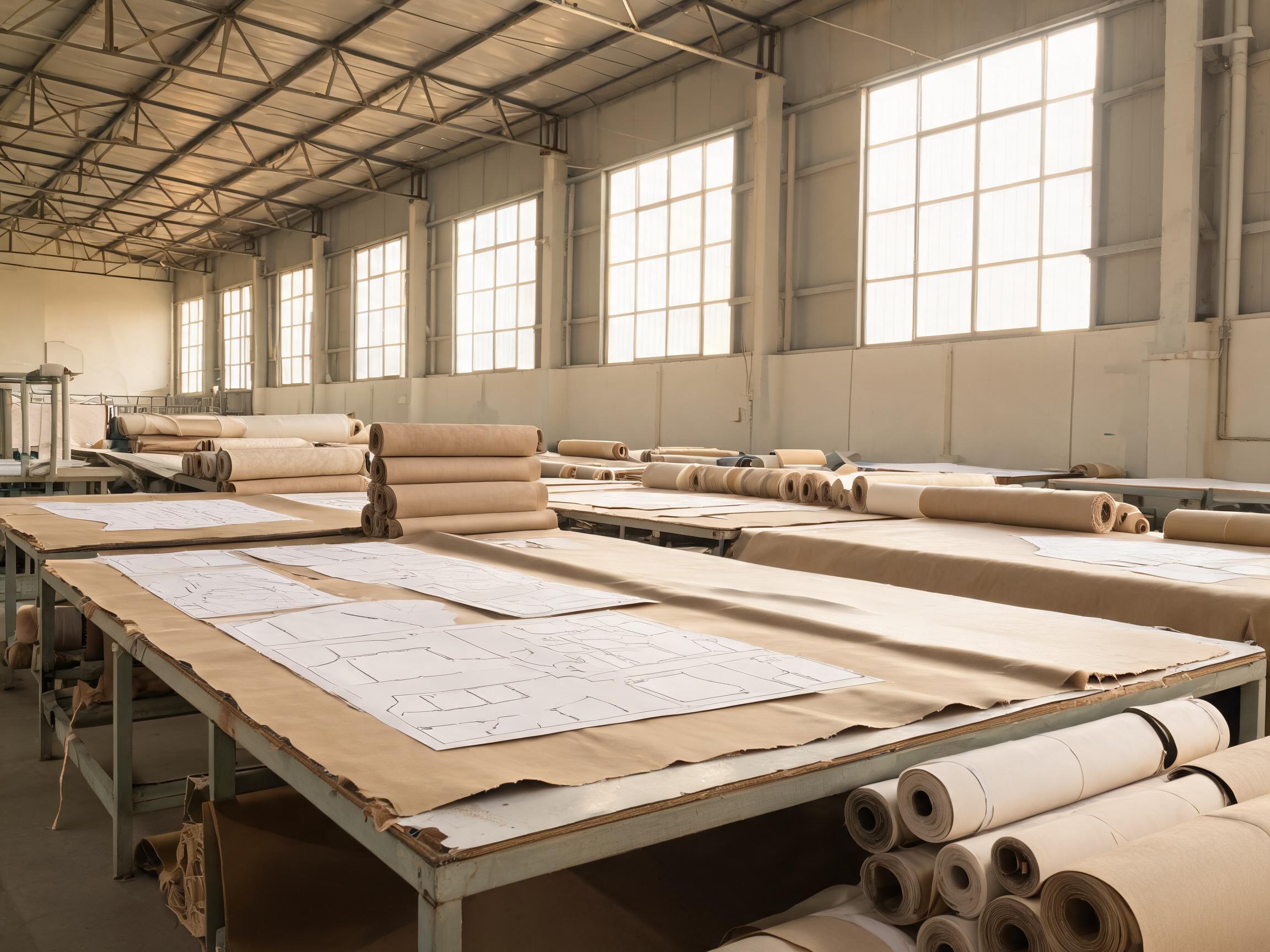
Bulk insulated lunch bags occupy a narrow but steady niche in B2B sourcing: volumes are smaller than a retail trolley case program, branding requirements are heavier than a plain utility order, and end users judge the bag daily on zippers, seams and how well it wipes clean. Buyers who specify those three areas clearly at the quotation stage get faster sampling and fewer surprises at production. This guide walks through what a bulk custom insulated lunch bag program needs to specify, how the branding workflow runs from artwork to approved sample, and where corporate gift orders differ from retail assortment orders.
What a bulk program actually specifies
A lunch bag looks simple and is not. Four elements carry most of the functional decisions, and each should appear in the specification you send to a manufacturer.
Outer fabric. The shell takes the abrasion, the stains and the daily commute. Common choices include woven polyester in different weights, coated oxford weaves and, less commonly, canvas-style constructions for premium gift programs. The decision is which fabric fits the price point and the branding method: some decoration methods bond differently to coated surfaces, and a coated shell changes hand-feel in ways a photograph will not show. Confirm the hand-feel and the coating on a physical sample before locking the material.
Insulation layer. The middle layer is where lunch bags differ most from ordinary totes. Foam thickness, foil films and lining materials all interact with the bag's structure and cost. The dedicated topic on insulation materials and food-safe linings covers these choices in depth; what matters for the order is that the insulation build is written into the specification so quotation and sample reference the same construction.
Lining and seams. The lining is the surface end users touch and clean, so seam construction matters as much as material choice. Interior seams that are left raw collect crumbs and moisture; bound, piped or stitched-over seams clean differently and cost differently. Treat leak resistance and food safety as properties to verify on a sample against your own requirements, not to assume from a catalog line. Write down the seam treatment you expect, request it in the pre-production sample, and inspect that sample the way end users would use the bag.
Zippers and hardware. A lunch bag gets opened and closed daily, often with one hand and often while full. Zipper size, slider type and pull design are small line items with outsized effect on perceived quality. The same applies to handles: a padded webbing handle and a plain strap differ modestly at the quotation but feel like different products in hand.
Selecting for daily use and cleaning cycles
Corporate and promotional lunch bags are judged on repeated handling. Three selection criteria deserve attention.
First, zipper durability. Specify a zipper weight appropriate to the opening size and the daily cycle count, and test the slider action on the sample with the bag loaded; a bag that strains to close around a full container will be the first users abandon.
Second, cleanability. Wipeable linings, coated shells and seam treatments that leave no fabric ledges all serve the cleaning cycle. Ask the manufacturer to show, on the sample, how the corners and the base panel are finished — the base is where spills pool and where cheap construction shows first.
Third, structure. An insulated bag with no reinforcement sags when loaded, and sagging stresses the zipper tape and the handle stitching over time. Base inserts, gusset shaping and handle attachment points are engineering decisions the factory's sample room can propose; give them the loaded weight you expect the bag to carry and let the sample demonstrate the solution.
The branding workflow: artwork to approved sample
Logo decoration is usually the step that sets both the unit cost and the schedule for a bulk custom lunch bag order, so it deserves a defined sequence rather than an email exchange of PNG files.
Step 1 — Artwork in vector format. Supply the logo as vector artwork with the colors defined in Pantone references. Screen printing, heat transfer, embroidery and woven labels each reproduce color and fine detail differently, and a supplier can only quote accurately when the artwork matches one of those methods.
Step 2 — Method selection at quotation. Large single-color logos on a flat panel suit screen printing; multi-color gradients and photographic elements suit heat transfer; small premium programs often carry embroidery or a woven label on the front pocket. Setup cost, per-unit cost and lead-time effects differ by method; the article on tote bag customization methods and their effect on unit cost and lead time compares them, and the same trade-offs apply to lunch bag panels.
Step 3 — Decoration sample before production sample. Ask for the logo to be applied to the actual chosen fabric first. Ink behavior on a coated shell differs from an uncoated weave, and embroidery distortions show up only on the real material.
Step 4 — Approved pre-production sample. The approved sample becomes the reference for mass production and for any third-party inspection you arrange. Requested third-party inspection and buyer-specified Incoterms can be arranged on request; confirm both when the order is placed so the inspection standard references the approved sample, not a verbal description.
Corporate gift orders versus retail assortment orders
The two program types buy the same category but structure orders differently; mixing the two logics is a common source of friction.
Quantity structure. A corporate gift order is usually one style, one or two colorways and a single logo, in a quantity driven by headcount rather than by a shelf plan. A retail assortment order spreads volume across several styles, sizes and colorways to fill a shelf plan. For the gift buyer, this simplifies sampling and favors decoration methods whose setup costs amortize over a single run. For the retail buyer, the priority is a style range that shares fabrics and hardware across SKUs, which reduces material minimums and keeps mixed-style production on one calendar.
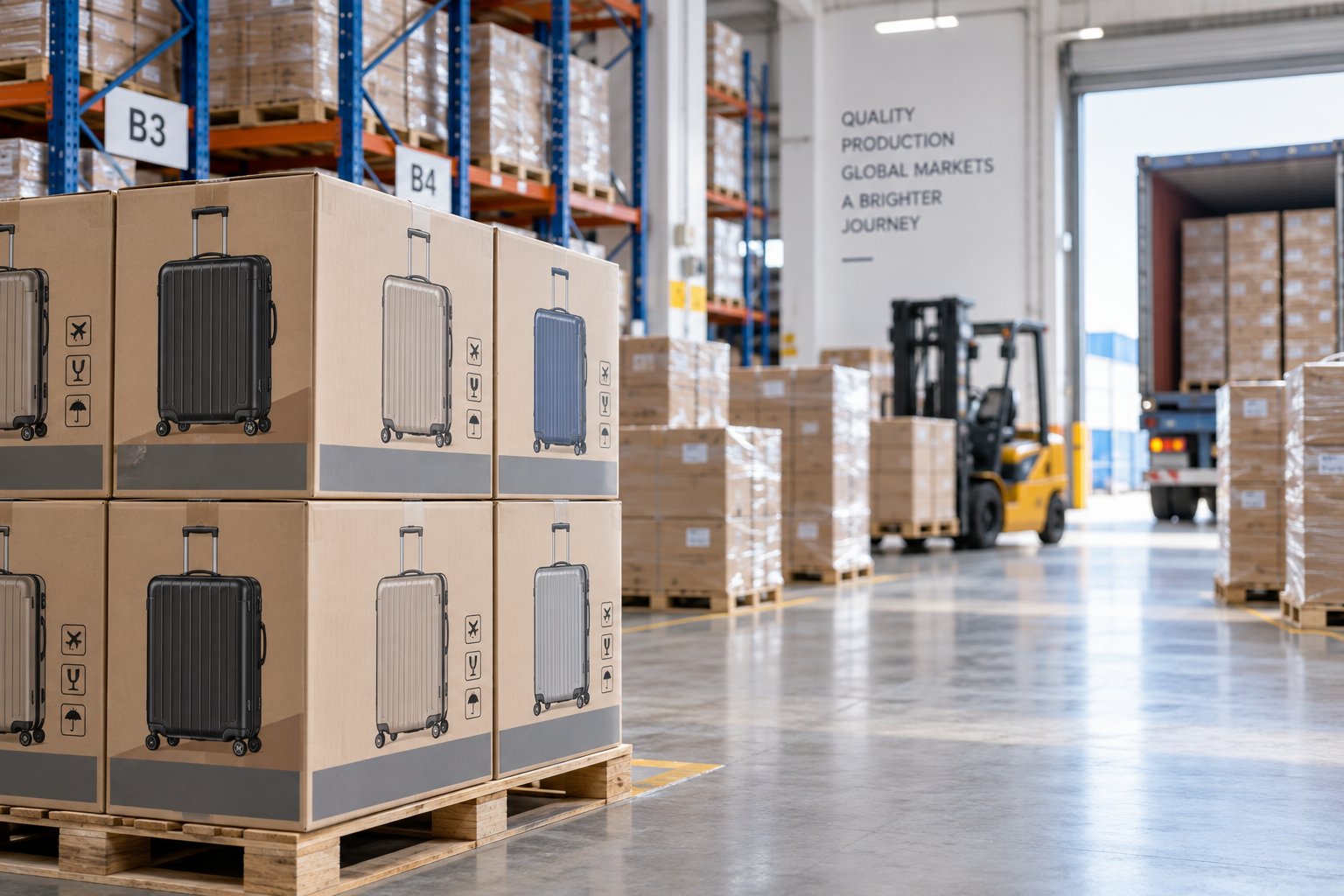
Packaging. Gift orders often need individual retail-ready presentation: a printed sleeve, a gift box or a branded hangtag, because the bag itself is the gift. Retail assortment orders usually ship in bulk poly bags plus export cartons, with the retail packaging handled by the brand or added as a separate specification. Wellmax's catalog baseline for bags is individual poly bag or dust bag plus export carton, and any gift packaging beyond that should be specified and quoted per program.
Reorder planning. Corporate gift programs tend to be event-driven — annual kickoffs, onboarding cycles, conference seasons — so the reorder pattern is predictable against a 30-35 day lead time after sample approval, the catalog baseline for bag categories. Retail programs reorder against sell-through, so the buyer needs a replenishment plan that accounts for the same lead time plus freight and inventory cover. Either way, the MOQ baseline of 500 pieces per style shapes the plan: below that threshold, a custom program may need to consolidate styles or adjust specification to fit the economics.
| Dimension | Corporate gift order | Retail assortment order |
|---|---|---|
| Style count | One style, limited colorways | Multiple styles and sizes |
| Branding | Single logo, one decoration run | Brand graphics across SKUs |
| Packaging | Often retail-ready or gift packaging | Poly bag plus export carton baseline |
| Reorder driver | Events, onboarding, seasons | Sell-through and inventory cover |
What a manufacturer needs to quote your program
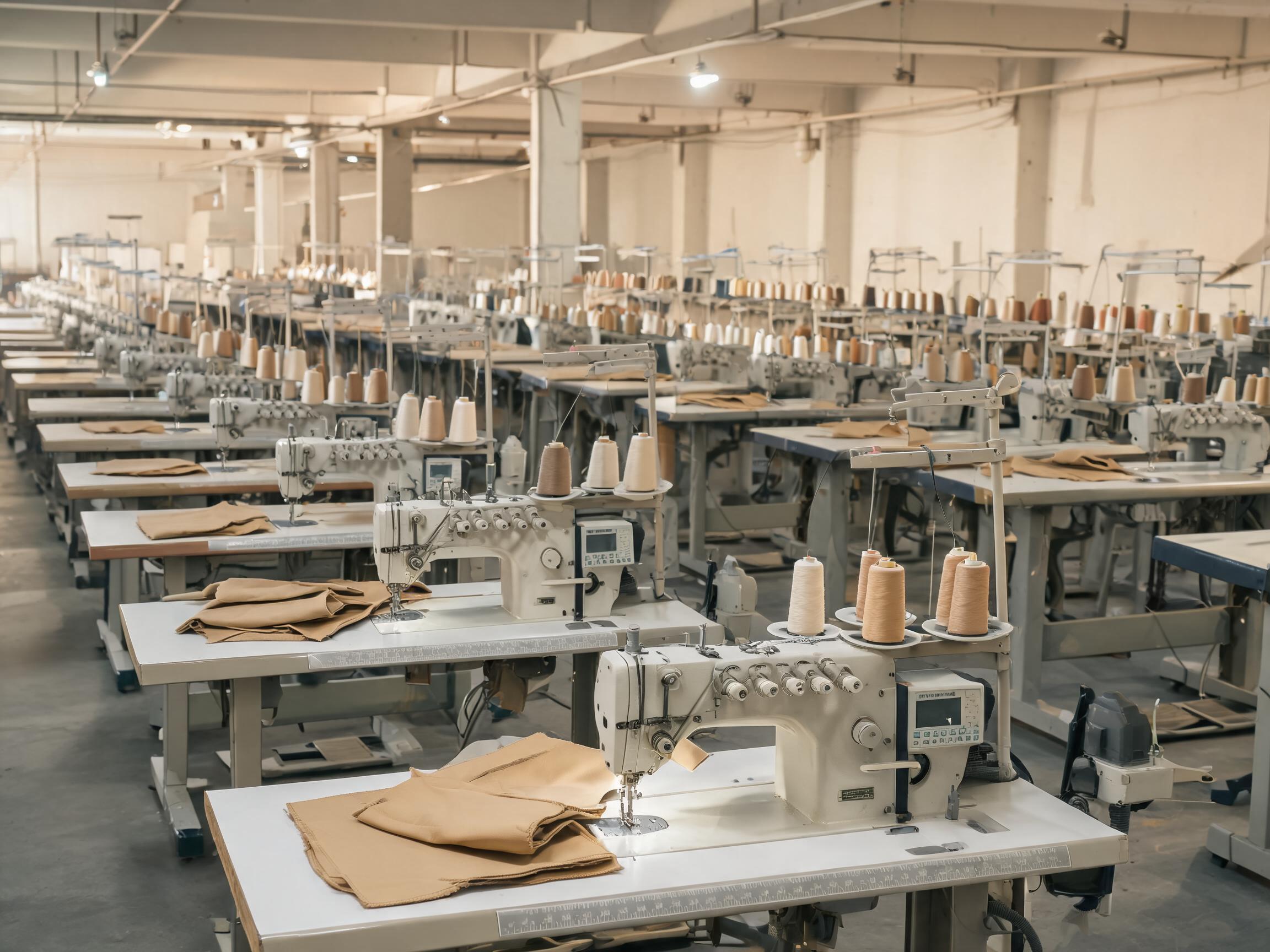
A quotation for bulk insulated lunch bags moves quickly when the inquiry contains: target quantity per style and colorway; the outer fabric family and approximate weight; the insulation and lining construction as you understand it; the branding method and vector artwork; packaging requirements beyond the poly bag baseline; and the destination port or Incoterm you expect. Sampling, tooling where a new pattern is needed, mass production, inspection and export run in-house at Wellmax's Quanzhou facility, so changes to these inputs can be evaluated against one production calendar.
One caveat worth stating plainly: Wellmax's published catalog covers trolley cases, backpacks, business and laptop bags and handbags, and does not list dedicated lunch bag SKUs. Insulated lunch bag programs are therefore quoted and developed at program level, drawing on the same cutting, sewing, assembly and inspection resources that run the bag categories. Buyers evaluating the fit for their program should confirm construction details and requirements through sampling — the pre-production sample, not the quotation document, is the real record of what the factory will deliver. If your program extends beyond lunch bags into cooler products for outdoor or beverage lines, the related reading on building an OEM cooler line for outdoor and beverage brands covers that adjacent category.
If you are planning a corporate gift run or a retail assortment of insulated lunch bags, send the specification points above with your quantity target — a sampling plan and quotation can be built from that single document.