Duffle bags sell into sports retail, travel accessory programs, promotional-product distribution, gyms and corporate gifting — channels that already buy luggage and bags wholesale. For a buyer assembling a program rather than a one-off order, the work splits into five connected decisions: which style families and capacities to carry, which fabric and hardware specifications to fix at quotation stage, how to run logo sampling, how to structure MOQ across a mixed order, and which commercial terms to confirm before production. This guide works through those decisions in order, at program level.
Start with the style families, not the SKU list
A duffle program is more manageable when built from a small number of families rather than many one-off designs. The common splits are gym and sports duffles sized roughly 30-45 liters, travel duffles in the 60-90 liter range, foldable packable duffles that retail as accessories, and wheeled duffels for buyers who need a rolling option. A retail-facing program can open with two or three capacities per family; a promotional or corporate program can start with a single mid-size model in two or three colorways.
The capacity mix matters more than the count of styles. If a retailer stocks one 40-liter gym duffle and one 70-liter travel duffle, the two sizes share most trims and hardware if the specification is written that way, which simplifies tooling and reorders. Distributors planning seasonal refreshes can apply the same family logic to price tiers, as covered in more detail in our guide to travel bag wholesale programs.
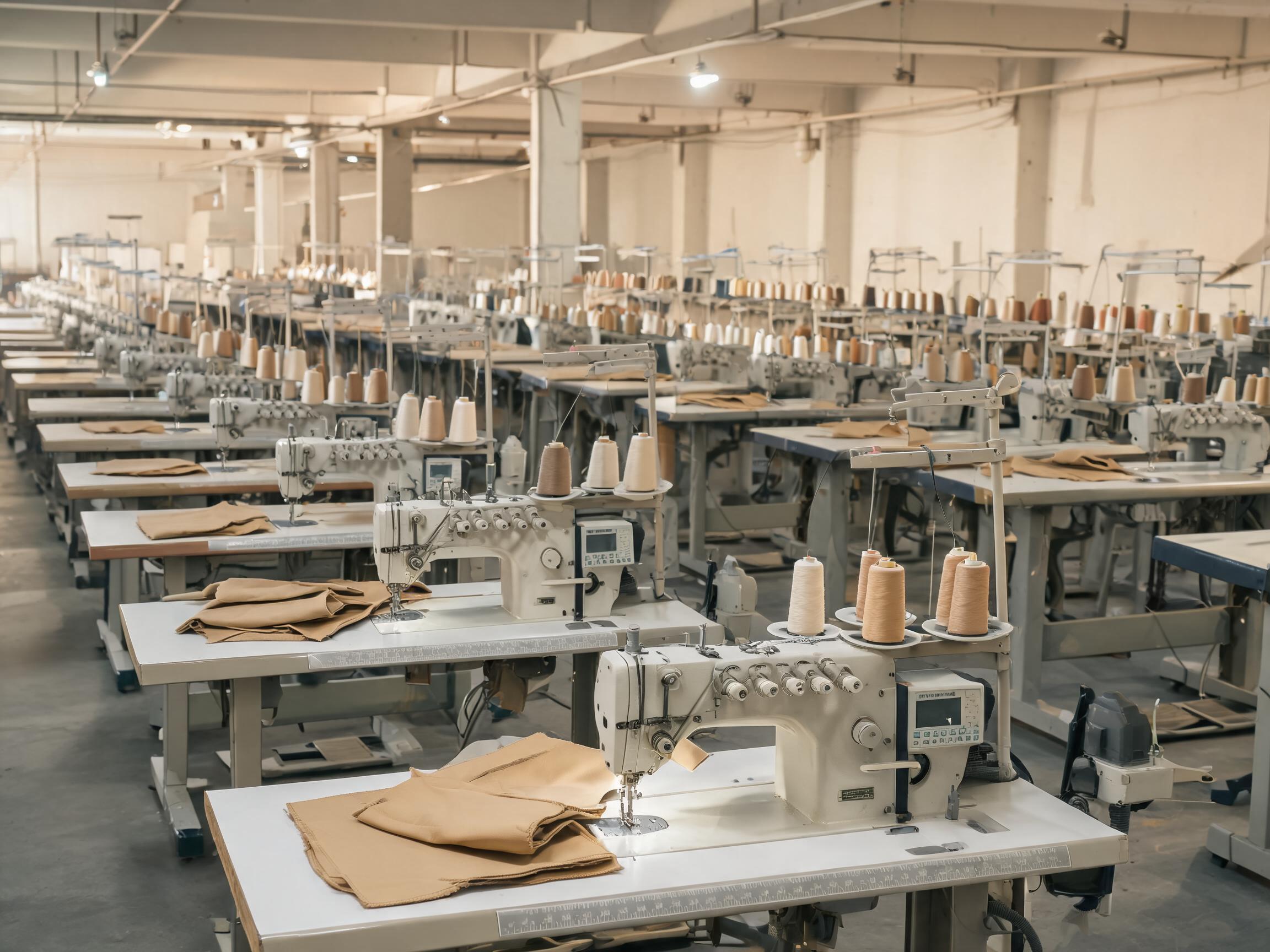
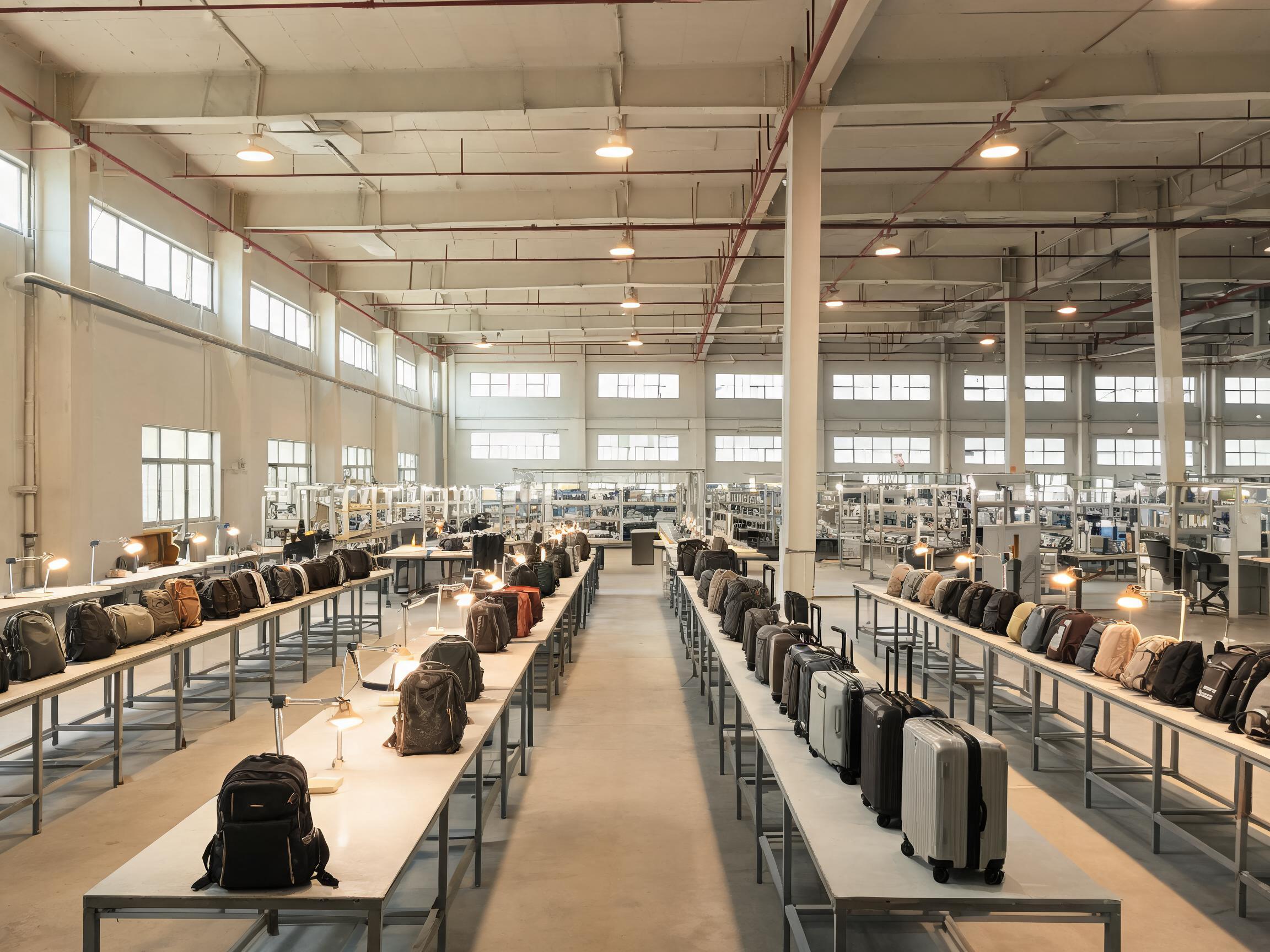
One condition should be stated plainly: Wellmax's current catalog lists trolley cases, backpacks, business and laptop bags, and handbags, and does not include dedicated duffle SKUs. Duffle production is therefore handled as an OEM or ODM program built to your specification, using the same cutting, sewing, assembly and inspection lines that run the soft-goods categories in-house at the Quanzhou facility. For buyers who want a rolling hybrid, our separate article on wheeled duffel bags covers wheel systems and fabric choices in depth.
Fabric and hardware: where durability and unit cost are decided
On a duffle, four specification lines drive most of the unit cost and most of the durability conversation. The first is body fabric. Polyester in the 600D to 1200D range is a common starting specification for gym and promotional duffles, with coatings (PU or PVC) selected for water resistance and stiffness. The second is the base panel: many programs upgrade only the bottom to a heavier denier or a coated variant, which concentrates cost where abrasion happens.
Third is the zipper. Coil zippers are the usual choice for the main opening; the size (for example #8 versus #10) and whether the puller is custom-branded are cost and branding decisions to make at quotation, not after. Fourth is webbing and hardware: strap width, box stitching at stress points, and buckle or D-ring material. Each of these lines is a per-unit cost driver, so a quotation request that states them explicitly returns a price you can actually compare across suppliers.
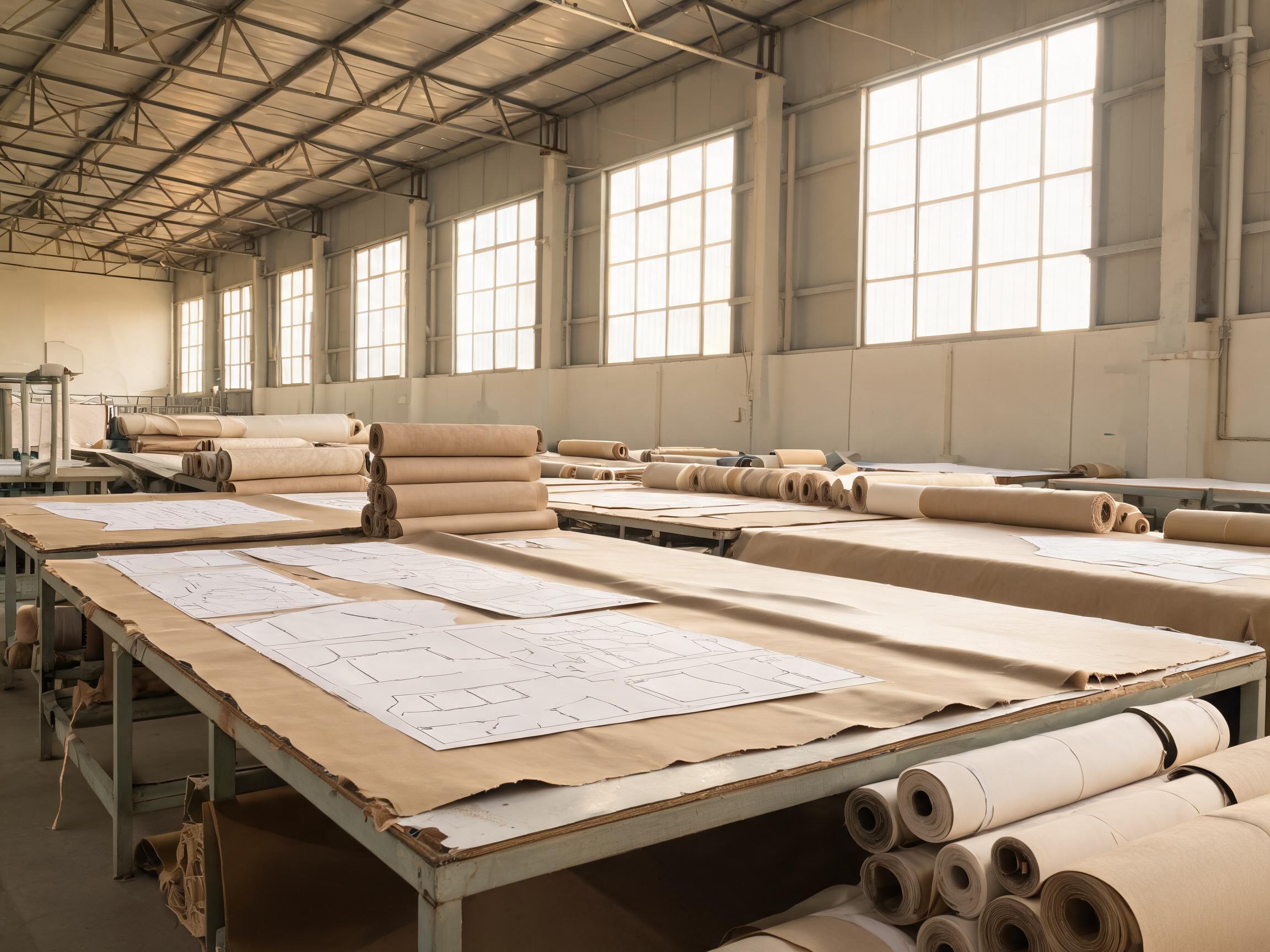
A practical way to write the spec is a two-column worksheet: your required minimum on one side (denier, coating, zipper size, strap width, logo method) and open items on the other. The open column is where a supplier can propose alternatives that lower cost without touching your durability minimums. When the spec sheet is complete, sampling becomes a verification exercise instead of a discovery process.
Bulk logo sampling: sequence and what to approve
Logo decoration on duffles is typically one of three methods: embroidery on the front panel or end pocket, screen printing for larger flat areas, or woven labels and rubber patches sewn into a seam or webbing run. Method choice interacts with fabric: heavier coated fabrics take screen print well, while fine-gauge or stretch panels favor patches and labels.
The working sequence for a bulk program is short. First, submit artwork in vector format with Pantone references and the placement map. Second, request a decoration sample, a pre-production sample made with the actual fabric and hardware, before mass production. Third, approve that sample in writing as the production standard. Skipping the second step is how a program can end up with a color that matches the swatch but not the garment fabric, or a patch that reads well at hand scale but poorly at retail size.
Buyers running several soft-goods categories in parallel can follow the same approval logic across them; our step-by-step guide to ordering tote bags wholesale maps an equivalent sequence order by order.
MOQ and mixed-container structure
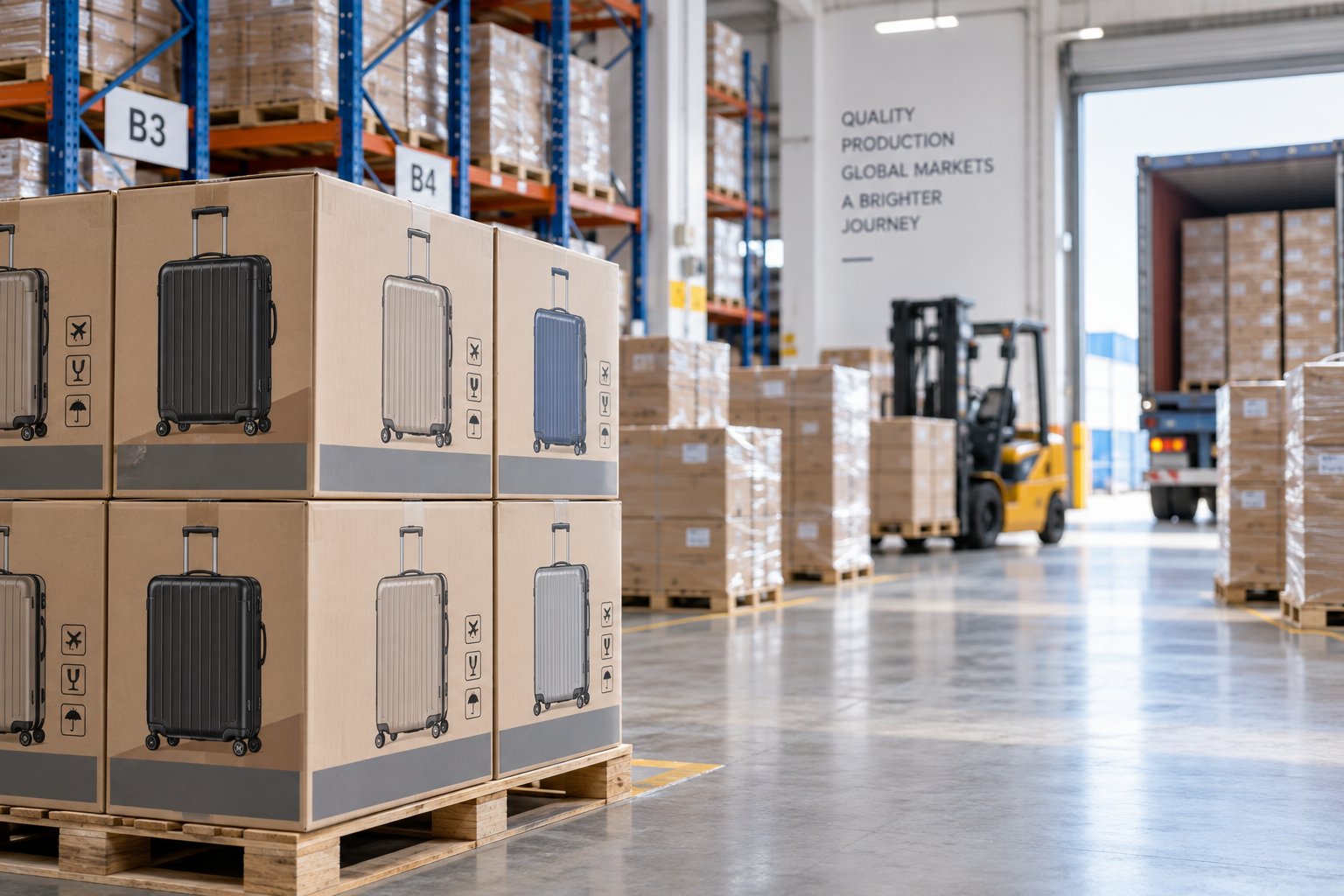
The catalog baseline ordering terms for bag categories are MOQ from 500 pcs per style, with a standard lead time of 30-35 days after sample approval and order confirmation. These are catalog baselines presented for planning, not fixed contract terms; per-style MOQ, lead time and packaging should be confirmed against your specific styles and program volume. Packaging is normally an individual poly bag or dust bag inside an export carton, with hangtags and inner-box arrangements specified per buyer.
For a multi-style duffle program, the useful unit of planning is the order, not the style. A first order of two styles at 500 pcs each plus two colorways at lower quantities is a different conversation from eight styles at 500 pcs each, and the mixed load changes how the container is planned. Carton dimensions, pieces per carton and the split between styles determine whether the plan fills the container or leaves dead space. Distributors combining duffles with hard-sided pieces should note that the catalog lists spinner trolley cases separately, such as the Softside Spinner Luggage 24 and Solid Color Spinner Luggage 24 pages, each with a listed MOQ of 300 pcs. A combined soft-goods and hard-case order can therefore be structured at two MOQ tiers, and the loading plan should be built around the taller hard-case cartons.
| Planning item | Catalog baseline | Confirm per program |
|---|---|---|
| MOQ per style | From 500 pcs (bag categories) | Per style, colorway split, order size |
| Lead time | 30-35 days after sample approval and order confirmation | Peak season, fabric availability |
| Packaging | Poly bag or dust bag plus export carton | Hangtags, inner box, carton print |
| Inspection and shipping | Third-party inspection and buyer Incoterms arranged on request | Incoterm, inspection standard, destination |
Commercial terms for an OEM/ODM duffle program
Because duffles here are made to specification rather than picked from a catalog, the commercial package rests on a few confirmable items. Quality management runs under an ISO 9001:2015 certified system covering the design, manufacturing and sales of luggage and travel bags; the certification is held at company level and does not certify any individual product, so product-level verification belongs in your sampling and inspection plan. The facility is audited under the BSCI framework for social compliance, likewise at facility level.
With roughly 150,000 pieces per month of capacity across cutting, sewing, assembly and inspection under one roof, the production calendar is the constraint that ties the program together: sample approval date sets the 30-35 day production window, and the loading date should be planned backward from that. Buyers who intend to commission third-party inspection should name the inspection standard when the order is confirmed, since inspection on request is easier to schedule inside the production window than after it. Incoterms are arranged to the buyer's preference on request.
What to send with your first inquiry
A duffle inquiry that can be quoted quickly contains: target capacities and quantities per style, the fabric and hardware specification lines from the worksheet above, artwork for the logo method, and the intended Incoterm and destination port. If any of those are undecided, say so and mark which items you want the supplier to propose against your minimums. Buyers in more than 40 countries currently source through Wellmax's export sales team, which handles inquiries, quotations and order follow-up directly; sharing your duffle program outline is the natural first step toward a quotation and a sampling plan.