Wholesale Partnership Guide
Key Takeaways
- Match manufacturer capacity to your peak-season demand, not just your average order size.
- Price tiers reflect volume, materials and scheduling — request a tiered quote rather than assuming a fixed ladder.
- Build a replenishment calendar around 30–35 day lead times after sample approval.
- Discuss exclusivity and private-label boundaries before you place a repeat order.
If you distribute bags and backpacks, finding a China backpack manufacturer that can support repeat bulk supply is different from finding one that can produce a single order. The first order is a test. The real partnership begins with the second and tenth replenishment — when you need consistent quality, predictable lead times and pricing that supports your margin as volumes grow. This article focuses on those ongoing wholesale economics: how to evaluate supply capacity, how price tiers typically work, how to set a replenishment rhythm, and how to protect your channel.
Why Wholesalers Need a Different Evaluation Framework
A wholesaler is not buying a one-off batch. You are committing to a supply relationship that has to survive seasonal peaks, shifts in demand, and the slow accumulation of small quality variances that turn into customer complaints. The questions that matter are different from a first-time purchase: Can the factory handle a sudden 40% volume increase without pushing lead time out by weeks? Are materials consistently available, or does the factory substitute without telling you? Does the price you negotiated at 500 pieces still make sense at 2,000 pieces? Will the manufacturer sell the same design to a competing distributor in your market? These separate a reliable wholesale partner from a factory that only looks good on a sample approval sheet.
Assessing Supply Capacity: What to Look For
Capacity is not a single number. It is the relationship between monthly output, allocated production lines, and the factory's ability to absorb your peak without sacrificing other customers' schedules. For backpacks, a manufacturer with roughly 150,000 pieces per month across its full range — including trolley cases, business bags and handbags — can generally accommodate a wholesale program that grows incrementally. Wellmax Luggage, a Fujian-based OEM/ODM manufacturer founded in 2013, operates a 12,000 m² facility with cutting, sewing, assembly and inspection under one roof. That vertical integration reduces the risk of bottlenecks when one process becomes a constraint during peak season.
When you evaluate a factory's capacity, ask directly: What is your monthly output for backpacks specifically, since the total factory figure includes other product lines? How many sewing lines can be allocated to my order? What is your peak-season lead time — the 30–35 day baseline after sample approval should hold during your busiest months? Do you outsource any processes, since external cutting or printing can add lead time and quality variability?
An ISO 9001:2015 certified facility and a BSCI social-compliance audit are useful baseline indicators that the factory has documented processes and has been reviewed by a third party. They do not guarantee every order will be perfect, but they give you a framework to ask better questions during supplier evaluation.
Price Tiers: What Actually Drives Them
Wholesale buyers often expect a simple volume ladder: 500 pieces at one price, 5,000 at the lowest. In practice, backpack pricing is more nuanced. The tier you receive depends on order quantity per color and per model — a 2,000-piece order split across four colors may not qualify for the same tier as 2,000 pieces in a single color; on material selection, since water-resistant shells, luggage pass-throughs and padded laptop compartments carry different base costs; on production scheduling, because an order that fills a natural gap in the production calendar can be priced better than one requiring overtime; and on payment and shipping terms, where FOB, EXW and CIF shift cost and risk between you and the factory.
Because of this, request a tiered quotation based on your realistic annual volume and expected order pattern rather than a single price at a hypothetical quantity. State your forecast — for example, a stable monthly quantity for the first six months, then a higher volume if sell-through is strong — and ask what pricing applies at each stage.
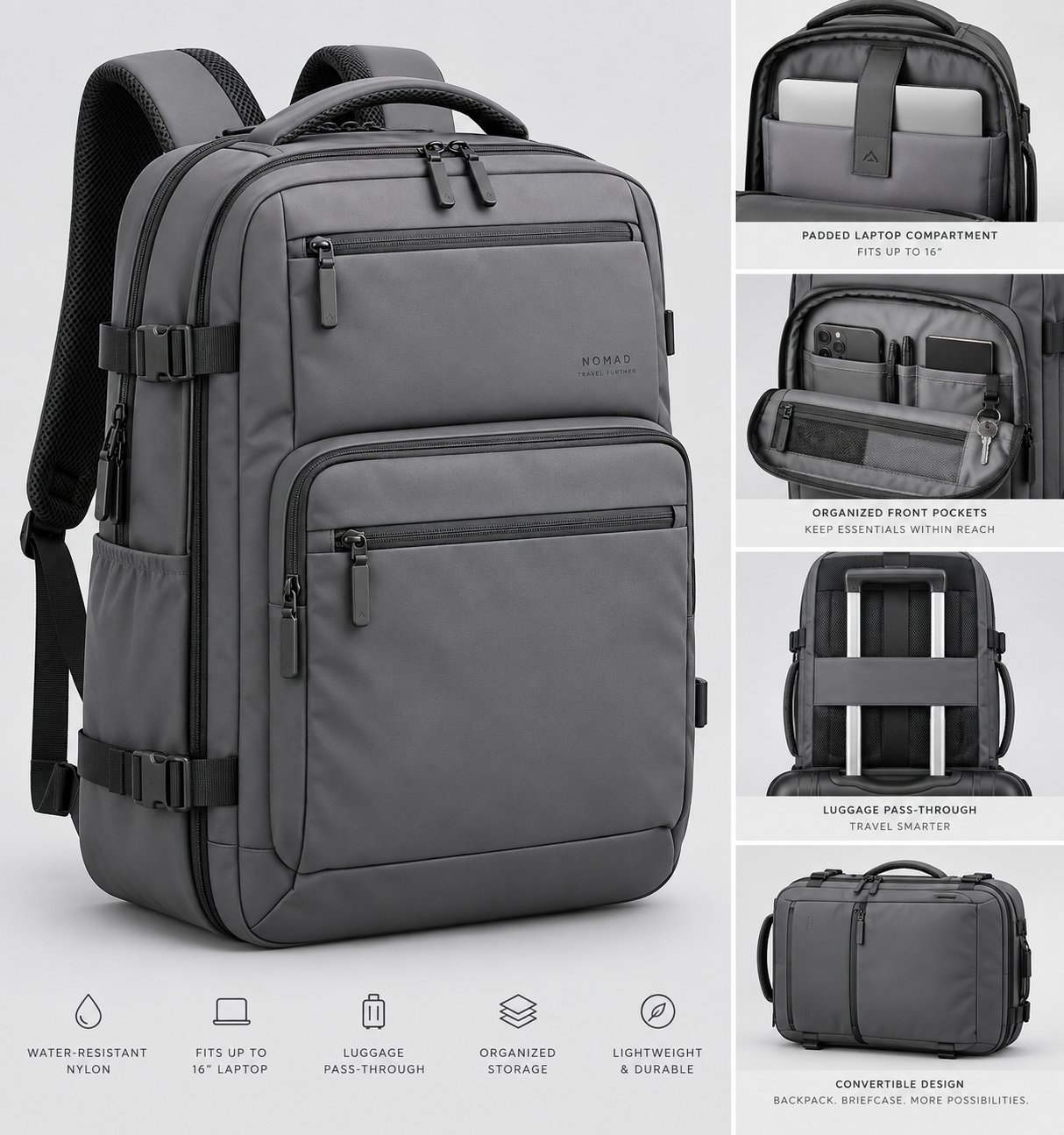
For reference, Wellmax's backpack models — the Urban Commuter Backpack 22L and the Convertible Travel Backpack 35L — both carry a MOQ of 500 pieces and a 30–35 day lead time after sample approval. These are the baseline commercial terms; tiered pricing for repeat wholesale programs is quoted per project.
| Factor | Effect on Price Tier | What to Confirm |
|---|---|---|
| Quantity per color | Higher single-color volume usually improves tier | Minimum per color to reach the next tier |
| Material and features | Shells, pass-throughs and compartments change base cost | Which features are standard vs. upcharge |
| Annual commitment | A forecasted annual volume can support a blanket price | Whether tiers are locked for 12 months |
| Order frequency | Regular orders reduce scheduling friction | Preferred reorder cadence and cut-off dates |
Planning Your Replenishment Rhythm
Replenishment is where wholesale programs succeed or fail. Order too late and you miss a sales window; order too early and you tie up cash in inventory that may not match demand. The manufacturer's lead time is the anchor: with 30–35 days after sample approval, a monthly cycle runs from order confirmation through production, assembly and inspection, with goods ready for shipment around week five. Work backward from the date you need stock in your warehouse, not the date it leaves the factory — the 30–35 day lead time is production only, so add shipping, customs clearance and inland transport to your planning. For a steady program, consider a standing order with a rolling 60-day forecast: it gives the factory visibility to reserve capacity and gives you more stable supply than ad-hoc purchase orders.
Protecting Your Channel and Private-Label Interests
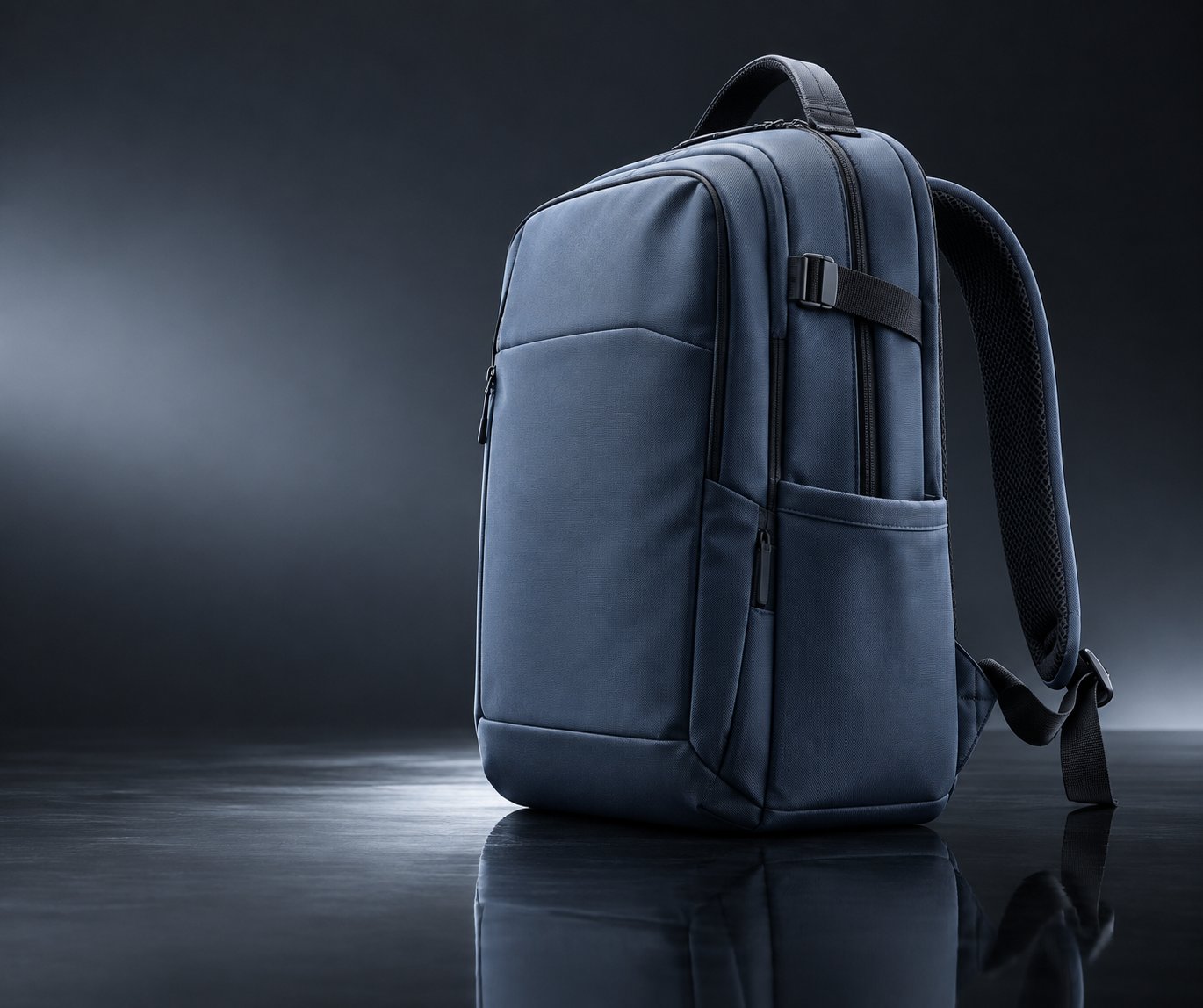
When you invest in a wholesale program, you are building market equity in the designs you sell. Two protections matter. First, channel exclusivity: ask whether the manufacturer will sell the same model to another distributor in your country or region. Some factories agree to a limited exclusivity period or territory restriction in exchange for a committed annual volume — get it in writing. If the factory will not offer exclusivity, protect yourself with a private-label design using unique materials, colors or branding outside their standard catalog. Second, private-label boundaries: clarify what private label covers for a model like the Laptop Commuter Backpack 18L — logo placement, zipper pulls, interior lining color — and confirm which elements are included in the base MOQ of 500 pieces and which require additional tooling. Also agree on who owns the design files and whether the factory can reproduce your version for other buyers after the exclusivity period ends.
Supplier Evaluation Checklist for Wholesale Buyers
- Documented quality management (e.g., ISO 9001:2015) and a social-compliance audit (e.g., BSCI)?
- A monthly capacity figure for backpacks specifically, plus peak-season lead time?
- Willingness to quote tiered pricing from your annual volume forecast?
- Minimum order quantity per color and per model?
- Channel exclusivity or territory protection, in writing?
- A defined process for quality claims, and private-label support with its MOQ?
Wellmax Luggage, with approximately 320 staff and exports to more than 40 countries, is one example of a manufacturer structured for OEM/ODM wholesale programs. Its full range covers trolley cases, backpacks, business bags and handbags, so a distributor can consolidate multiple categories with one supplier.
FAQ: Wholesale Backpack Sourcing
Can I get a lower price if I commit to a full year of orders?
Many manufacturers offer a blanket price or tiered structure based on an annual volume commitment. Provide a realistic forecast and ask for a written quotation that specifies the tiers and conditions.
What is the typical MOQ for wholesale backpacks?
For Wellmax backpack models, the MOQ is 500 pieces. It can vary by material, color and customization requirements — confirm for your specific configuration before finalizing your order plan.
How do I handle replenishment if demand spikes unexpectedly?
Discuss a surge plan in advance: what capacity the factory can reserve during peak season and what an urgent reorder would take. A 30–35 day standard lead time may extend during peak periods, so plan a safety stock buffer.
Can the manufacturer ship directly to my warehouse or Amazon FBA?
Shipping terms are project-specific. Discuss your destination, preferred Incoterms and any labeling or packaging requirements with the manufacturer.
Next Step: Request a Quotation and Sample Plan
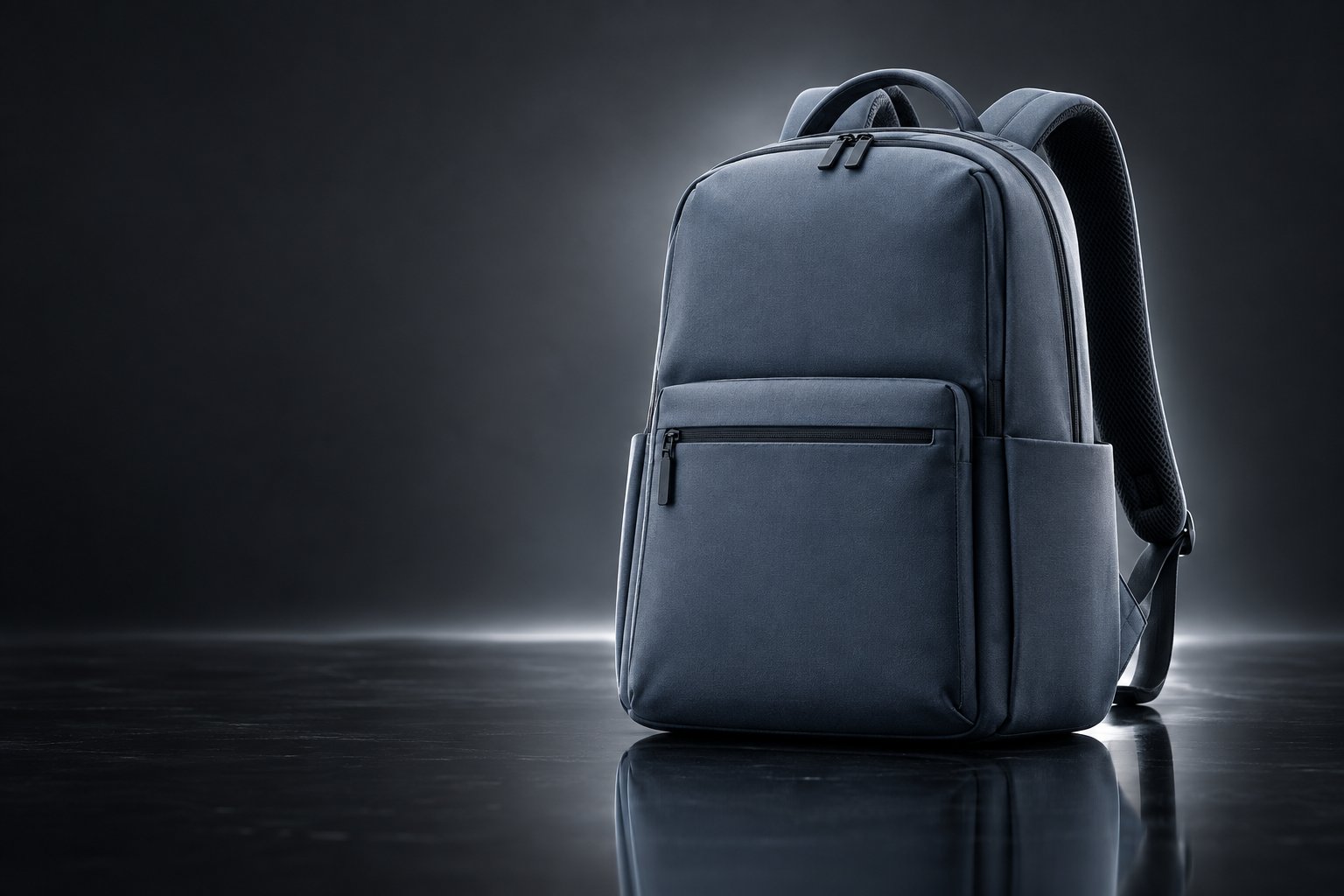
If you are evaluating a China backpack manufacturer for a wholesale program, request a quotation and a sample plan. Provide your target models, expected annual volume, color preferences and any private-label requirements, and ask for a tiered price indication, a sample timeline and a production schedule that fits your replenishment calendar. Wellmax Luggage accepts wholesale inquiries for its backpack range, including the Urban Commuter Backpack 22L, Convertible Travel Backpack 35L and Laptop Commuter Backpack 18L.