Wine Bags Bulk: What a Program Order Actually Involves
Ordering wine bags in bulk is a different exercise from buying a few hundred retail carrier bags for a tasting room counter. A bulk program — whether it supplies a winery's holiday gift range, a wine club shipment, or a corporate gifting catalog — carries expectations that a single retail purchase never has: every bag in the order must match the approved sample, the branding must stay consistent across an entire range, and delivery has to land ahead of a seasonal window that will not move.
Key takeaways
- Plan a bulk range as one program, not as separate one-off purchases.
- Bottle count drives structure: 2-bottle carriers, 4-bottle totes and 6-bottle carriers fail in different places.
- Neoprene, canvas and jute each suit a different use and printing method.
- Construction — dividers, handle anchors, base panels — matters more than material choice.
- Confirm sampling rounds, spec sheets, inspection points and carton marking in writing.
Why Bulk Wine Bag Programs Are Different
Two factors separate a bulk program from ordinary retail purchases: how branding is managed across a range, and how a seasonal window shapes the schedule.
First is branding across a range. Wineries and gift programs rarely order a single style. A typical year-end range might combine a two-bottle carrier for retail counters, a four-bottle tote for club shipments, and a six-bottle bag for premium gift sets — all carrying the same logo and color story. Planning the range as one program, rather than as separate one-off purchases, makes it far easier to keep artwork, materials and quality aligned.
Second is seasonal concentration. Most of the year-end gifting demand arrives in a short window, which means production planning, sampling and shipping all need to be scheduled backwards from a fixed launch date. Suppliers with a documented full-cycle process — sampling, tooling, mass production, quality inspection and export handling — make it easier to see where delays could occur. The same checkpoints should be confirmed with any manufacturer you evaluate.
Choosing the Format: 2, 4 and 6 Bottle Carriers
Bottle count drives structure more than any other choice. Each standard 750 ml bottle adds both weight and rigidity, and the bag's architecture has to respond accordingly.
Two-bottle carriers are the lightest structure and the easiest to carry. The main engineering question is the divider between the bottles: glass-on-glass contact is the primary failure mode, so most designs use a sewn or foam-padded central wall. Handles can be relatively simple, but the attachment points still carry the full load of two bottles plus packaging.
Four-bottle totes shift the problem. Load concentrates in the base and the handle anchors rather than in the walls, so a reinforced base panel and doubled stitching at the handle roots matter more. Dividers may become internal cross-walls forming four compartments, which adds sewing complexity and affects how flat the bag folds for storage.
Six-bottle carriers are effectively structured boxes with handles. Total weight makes base construction and load path the dominant design concerns: the handles should transfer weight into the base panel or reinforced seams, not into the side walls alone. Some six-bottle designs add external stiffening or a shaped lid structure.
When you brief suppliers, describe the realistic load — bottle weight, gift packaging, padding — rather than just the bottle count, and ask them to confirm in writing what their structure is engineered to carry and how they validated it on samples.
Material Comparison: Neoprene, Canvas and Jute
Each of the three common bulk wine bag materials serves a different purpose, and the right choice depends on how the bags will be used and reused.
| Material | General behavior | Typical use conditions | Printing and reuse |
|---|---|---|---|
| Neoprene | Stretchy, cushioned laminate that grips each bottle and absorbs minor bumps | Single or two-bottle carriers, insulated-style gift bags, transport in cars or gift baskets | Best with heat transfer or screen print on flat panels; stretch means artwork distorts in use; generally a premium-feel, keep-and-reuse item |
| Canvas | Woven cotton or blended fabric with firm structure and a stable print surface | Multi-bottle totes, retail carry-out bags, reusable gift bags for club members | Takes screen print, heat transfer and woven labels well; durable enough for repeated reuse, which extends brand exposure |
| Jute | Coarse natural fiber with a rustic, textured look and good inherent stiffness | Premium gift presentation, harvest and holiday ranges, eco-positioned packaging | Print detail is limited by texture; larger, bolder artwork works best; often paired with a woven label or patch for finer branding |
Qualitatively: choose neoprene when cushioning and a fitted feel matter most, canvas when you want structure plus a clean brand surface and repeated reuse, and jute when the natural, premium-rustic look is part of the story. Ask each supplier for written specifications — fabric weight, weave or laminate construction, lining and hardware — so quotes can be compared like for like.
Where Bags Actually Fail: Dividers, Handles and Bases
Material choice rarely decides whether a bulk wine bag succeeds; construction does. In real-world use, failures concentrate in three places.
Handle attachment points carry the entire load every time the bag is lifted. Look for handles that wrap under the base or anchor into reinforced, multi-stitched seams, and ask to see the stitch pattern on a sample rather than in a drawing. A handle sewn only into a side seam will eventually pull out under a fully loaded six-bottle bag.
Base panels absorb the weight of bottles standing upright and the shock of the bag being set down. A flat, unreinforced base lets bottles settle and stresses the bottom seam; a structured or doubled base panel distributes load and keeps the bag square.
Divider walls protect bottles from each other. Check whether dividers are sewn to the base or merely suspended, whether they are padded, and whether they stay upright when the bag is only partially filled.
On samples, ask suppliers to demonstrate load behavior directly: carry a fully loaded bag by its handles over a short distance, set it down repeatedly, and inspect the seams and base afterward. How a supplier responds to that request is itself worth noting as you compare candidates.
Branding and Printing for Wineries and Gift Programs
The three most common decoration methods each suit different artwork and budgets:
Screen printing is the workhorse for bold logos and limited colors on canvas and jute. Cost per unit drops with volume, but each additional color adds setup complexity, so simplified artwork often prints better and costs less.
Heat transfer reproduces multi-color and gradient artwork more faithfully and works well on neoprene and smooth synthetics. Durability through flexing and washing should be confirmed on a finished sample, not assumed.
Woven labels and patches add a premium, tactile brand element, especially effective on jute and canvas where fine print detail is limited. They also survive reuse better than surface prints.
Before approving artwork, check how the design interacts with the material: fine serif text on coarse jute loses legibility, while a large single-color logo on canvas stays crisp at distance.
Bulk Order Terms: A Checklist to Confirm with Any Manufacturer
Commercial and process terms vary widely between suppliers, so treat the following as questions to confirm in writing rather than assumptions:
- Sampling and revisions: how many sample rounds are included, what each revision costs, and how quickly samples turn around relative to your launch date.
- Specification sheets: whether the supplier issues a written spec covering materials, dimensions, stitching, hardware and decoration, which becomes your reference for inspection and reorders.
- In-process and finished-goods inspection: what checkpoints exist during sewing and assembly, and what inspection the finished bags pass before packing.
- Packaging and carton marking: how units are folded, bagged and packed, and whether cartons can be clearly marked by style, color and season — essential for mixed gift ranges that ship in waves.
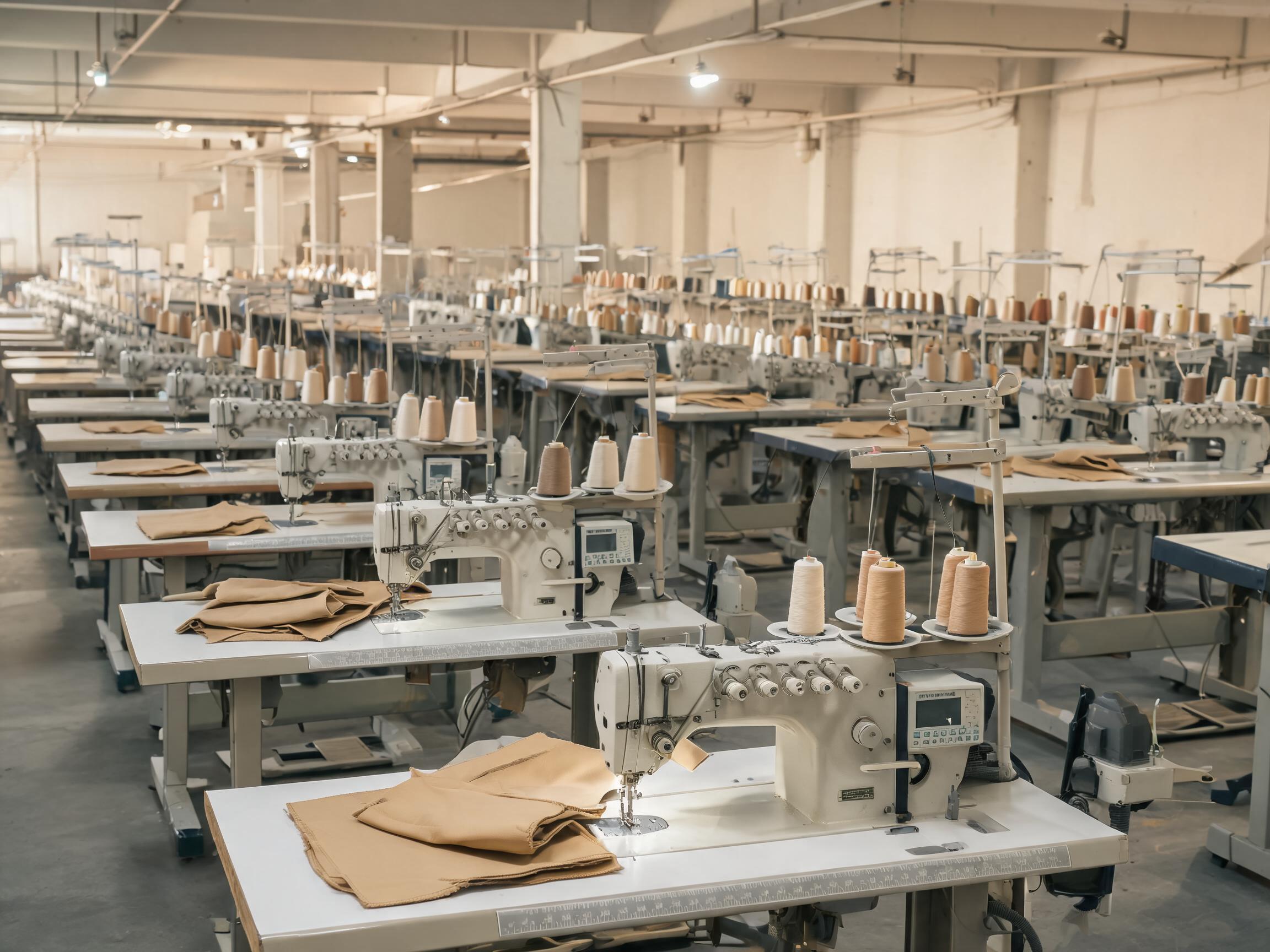
A full-cycle partner covers sampling, tooling, mass production, quality inspection and export under one roof. Wellmax Luggage, for example, operates precision fabric cutting, dedicated sewing lines and finished-product inspection stations, and holds ISO 9001:2015 certification covering the design, manufacturing and sales of luggage and travel bags, along with a BSCI audit of its production facility and working conditions. Use that scope as a benchmark when you evaluate any candidate — and remember that factory audits, product-level certifications and compliance requirements for your market are all items to verify directly with each supplier.
Frequently Asked Questions
How far ahead should a year-end gift program start?
Work backwards from your launch date: allow time for artwork and specification finalization, at least one or two sample rounds with revisions, mass production, inspection and shipping. Ask each shortlisted supplier to confirm their own sampling and production turnaround in writing for your specific style and quantity, since timelines vary by material and complexity, and build in a buffer before your gifting window.
Planning Your Next Bulk Order
A bulk wine bag program rewards early, specific briefs. When you are ready to gather quotes, send suppliers your bottle counts per style, preferred material or a shortlist, load expectations, branding artwork and target timing. Ask each shortlisted manufacturer — including OEM/ODM teams such as Wellmax Luggage — to evaluate the brief and prepare samples for review before any production commitment; make that step explicit in your brief so every quote covers it.