Supplier Vetting Guide
When buyers search for wholesale handbags suppliers, most shortlists collapse quickly because the comparison is done on the wrong variables. Price per piece means little until you know the minimum order quantity behind it, what material and hardware grade it assumes, and what happens when a style sells through and you need more units two months later. This article sets out a practical vetting framework built around three questions: what is the supplier's MOQ structure, what exactly does their quote include, and how do they handle repeat orders and replenishment.
- Compare suppliers on structure, not on headline unit price. A price without an MOQ, a material grade and a packaging baseline behind it is not a comparable number.
- The documented Wellmax handbag program used as a benchmark here lists nine styles at MOQ 500 pcs each with a 30-35 day lead time after sample approval and order confirmation.
- Ask for a three-level quote on the same reference style: standard spec at standard MOQ, customized spec with branding, and a higher-volume tier.
- Replenishment questions — dedicated lines, retained documentation, reorder lead time — separate suppliers you can plan inventory around from suppliers you cannot.
- Build one RFQ that fixes dimensions, lining, hardware finish, packaging, inspection and Incoterms before comparing responses.
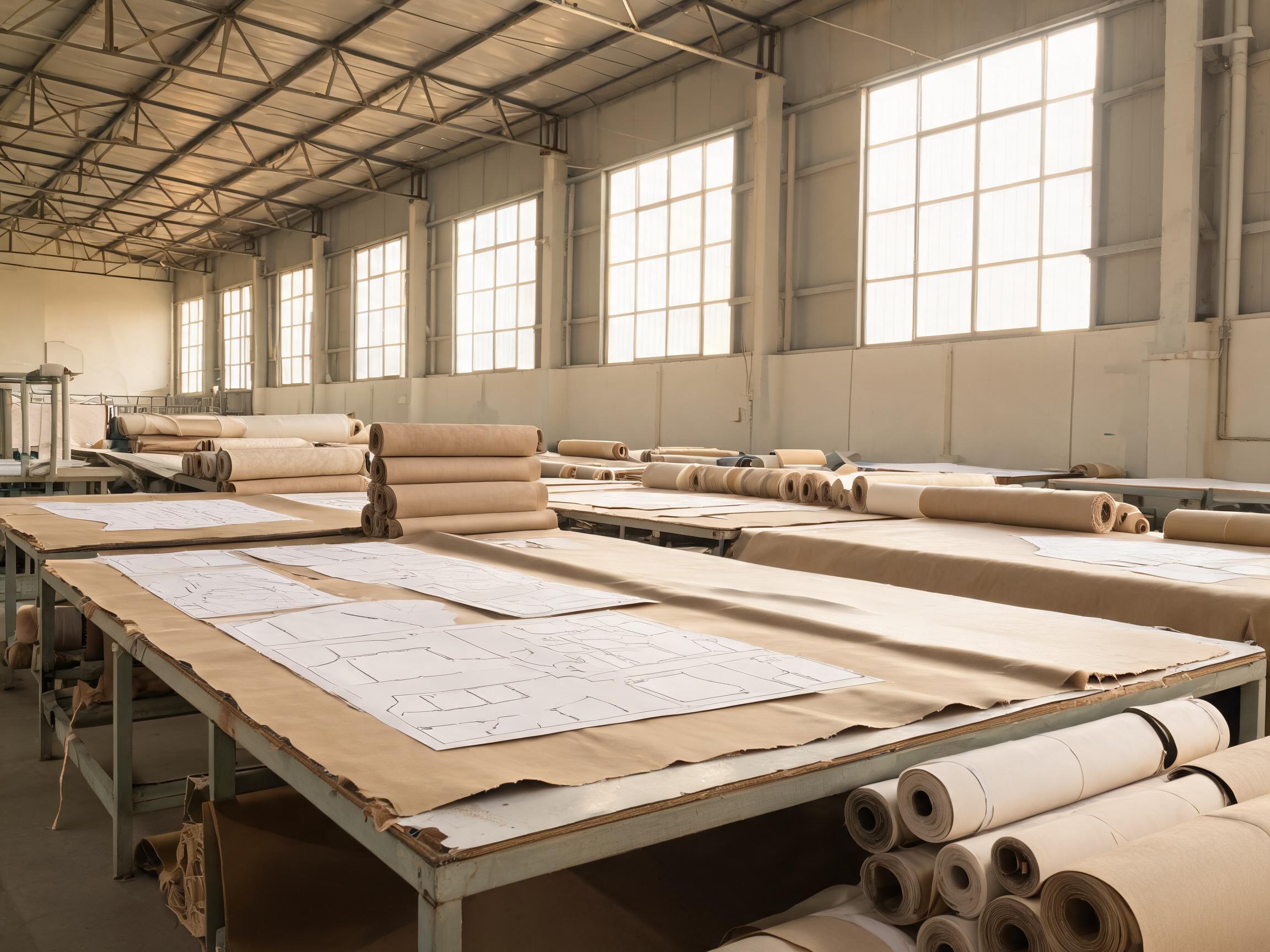
To make the framework concrete, we use the documented handbag program at Wellmax Luggage, an OEM/ODM bag manufacturer in Quanzhou, Fujian, as a benchmark you can measure other quotes against. Wellmax has operated since 2013 from a 12,000 m2 facility with cutting, sewing, assembly and inspection under one roof, employing about 320 staff and producing roughly 150,000 pieces per month across luggage and bag categories. The point is not that this program is the only way to structure a handbag offer, but that buyers benefit when a supplier publishes these terms explicitly.
Start With the Catalog Structure, Not the Price List
A useful first vetting step is to ask a supplier for their full handbag catalog with MOQ and lead time stated on every style. Suppliers who quote one flat MOQ for everything, or who cannot state a lead time per category, often have not actually produced the styles they list. A well-structured catalog tells you which styles are production-ready and which are aspirational renders.
Wellmax's current handbag family, for example, lists every style at MOQ 500 pcs with a 30-35 day lead time after sample approval and order confirmation. The range covers nine silhouettes: a Bucket Handbag in PU leather with a drawstring closure and round base, a Structured Satchel Handbag with a magnetic flap and top handle plus detachable shoulder strap, a PU Leather Tote Handbag with open top and magnetic snap, a roomy Everyday Tote, plus Quilted Chain Shoulder, Crossbody Flap, Top Handle Shoulder, Nylon Shoulder Crossbody and Canvas Weekend Shoulder styles. Standard colorways follow a deliberate logic: tan, black and camel neutrals on the bucket and satchel; black, camel and tan on the totes.
That colorway detail matters: a neutral-first color structure gives buyers a consistent baseline for comparing quotes across styles.
You can see the full handbag category on the handbag product pages, including individual styles such as the Bucket Handbag, Structured Satchel Handbag and PU Leather Tote Handbag.
How to Compare MOQ Terms Between Suppliers
MOQ figures are rarely comparable at face value. A 500 pcs MOQ from one supplier may mean 500 pieces total across colors, while another means 500 pieces per colorway. Before putting two quotes side by side, ask each supplier to clarify:
- Per-style vs per-color MOQ. Wellmax documents 500 pcs for each handbag style; whether that can be split across the standard tan, black and camel colorways is a question the export team can confirm directly, and it is the same question to put to every supplier on your list.
- What the MOQ assumes. A stated MOQ usually assumes standard materials and standard colorways. Custom colors, custom lining and non-standard hardware can carry separate minimums, so ask what changes at the custom tier.
- Whether sampling is inside or outside the MOQ. In a proper OEM/ODM cycle, a sample is prepared for buyer approval before mass production. Confirm who pays for sample development, tooling or hardware molds, and whether sampling time is separate from the quoted production lead time.
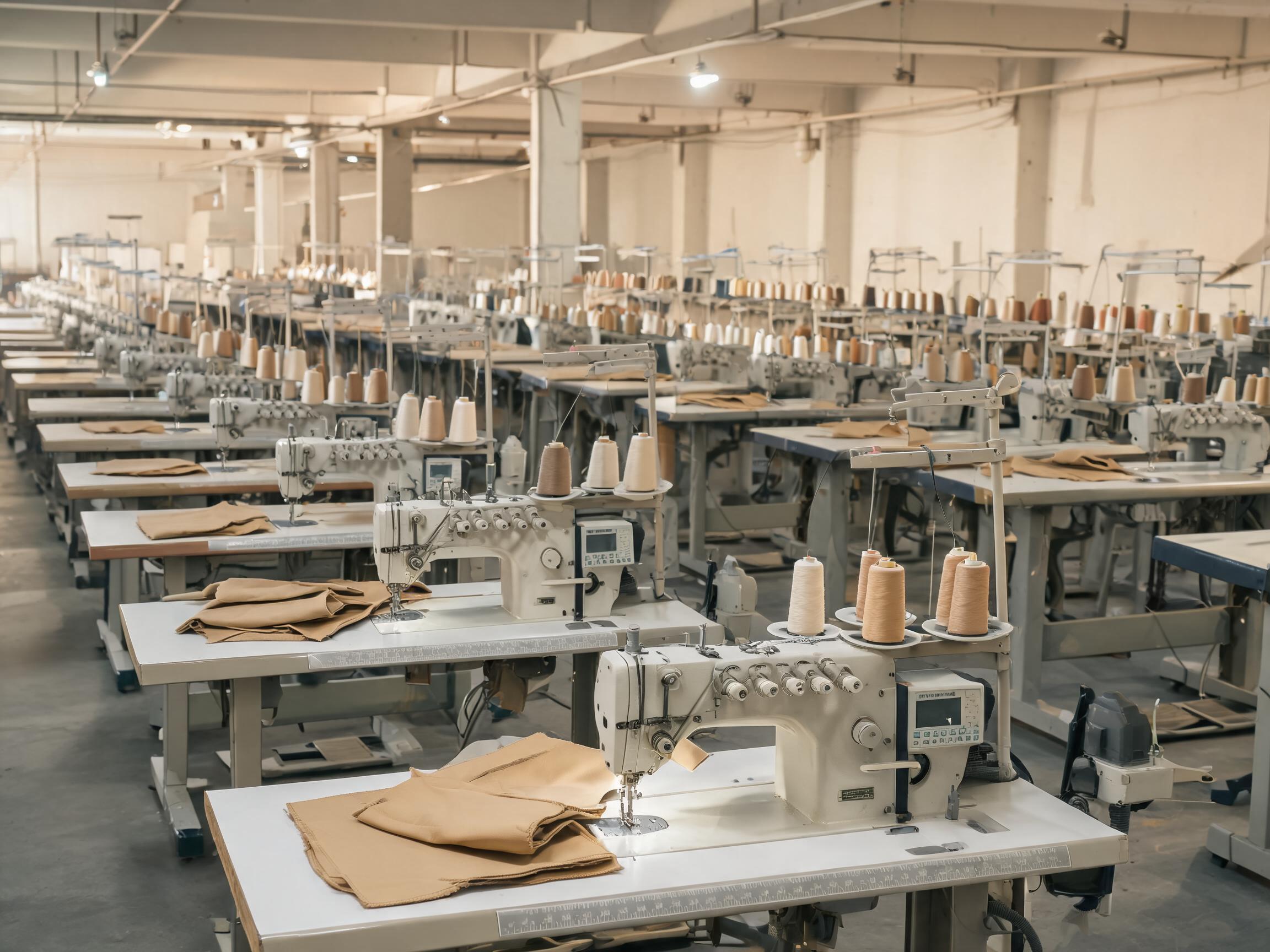
Wellmax's handbag production runs on dedicated sewing lines followed by finished-product inspection before packing, and sampling, tooling, mass production, quality inspection and export shipping are all handled in-house. That vertical structure is worth probing with any supplier: a factory that controls its own cutting and sewing can usually tell you truthfully what its MOQ and lead time are, because it is not relaying another workshop's schedule.
Breaking a Quote Into Real Price Tiers
B2B handbag pricing is tiered along three levers: material, hardware finish and packaging level. Rather than asking suppliers for one price, ask them to quote a matrix. The documented Wellmax customization scope gives you the vocabulary for this conversation:
- Material and construction. PU leather styles versus nylon or canvas constructions price differently, and lining fabric choice is a separate variable. Wellmax states that color, lining and hardware are adjustable to a brand's direction on its handbag styles.
- Hardware finish. Gold, silver and antique finishes are the finishes discussed with buyers on Wellmax handbags. Hardware finish can change both unit cost and minimums, so confirm specific options and any related tooling or minimums before sampling rather than after.
- Packaging level. The Wellmax handbag standard is an individual dust bag plus carton. Branded packaging and hang tags are quoted on request. When comparing suppliers, make sure every quote assumes the same packaging baseline, or the per-piece numbers are not comparable.
Ask each shortlisted supplier for three quote levels on the same reference style: standard specification at standard MOQ, customized specification with your branding, and a higher-volume tier. The spread between those numbers tells you how much of the price is material cost versus overhead, and it exposes suppliers whose pricing does not move with volume.
Evaluating Replenishment and Repeat-Order Capability
For retail chains and importers, the second order is where supplier value is proven. Replenishment capability is mostly a function of production organization, and it can be assessed with targeted questions.
First, ask whether repeat orders run on the same dedicated lines as the original order. Wellmax's handbags run on dedicated sewing lines with finished-product inspection before packing; for buyers, the relevant question is whether a reorder lands in the same workflow or gets subcontracted when capacity is tight. Second, ask what documentation is retained between orders: confirmed samples, material specs, hardware references and packaging templates. A supplier that re-approves a sample cheaply and quickly on a reorder is far more valuable than one that treats every repeat as a new project. Third, ask how lead time behaves on reorders. Wellmax documents 30-35 days after sample approval and order confirmation, noting that final timing depends on volume and schedule; a supplier who can distinguish first-order timing from reorder timing is easier to plan inventory around.
Quality system structure also bears on replenishment consistency. Wellmax operates a quality management system certified to ISO 9001:2015, and its facility is audited under the BSCI framework. These are company-level credentials, not product certifications, but they indicate whether the factory has documented processes that persist between orders.
A Comparison Checklist for Shortlisted Suppliers
Use a table like this to force comparable answers out of every supplier you contact:
| Evaluation point | What to ask for | Wellmax documented benchmark |
|---|---|---|
| MOQ | Per style, per color, and at custom tier | 500 pcs per handbag style |
| Lead time | Timing after sample approval and order confirmation | 30-35 days, volume-dependent |
| Customization scope | What is adjustable and what triggers new minimums | Color, lining, hardware (gold, silver, antique finishes discussed) |
| Packaging | Standard packaging and branded options | Dust bag + carton standard; branded packaging and hang tags on request |
| Production control | In-house vs outsourced cutting and sewing; inspection points | In-house cutting, sewing and inspection; dedicated sewing lines; finished-product inspection before packing |
Wellmax also asks buyers to confirm five things before ordering: target dimensions and handle drop, lining fabric and pocket layout, hardware color, packaging and labeling, and whether third-party inspection is planned and which Incoterms apply. A supplier who surfaces this checklist proactively is telling you how they expect the order to run; one who does not will leave these decisions to be resolved mid-production. For style-level detail, browse styles like the Everyday Tote Handbag, Crossbody Flap Handbag or Canvas Weekend Shoulder Bag.
Frequently Asked Questions
Can the 500 pcs MOQ be split across different colorways within one style?
The handbag family is documented at MOQ 500 pcs per style with standard tan, black and camel colorways. Whether that quantity can be distributed across colors, and how a custom color affects the minimum, should be confirmed with the export team before sampling.
What changes on a quote when branded packaging is added?
The standard handbag packaging is an individual dust bag plus carton. Branded packaging and hang tags are quoted on request, so they are priced as a separate packaging level rather than absorbed into the base unit price.
Request a Handbag Quote
The fastest way to test any supplier against this framework is to send one RFQ that specifies a reference style, target dimensions and handle drop, lining and pocket layout, hardware finish, packaging level, inspection arrangements and Incoterms. Wellmax Luggage's export sales team handles inquiries, quotations and order follow-up for buyers in more than 40 countries and can confirm current MOQs, lead times, hardware options and any tooling minimums for the handbag styles discussed here. Contact the team to request a quotation and a pre-production sample for the styles that fit your range.