Custom luggage quotation guide
Two factories can quote the same silhouette at noticeably different unit costs without either quote being wrong. The difference usually sits in four places: the shell material family, the hardware grade, the wheel and trolley system, and how many pieces you consolidate into one order.
What this article covers
- Why a custom quote has no single list price
- Shell material families and how they steer cost
- Hardware grade, wheel systems, interior and branding
- How order volume moves unit economics
- What to confirm before your next quotation
Why a Custom Quote Has No Single List Price
A stock suitcase can carry a price tag because the specification is fixed. A custom and private-label programme is different: the buyer defines the shell, the fittings, the interior, the branding and the commercial terms, and the factory prices that combination. Even a small change on the specification sheet can change the mould, the assembly time or the packing format.
At Wellmax, quotations are returned after buyers confirm the shell spec, hardware level, interior layout, inspection preference and Incoterms. Those five confirmations are the inputs that make one quote comparable with another. Without them, two suppliers are effectively pricing two different products.
Shell Material Families: PC, ABS and PP
Shell material is the first cost divider on any hardshell programme. It is not only about resin cost; it affects mould behaviour, wall thickness options, surface finish and how much post-moulding work the shell needs.
Polycarbonate (PC)
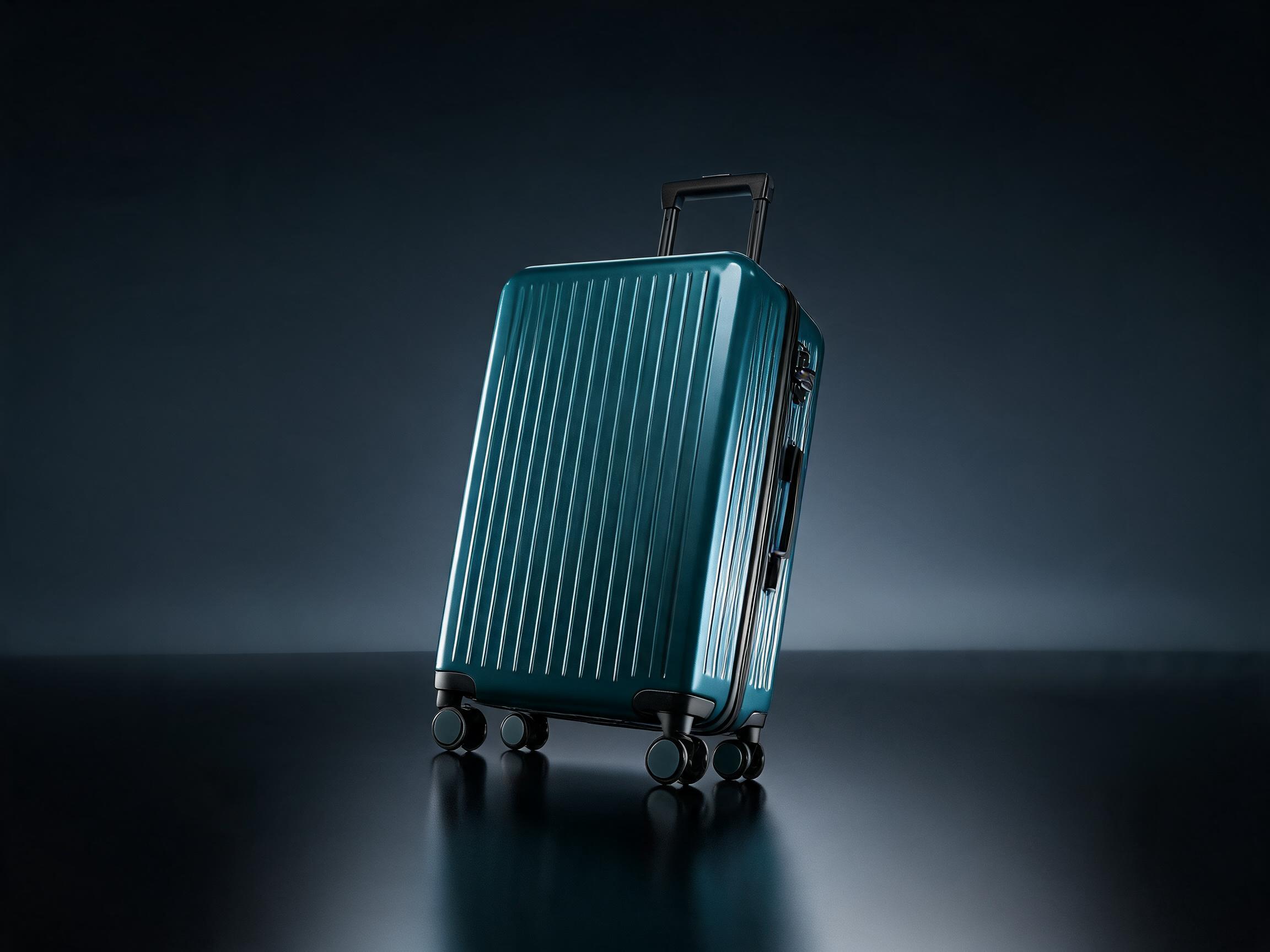
PC is specified where impact resistance is the priority. It forms a shell that flexes on impact and returns, which is the reason many premium hardshell ranges use it. It also takes gloss, matte and textured finishes well, so brand colours and molded logos sit cleanly on the surface. A representative build is a 28-inch PC hardshell trolley case with four double spinner wheels, offered at an MOQ of 300 pcs with 30–35 days lead time.
ABS
ABS is the cost-efficient hardshell route. It is rigid, easy to form and well suited to volume programmes where the buyer targets a competitive retail price and a clean, straightforward shell. ABS builds generally simplify decoration because printing and panel work behave predictably on the surface.
PP (polypropylene)
PP is an alternative hardshell material. It is lightweight and flexible, and it appears in programmes where the buyer wants a hardshell feel without the same material positioning as PC. PP often pairs with a matte or subtly textured finish.
None of these three is universally better. The right question is which family matches your retail position, your handling and shipping profile, and your target cost band. The same shell colour can be produced across families, so colour choice does not narrow the material decision as much as buyers expect.
Hardware Grade: Where Buyers Underestimate Cost Impact
Hardware is the second cost centre and the one most often left vague on a first enquiry. The word "trolley" or "lock" covers a wide range of construction. Grade affects both unit cost and the buyer experience at the point of sale.
- Trolley handle: handle type, tube material, stage count and how the handle is anchored inside the shell ticket all affect the quote.
- Zippers and closures: standard zipper chain versus reinforced chain, and the difference between a zippered opening and a metal frame closure, sit in different cost bands.
- Locks: TSA-compliant locks are specified as a hardware item and affect both cost and market suitability. A 22-inch PC cabin case with a TSA lock is a common configuration for North American cabin programmes.
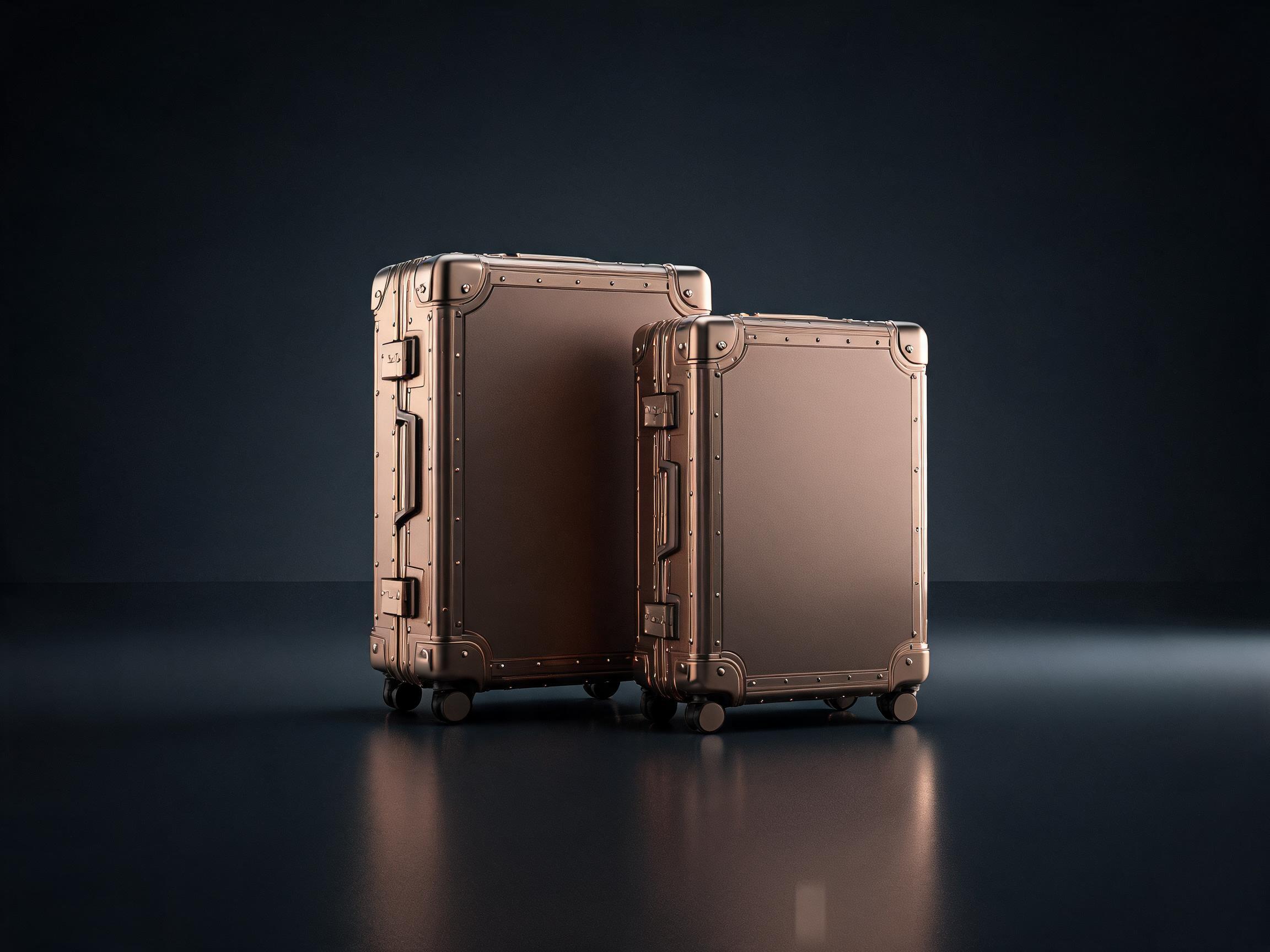
- Frame and corner construction: welded frames and reinforced metal corners move a case into the premium category. An aluminum-frame checked luggage set with reinforced metal corners shows how frame type and corner reinforcement differentiate a range.
Hardware grade is also where after-sales risk lives. A buyer comparing two quotes at similar cost should compare the hardware line item by line item before assuming one supplier is simply cheaper.
Wheel Systems and Handling Performance
Wheels are part of the hardware conversation but deserve separate attention because they change retail perception quickly. Spinner configurations, wheel diameter, housing construction and whether the wheels are single or double all enter the quote. Double spinner wheels, for example, are a different assembly from single wheels of the same diameter, and the housing and axle construction behind them vary by grade.
Wheel choice also interacts with shell material. A flexible PC or PP shell absorbs shock differently from a rigid ABS shell, so the wheel specification should be read together with the shell, not in isolation.
Interior Layout, Lining and Branding Options
Interior specification is the quietest cost driver in most custom programmes, because it is labour rather than material that dominates. Wellmax's customization menu covers shell colour and texture, trolley, wheel and zipper hardware, lining, dividers, straps, molded logos, printed panels, hang tags and branded packaging.
For a buyer, the practical split is between structural interior work (dividers, cross straps, compression panels) and presentation work (lining colour, label placement, interior branding). Structural work changes assembly time. Presentation work changes material and sometimes print setup. Both belong on the quotation request.
Branding on the outside of the case — molded logos, printed panels, hang tags and branded packaging — usually involves tooling or setup that is amortised differently depending on order volume. That is the bridge to the next section.
How Order Volume Moves Unit Economics
Custom luggage pricing is not linear in volume. Larger consolidated volumes generally improve unit economics because setup, tooling, colour changeover, printing preparation and quality inspection can be spread across more pieces. Consolidating several SKUs into one programme can support the same effect, since the factory plans materials and line time together.
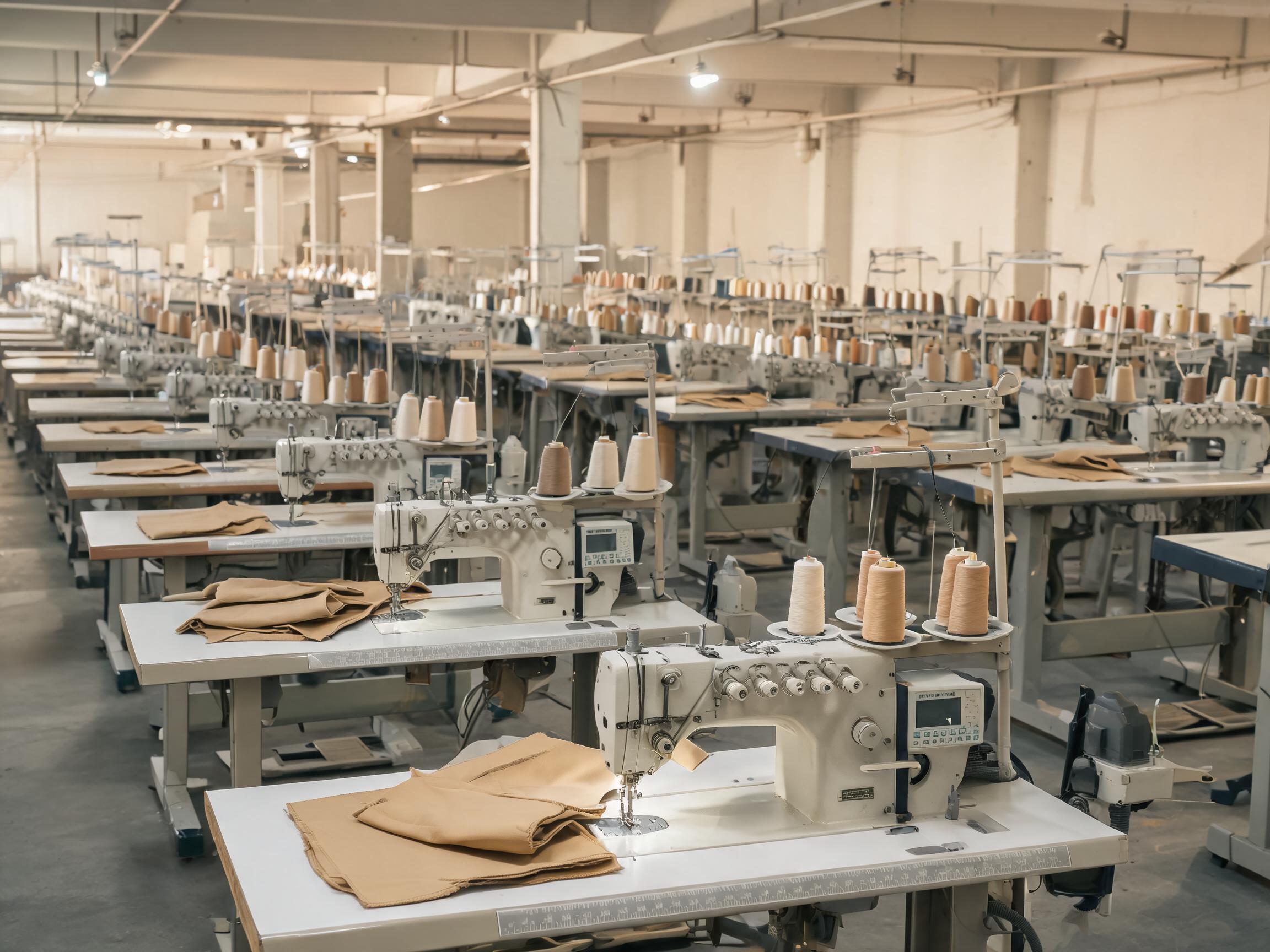
Two practical consequences follow. First, buyers should request tiered quotes rather than a single figure, so the effect of a larger consolidated commitment is visible. Second, a factory that handles cutting, sewing, assembly and inspection under one roof can schedule a consolidated programme more tightly than one that outsources stages. Wellmax operates a 12,000 m² one-roof facility in Fujian, founded in 2013, with about 320 staff, roughly 150,000 pieces per month and buyers in more than 40 countries.
Volume tiering is a commercial conversation, not a published threshold. The honest approach is to describe the programme you can realistically commit to and ask the supplier to price that commitment.
Inspection, Compliance and Incoterms
Three more variables belong in the quotation request, because they change cost without changing the product.
- Inspection: whether the buyer requests their own third-party inspection during production or before shipment affects scheduling and, in some programmes, cost.
- Factory compliance: Wellmax holds ISO 9001:2015 and BSCI at company and factory level. These are factory-level credentials, not product-level certifications, and buyers should phrase them that way in their own documentation.
- Incoterms: the chosen term changes what the quoted figure includes, from factory gate through to a named destination. Comparing quotes quoted on different Incoterms is a common and avoidable mistake.
What to Confirm Before Requesting a Quotation
| Input | Why it matters to the quote |
|---|---|
| Shell material family (PC, ABS, PP) | Sets mould behaviour, finish options and material positioning |
| Shell colour and texture | Affects colour changeover and surface finishing |
| Hardware grade: trolley, zipper or frame, lock | Widest single cost range inside one silhouette |
| Wheel system | Assembly type and housing construction vary by grade |
| Interior layout and lining | Structural interior work changes assembly labour |
| Branding items | Molded logos, printed panels, hang tags, packaging |
| Order volume and SKU consolidation | Spreads setup and tooling across more pieces |
| Inspection and Incoterms | Changes both the schedule and what the figure covers |
Frequently Asked Questions
Why do two suppliers quote different prices for the same drawing?
Usually because the hardware grade, wheel specification, interior detail or Incoterms differ, or because one quote assumes a larger consolidated volume. Ask for a line-item breakdown before comparing the totals.
Does shell colour affect the price?
It can, through colour changeover and finishing. The effect depends on how the colour sits within a larger production schedule, which is one reason consolidated programmes are worth discussing.
Can I mix several sizes in one order?
Mixed-SKU programmes are normal in custom luggage. The commercial question is the total volume the factory can plan together, so it is worth describing the full range rather than one size.
What lead time should I plan for?
As a reference point, the PC hardshell trolley case above runs at 30–35 days lead time with an MOQ of 300 pcs. Lead time for other specifications should be confirmed against the actual programme.
Next Step
The fastest way to a comparable quotation is a short specification brief: shell family, hardware grade, wheel system, interior layout, branding items, expected volume and Incoterms. Send that brief and ask for tiered pricing so the effect of volume is visible. For buyers who already know the silhouette, the 28-inch PC spinner and the aluminum-frame checked set are useful reference points to anchor the conversation.