OEM Trolley Case Manufacturing
You have approved the sample. The design file is agreed, the materials are confirmed, and the commercial terms are set. What happens next determines whether the bulk order matches that approved sample — or drifts from it. This article covers the stages after sample approval: design handover to tooling, shell molding, frame and wheel assembly, in-process QC, finished-product inspection, and what to verify during a factory audit when you are sourcing trolley cases under an OEM arrangement.
- Design handover is not just sending a file — it is a controlled transfer of the approved sample's specifications, tolerances, and reference points to the production and QC teams.
- Tooling and shell molding set the dimensional consistency of the entire order; this is where the first bulk-stage checks matter most.
- Frame and wheel assembly are the highest-risk areas for trolley cases, because they carry the load and take the most handling stress.
- A factory audit should confirm that in-process checks, functional tests, and final inspection happen on your order — not only at the sample stage.
- Wellmax Luggage, an OEM/ODM luggage manufacturer in Fujian, China, operates a 12,000 m² facility with about 320 staff and a capacity of roughly 150,000 pieces per month. Its ISO 9001:2015 quality management and BSCI audit cover company-level design, manufacturing, and sales processes.
From approved sample to production: the design handover
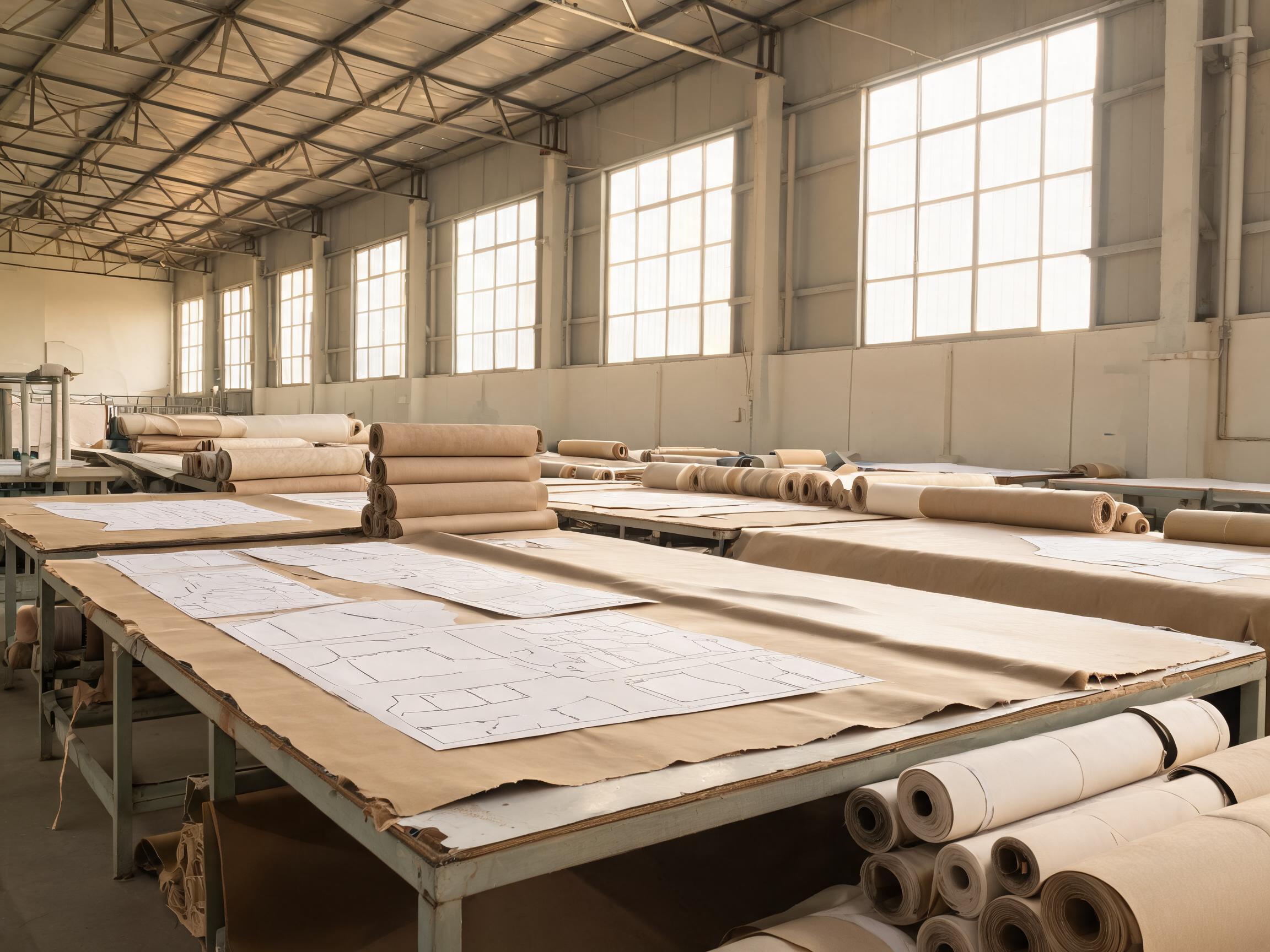
The approved sample is a physical reference, but production runs on specifications. A controlled design handover converts that sample into instructions the factory floor can follow. For a trolley case, the handover package typically includes:
- Shell drawing with material type, thickness, and color reference (for example, a polycarbonate shell or a PC hardshell).
- Frame and telescopic handle specifications — tube diameters, retracted and extended positions, locking mechanism, and handle grip material.
- Wheel assembly details: wheel type (single or double spinner), wheel diameter, axle fitting, and housing attachment method.
- Zipper specification: type, length, puller style, and closure method.
- Lining, internal straps, and divider configuration.
- Logo placement, labeling, and packaging requirements.
What matters for the buyer is not the list itself but the sign-off. Before tooling begins, the factory should confirm that the specification sheet matches the approved sample. If any change is made for manufacturing reasons — a small adjustment to wall thickness, a different wheel housing supplier — it should be recorded and, where it affects fit, function, or appearance, approved by you in writing. This is the point where many OEM orders either stay aligned or start to drift.
Wellmax Luggage has been an OEM/ODM luggage and bag manufacturer since 2013, with cutting, sewing, assembly, and inspection under one roof. That matters at handover because the teams that will run the line are in the same facility where the sample was made, which shortens the feedback loop between design intent and production reality.
Tooling and shell molding: where dimensional consistency begins
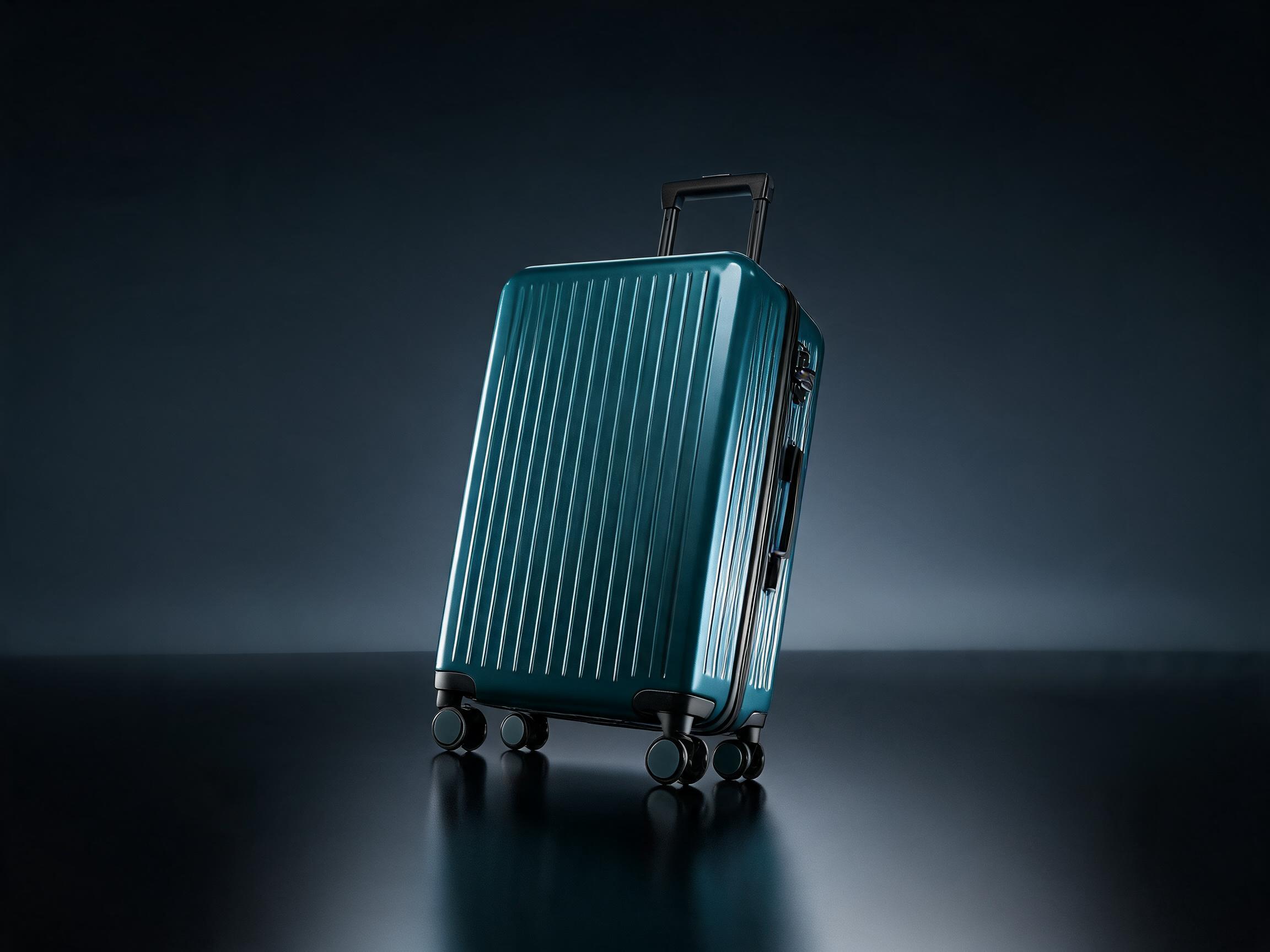
For hardshell trolley cases, the shell mold determines the outer dimensions, corner radii, and surface finish of every unit in the order. Tooling is typically developed and validated against the approved sample before full production. Buyers should ask:
- Was the tooling checked against the approved sample's dimensions, and are those checks recorded?
- What is the first-article inspection process for the molded shell, and who signs it off?
- How are color and surface finish controlled across the production run?
You do not need to specify molding parameters to the factory. What you do need is evidence that the first molded shells were compared with the approved sample and that the comparison was documented. A shell that looks right in photos can still vary in wall thickness or corner strength, and those variations show up later in assembly and in field returns. For softside or hybrid cases, the equivalent stage is pattern and cutting validation, where the sewn panels and frame attachment points are checked before bulk cutting.
Frame and wheel assembly QC: the functional core of a trolley case
The frame and wheel assembly is where a trolley case earns or loses its reputation. These parts carry the load, absorb impacts, and are the first to fail if assembly is rushed. In-process QC at this stage should focus on function, not just appearance.
Wheel assembly checks
- Wheel spins freely without wobble or binding.
- Wheel housing is securely attached to the shell or frame, with no gaps at the mounting points.
- Spinner wheels rotate 360 degrees smoothly in both directions.
- Axle and cap are fully seated and properly fastened.
The Hardshell Trolley Case 28-inch PC Spinner uses four double spinner wheels, which increases the number of moving parts to check per unit. A factory with a defined wheel-function check will test each wheel, not spot-check one per carton.
Frame and handle checks
- Telescopic handle extends and retracts through its full travel without catching.
- Locking mechanism engages positively at each stop position.
- Handle tubes are straight and aligned with the case body.
- Frame attachment points inside the shell are secure and do not protrude into the packing space.
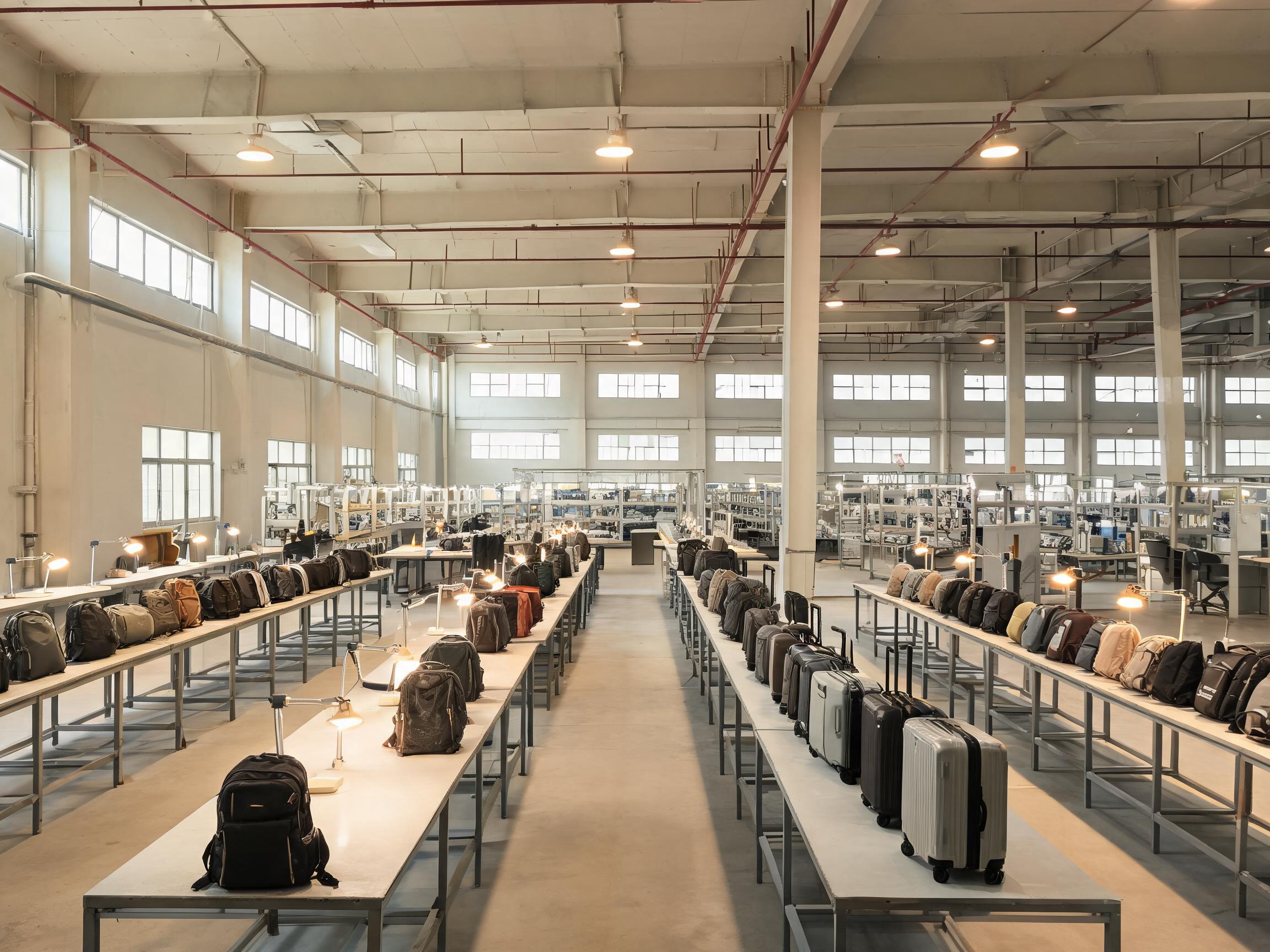
These checks are simple but they are also the ones most often skipped when a line is running fast. Wellmax Luggage builds wheel, handle, and zipper function checks into its workflow before cartons are packed, which means the checks are part of the standard process rather than an optional extra.
Zipper and closure checks
- Zipper runs smoothly along its full length without snagging or skipping teeth.
- Zipper puller is properly attached and moves freely.
- Closure meets cleanly at the ends and does not gap under light load.
For expandable models such as the Expandable Checked Luggage 26-inch, the expansion zipper should also be cycled to confirm the gusset opens and closes without stressing the surrounding stitching.
Finished-product inspection before cartons are packed
Final inspection is the last controlled point before your order is packed. A practical finished-product inspection for trolley cases should cover:
| Check area | What to look for |
|---|---|
| Appearance | Shell surface free of scratches, dents, or color deviation; stitching straight; logo positioned as approved. |
| Function | Wheels roll and spin; handle extends, locks, and retracts; zipper opens and closes smoothly. |
| Assembly integrity | No loose screws, unseated rivets, or gaps at wheel housings and handle mounts. |
| Interior | Lining correctly fitted; straps and dividers secured; no loose threads or debris. |
| Packaging | Protective wrapping in place; carton marking matches order; quantity per carton correct. |
The inspection should be recorded, with defects categorized and a decision on rework, replacement, or concession. If your order includes multiple SKUs — say, a 22-inch cabin size and a 28-inch checked size — the inspection should cover each SKU separately rather than treating the order as one homogeneous batch. The Polycarbonate Cabin Luggage 22-inch and the 28-inch spinner share wheel and handle technology but differ in shell dimensions and capacity, so their assembly checks differ at the shell-fit stage.
What to verify in a trolley case factory audit
When you visit or audit a trolley case OEM factory, the goal is to confirm that the processes described in the quotation actually happen on the floor. A process audit for this product category should look at:
- Design handover records: Can the factory show a signed specification sheet and sample approval for a recent order?
- Tooling and first-article checks: Are molded shells compared with the approved sample, and is that comparison documented?
- In-process QC stations: Are there defined checkpoints at wheel assembly, handle assembly, and zipper closure?
- Functional test setup: Is there a station where wheels are spun, handles cycled, and zippers run before packing?
- Final inspection records: Are inspection results recorded per order, with defect categories and dispositions?
- Traceability: Can a packed carton be traced back to the production batch and the inspection record?
- Quality management system: Does the factory hold a current ISO 9001:2015 certificate covering design, manufacturing, and sales? Is it audited under a social compliance scheme such as BSCI?
Wellmax Luggage holds ISO 9001:2015 certification and is BSCI-audited, both at the company and factory level, covering design, manufacturing, and sales processes. For buyers preparing an audit, these are useful baseline credentials to verify — but they do not replace a look at the actual QC records for your order.
The factory's scale can also inform the audit. A 12,000 m² facility with cutting, sewing, assembly, and inspection under one roof and about 320 staff is easier to audit as a single supply chain than a fragmented one. When sampling is part of the standard OEM/ODM order cycle, as it is at Wellmax, the sample and the bulk production share the same process infrastructure — which reduces the gap between what you approve and what you receive.
FAQ for buyers placing trolley case OEM orders
How long does a trolley case OEM order take after sample approval?
Lead time depends on tooling requirements, material availability, and order quantity. For the example product referenced in this article's product links, MOQ is 300 pcs and lead time is 30–35 days. Confirm the schedule for your specific specifications before placing the order.
What should I check first when auditing a trolley case factory?
Start with the design handover and in-process QC records. If the factory cannot show documented checks at wheel assembly and final inspection, the sample you approved may not represent bulk production.
Can I specify wheel and handle tests in the order?
You can and should specify the functional checks you expect at assembly and final inspection. The factory should confirm whether those checks are already part of its standard workflow or need to be added for your order.
Next step
If you are preparing to place a trolley case OEM order or schedule a factory audit, request the latest product specifications, QC documentation, and process descriptions for the models you are considering. Wellmax Luggage works with buyers in more than 40 countries and can provide the relevant factory-level credentials and inspection records at the quotation stage.