Buyers sourcing sports bag wholesale assortments face two very different selling scenarios that pull the product mix in different directions: outfitting teams and clubs with coordinated kit, and filling retail shelves with a range that lets individual shoppers self-select. Getting the category ratios, fabric specifications and OEM order terms right before sampling starts is what separates a profitable program from a slow-moving one. This article walks through the five decisions that shape a 2026 sports bag order.
- Team programs concentrate volume in one or two silhouettes; retail needs breadth at lower quantities per style.
- Specify denier, base-fabric weight and reinforcement zones before sampling.
- Shoe/wet compartments and ventilation are the features that differentiate a serious sports bag.
- Numbering and logo work require complete artwork and number ranges before sampling.
- MOQ is 500 pcs per style; lead time is typically 30–35 days after sample approval.
1. Category Mix: Team Programs vs Retail Shelves
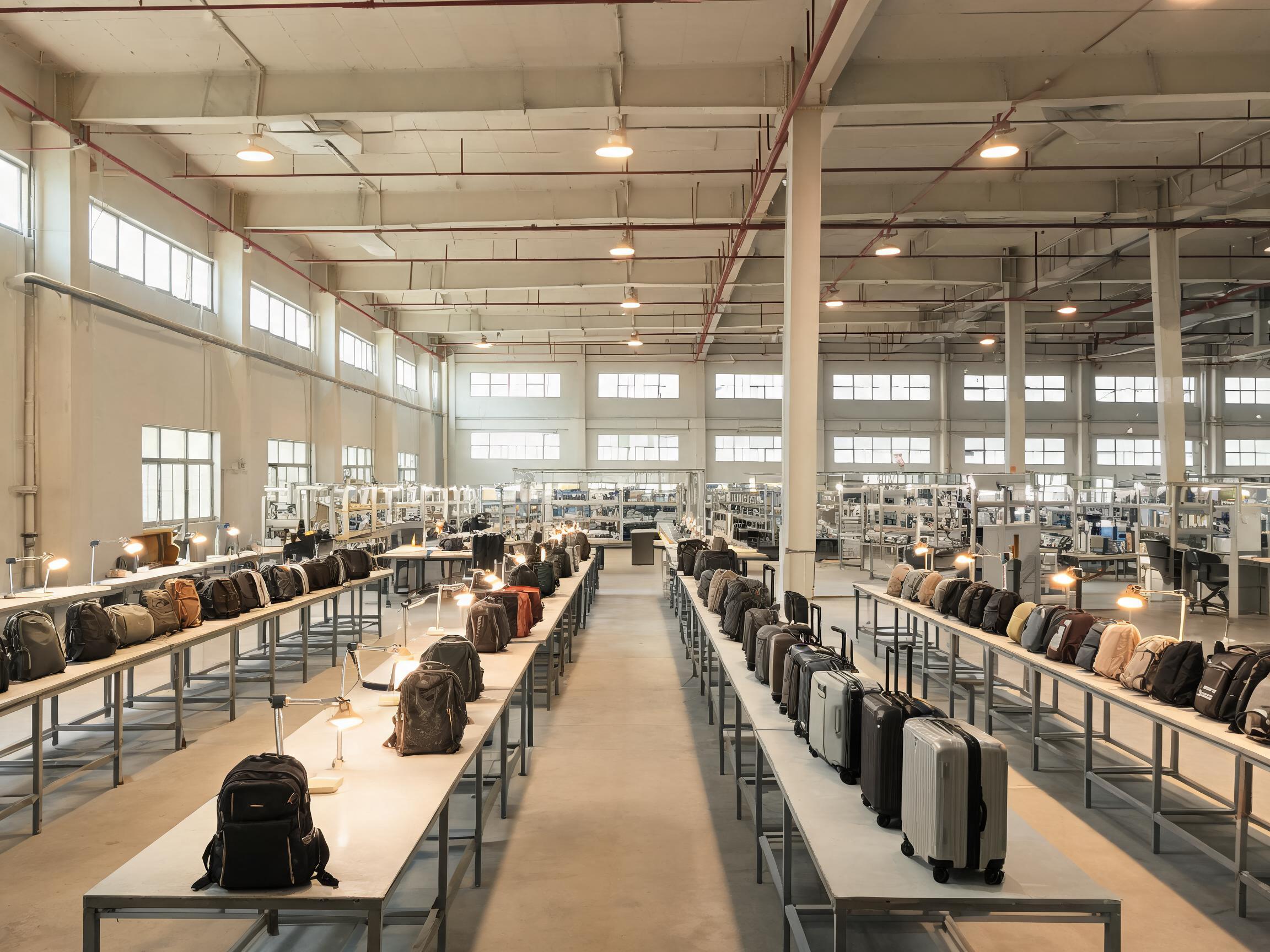
A complete sports bag assortment typically spans four categories: large equipment duffels for balls and protective gear, gym or kit bags for daily training use, backpack-style sports packs for commuting players, and accessory pouches for valuables, grips or toiletries. How you weight these depends on your channel.
Team and club programs concentrate volume in one or two silhouettes. A typical club order might run 60–70% equipment duffels or kit bags — the bag every player receives — with the remainder split between backpack-style packs for junior squads and a small run of accessory pouches as add-ons. Uniformity matters here: same fabric, same colorway, same logo placement across the squad, so buyers should keep the SKU count low and the per-style quantity high.
Retail shelves need breadth instead. A wholesale assortment for sporting-goods stores works better with more styles at lower quantities per style — several duffel sizes, a couple of backpack options, and entry-level kit bags at different price points. Backpack-style sports packs earn their spot in retail because they double as school and commute bags; constructions like the Technical Daypack 25L Water-Resistant or the Outdoor Hiking Pack 40L illustrate the size classes and carrying systems that translate well into a sports range.
As a practical rule: define your ratio by units sold per end user, not by SKU count. A team program is one bag per player; a retail assortment is a choice architecture where every shelf slot needs a distinct position.
2. Fabric Durability: What to Specify Before Sampling
Sports bags take more abuse than travel luggage — dragged across changing-room floors, stuffed with wet gear, thrown in team buses. Discuss these specification points with your supplier before the sample stage:
Denier and fabric weight
Ask the supplier to confirm the denier and base-fabric weight for each style in the quote. Higher-denier nylon or polyester is the norm for equipment duffels; lighter weights are acceptable for accessory pouches. For reference, the current catalog already runs water-resistant nylon on the Outdoor Trekking Backpack 35L, and ballistic nylon with reinforced metal corners on the Ballistic Nylon Pilot Case — both are useful durability benchmarks when discussing what grade of fabric your program needs.
Abrasion-prone zones
Specify reinforcement where failure shows up first: the base panel (always in contact with the ground), strap anchor points (where load concentrates), and zipper tape (where fabric flexes against the coil). Ask whether these zones can carry a heavier fabric, a second fabric layer, or bar-tack stitching in the sample.
Stitching and seam construction
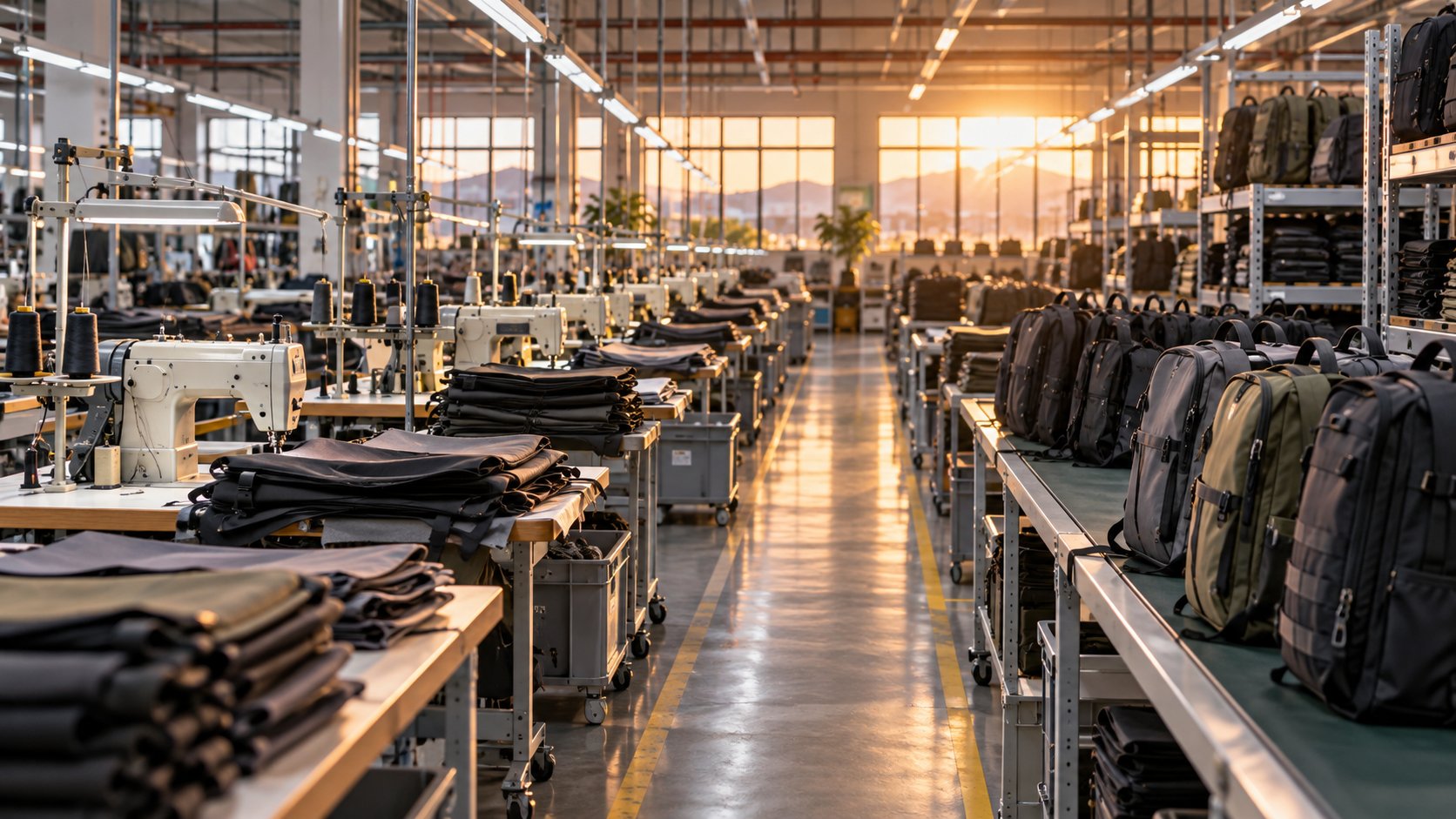
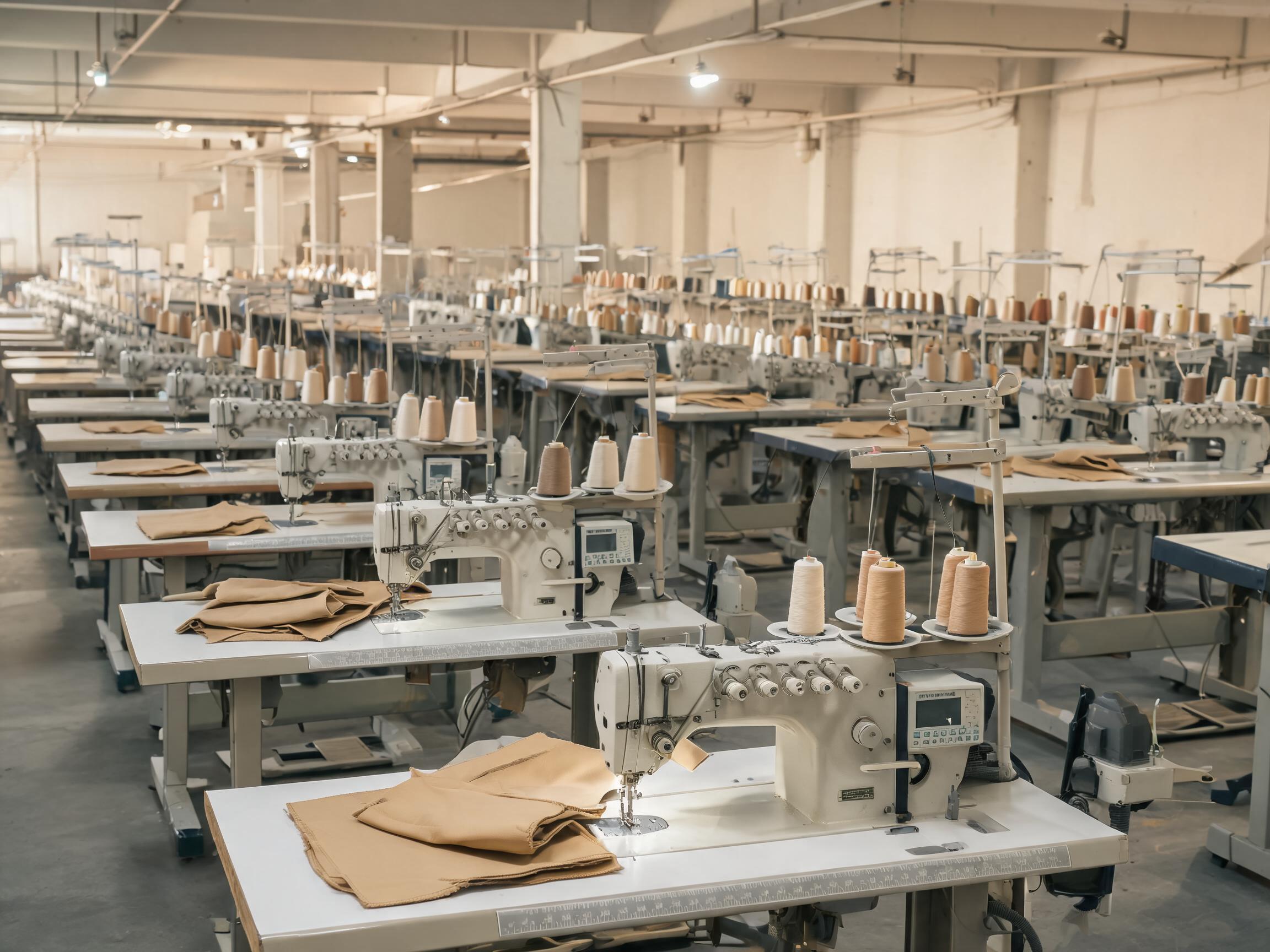
Request reinforced stitching at stress points and ask for a sample you can physically pull apart. A supplier with dedicated sewing lines and finished-product inspection before packing — the standard workflow at a manufacturer like Wellmax Luggage, where cutting, sewing, assembly and inspection run under one roof — can usually show you exactly where reinforcement is applied on the production line:
3. Shoe Compartments and Ventilation
Used-kit storage is the feature that most differentiates a serious sports bag from a generic duffel. Define your requirements explicitly:
- Separate shoe or wet compartment: a zipped end panel or bottom section that isolates damp footwear and kit from dry clothing. Confirm whether it runs the full width of the bag and whether it is accessible from outside.
- Mesh panels and airflow: mesh windows or grommets on the wet zone reduce trapped moisture and odor. Ask the supplier to show how ventilation is positioned so it does not leak water onto the main compartment.
- Interior materials: confirm whether the wet compartment lining can be specified as a wipe-clean or water-resistant material — a detail best settled in sampling.
For programs where total waterproofing matters more than breathability — water sports, outdoor training in wet climates — constructions like the welded-seam, roll-top approach used on the Roll-Top Waterproof Backpack 30L show what fully sealed construction looks like; discuss whether a sealed wet zone fits your program budget.
4. Numbering and Logo Work for Team Orders
Team programs live or die on the personalization work, and this is where buyers must arrive with complete information. Before sampling, define:
- Number ranges: which squad numbers the order covers, how many of each, and whether names accompany numbers.
- Name and logo placement: exact positions on the bag — front panel, end panel, strap — and sizes relative to the panel.
- Artwork files: supply vector logo files and a color spec so the supplier can match your brand direction precisely.
Then use the sample stage to confirm two things the supplier must verify: which decoration methods are feasible for your fabric and artwork, and how durable the result is after repeated abrasion and washing. Wellmax operates an in-house design and development studio that prepares samples and selects materials, and OEM customization of fabric, color, lining and hardware is confirmed with the team before sampling begins — so treat decoration feasibility as a sampling question, not an assumption. Branded packaging and hang tags are available on request, which matters for retail assortments that need shelf-ready presentation.
5. OEM Terms and Season Timing
Lock the commercial framework early. Key terms to agree:
- MOQ: Wellmax's standard catalog minimum is 500 pcs per style — workable for team programs concentrated in few styles, and a reason retail buyers should plan assortments around styles that can each hit the minimum.
- Lead time: typical quoted timing is 30–35 days after sample approval and order confirmation, with final timing dependent on volume and production schedule.
- Inspection: third-party inspection is supported; agree which agency and AQL standard apply before production starts.
- Incoterms: preferred terms are confirmed per destination — align these with your freight forwarder early.
Schedule backwards from season start. If kits must reach a club before the first fixture, add sampling time, sample-approval rounds, shipping and customs clearance to the 30–35 day production window — and confirm the factory's slot for your volume during peak season, when capacity across the industry tightens. Orders placed after season deadlines usually mean paying air freight or starting the program mid-season.
Frequently Asked Questions
Can we mix team-program and retail styles in one production order?
Yes, provided each style meets the 500 pcs minimum. Many wholesale buyers combine a concentrated team order with one or two retail-position styles to spread tooling and freight costs across a single shipment.
What artwork files should we prepare for numbering and logo work?
Supply vector files (AI, EPS or PDF) for logos and a full list of squad numbers with quantities per number. The supplier confirms feasible decoration methods and durability during sampling.
How do we verify fabric durability before committing to mass production?
Ask for a physical pre-production sample, check reinforcement at the base panel, strap anchors and zipper tape, and request written confirmation of denier and fabric weight in the specification sheet.
What compliance documentation is typically requested for school and club tenders?
Beyond product specs, institutional buyers often ask for factory-level documentation. Wellmax Luggage operates an ISO 9001:2015 quality management system covering design, manufacturing and sales of luggage and travel bags, and the production facility has completed a BSCI social compliance audit — worth confirming current certificates when tendering.
Request a Quotation
Planning a sports bag program for 2026? Send your quantity per style, target market and customization requirements — including team numbering, logo work and packaging needs — and the Wellmax team will confirm feasibility, sampling timeline and pricing for your assortment.