Sourcing Guide
Choosing a sports bag manufacturer is less about finding the lowest quote and more about confirming that a factory can hold your spec through a season of hard use. Sports bags and gym duffels live a rougher life than most soft goods: they are stuffed with damp kit, dropped on changing-room floors, loaded into car boots and washed more often than buyers admit. For importers, sporting-goods brands and team-equipment distributors, three areas decide whether a program succeeds: fabric durability, internal structure such as shoe compartments and ventilation, and the commercial terms behind team and club orders. This guide walks through each area from a buyer's perspective and shows what to confirm before you commit to a bulk order.
Fabric durability: what actually separates price tiers
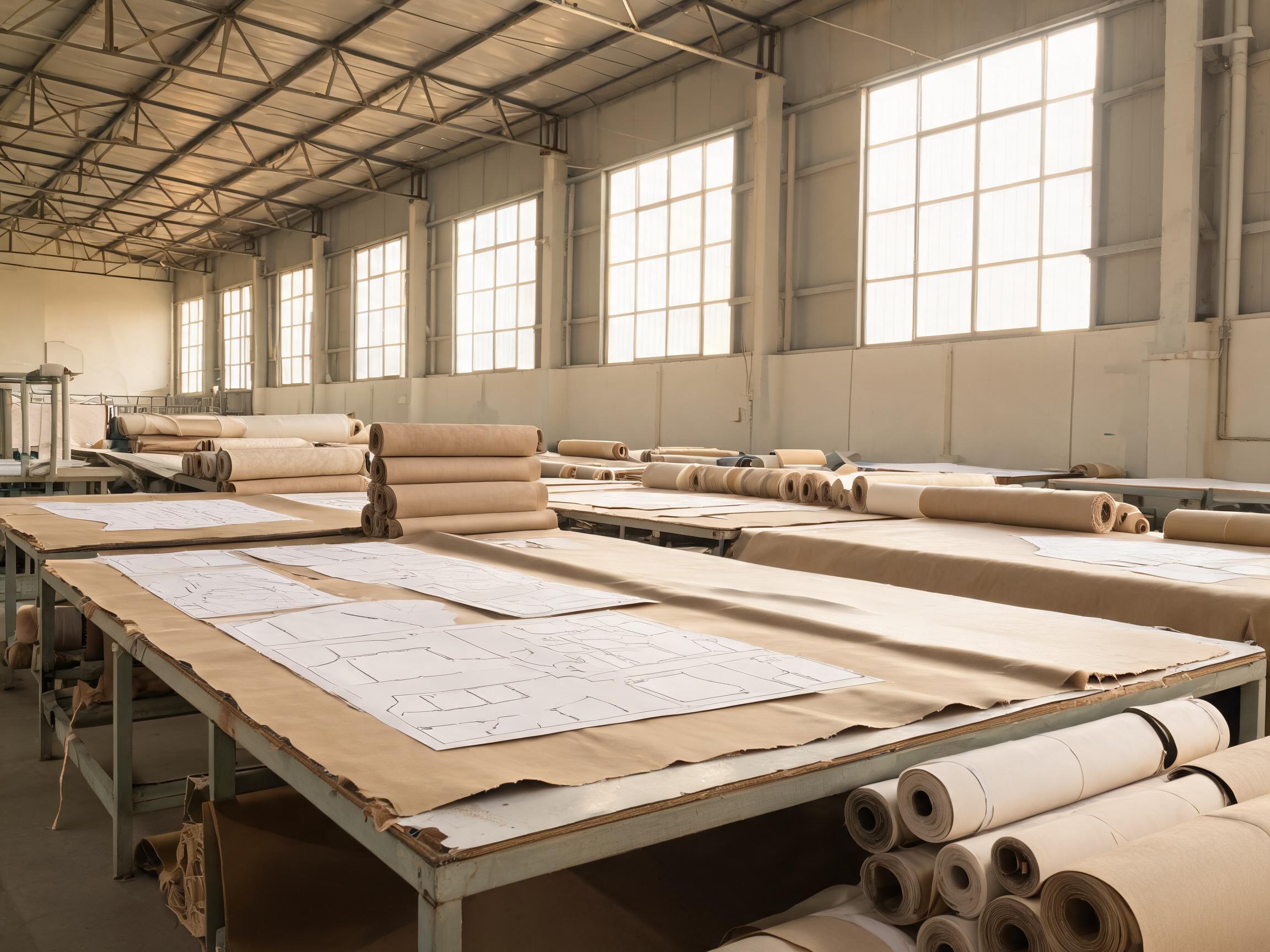
Fabric is the largest cost driver and the most common source of quality disputes, so start there. Manufacturers typically quote sports bags across a small number of fabric families, and each family signals a price tier:
- Entry tier – coated polyester: 300D–600D polyester with a basic PU coating. It is light and inexpensive, works well for promotional and entry-retail programs, and is the level most buyers start sampling at.
- Mid tier – water-resistant nylon: Nylon in 420D–840D with a stronger water-resistant coating. It resists abrasion better than standard polyester and keeps kit drier in light rain. Our own 25-liter Technical Daypack, for example, is built on water-resistant nylon with a padded, breathable back panel and is specified at the product level so buyers can evaluate the fabric against their own price target before sampling.
- Performance tier – TPU-coated or welded construction: For wet-weather and heavy-use programs, coated fabrics with welded or sealed seams move beyond "water-resistant" toward waterproof. Our 30-liter roll-top backpack uses waterproof TPU-coated fabric with a roll-top closure and welded seams — the same construction logic buyers should expect from premium sports duffels exposed to poolside, boat-deck or all-weather use.
- Reinforced workhorse tier – durable polyester with reinforced stitching: For multi-day and load-heavy use, fabric weight matters alongside construction. Our 40-liter hiking pack pairs durable polyester with reinforced stitching at stress points, because the fabric alone does not carry a load — the seam engineering does.
When you compare quotes between sports bag manufacturers, ask two questions for every fabric option: what is the base fabric and denier, and what is the coating level? A quote that says only "polyester" is not a specification. Buyers who lock denier and coating into the sample approval avoid the most common downshift — a factory quietly substituting a lighter fabric between the approved sample and the bulk run.
Ventilated shoe compartments and internal structure
Inside organization is where sports bags differentiate themselves from ordinary duffels, and it is also where factories differ most in pattern-engineering skill. Three structural elements deserve attention in every sampling round:
Separate shoe storage. A dedicated, lined shoe compartment keeps cleats, trainers or gym shoes away from clean clothing. Confirm whether the compartment is side-accessed or end-accessed, whether it is wipeable, and whether it scales with bag size across your range.
Ventilation. Damp towels and used kit generate moisture and odor. Ventilated panels and airflow channels — the same principle behind the ventilated back panel on our 40-liter outdoor pack, which keeps the wearer's back cooler on climbs — can be carried into sports bag designs as breathable zones, perforated lining panels or ventilated end pockets. Ask your manufacturer to show how airflow paths are built, not just that "mesh is included."
Compartment layout. For team programs, layout decisions are merchandising decisions: a wet-kit section, a valuables pocket and quick-access compartments let one SKU serve gym-goers, footballers and swimmers. Our 25-liter daypack, for instance, organizes a main compartment, a padded laptop or tablet sleeve and front organizer pockets — the same multi-zone logic sports bags need, adapted to kit instead of electronics.
Specify compartment positions, zipper types and divider heights in the sample brief. Factories can adjust organization, but only if it is defined before the first sample, not after.
Team and club programs: OEM terms that matter
Sports bags are frequently ordered in structured group programs — a football club's kit package, a tennis academy's season order, a chain of gyms reselling branded gear. These orders stress a different part of the factory than ordinary wholesale, and the terms you negotiate should reflect that.
Customization scope. Confirm early that the manufacturer can adjust fabric, color, organization and branding on the chosen base style. Woven labels, rubber patches, screen printing and branded packaging are the standard branding set we quote on request for OEM programs. Logo placement rules (embroidery vs. print, size limits per panel) should be agreed at sampling, because they affect pattern layout.
Quantity structure and phased shipments. Team orders rarely land as one clean quantity. Clubs add late sign-ups; distributors split deliveries across seasons. Agree in advance how the order is split — an initial production run followed by top-up runs, or one run with phased ex-factory dates. For orientation, published soft-goods styles in our backpack range carry MOQs of 300–500 pieces with standard lead times of 30–40 days after sample approval and order confirmation; your sports-bag program will be quoted against its own spec and volume, but these ranges show how our order cycle is structured.
Sample approval as the contract anchor. In OEM terms, the approved sample plus the written spec sheet is the quality standard for the bulk run. Insist that sampling is part of the formal order cycle — at Wellmax, sampling, tooling, mass production, quality inspection and export are handled as one sequence, so the factory that made your sample is the factory that makes your order.
A practical checklist before you commit
Before signing a sports bag order, confirm these items with your manufacturer:
- Base fabric, denier and coating level, written into the sample spec.
- Shoe compartment design, ventilation approach and compartment layout on the actual sample.
- Branding methods and logo placement rules.
- MOQ, lead time after sample approval, and the phased-shipment structure for team or club top-ups.
- Whether third-party inspection is accepted, and your Incoterms for the destination port.
- Packaging: standard individual polybag plus export carton, or branded packaging quoted separately.
Manufacturing background
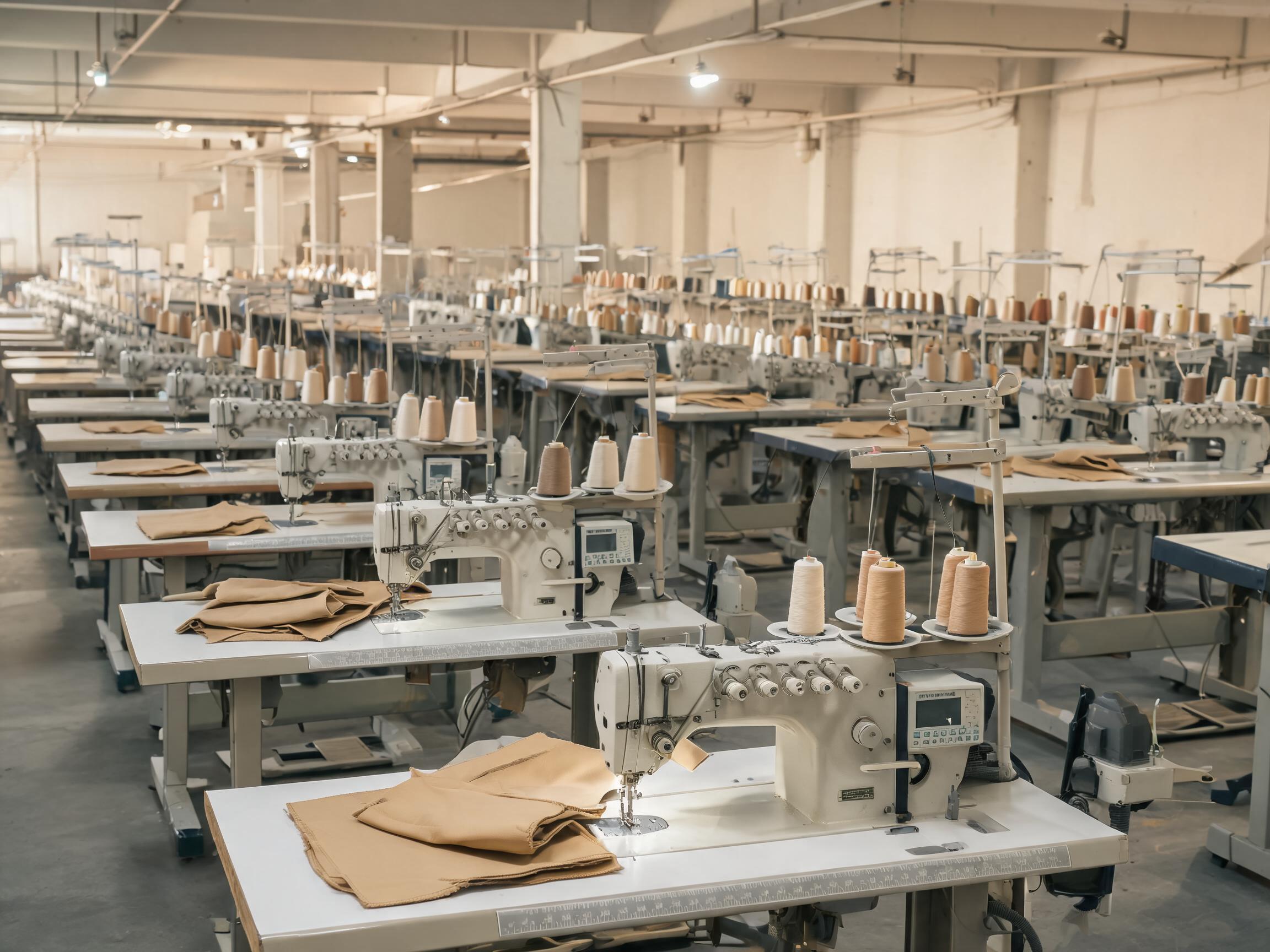
Wellmax Luggage is an OEM/ODM luggage and bag manufacturer founded in 2013 and based in Fujian, China. Our 12,000 m² facility houses cutting, sewing, assembly and inspection under one roof, with a team of about 320 people producing roughly 150,000 pieces per month, and our export sales team supports buyers in more than 40 countries. Our quality management system is certified to ISO 9001:2015, and our facility is audited under the BSCI framework for social compliance; these certifications apply at the company and factory level rather than as product-specific claims. Dedicated sewing lines and finished-product inspection before packing are built into every order workflow.
If you are planning a sports bag or gym duffel program, send us your target spec — capacity, fabric tier, shoe compartment requirements and branding plan — and our export team will return a quotation and sampling plan for your review.
Keywords: sports bag manufacturer