Buyer Decision Guide
You need 200 canvas totes for a pop-up launch, a corporate wellness kit, or a first production run that you can actually sell through. Your search for a China tote bag factory likely turned up two types of suppliers: those who won't answer below a few thousand pieces, and those who will, but you're not sure what you're giving up. This guide focuses on small-batch economics—how low volumes change fabric sourcing, sampling, and unit costs—so you can make deliberate choices that keep your margin and your quality intact.
- Why low-volume runs change the cost structure
- Choosing canvas vs nylon vs PU leather for a small production run
- Sampling and tooling decisions that affect your timeline
- Customization elements that stay affordable at low quantities
- Evaluating a small-run factory partner like Wellmax
Why Low Volumes Change the Cost Structure
Bulk orders spread fixed costs across thousands of units. A custom dye lot, a printed logo plate, or a woven label order each carries a setup cost—and at 200 pieces, that setup is divided by 200 instead of 5,000. This is not a reason to avoid small batches; it's a reason to know which costs are fixed and which scale.
Three cost categories behave differently at low volume:
- Fabric minimums. Mills often sell fabric by the roll. A small run may require buying more fabric than you need unless the factory can source from existing stock or combine your order with similar production. The factory's material selection team matters here: an experienced in-house studio knows which fabrics are already on the floor and which require a special order.
- Setup and tooling. Screen printing, embroidery digitizing, and custom hardware molds all have one-time costs. At low quantities, these dominate the unit price. Choosing decoration methods with low setup keeps them manageable.
- Labor and line time. Sewing lines have a learning curve. A 200-piece run may take nearly the same setup time as a 2,000-piece run, so the per-unit labor cost is higher. Factories with dedicated sewing lines and precision cutting under one roof can reduce handling between steps, which helps at small scale.
The practical takeaway: at low volumes, your unit cost is driven by fixed setup and material minimums, not by the cost of sewing one more bag. Design choices that avoid new tooling and use available materials will do more for your margin than negotiating a few cents off labor.
Canvas vs Nylon vs PU Leather: Material Choice for Small Runs
Material selection for a small batch is not just about look and feel. It affects fabric minimums, sampling time, and how forgiving the production process is. Here's how the three most common tote materials compare for low-volume customization.
| Material | Small-batch advantages | Small-batch considerations | Typical tote styles |
|---|---|---|---|
| Canvas (cotton or blended) | Widely stocked; easy to print and embroider; natural texture hides minor stitching variations; samples are fast to make. | Colored canvas may require dye lots; heavier weights can be harder to source in small quantities. | Everyday tote handbags, canvas weekend shoulder bags |
| Nylon (including recycled options) | Lightweight, durable, easy to screen print; often available in standard colors from stock; good for promotional runs. | Limited color range in stock; premium or custom colors may need larger minimums; less structured than canvas. | Packable totes, promotional giveaways, laptop sleeves |
| PU leather | Premium look for boutique brands; consistent color and surface; easy to clean; accepts embossing and foil stamping. | Higher material cost per meter; embossing or debossing requires a metal die (fixed cost); limited to structured designs. | PU leather tote handbags, structured laptop totes |
For a first small run, canvas is usually the most forgiving choice because stock availability and sampling speed reduce two big risks. If your brand positioning calls for a more polished finish, PU leather can work at low volume if you accept that the embossing die is a fixed cost and choose a stock color. Nylon sits in the middle: affordable and practical, but color choices may be limited to what the factory already stocks.
Wellmax's in-house design and development studio selects materials and prepares samples for OEM and ODM programs, which means the factory can advise on which fabrics are available for small runs without forcing you into a large minimum. Their tote-related range includes everyday tote handbags, PU leather tote handbags, canvas weekend shoulder bags, and laptop tote briefcases—so you can see how each material translates into a finished product.
Sampling and Tooling: What to Decide Before You Commit
Sampling is where small-batch projects either gain momentum or stall. A physical sample lets you check fabric hand, seam construction, hardware weight, and print placement. For a low-volume order, the sample cost is a fixed expense you should plan for—but it's also your best defense against a production run that misses the mark.
When you request a sample from a China tote bag factory, clarify these points up front:
- Which materials are stock vs custom-order. If your chosen canvas color is a custom dye lot, the mill may require a minimum that exceeds your entire production run. Ask the factory to confirm what's available from stock before you finalize the design.
- Decoration method and tooling. Screen printing needs a screen per color; embroidery needs a digitized file; embossing needs a metal die. These are one-time costs. Ask whether the factory already has the tooling for a similar design, which can reduce or eliminate that cost.
- Hardware and trims. Zippers, snaps, D-rings, and handles are often available in standard finishes. Custom hardware requires a mold and is rarely economical at low volume. Choose from existing options unless the hardware is central to your brand.
- Sample lead time. Sampling timelines vary by material and complexity. The factory's design studio can give you a realistic schedule once your specifications are clear.
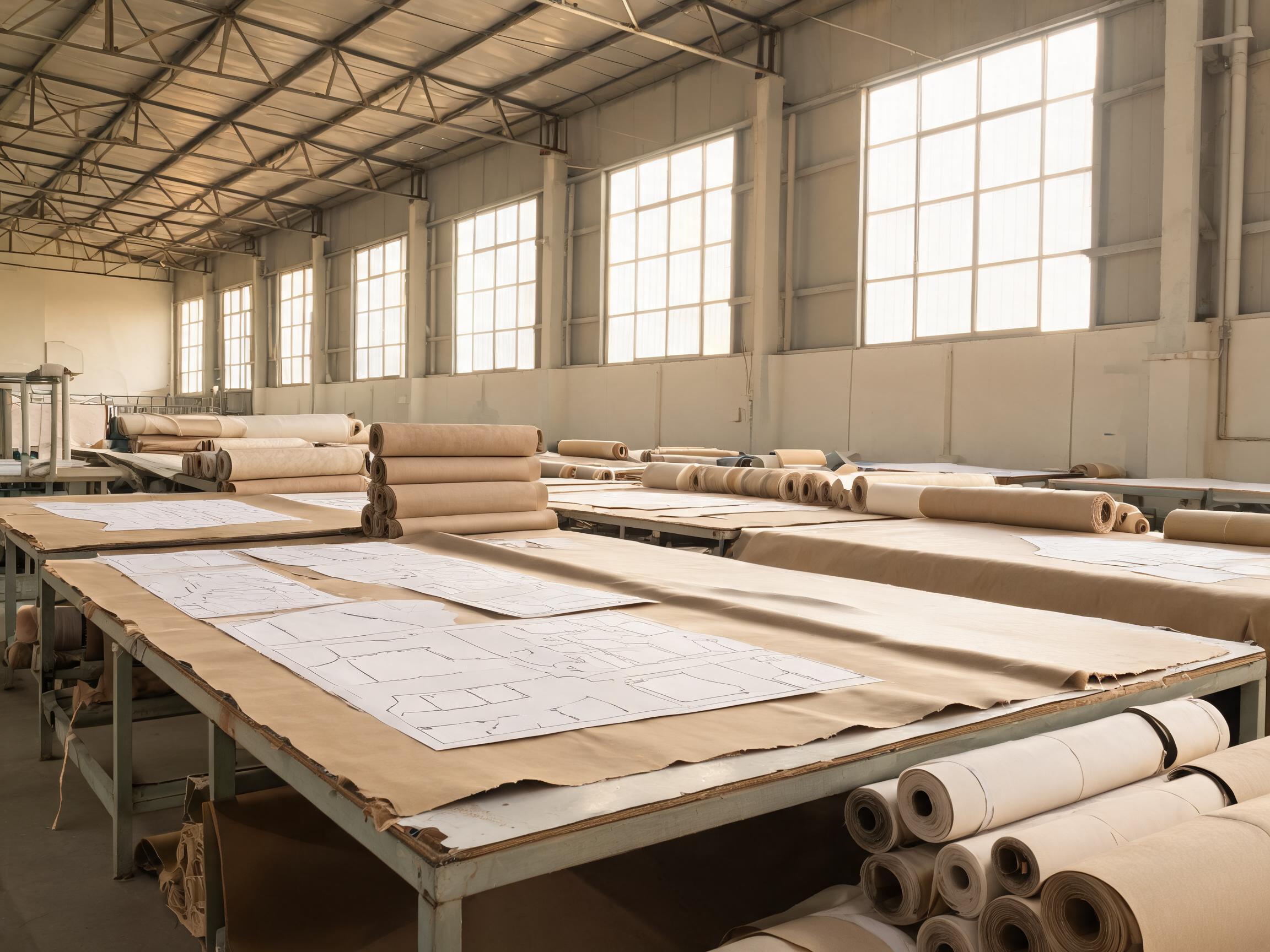
Wellmax operates a 12,000 m² facility with a precision fabric cutting workshop and dedicated sewing lines under one roof. For small runs, this matters because cutting and sewing happen in the same building—reducing the risk of miscommunication between steps and making it easier to schedule a low-volume production slot.
Customization Elements That Stay Affordable at Low Quantities
Not every customization adds the same cost. Some elements scale well; others are dominated by fixed setup. Here's a practical breakdown for small runs.
| Customization | Cost behavior at low volume | Buyer guidance |
|---|---|---|
| Woven label or printed tag | Low setup; scales with quantity | Affordable and high-impact for branding. Order labels in the same run as bags to avoid separate minimums. |
| Screen-printed logo (1–2 colors) | Moderate setup per color; ink cost low | Keep colors to one or two. Multiple colors multiply screens and setup cost. |
| Embroidery | Digitizing fee is fixed; stitch count drives cost | Works well on canvas and nylon. Simple logos with fewer stitches are more economical. |
| Custom fabric color | High risk: dye lot minimums may exceed run size | Choose stock colors. If you must have a custom color, confirm the mill minimum before committing. |
| Custom hardware (molded) | High fixed cost; rarely economical below several thousand pieces | Use standard hardware finishes. If custom hardware is essential, consider it for a later, larger run. |
| Lining and internal pockets | Moderate: adds material and sewing time, but no setup | Increases perceived value. Keep lining to a stock fabric to avoid minimums. |
The pattern is clear: decoration methods with low or no tooling (labels, simple prints) are the most small-batch-friendly. Custom colors and molded hardware are the least. If your design requires one of the expensive elements, consider whether it can wait for a second, larger production run once the product is validated.
Evaluating a China Tote Bag Factory for Small Runs
When you contact a factory about a small-batch tote project, you're not just asking for a price. You're testing whether their production system can absorb a low-volume order without compromising quality or communication. Here are the questions that reveal the most.
- Is cutting and sewing under one roof? Factories with a precision fabric cutting workshop and dedicated sewing lines—like Wellmax—can control quality and scheduling more tightly than those that outsource steps.
- What materials are in stock? A factory with an in-house design and development studio can tell you which fabrics are available for immediate sampling versus which require a mill order.
- Which certifications apply to the facility? Wellmax holds ISO 9001:2015 and has a BSCI audit. These are facility-level credentials that indicate a managed quality system and social compliance—useful when your buyers ask about sourcing standards.
- What is your experience with small runs? A factory that produces about 150,000 pieces per month may still accommodate small batches if they schedule them alongside larger orders. Ask how they handle line changes and material remnants.
- Can you provide references for similar projects? Not all factories can share client names, but they can describe their process for low-volume customization. Listen for specifics about material sourcing, sampling, and quality checks.
Wellmax has been an OEM/ODM luggage and bag manufacturer in Fujian, China since 2013, with about 320 staff and exports to buyers in more than 40 countries. That scale means they have the material relationships and production capacity to support small-batch tote projects—but you should always confirm current minimums, lead times, and material availability for your specific design.
Frequently Asked Questions
Can I get a custom tote bag sample before committing to production?
Yes. Sampling is standard for OEM and ODM programs. The factory's design studio will select materials and prepare a sample based on your specifications. Expect to pay for the sample and its shipping; the cost is separate from production. Confirm the sample lead time when you request it.
What is the most affordable material for a small run?
Stock canvas is generally the most affordable because it is widely available, easy to print or embroider, and forgiving during sewing. Nylon can also be economical if you choose a stock color. PU leather costs more per meter and may require tooling for embossing, so it's usually better suited to designs where the premium look justifies the fixed costs.
How do I keep my per-unit cost down at low volume?
Limit custom colors and molded hardware. Choose stock fabrics and standard hardware. Use one or two screen-print colors or a simple embroidered logo. Add a woven label for branding—it's low-cost and high-impact. Every custom element that requires a new die, screen, or dye lot adds a fixed cost that a small run must absorb.
Can a China factory handle a small custom order?
Some can, especially if the design uses stock materials and standard decoration. The key is to ask directly and be flexible on material choices. Factories that cut and sew under one roof, like Wellmax, are often better positioned to slot small runs into their schedule without excessive setup. Confirm minimums and lead times for your specific design.
Next Steps for Your Small-Batch Tote Project
Small-batch customization is a balance between your brand requirements and the fixed costs that low volumes can't hide. The most successful projects start with stock materials, simple decoration, and a clear sampling process. If you're ready to move forward, prepare a brief that includes your target quantity, preferred material, logo artwork, and any must-have features. Share it with a factory that has an in-house design studio and can advise on what's available for a small run. Wellmax's team can review your specifications and guide you through material selection, sampling, and production planning for your tote bag project.