
Shoe Bag Manufacturer Selection: Dust Bags vs Travel Pouches, Drawstring vs Zippered Closures and Fabric Choices
Footwear brands, hotels and travel accessories retailers all buy shoe bags, but they rarely need the same product. This guide walks through the specification decision in the order a buyer should actually make it.
- Define the use case in writing before requesting quotes, so every quotation is comparable.
- Non-woven, cotton/canvas and nylon/polyester occupy different positions on the durability and structure ladder.
- Drawstring closures suit in-box dust bags; zippers give the containment travel pouches need.
- Lock fabric weight, coating, seam construction, closure hardware and print method in a written spec, then approve a physical pre-production sample.
Footwear brands, hotels and travel accessories retailers all buy shoe bags, but they rarely need the same product. A bag that protects a leather pair sitting in a shoebox on a retail shelf is a different item from a padded pouch that survives being tossed into a suitcase. When you evaluate a shoe bag manufacturer, the first decision is not the logo or the price; it is which job the bag has to do, and that decision drives the fabric, the closure and the whole specification. This article walks through that decision in the order a buyer should actually make it.
Dust Bags and Travel Pouches: Two Different Jobs
A dust bag is an in-box and on-shelf product. Its job is to keep dust and scuffs off the shoe before the customer opens the box, and often to present the brand at the moment of unboxing. It is typically a lightweight, single-layer bag with soft, breathable fabric, minimal or no structure, and a closure that is simple to open. Presentation matters as much as protection here: the fabric hand-feel and the printed logo are part of the product experience.
A travel pouch or shoe travel bag is a transit product. It lives inside luggage or a wardrobe and its job is containment and protection: keeping shoe soles away from clothing, absorbing knocks, and ideally resisting moisture from wet or wiped shoes. These bags usually use heavier fabrics, reinforced panels or light padding, more deliberate construction to hold their shape, and a more secure closure, often a zipper. A common sourcing mistake is asking for one specification to serve both roles; the result is usually a dust bag that is too expensive and a travel pouch that is not protective enough.
Before contacting suppliers, define the use case in writing: where the bag will be used, what it must protect against, which shoe sizes and heel heights it must fit, and whether it is sold separately or supplied inside the shoebox. That single paragraph will make every quotation you receive comparable.
Fabric Choices: A Comparison Ladder
Shoe bag fabrics sit on a ladder from soft and economical to durable and structured. The table below compares the three most common families in general terms; treat it as a starting point for supplier conversations rather than a specification.
| Fabric family | General behaviour | Typical fit |
|---|---|---|
| Non-woven fabric | Very light and economical; soft hand-feel; breathable in most constructions; limited durability and abrasion resistance; accepts screen printing well; little structure | Dust bags supplied inside footwear boxes; hotel room use; single-pair protection where presentation outweighs longevity |
| Cotton and canvas | Natural, premium hand-feel; good breathability; moderate durability depending on weight; limited water resistance unless treated; strong surface for branding and premium print effects | Fashion and premium footwear brands where unboxing presentation is part of the brand; boutiques and hospitality gifting |
| Nylon and polyester | Strongest and most abrasion-resistant of the three; tends toward better water resistance, especially with coatings; holds structure better; print methods vary and some finishes need testing | Travel pouches and multi-pair bags; retailers of travel accessories; athletic and outdoor footwear programs |
Ask every supplier to quote against written specifications: fabric weight and composition, whether any coating or finish is applied, seam construction, closure hardware, and printing method. Two bags that look similar in a photo can differ significantly in fabric weight and coating, and those differences are exactly what a written spec will expose.
Closures: Drawstring vs Zippered
The closure is where cost, security and brand presentation collide. Drawstring closures are inexpensive, quick to open and easy to use at retail, and they suit dust bags perfectly: a customer pulls the bag open in one motion. Their weakness is security and containment; a drawstring bag can gape open, and its contents can shift out in transit.
Zippered closures give full enclosure, which matters for travel pouches that must keep soles contained inside a suitcase. Zips also carry a perception of quality, but they add cost and weight, and a poor-quality zip is the most likely point of failure on an otherwise good bag. If you specify a zipper, ask the supplier which zip type and puller they intend to use and confirm it on the sample, not just on paper.
A practical rule: dust bags for in-box use usually justify a drawstring; travel pouches and anything carrying a brand promise beyond the box usually justify a zip. Middle options exist, such as drawstring designs with reinforced toggles, and a manufacturer with a design studio can propose variants during sampling.
Shoe Brand Packaging Programs
For footwear brands, the bag is normally supplied inside the shoebox as part of the packaging program, which creates specific requirements. A shoe line spans many sizes and shapes, from low sneakers to tall boots, so most brands define several bag sizes rather than one. Map your size range before sampling: the bag must accommodate the largest pair in the size run it serves without excess bulk on the smallest.
Logo application is the other core decision. Screen printing, heat transfer and embroidered or woven elements each behave differently on the three fabric families, and the same artwork may need different methods on cotton versus nylon. Provide vector artwork and ask the supplier to recommend a printing method per fabric, then approve a printed physical sample rather than a mockup.
Specifications are normally locked through pre-production samples. The sequence is straightforward: agree dimensions, fabric, closure and print method; receive and approve a sample, often with one revision round; then treat the approved sample as the binding reference for mass production and inspection. Anything not visible on the approved sample is a source of dispute later.
OEM Sampling and Confirmation Terms to Agree Upfront
Before committing to a shoe bag manufacturer, put the process terms in writing. At minimum, confirm: how many sample rounds are included and who pays for each; whether a size set or a sample in your largest and smallest sizes will be made; the exact printing method and artwork requirements; the packing method, including how bags are folded, polybagged and carton-packed; and what finished-product inspection is performed before shipment and whether third-party inspection is allowed.
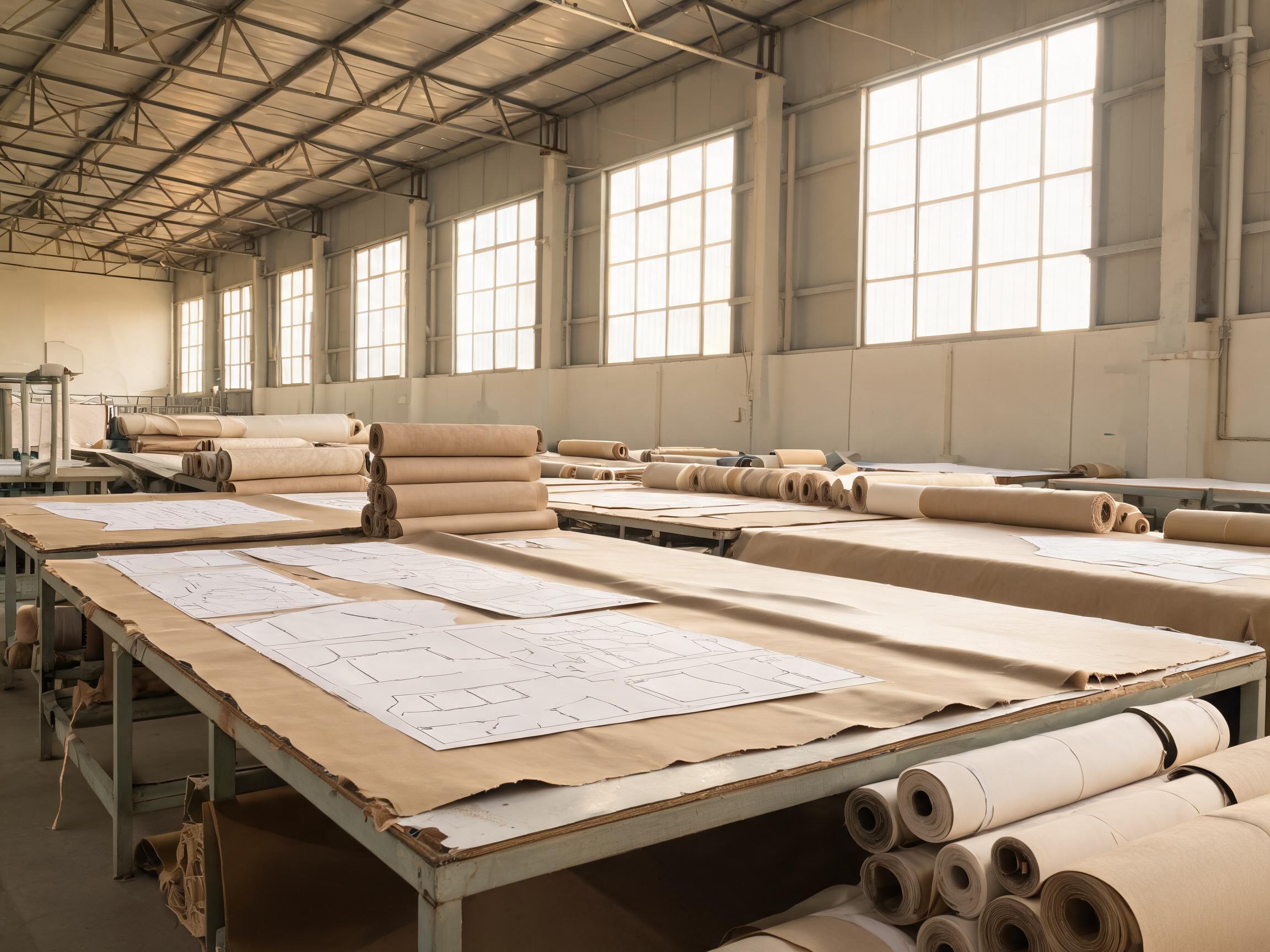
A full-cycle partner reduces coordination risk here, because sampling, cutting, sewing, inspection and export packing sit under one roof. As an example of what that looks like in practice: Wellmax Luggage, an OEM/ODM manufacturer in Quanzhou, Fujian, has an in-house design and development studio that prepares samples and selects materials for OEM and ODM programs, precision fabric cutting with pattern layouts for consistent panels, dedicated sewing lines, and finished-product inspection stations before packing and shipment, with an export team serving buyers in more than 40 countries. Wellmax's ISO 9001:2015 certification covers the design, manufacturing and sales of luggage and travel bags, and a BSCI audit covers its production facility and working conditions. Note that this is a soft-bag manufacturing capability applied across categories; whether a specific supplier offers your exact bag configuration should always be confirmed through sampling rather than assumed from a catalog.
Frequently Asked Questions
How do hotels and footwear brands differ in specifying the same bag?
Hotels typically order one or two uniform sizes, prioritize softness, a quiet premium look and repeat reorders at consistent quality, and often prefer simple drawstring closures. Footwear brands order across a size run, tie the bag to packaging and unboxing standards, and usually need tighter control of print quality and color matching. The same factory can serve both, but the specification documents will look very different.
How should I evaluate a manufacturer's sample pack?
Judge the sample pack against your written spec, not against impressions. Check fabric weight and hand-feel, seam and stitching consistency, closure operation after repeated use, print registration and color against your artwork, and whether the largest shoe in your range actually fits. A good pack also tells you how the supplier communicates: response speed and willingness to explain construction choices are worth weighing as you plan production-stage coordination.
Can one supplier handle both dust bags and travel pouches?
Often yes, since the cutting, sewing and inspection processes overlap heavily, but the two items should be quoted and sampled separately. Confirm the supplier's experience with the heavier, structured construction a travel pouch needs before assuming the dust bag capability transfers.
Next Step
If you are defining a shoe bag program, the fastest path is to send prospective suppliers your bag dimensions, fabric preference, closure type and logo artwork, and ask for a sample quotation and evaluation. Wellmax Luggage welcomes such inquiries; feasibility, materials and construction are confirmed through its sampling process before any production commitment is made.