Wholesale Program Guide
A monogram or personalized luggage program is not a single order. It is a structure you run across seasons: a core stock layer that keeps shelves and gift catalogues filled, plus a personalized layer that carries the monogram, the corporate mark, or the retail-chain identity. Get the structure right and repeat orders become routine; get it wrong and every batch turns into a new negotiation. This guide is about that structure, written for retail-chain buyers and corporate gifting program managers who plan to build it with a China factory.
- Why the program should be split into two layers
- Customization tiers, from product-level changes to branded packaging
- Where sampling and inspection sit in a personalized program
- Replenishment planning for repeat programs
- Choosing base products and factory checks
- FAQ
Start with a two-layer program
The most common mistake in personalized luggage wholesale is treating every personalized unit as a made-to-order item. In practice, retail chains and gifting programs work better when the order is split into a core stock layer and a personalized layer.
The core stock layer is the unpersonalized, repeatable product: a defined shell, size, hardware set and packing configuration that the factory can run in batches and hold for repeat use. The personalized layer is what changes per client or per campaign: the monogram, printed panel, molded logo, hang tag, or branded packaging applied on top of the core item.
Splitting the program this way gives buyers two things. First, the core layer can be forecast in volume, which is what allows a factory to plan materials, tooling and production slots. Second, the personalized layer stays flexible, so a corporate gifting client can change names or campaign marks without forcing a full re-specification of the product itself.
Customization tiers: from product level to packaging
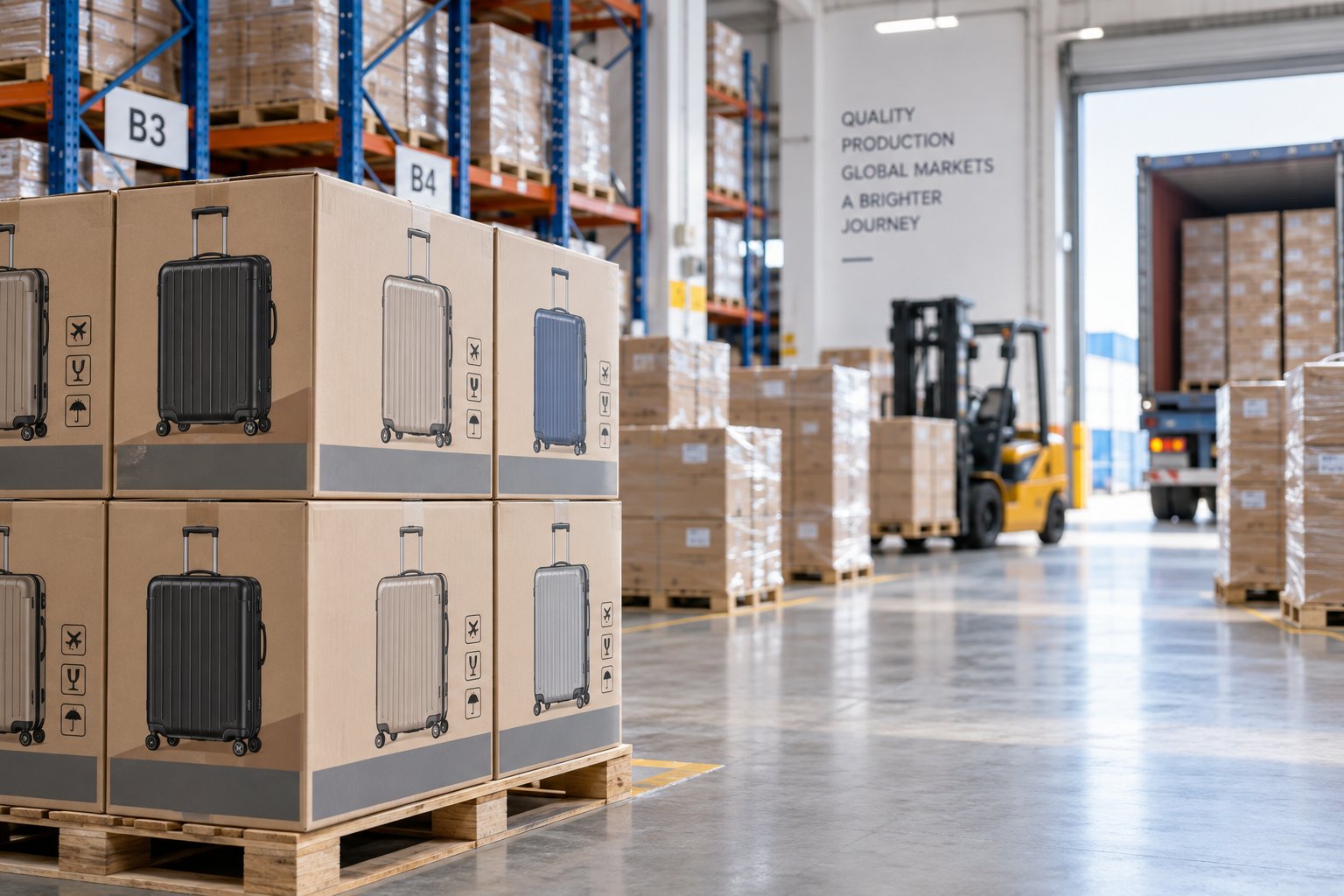
Personalization is not one decision. It is a set of tiers, and each tier has a different impact on lead time, sampling and inspection. At the product level, customization includes shell color and texture, trolley, wheel and zipper hardware, lining color, divider layout and packing straps. Above that sit the identity marks: molded logos and printed panels. Around the product sit the retail-facing elements: hang tags and branded packaging. Handbags, where they are part of the assortment, follow the same logic and can be customized in color, lining and hardware.
A Chinese OEM/ODM manufacturer such as Wellmax Luggage (Fujian, founded 2013, 12,000 m² under one roof, ~320 staff, ~150,000 pieces per month, buyers in 40+ countries) can quote these tiers on request, because they sit inside the normal product-level customization scope rather than in a separate service. The tiers are usually planned in this order:
| Tier | What it covers | Where it is decided |
|---|---|---|
| 1 — Product form | Shell color and texture, lining color, divider layout, packing straps | At product selection, before sampling |
| 2 — Hardware | Trolley, wheel and zipper hardware set | At product selection, confirmed in sample |
| 3 — Identity marks | Molded logos, printed panels | At sampling, once artwork is fixed |
| 4 — Retail elements | Hang tags, branded packaging | At order confirmation, before bulk packing |
Tiers 1 and 2 define the core stock layer. Tiers 3 and 4 define the personalized layer. When a buyer asks for a monogram program, the practical question is which tiers are fixed for the season and which change per campaign. Fixing tiers 1 and 2 gives the factory a stable product to produce; keeping tiers 3 and 4 flexible keeps the program responsive.
Sampling in a personalized program
Sampling is part of the OEM/ODM order cycle, and in a personalized program it does two separate jobs. The first sample, or product sample, confirms tiers 1 and 2: the shell, the hardware, the lining, the divider and the packing straps. This sample is approved as the product reference — it is the item the core stock layer will be built from.
The second job is the personalization sample. This confirms tiers 3 and 4: how the molded logo or printed panel sits on the product, where the hang tag attaches, and how the branded packaging presents the item. For a retail-chain buyer, this is the sample that protects the shelf presentation. For a corporate gifting manager, it is the sample that protects the gift unboxing.
The two samples can be combined in one round if the buyer has already fixed the artwork and packaging specifications at the time of the product sample. Where the personalization is still being decided, keeping them separate is usually faster than holding up the core product sample.
Inspection: what changes when personalization is added
Inspection in a personalized program checks two layers, and it is worth writing both into the inspection plan.
- Core product checks — the same structural and hardware checks you would apply to any standard batch, run against the approved product sample.
- Personalization checks — whether the molded logo or printed panel matches the approved artwork, whether it is positioned correctly, whether the hang tag is correct, and whether the branded packaging matches the approved specification.
The personalization layer is where batch-to-batch variation tends to appear, because it is the layer that changes between orders. Approving a personalization reference sample and keeping it as the inspection benchmark is the simplest way to keep repeat batches consistent. Wellmax Luggage operates under ISO 9001:2015 and BSCI at company and factory level, which supports a documented inspection flow, but the personalization benchmark itself is set by the buyer's approved sample, not by the certificate.
Replenishment for repeat programs
Repeat programs live or die on replenishment. Three things make replenishment predictable.
Keep the core layer unchanged. If tiers 1 and 2 stay stable across seasons, a repeat order is a production run against an existing specification, not a new project. Change the shell or hardware and you re-enter the sampling cycle.
Keep personalization artwork versioned. Store the approved artwork for each campaign or client, with the date it was approved. When a client reorders the same personalization a year later, the factory can match the approved version rather than reinterpret it.
Plan volumes against the core layer, not the personalized layer. Core volumes can be forecast in batches; personalization quantities follow the client's campaign. Mixing the two forecasts is what creates the material-planning problems that show up as late deliveries.
For planning reference, manufacturers in this category commonly quote MOQ 300 pcs and 30–35 days lead time on example products, so a program built around a stable core item is easier to schedule than one that re-specifies per order. Treat those figures as example-product reference points and confirm the specific quotation for your assortment.
Choosing base products and checking the factory
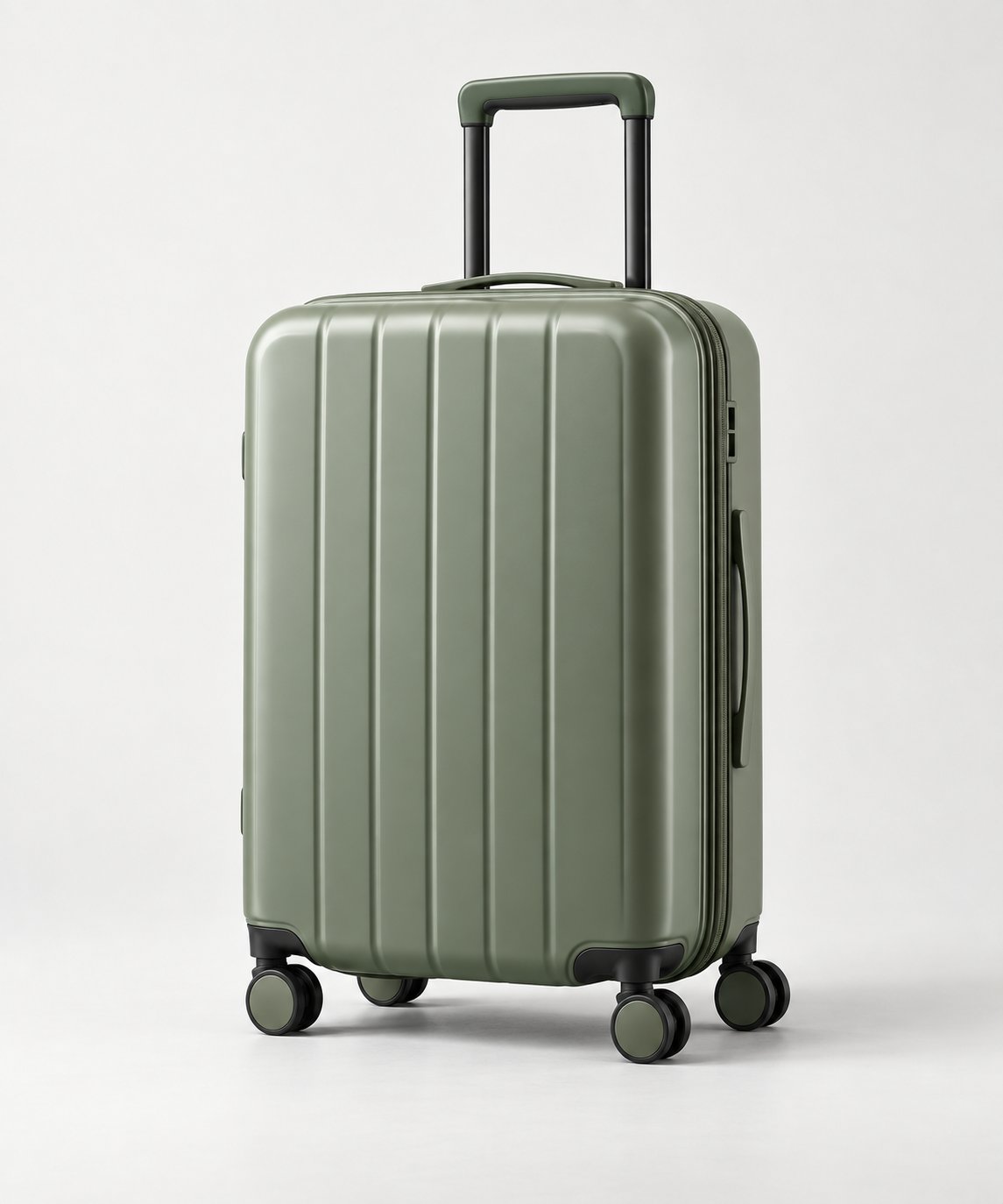
For a monogram program, the base product should be a clean, simple shell that does not compete with the personalization. A solid-color spinner is a good fit for this: it accepts shell color changes, hardware changes and identity marks without visual clutter. Three published options illustrate the range:
- Solid-color spinner luggage, 24 inch — a versatile base for private-label branding and the strongest fit for a monogram program.
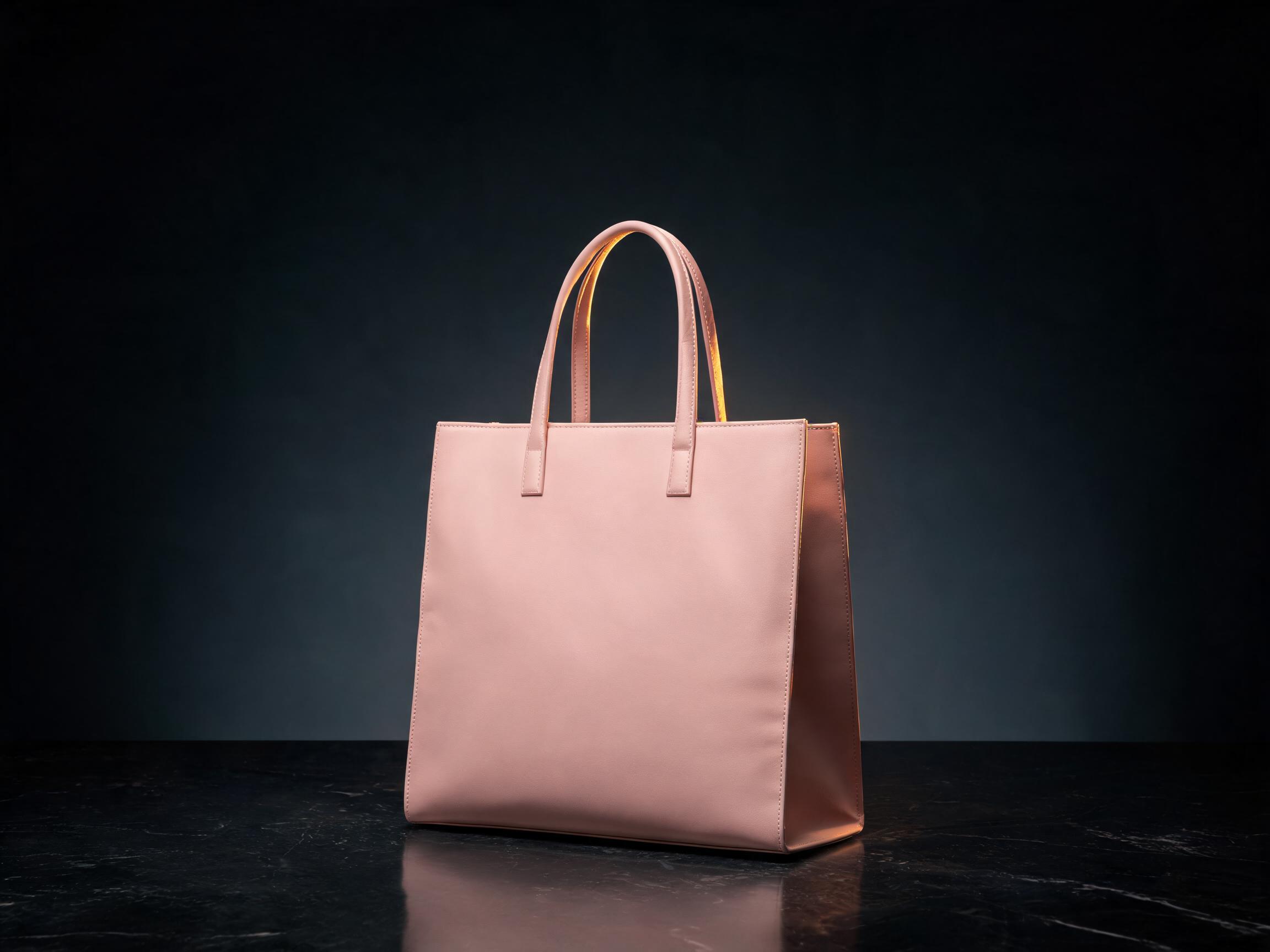
- Structured PU tote handbag — customizable in color, lining and hardware, useful when the program includes a companion bag.
- Aluminum-frame checked luggage set — a premium option for corporate gifting assortments where a higher-end item is required.
On the factory side, the checks that matter for a program (rather than a one-off order) are capacity, certification scope and whether the factory handles export sales inquiries, quotations and order follow-up through one team. Wellmax Luggage runs a 12,000 m² one-roof facility with ~320 staff and ~150,000 pieces per month, holds ISO 9001:2015 and BSCI at company and factory level, and serves buyers in 40+ countries. Those are company and factory-level facts; confirm that they cover your specific product and program before you commit volumes.
FAQ
Can a monogram program be run on a core stock item?
Yes, and that is the usual structure. The core item is produced to a fixed product specification, and the monogram is applied as part of the personalized layer. This keeps the core product stable while allowing the personalization to change.
Does personalization change the sampling process?
It adds a personalization sample on top of the product sample. The product sample confirms shell, hardware, lining and packing straps; the personalization sample confirms molded logos, printed panels, hang tags and branded packaging.
What should be inspected on a personalized batch?
Both layers. Structural and hardware checks run against the approved product sample, and personalization checks run against the approved personalization sample — artwork match, placement, hang tag and packaging.
How do I keep repeat orders consistent?
Keep tiers 1 and 2 unchanged, version the approved personalization artwork, and plan volumes against the core layer. Re-specifying the core product between orders is what most often breaks consistency.
Next step
If you are planning a personalized luggage wholesale program, the fastest way to move is to define the core item first, then list which customization tiers stay fixed and which change per campaign. Share the base product, the personalization scope and the target volume with the factory's export sales team; they handle inquiries, quotations and order follow-up, and can quote the product-level customization tiers — including molded logos, printed panels, hang tags and branded packaging — on request.