OEM Process Guide
Handing a design to a luggage factory is not the same as placing an order. Between your design package and an approved sample there are four working stages, and the quality of what you supply at the first one decides how smoothly the other three go. This walkthrough covers what happens at each stage, what the factory evaluates, and what your team has to hand over.
Key takeaways
- Your design package needs to define target dimensions, materials, hardware finish, and packaging/labeling expectations — anything left vague becomes an open item later.
- Color, lining, and hardware changes may carry tooling or minimum requirements. Confirm these before sampling, not after.
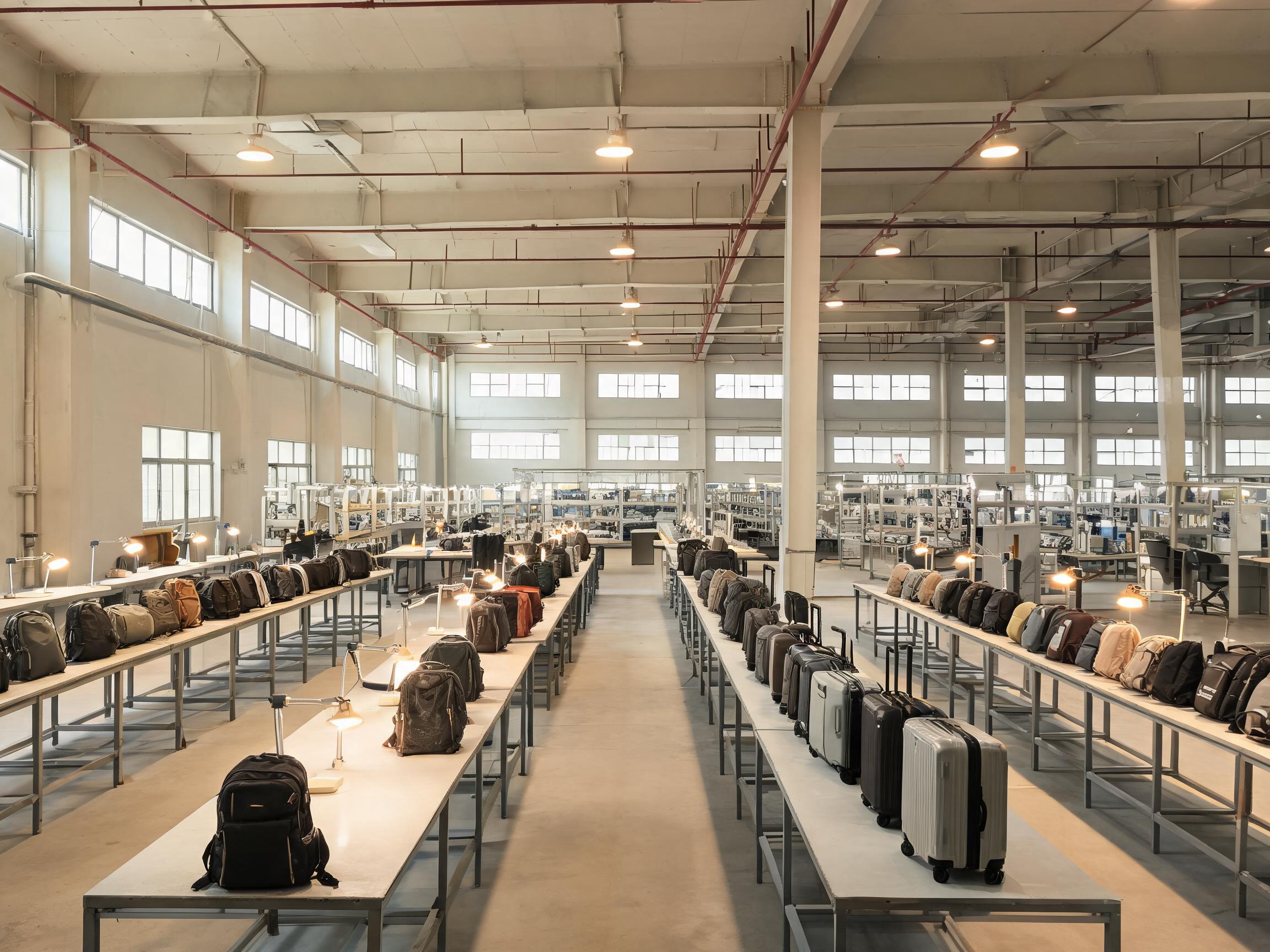
- Samples are developed by the factory's in-house design and development studio, which prepares new styles for OEM/ODM programs.
- Quoted lead time starts after sample approval and order confirmation; actual timing depends on volume and the production schedule.
In this article
Stage 1 — Design handover: what a usable package contains
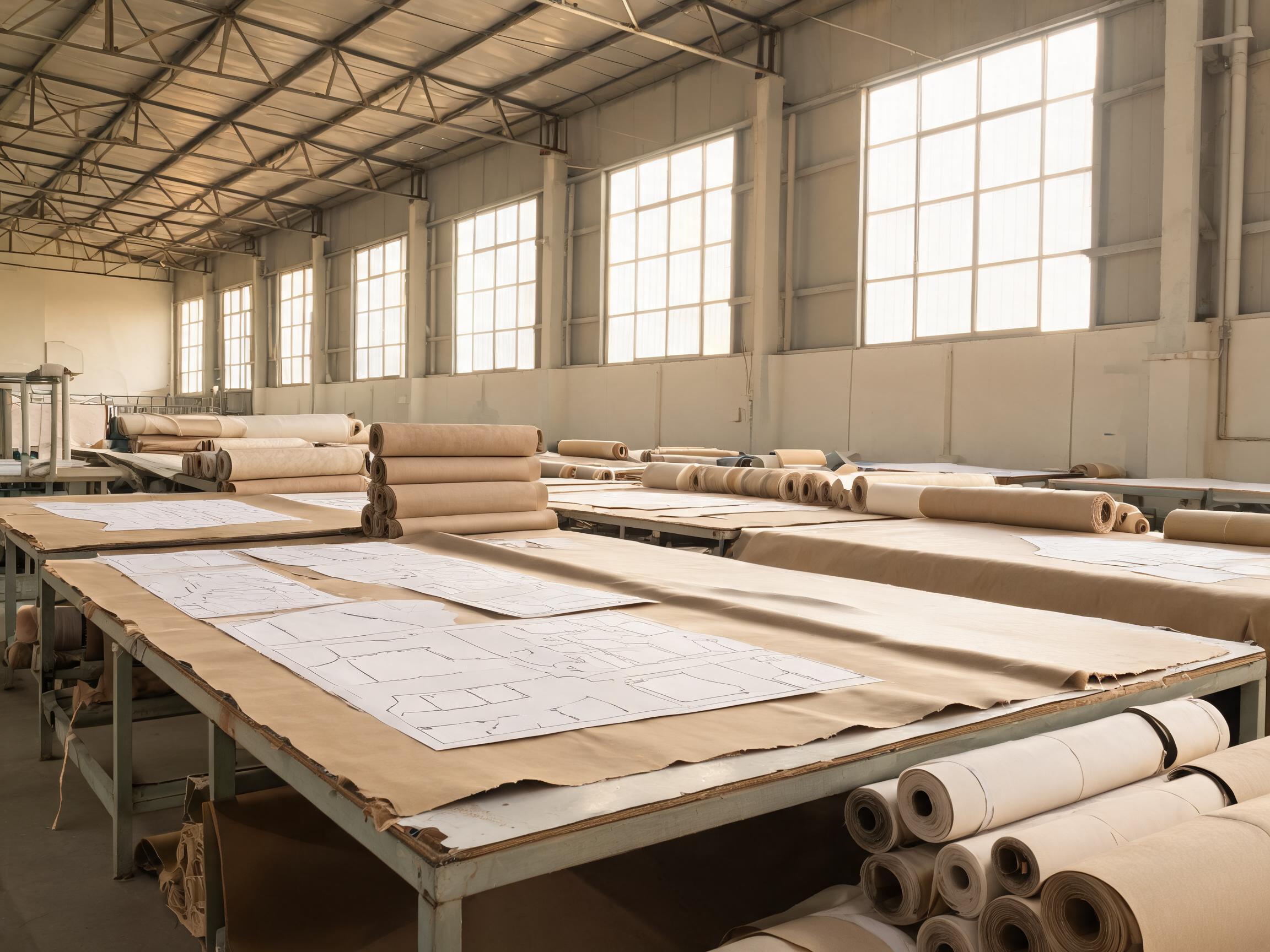
OEM luggage manufacturing starts with a document set, not a drawing alone. A package the factory can act on typically covers four things:
- Target dimensions — overall height, width, and depth for each size in the range, plus the dimensions you consider non-negotiable.
- Materials — shell or body fabric construction, lining specification, and any internal structural requirements.
- Hardware and finish — wheels, handles, zipper type, and the finish on metal parts.
- Packaging and labeling — how the unit ships, what hangs on it, and what is printed on the carton.
Separating these into "fixed" and "open to the factory's input" is the single most useful thing you can do at handover. A brand that marks every trim detail as fixed removes the factory's ability to propose an equivalent component; a brand that marks nothing as fixed gets a sample that may not reflect its positioning. Practical middle ground: fix dimensions, fabric family, and logo execution; leave hardware supplier, lining weave, and internal packing arrangement open for proposal.
For reference, published OEM-adjustable models such as our Softside Spinner Luggage 24" list color, lining, and hardware as adjustable, while the base build is polyester fabric with a zipper closure in navy, black, or grey. That is the kind of baseline a design package either matches or departs from.
Stage 2 — Feasibility and material confirmation
Before anyone cuts fabric, the factory checks whether the package can be built at your target price point, volume, and quality level. In practice this means reviewing the dimension set against available patterns and tooling, checking that the specified materials are obtainable in the required quantity, and confirming that the hardware and finish are consistent across the whole size range.
The friction point is customization. Color, lining, and hardware changes may carry tooling or minimum requirements. A non-standard molded component, a custom-dyed lining, or a bespoke handle finish can each introduce a tooling cost or a minimum quantity that the base model does not have. This is why the sequence matters: confirm tooling and minimums before sampling. A sample built on an assumption that later turns out to require a new mold is a wasted round for both sides.
The same applies to volume. Products in the current published range are quoted at a minimum order quantity of 300 pcs with a 30–35 day lead time. If your program sits below the minimum for a customized variant, the feasibility stage is where that surfaces — not at the contract stage.
Alongside materials, this is where commercial framing gets fixed: packaging format, labeling requirements, inspection preferences, and Incoterms. Buyers confirm these alongside the technical package, because the packing decision affects carton dimensions, which in turn affects freight. Deciding it later means re-sampling packaging.
Stage 3 — Sample development and review
Sampling is part of the OEM/ODM order cycle rather than a separate favor, and it is done by the in-house design and development studio that prepares new styles for OEM and ODM programs. The studio turns the confirmed package into a physical unit.
When the sample arrives, review it against a fixed list rather than by overall impression:
- Dimensions — measure against the target set, including internal cavity where relevant.
- Fabric — confirm hand feel, weight, and weave against the specification, not against a photo.
- Hardware — check that wheels, handles, and zipper action match the agreed type and finish.
- Logo method — verify whether the mark is embroidered, printed, or applied as a badge, and at what size and placement.
Feedback rounds work best when each comment is tied to one of those four categories and clearly marked as a must-change or a preference. A single consolidated comment list produces a cleaner second sample than a stream of messages over several days.
Stage 4 — The sample approval gate
Approval is a lock, not a formality. Once you approve a sample, you are confirming the dimensions, materials, hardware, logo execution, and packing format that the factory will reproduce. Changes requested after this point generally push the program back into a new sampling round.
This is also why lead time is quoted after sample approval and order confirmation. Standard lead time cannot be committed against an unapproved specification, because the specification determines material purchasing, pattern work, and line setup. Final timing then depends on order volume and the current production schedule.
Wellmax Luggage builds this work in one location: a 12,000 m² facility in Fujian with cutting, sewing, assembly, and inspection under one roof, around 320 employees, and capacity of roughly 150,000 pieces per month. Production runs through dedicated assembly lines, then finished-product inspection, then packing into cartons for export. Working with a manufacturer that holds ISO 9001:2015 certification for its quality management system and has completed a BSCI social compliance audit means those process steps sit inside an audited QMS — at the company and factory level. It does not, on its own, certify any individual product, and product-level documentation should still be requested per item.
What buyers should prepare before handover
- Target dimensions for every size, with fixed vs. flexible clearly marked
- Material and lining specification, or a reference sample
- Hardware type and finish, including zipper and wheel preferences
- Logo artwork files and intended application method
- Packaging format, labeling content, and carton marking requirements
- Target order volume per SKU, so minimums and tooling can be checked early
- Inspection expectations and preferred Incoterms
A program that arrives with these seven items resolved generally reaches a workable first sample in fewer rounds than one that resolves them across the process. For a polycarbonate-shell program, our Expandable Checked Luggage 26" shows how an expandable zipper panel and the color, lining, and hardware options are specified at the OEM stage — again with tooling confirmed before sampling.
FAQ
- What is the minimum order quantity for OEM luggage?
- Published models in the current range carry an MOQ of 300 pcs. Customized variants that require new tooling or a special material may carry a different minimum, which should be confirmed before sampling begins.
- How long does production take after the sample is approved?
- Standard lead time quoted on the current range is 30–35 days after sample approval and order confirmation. Final timing depends on order volume and the production schedule at the time of confirmation.
- Can we change the color, lining, or hardware on a standard model?
- Yes — color, lining, and hardware are listed as adjustable on the published models. Because these changes may carry tooling or minimum requirements, confirm them before sampling rather than after the first sample is made.
- Where are the samples made?
- Samples are prepared by the manufacturer's in-house design and development studio, which develops new styles for OEM and ODM programs.
Wellmax Luggage is an OEM/ODM luggage and bag manufacturer in Fujian, China, founded in 2013, exporting to buyers in more than 40 countries.