
Mesh bags look simple, but an OEM program for them runs on the same specification discipline as any other soft goods category: fabric selection, closure hardware, seam construction and inspection criteria all need to be pinned down before sampling begins. This guide walks through the four decisions that shape a mesh bag quote — mesh material, mesh density and weight, closure structure and workmanship — and how each maps to common applications such as laundry bags, luggage organizers, shopping totes and sports equipment bags.
Mesh Material: Polyester vs Nylon Mesh
Most commercial mesh falls into two families. Polyester mesh is dimensionally stable, resists stretching when wet and holds color well through repeated laundering, which is why it dominates laundry and household applications. Nylon mesh offers higher abrasion resistance and better elasticity recovery, making it the usual choice for sports and equipment bags that get stuffed, dragged and overstuffed daily.
Both fabrics come in knitted and woven constructions. Knitted mesh stretches in all directions and is common in drawstring laundry and storage bags. Woven mesh holds its shape and reads more structured, which suits shopping bags and organizer inserts where the panel should stay flat. Ask prospective suppliers which construction they are quoting; the difference affects both cost and the bag's final hand feel.
When a factory quotes a soft bag, the fabric line item is usually expressed as fiber type plus denier plus finish. A useful reference point is how a nylon shoulder crossbody program is specified at Wellmax Luggage: buyers choose the nylon type, denier and shell color as the first spec line, before moving on to hardware and interior layout. A mesh bag program follows the same quoting logic — fiber, denier and mesh opening are the first three parameters a manufacturer needs in writing.
Mesh Density and Fabric Weight: What to Specify
Mesh density is typically described as the number of openings per inch or the denier of the yarn used, and fabric weight is given in GSM (grams per square meter). These numbers do more work than buyers sometimes expect:
Openings per inch. Fine mesh (many small openings) keeps small items from slipping out and suits lingerie bags and small organizer pouches. Coarse mesh drains and dries faster, which suits laundry and wet-equipment bags. Specify the opening size, not just "mesh." Fabric weight (GSM). Heavier mesh resists snagging and holds its shape under load; lighter mesh packs flat and keeps the bag featherweight. For shopping bags, weight also signals load capacity to retail buyers. Yarn denier. Higher denier yarn means a tougher mesh at the same opening count. This is where abrasion resistance is actually decided.
During sampling, request a fabric card with the actual mesh swatch, stated GSM and stated opening count, and confirm whether the mesh is heat-set. Unset knitted mesh can distort after the first wash, a common failure that shows up only in consumer use.
Closure Structures and When Each Fits
Closure choice drives both function and unit cost. The three standard structures each have a clear best-fit zone.
| Closure | How it works | Best fit |
|---|---|---|
| Drawstring | Cord through a hemmed channel; bag cinches closed | Laundry bags, ball bags, promotional totes — lowest cost, fastest access |
| Zipper | Coil or metal zip along the opening, often with cord pulls | Luggage organizers, packing cubes, retail-quality shopping bags — full security, higher cost |
| Snap or hook | Metal or plastic snap at the mouth, sometimes combined with a drawcord | Ball nets and quick-stow equipment bags — one-handed open and close |
Closure quality is also where inspection matters most. At Wellmax, zipper function and strap attachment strength checks are built into the production workflow on soft-bag lines, and buyers can request the same checks on a mesh program — every zip run open-and-closed, and a pull test on drawcord anchor points and strap bar tacks. If your mesh bag uses a flap or magnetic element, ask whether the factory runs magnetic closure function checks, as it already does on messenger bag lines.
Cutting, Sewing and Binding: Workmanship Points to Check
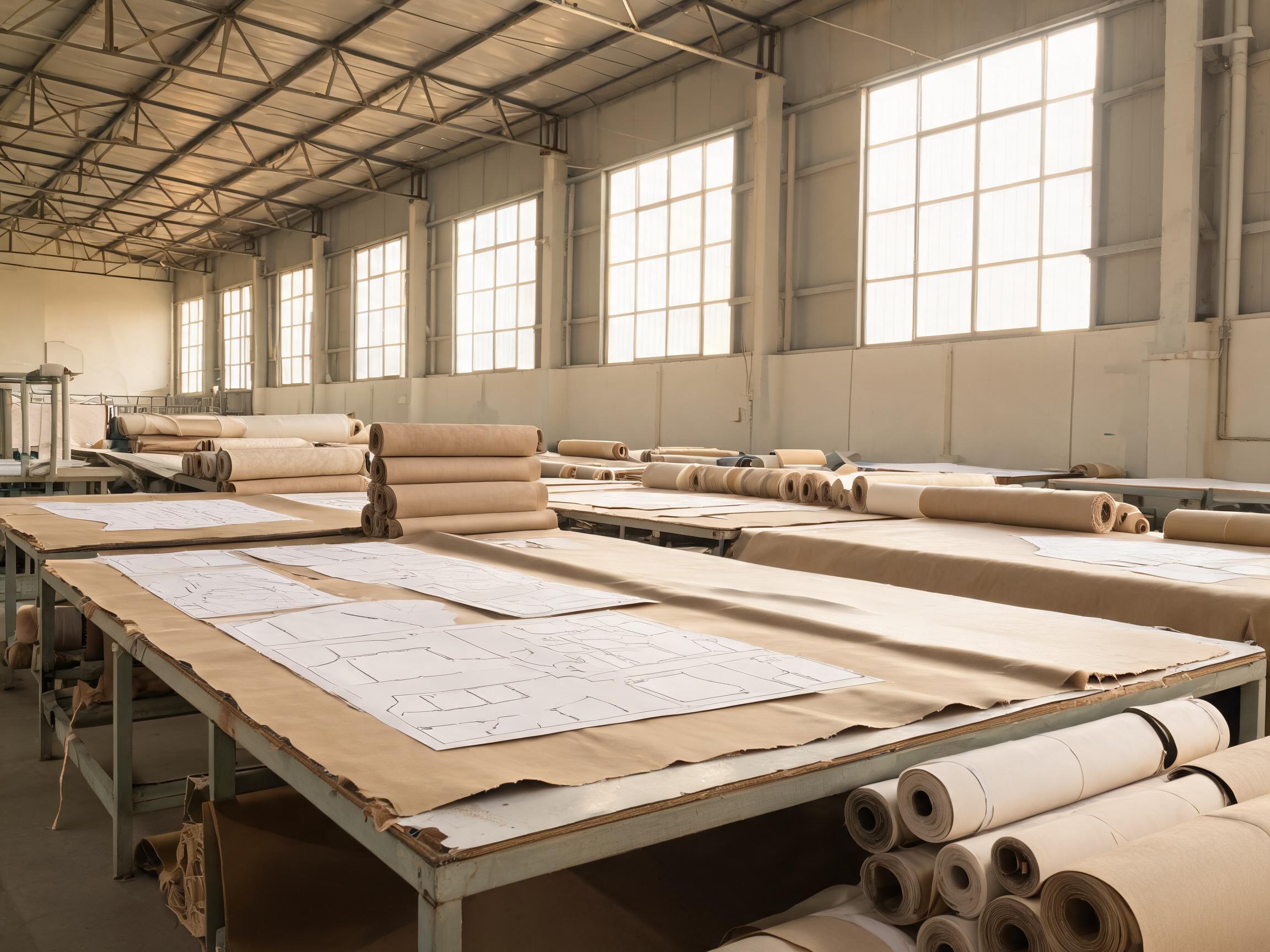
Mesh is a demanding fabric to sew. It shifts on the table, frays at the cut edge and shows every crooked seam. A short factory visit or a detailed sample review should cover these points:
Cutting accuracy. Knitted mesh should be cut in a single ply or with careful layered control to avoid distortion. Check that panel edges are straight and that matched panels (front to back) are equal in size. Edge finishing. Every raw mesh edge needs a binding, hem or overlock. Unbound knitted mesh will run and ladder. Ask which binding tape is quoted — self-fabric binding looks cleaner; grosgrain or webbing binding adds strength at stress corners. Seam type. Look for double-needle or overlocked seams at load-bearing joins, and bar tacks at drawcord exits, strap roots and snap attachments. A single-needle lockstitch throughout is a red flag on a bag meant to carry weight. Channel construction. On drawstring bags, the cord channel should be sewn with consistent width so the cord runs freely and the cinch closes evenly. Attachment strength. Straps, handles and snaps are the usual failure points. Specify the pull-test method and acceptable force you want applied before shipment.
These are the same checkpoints that matter on any soft bag line. What separates a capable mesh bag manufacturer is whether the factory handles cutting, sewing, assembly and inspection under one roof — as Wellmax does in its 12,000 m2 facility in Quanzhou, Fujian — so that a weak seam found at final inspection can be traced back and corrected on the line rather than argued about between subcontractors.
Application-Based Selection
Laundry bags
For household and hospitality retail, prioritize polyester mesh with fine-to-medium openings, bound edges and a drawstring or zip closure. Wash durability is the test: specify colorfastness and dimensional stability after repeated laundering. Buyers commissioning hotel laundry programs can refer to the separate hotel laundry procurement guide on this site; this article focuses on the manufacturing side.
Luggage and travel organizers
Packing cubes and organizer pouches combine a mesh panel with a woven body and a zip closure. The mesh lets contents be seen and aired; the zip keeps them contained. Spec work concentrates on zip quality, mesh panel tension (it should sit flat, not baggy) and interior divider configuration — the same customization levers listed on Wellmax's nylon crossbody program: pocket count, interior dividers and zipper configuration.
Shopping bags
String and mesh shopping totes live or die on handle attachment and fabric weight. Specify heavier GSM mesh, reinforced handle roots with bar tacks, and a load test at the gross weight you intend to print on the packaging. Retail chains typically also want consistent color across production lots, so ask for a sealed fabric standard.
Ball and equipment bags
Sports gear needs coarse, open nylon mesh for drainage and breathability, a wide cinch mouth that swallows a size-5 ball, and a heavy drawcord or snap closure. Reinforce the base panel — the bag gets set down on wet turf — and use webbing rather than self-fabric binding wherever the bag contacts the ground.
How a Mesh Bag OEM Program Is Quoted at Wellmax
Wellmax Luggage does not currently list a mesh SKU in its published catalog; mesh bags are quoted as their own OEM program, in the same way laptop sleeves and diaper bags are handled. The quoting framework, however, is proven across existing soft-bag programs. On the nylon shoulder crossbody bag, for example, customization spans nylon type, denier and shell color; strap width, hardware and adjustment range; pocket count, dividers and zipper configuration; and branding via woven labels, rubber patches, screen printing or branded packaging. A mesh program follows the identical structure, with mesh fiber, denier and opening density replacing the base-fabric line.
Production runs on dedicated sewing lines at roughly 150,000 pieces per month across categories, with finished-product inspection before packing. Quality management follows ISO 9001:2015 at the company level, and the production facility has undergone a BSCI social compliance audit — both relevant when your retail accounts require documented supplier compliance. The company's in-house design studio prepares samples for OEM and ODM programs, and the export team handles quotations, third-party inspection arrangements and Incoterms discussion during the quote stage.
Current published soft-bag programs run MOQs of 200–500 pieces with lead times of roughly 30–40 days depending on product. Mesh bag quotations are prepared individually; buyers can request a quote through Wellmax's export sales team or reference the published catalog — including the nylon shoulder crossbody bag, slim laptop messenger bag and leather business briefcase — as working examples of how specifications, branding and packaging are structured on real programs.