
Many workshops can sew finished panels together. Far fewer can take raw hides, grade them, plan a cutting layout, and carry the material through stitching, hardware assembly and inspection in a controlled sequence. That difference is what an overseas B2B buyer is really evaluating when they walk into a leather bag factory. If the facility only receives pre-cut panels from somewhere else, it has no control over the single biggest cost and quality variable in a leather product: how the hide was used.
Below, we follow the stages of leather bag production in the order they happen on the factory floor, then turn each stage into questions worth asking during an audit visit. The mechanics described here are general industry practice; a factory's own results need to be verified on site, not assumed from a brochure.
What this article covers
What Separates a Leather Bag Factory From an Assembler
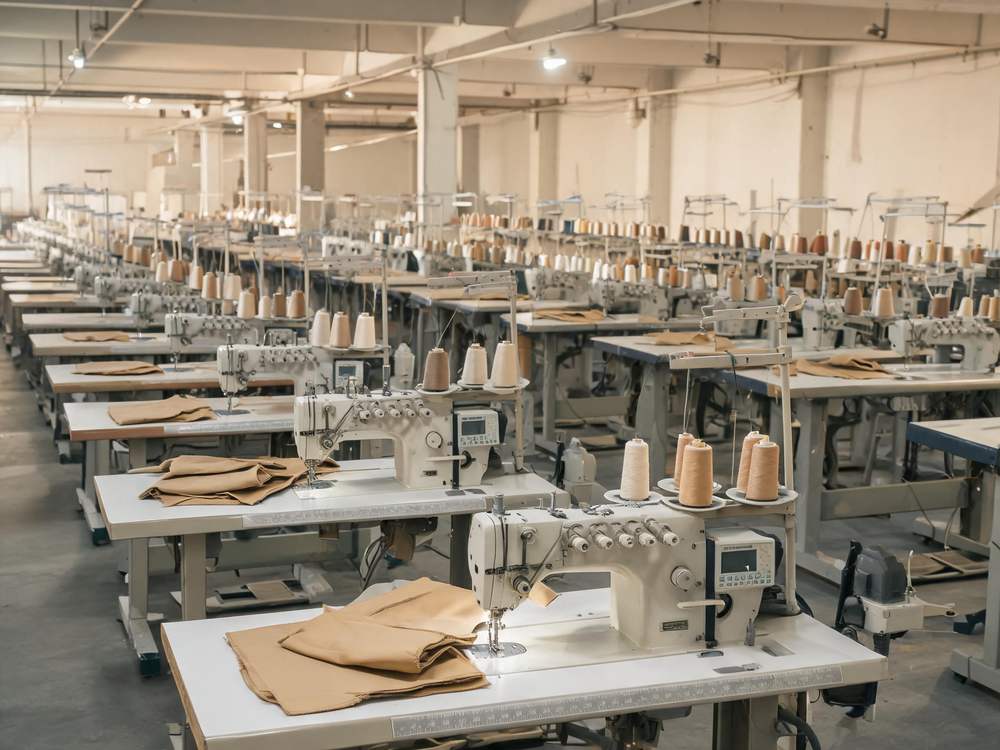
Everything starts with the hide, and a facility that only receives pre-cut panels never has to make the decisions that shape a bag's cost and quality. Ask first who sources the leather and who owns the cutting yield — the answer usually tells you whether you are looking at a leather bag factory or an assembly shop.
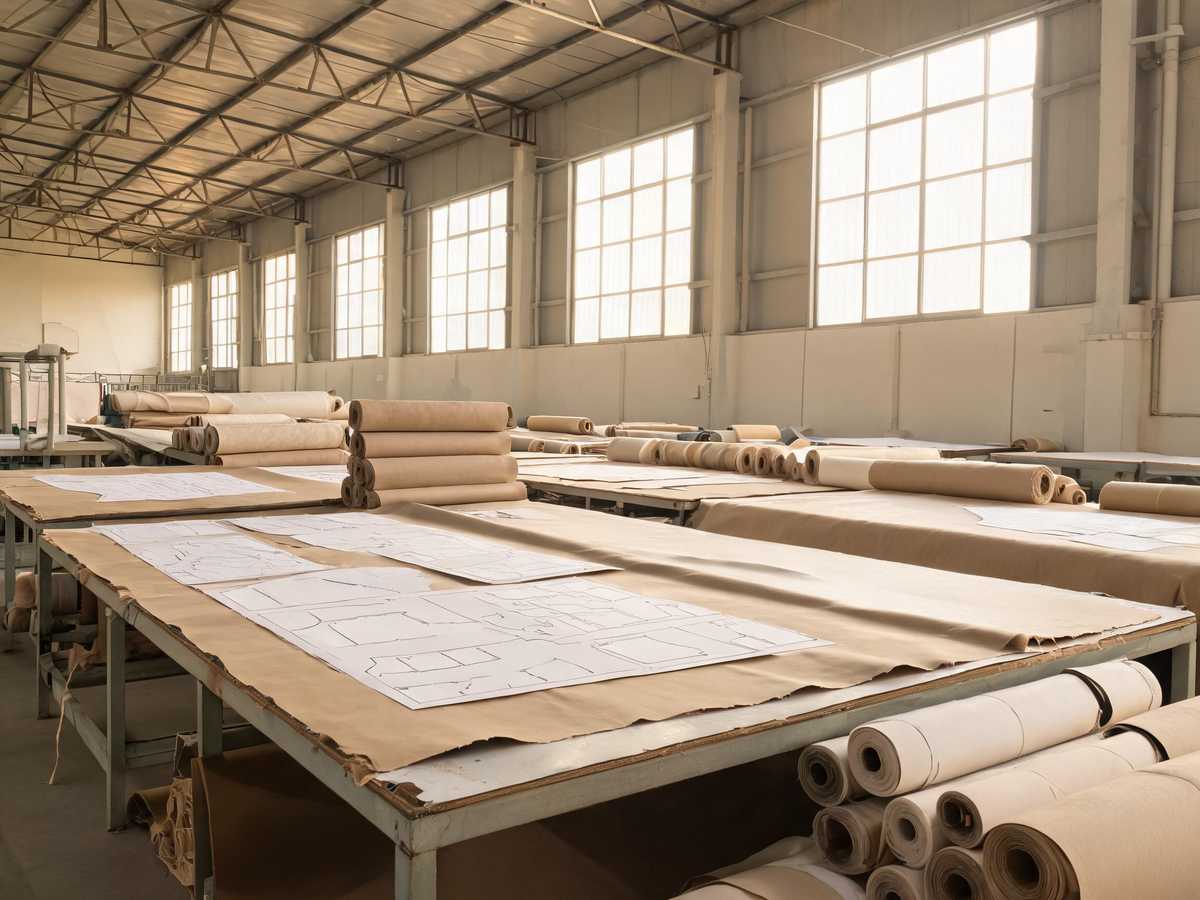
Stage One: Leather Grading and Material Planning
Leather is graded by which layer of the skin it comes from and how much of the natural surface remains intact:
- Full-grain leather keeps the complete top surface, with its natural grain and characteristics visible. It is the strongest and most durable grade, and it develops patina over time.
- Top-grain leather has the outermost layer sanded or corrected, giving a more uniform look at some cost to strength.
- Corrected-grain and bonded leather use sanded surfaces or leather fibers bonded with adhesives. They look consistent but wear differently and are not comparable in durability.
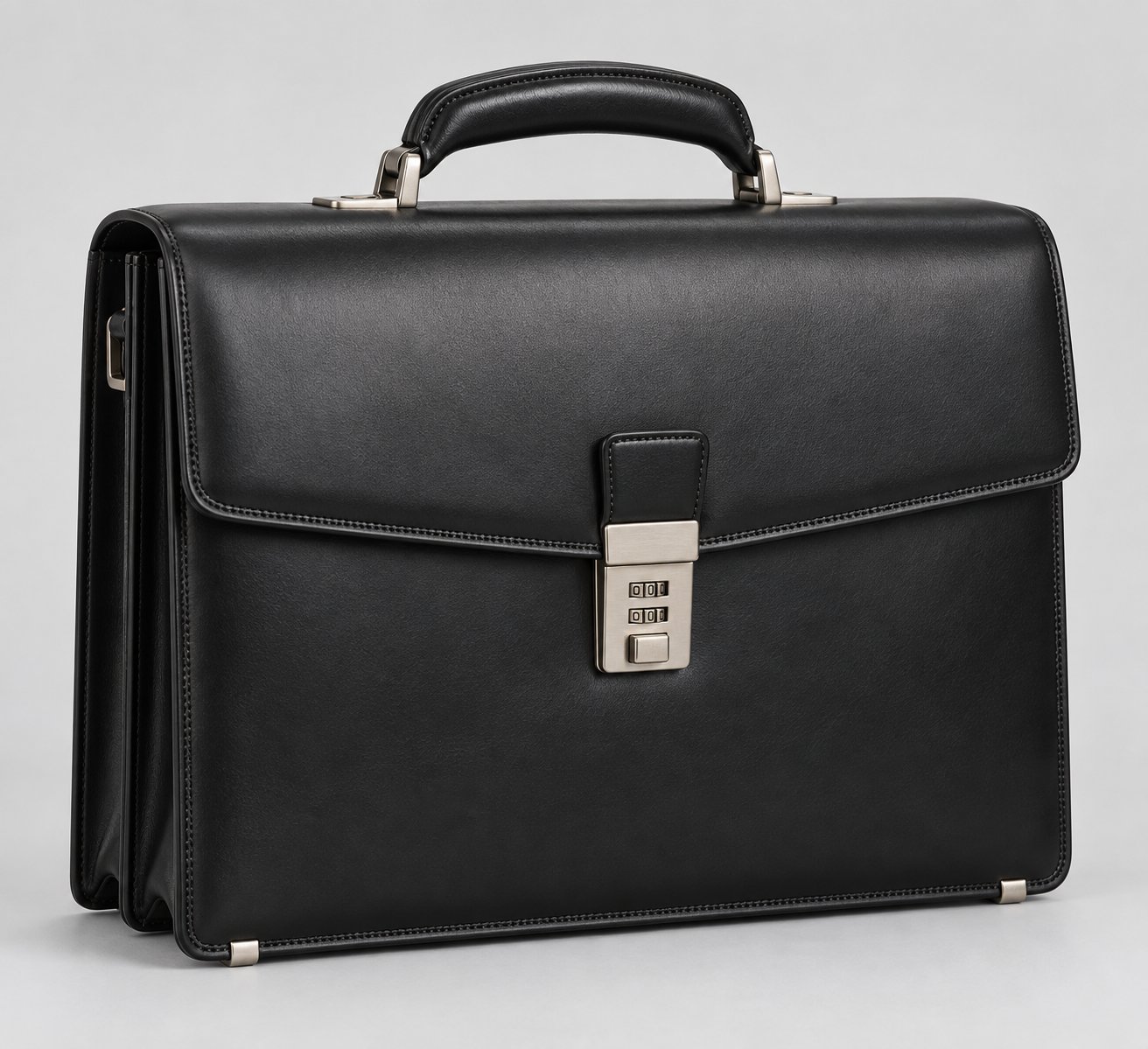
For a briefcase that will carry a loaded laptop every day, the grade listed on the product page matters more than the color. As an example of how this appears in a catalog, Wellmax Luggage lists its Executive Leather Briefcase and its Leather Business Briefcase 15.6" Laptop as full-grain leather products. The listed material specification is a stated value on the product page; verifying the actual hide grade on incoming material is exactly what an audit visit is for.
Grading feeds directly into material planning. A factory that buys hides has to decide how many bag panels of which size can be cut from each hide, accounting for natural marks and growth areas. A factory that only assembles never faces this decision, which is why asking who sources the leather and who owns the cutting yield is a revealing first question.
Stage Two: Cutting and Panel Preparation
In the cutting room, the pattern set for a bag, its body panels, lining, trim pieces and reinforcement parts, is laid out on the leather. Two things happen here that shape the finished product:
- Panel nesting. Patterns are arranged to maximize yield from the irregular hide shape. Better nesting lowers material cost per unit, which is why cutting-room discipline shows up in the quoted price.
- Grain alignment. Panels that carry visible leather on the outside must be oriented consistently so the grain direction, texture and shade match across one bag. Mismatched panels are one of the most visible defects in finished leather goods.
Skiving, thinning the leather at fold and seam positions, usually happens around this stage so that edges fold cleanly and seams do not become bulky. Ask to see the cutting table in operation and ask how panel-to-panel grain and shade matching is checked before panels move to stitching.
Stage Three: Stitching and Assembly
Stitching is where a leather bag either gains its strength or develops its future failure points. The general mechanics worth understanding:
- Stitch density. Stitches per inch is a measurable specification. Too few stitches and seams open under load; too many and the needle perforations weaken the leather along the seam line.
- Stress points. Handles, shoulder strap anchors and zip stops carry concentrated loads. Reinforcement at these points, extra layers, backing material or rivets, is standard practice in a properly built leather bag.
- Machine setup. Leather sewing uses walking-foot or post-bed machines with adjusted presser feet and thread tension for thick, slippery material. A stitching workshop equipped only for lightweight fabrics struggles with full-grain hides.
During an audit, stand at the sewing line and ask which stitch density is specified for body seams versus trim, and how handle and strap anchor reinforcement is applied. These are process questions a working production line can answer by demonstration.
Stage Four: Hardware, Edges and Finishing
Hardware assembly is more than attaching buckles. The sequence typically includes setting rivets and studs, mounting zips and sliders, attaching locks and clasps, and checking that every moving part operates without catching. For example, the Leather Laptop Messenger Bag is listed with a magnetic flap closure, and the Executive Leather Briefcase is listed with a combination lock, both hardware-dependent features whose function depends on correct assembly and alignment, not just on the component itself.
Edge finishing follows: raw cut edges are dyed, burnished or folded so they resist moisture and fraying. Final inspection then covers stitching consistency, hardware function, lining placement, and the product against the approved sample. Wellmax Luggage states that its dedicated production lines include finished-goods inspection; how that inspection is recorded, and what happens to a failed unit, is a question to raise on site.
What an Audit Day Should Cover
Convert each floor stop into a verification question
An audit visit is most useful when each stage you observe produces an answer you can check, not a brochure claim you accept. The six items below map to the stages above.
- Incoming leather: Where is the leather sourced, what grades are purchased, and how is incoming material checked against the ordered specification?
- Cutting: Can you watch panel nesting and grain alignment in progress, and who signs off on shade matching across panels of one bag?
- Stitching: What stitch density is written into the work instruction, and how are handle and strap anchors reinforced?
- Hardware: How are locks, magnetic closures and zip assemblies function-tested before a bag moves to packing?
- Capacity and traceability: Which production line runs leather products, what is its current schedule, and how is a unit traced back through the process? Wellmax Luggage, for instance, lists overall monthly output of about 150,000 units across all bag and luggage categories, but a line-specific leather capacity figure is something to request and verify rather than assume.
- Compliance and QC: What certifications apply, and how are they scoped? Wellmax Luggage states it is ISO 9001:2015 certified at the company/factory level and BSCI audited at the same level; a management-system certificate describes the factory's system, not automatically every individual product, so check what each document covers.
| Product (as listed) | Leather | Notable hardware | MOQ | Lead time |
|---|---|---|---|---|
| Executive Leather Briefcase | Full-grain leather | Combination lock | 300 units | 30-35 days |
| Leather Business Briefcase 15.6" Laptop | Full-grain leather | — | 200 units | 35-40 days |
| Leather Laptop Messenger Bag | — | Magnetic flap closure | 300 units | 30-35 days |
Values as listed in the current catalog. MOQ and lead time are per product, not negotiated into existence during the audit; confirm them against your own order quantities and dates.
Frequently Asked Questions
Why does full-grain leather cost more, and when is it worth specifying?
Full-grain hides carry fewer usable flaws than corrected material and require more careful cutting to get clean panels from each hide, which raises material and cutting cost. For bags loaded daily, such as laptop briefcases, the grade affects long-term wear, so it is commonly specified for executive and business lines. For fashion-oriented items where surface uniformity matters more than maximum durability, buyers sometimes choose top-grain instead; the right choice depends on the product's intended use.
Can OEM/ODM customization apply to leather bags?
In an OEM/ODM arrangement the factory covers sampling, tooling and molds, mass production, quality control and export. For leather products that typically means adapting an existing pattern or developing a new one, selecting hardware and lining, and producing approval samples before mass production. The scope of what changes per project is a matter to define with the factory during sampling.
What should I compare between two factories offering the same listed spec?
Compare process evidence rather than paper specs: who cuts the leather, what reinforcement is used at stress points, how finished-goods inspection is documented, and whether the line currently running similar products can be shown to you. Two catalogs can list "full-grain leather" while the production behind that label differs substantially.
Closing Perspective
Reading a leather bag factory from the floor is a skill built from a few core habits: trace the material from hide to finished bag, ask for written work instructions at each stage, and convert every claim on a product page into something you can watch being done. Wellmax Luggage, an OEM/ODM manufacturer in Quanzhou, Fujian, with about 320 employees in a 12,000 m2 facility and buyers in 40+ countries, publishes its leather briefcase and messenger specifications openly; the factory-floor questions in this checklist are the tool for verifying that any partner, including this one, delivers those specifications consistently in production.