If your next container needs to hold spinner luggage, commuter backpacks and a handbag program from the same purchase order, the way you shortlist bag manufacturers in China matters more than the list you start from. A factory that is excellent at one category is not automatically equipped for three, and a quotation that looks comparable line by line can hide very different production models.
Start From Your Order Mix
Before contacting anyone, write down five things: the bag categories you need, the materials and construction methods involved, your target price point and market, expected volume per style, and your delivery window. These five items decide which factories are worth a conversation. A supplier strong in stitched nylon backpacks may be a poor fit for hardshell spinner cases, and vice versa.
Mixed-Category Orders: Two Very Different Models
A mixed-category order reaches production in one of two ways. The first is a factory with several product lines under one roof: one point of contact, one quality system, consolidated shipping, and direct accountability when something goes wrong. The second is a trading or consolidation partner that manages several specialist workshops. That can widen category coverage, but it adds a layer between you and the production floor, and quality control, lead-time accuracy and responsibility for defects all become less direct.
Neither model is automatically better, but you should know which one you are dealing with before you commit. Ask which product families are produced in-house and which are subcontracted, and confirm the answer at audit stage.
Factory Audit Points for Bag Production
Whether you visit in person or run a live video walkthrough, cover the same ground:
- Legal entity and business scope, checked against an independent registry rather than the supplier's own documents.
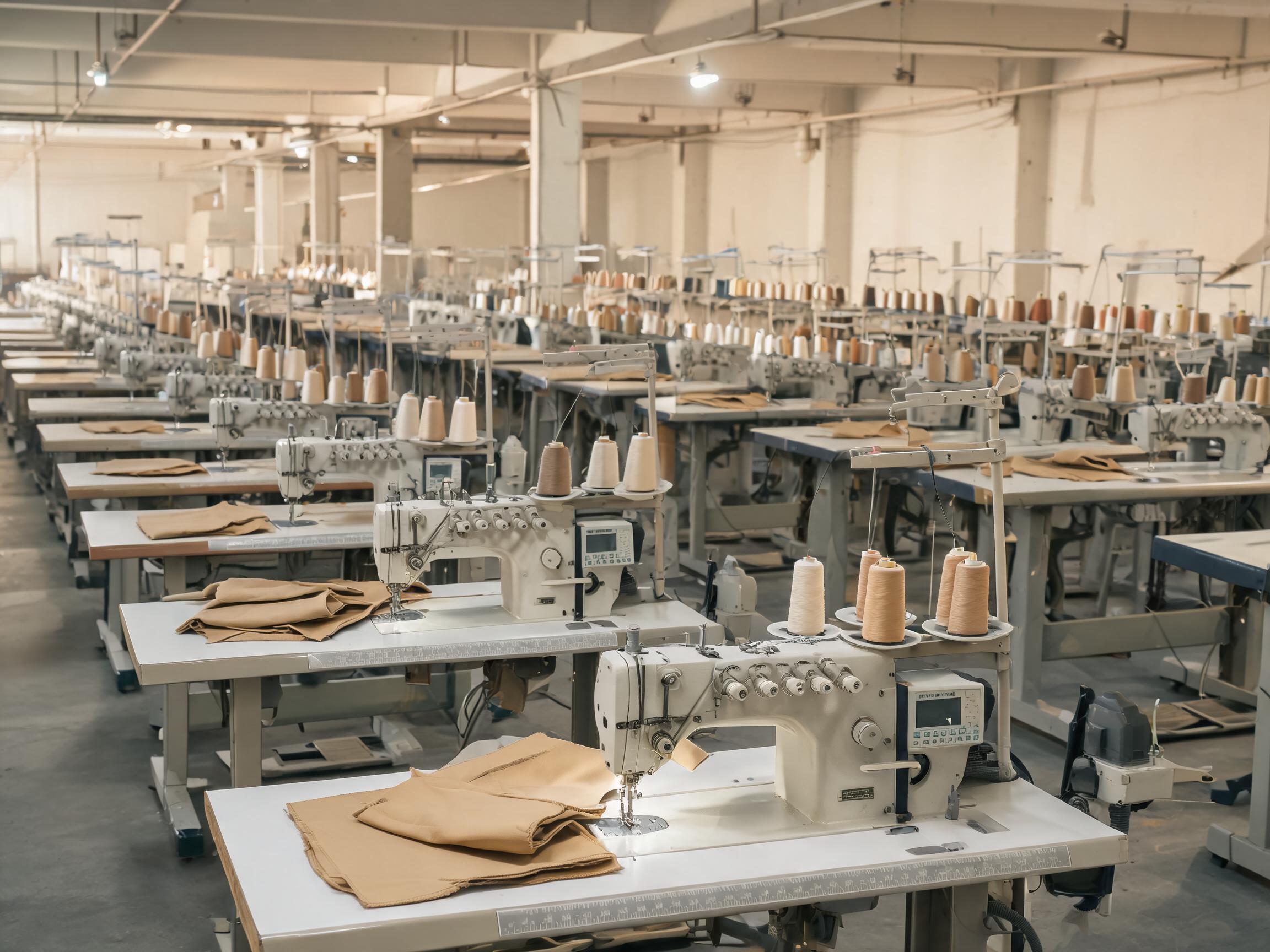
- Floor layout: materials, cutting, sewing, assembly and packing should follow a logical sequence.
- Machine inventory: sewing lines, bartack machines and cutting equipment should be consistent with the capacity claimed.
- Sample room: who makes patterns, and how long a revision round takes.
- Incoming material inspection and how dye-lot variation is controlled across a large order.
- In-line and final QC stations, and the sampling plan used for final inspection.
- Which processes leave the building, and traceability from a finished carton back to a production line.
If a supplier resists a walkthrough of the floor where your order would run, that is itself an answer.
MOQ in a Mixed-Category Order
MOQ usually reflects a real cost driver: a mill's minimum fabric run, a dye-lot minimum, printing plates, or minimum orders for custom hardware. Understanding the structure tells you where the number can move. Useful levers include aggregating colors within one style to reach a fabric minimum, standardizing one fabric across several styles, accepting stock materials instead of custom-developed ones, or paying an open surcharge to cover setup cost. Always confirm whether MOQ applies per style, per color or per order — "500 pieces" can mean either.
For buyers spreading volume across trolley cases, backpacks and handbags, one practical advantage of a full-range manufacturer is that MOQ and price tiers can be negotiated across the program rather than style by style. Our article on planning a first import order covers how MOQ, budget and product mix interact on a first container.
Where Wellmax Fits
Wellmax Luggage is an OEM/ODM luggage and bag manufacturer founded in 2013 in Fujian, China. About 320 people work in a 12,000 m² facility producing roughly 150,000 pieces per month, with cutting, sewing, assembly and inspection under one roof. The range covers trolley cases, backpacks, business and laptop bags, and handbags — for example, our 28" PC spinner trolley case, 22L urban commuter backpack, executive leather briefcase and PU leather tote are all produced under the same quality system. The facility is certified to ISO 9001:2015 and audited under the BSCI social compliance framework, and our export sales team serves buyers in more than 40 countries. Sampling, tooling, mass production, quality inspection and export are handled within the same order cycle, so a mixed-category container ships from a single point of accountability.
If you are weighing one partner against several specialists, our guide to sourcing a full-range bag program from one Fujian OEM partner sets out that comparison in detail.
A Practical Shortlisting Workflow
Start with eight to ten candidates, screen to three or four using the criteria above, audit two, sample with two, and place a pilot order with one. Keep a backup in reserve. Compare candidates on the same sheet: category fit, audit findings, MOQ structure, quotation transparency and sample quality. Keep every commitment — MOQ, lead time, sample terms and payment details — in writing before you pay a deposit.
Next Step
Write your order mix and audit checklist first, then request quotations from three to four manufacturers that match your categories. Send the same structured RFQ to each one so the answers are comparable. If your program includes hardshell luggage, backpacks and bags for business or retail, share your specification with us and we will respond with a line-by-line quotation and a production plan you can check against the audit points above.