Factory Sourcing Guide
Finding a reliable tote bag factory for a bulk order is different from picking a supplier for a small test run. The factory you choose will determine your unit cost, your delivery schedule, and whether the bags you receive match the samples you approved. A quick online search for a tote bag factory returns thousands of options, but only a small number can actually deliver consistent quality at scale.
This article walks through a practical vetting checklist for B2B buyers, importers, and brand owners. It focuses on what to verify about a factory's real capability, how to evaluate fabric and construction choices, how sampling and quotation actually work, and what quality control checkpoints matter before your container ships.
Verify the Factory's Real Capability
A professional-looking website does not tell you whether a factory can handle your order volume or maintain quality across a production run. Before discussing prices, verify the basics of the factory's operation.
Manufacturing Scale and Focus
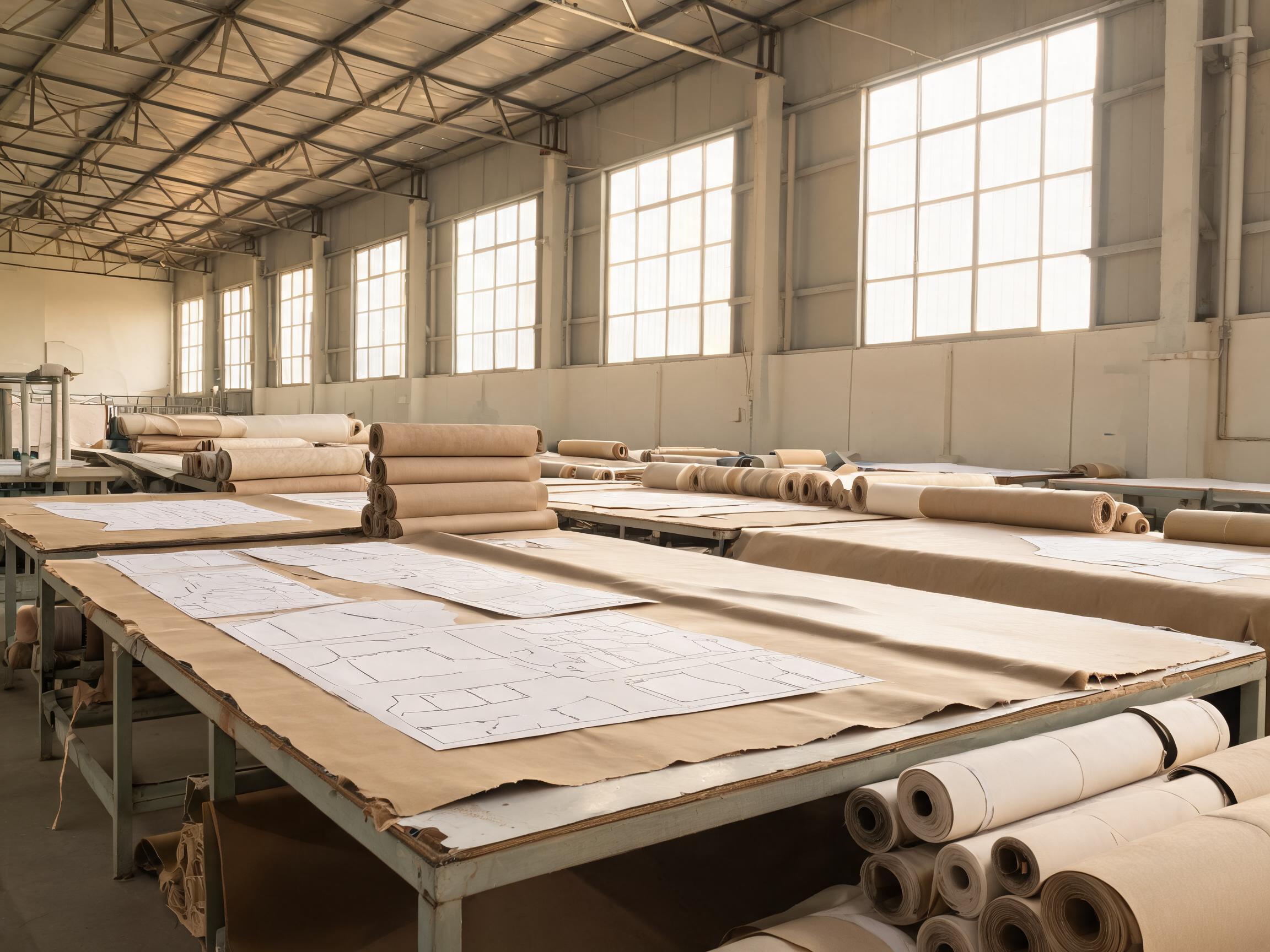
Ask about the factory's physical size, workforce, and monthly output. These figures give you a sense of whether the factory is a good fit for your order size. For example, Wellmax Luggage, a tote bag and luggage manufacturer in Fujian, China, operates a 12,000 m² facility with around 320 employees and produces roughly 150,000 pieces per month. A factory of this scale can typically handle steady repeat orders and has the infrastructure to manage multiple production lines.
Export Experience
Confirm that the factory has experience shipping to your target markets. Export handling involves documentation, packaging compliance, and shipping coordination. Wellmax's export sales team, for instance, serves buyers in more than 40 countries. When talking to a potential factory, ask which markets they currently ship to and whether they handle export documentation in-house.
Factory Audit Checklist
Quick Vetting Checklist
- Year founded and number of years in bag manufacturing
- Factory size and number of production lines
- Monthly production capacity for tote bags
- Number of employees and in-house design staff
- Countries currently served for export
- Quality management system certification (e.g., ISO 9001:2015)
- Social compliance audit status (e.g., BSCI)
- In-house sampling and development capabilities
When a factory holds certifications like ISO 9001:2015 for its design and manufacturing processes, it indicates that quality procedures are documented and followed. Social compliance audits like BSCI show that working conditions meet recognized standards. These are not guarantees of perfect quality, but they reduce the risk of working with an unverified workshop.
Evaluate Fabric and Construction Choices
The material and construction of a tote bag determine its durability, appearance, and cost. A good factory will help you match the right material to your target price point and use case.
Common Tote Bag Materials
| Material | Typical Use Case | What to Check With the Factory |
|---|---|---|
| Canvas | Everyday casual totes, promotional bags, weekend bags | Fabric weight (GSM), wash shrinkage, colorfastness |
| PU Leather | Structured totes, work bags, fashion handbags | Leather texture quality, edge finishing, stitching strength |
| Polyester / Nylon | Lightweight totes, travel bags, foldable designs | Density, tear strength, water resistance |
| Cotton | Retail totes, eco-friendly lines | Weave density, printability, shrinkage after washing |
For a structured look, a PU leather tote handbag with top handles and a magnetic snap closure is a common choice for fashion-forward brands. For a more casual everyday bag, a canvas tote is often preferred. Factories with an in-house design studio, like Wellmax, can help you select materials and prepare samples for both OEM and ODM programs.
Construction Details to Inspect
- Stitching: Check stitch density per inch and whether seams are reinforced at stress points like handles.
- Handles: Verify how handles are attached — riveted, stitched, or looped — and ask about weight-bearing tests.
- Lining: Confirm whether the lining is sewn in or floating, and what material is used.
- Closures: Evaluate zippers, magnetic snaps, or open-top designs based on your target use.
- Edging: Check whether raw edges are bound, folded, or painted (common in PU leather bags).
Understand Sampling and Bulk Quotation Logic
The way a factory handles sampling and quoting tells you a lot about how they run their business. A professional factory follows a clear process.
The Sampling Stage
Before mass production, you should receive a pre-production sample that matches your specifications. Ask the factory about their sampling process:
- How many rounds of samples are included before production?
- What is the turnaround time for a sample?
- Do they charge for samples, and is the cost deducted from the bulk order?
- Can they produce samples from your design (OEM) or from their own designs (ODM)?
Wellmax's in-house design and development studio develops new styles, selects materials, and prepares samples for both OEM and ODM programs. This means you can work from an existing design or develop a custom style from scratch.
How Bulk Quotations Are Structured
A reliable quotation should break down the costs so you understand what you are paying for. Typical components include:
| Cost Component | What It Covers |
|---|---|
| Material cost | Fabric, lining, hardware, zippers, threads |
| Labor cost | Cutting, sewing, assembly, finishing |
| Tooling / mold cost | One-time cost for custom hardware or molds |
| Packaging cost | Poly bags, cartons, dust bags, labels |
| Overhead & margin | Factory operating costs and profit |
When you receive a quote, ask the factory to specify which components are included. Also ask how the unit price changes with different order quantities. A transparent factory will explain the volume breakpoints rather than giving a single flat price.
Quality Control Checkpoints Before Shipping
Quality control is the difference between a smooth order and a costly dispute. A professional tote bag manufacturer should have a defined QC process.
In-Line and Final Inspection
Ask whether the factory conducts inspections during production or only at the end. In-line checks catch issues early, while a final inspection verifies the finished goods against your approved sample. Key checkpoints include:
- Fabric quality upon arrival at the factory
- Cutting accuracy against the pattern
- Stitching consistency and thread tension
- Hardware attachment and function
- Cleaning and finishing (loose threads, stains, creases)
- Final measurement and weight check
Wellmax supports the full order cycle, including quality inspection and export. Their ISO 9001:2015 certification covers design, manufacturing, and sales of luggage and travel bags, which provides a framework for consistent quality management.
Packaging and Shipping Preparation
Poor packaging can ruin perfectly good bags. Confirm how the bags will be packed — individual dust bags, poly bags, or cartons — and how many pieces go into each carton. Ask about carton dimensions and weight so you can estimate shipping costs accurately. Wellmax, for example, packages its PU leather tote handbags with an individual dust bag and carton packaging, which is a common requirement for retail-ready fashion bags.
Frequently Asked Questions
What is the difference between a tote bag factory and a trading company?
A factory owns the production equipment and directly controls manufacturing, while a trading company acts as a middleman. Buying directly from a factory can give you better pricing and more control over quality, but it is important to verify that the factory actually produces the goods and does not subcontract to an unknown third party.
How do I know if a factory can handle my order volume?
Ask for their monthly production capacity and current order load. A factory like Wellmax, which produces around 150,000 pieces per month, can typically accommodate larger or repeat orders. Always confirm lead times in writing before placing an order.
Should I order a sample before bulk production?
Yes. A pre-production sample is the only way to verify the fabric, construction, and overall look before committing to a large order. Confirm the number of sample rounds included in your agreement and how the sample cost is handled.
What should I include in a request for quotation (RFQ)?
Provide as much detail as possible: target price, material preferences, dimensions, handle style, closure type, lining, printing or logo requirements, packaging, and estimated quantity. The more specific your RFQ, the more accurate the quotation will be.
Start Your Tote Bag Sourcing Project
Choosing the right tote bag factory comes down to verification, not guesswork. Check the factory's scale and export experience, evaluate material and construction options, understand the sampling and quotation process, and confirm quality control procedures before you commit.
If you are looking for a tote bag manufacturer that can handle bulk tote bags wholesale orders with in-house design support, consider working with a factory that has the infrastructure and systems to support your program from sampling to export. Wellmax Luggage, a Fujian-based OEM/ODM manufacturer, offers a complete order cycle including sampling, tooling, mass production, quality inspection, and export. Their team works with buyers in more than 40 countries and can develop custom styles through their in-house design studio.
To discuss your next bulk order, contact Wellmax with your specifications and target quantity. Their export sales team can provide guidance on material selection, sampling, and pricing for your specific project.