Supplier Evaluation Guide
Choosing a China luggage supplier is not a sourcing shortcut — it is a risk decision. This guide gives you a structured way to shortlist candidates, run a factory audit on-site or by video, ask the questions that reveal real capacity, and read MOQ and lead-time quotes for what they actually commit the supplier to.
Key takeaways
- Shortlist on verifiable facts first: legal entity, factory address, production scope, certifications.
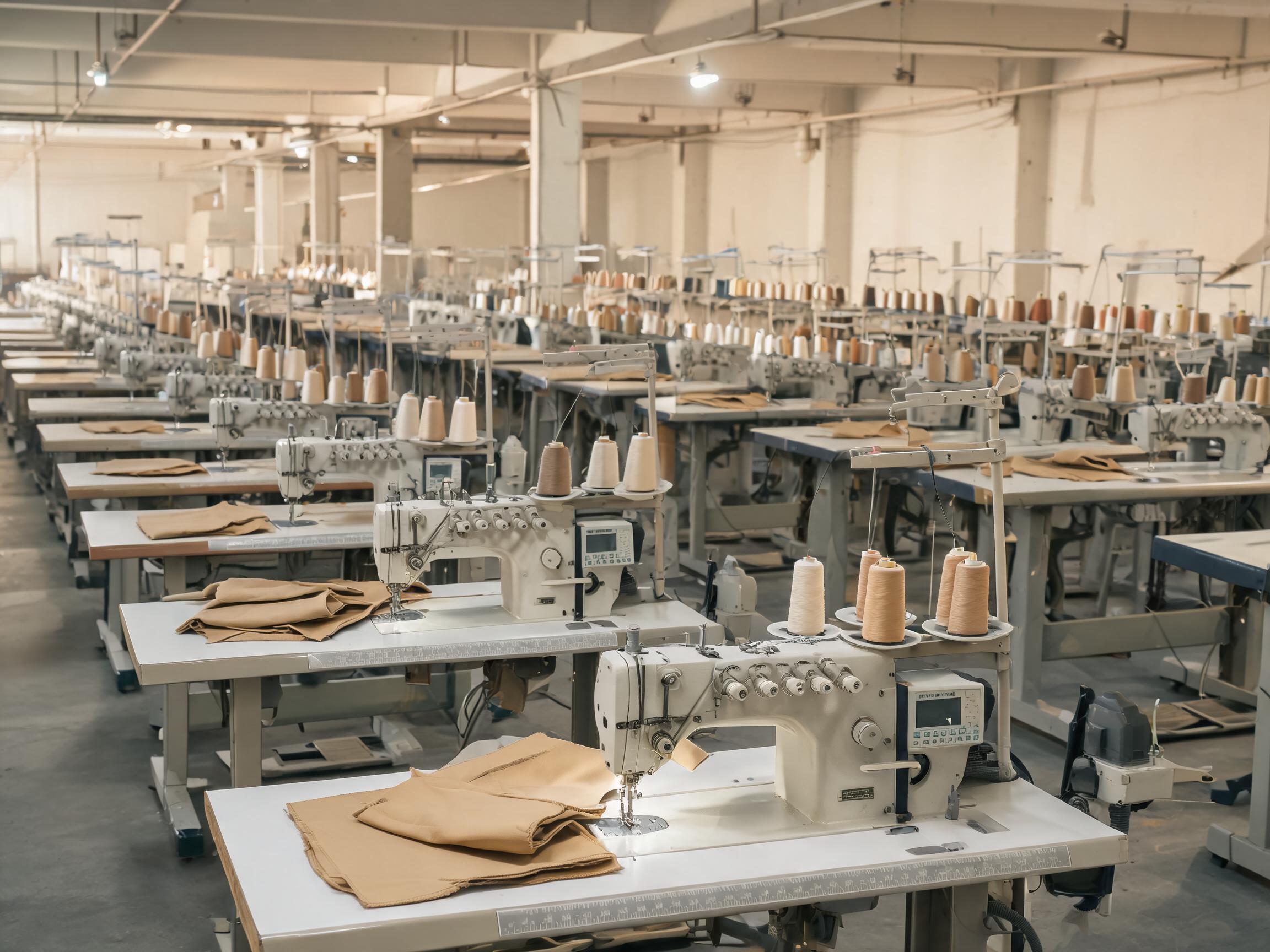
- A factory audit should confirm that cutting, sewing, assembly and inspection happen under one roof if that is what the supplier claims.
- Remote video audits can work, but only with a live walkthrough and specific proof points — not a pre-recorded tour.
- MOQ is negotiated against material, tooling and line setup — ask what drives the number, not just what the number is.
- Lead times are only meaningful when separated into sampling, production and shipping, each with its own conditions.
Shortlisting suppliers before you audit anyone
Most buyer disappointment starts at the shortlist stage, not at the factory gate. Before you invest time in audits, narrow the field using facts that can be checked from a distance.
- Legal identity and factory address. Confirm the business licence name matches the factory you will visit, and that the factory address is a production site — not a trading office or a virtual address.
- Production scope. Does the supplier make luggage and bags as its core business, or is luggage one line among unrelated products? Specialisation usually shows up in machinery, sample quality and how quickly they understand your spec.
- Certifications and compliance. Ask for the certificate itself, note the issuing body, the certificate number and the expiry date, and confirm the scope covers the products and site you are sourcing from. A quality management system certificate and a social compliance audit report answer different buyer questions — keep them separate.
- Export experience. Ask how many markets they ship to and how they handle documentation. A supplier with an export sales team serving buyers in multiple countries is used to the paperwork and communication rhythm of international orders.
- Order cycle coverage. The strongest suppliers support the full cycle: sampling, tooling, mass production, quality inspection and export. That reduces the number of handoffs where information gets lost.
The factory audit checklist: physical walkthrough vs remote video audit
An audit is not a tour. Its purpose is to verify whether the supplier can repeat the quality you see in a sample, at the volume you need, on the schedule you agreed. What you verify should be the same whether you are standing on the floor or watching a live video call.
What to verify on a physical walkthrough
- Material intake and storage. Are fabrics, linings, zippers, wheels and handles stored in a controlled area? Trace a material from storage to the cutting table and ask how batch traceability works.
- Cutting section. Look at the cutting equipment and how patterns are laid. Ask how they handle fabric defects and how much waste is normal on your material.
- Sewing lines. Observe whether lines are dedicated to specific product types or switched frequently. Count workstations and note how many are actually running during your visit.
- Assembly and hardware. For wheeled luggage, check how frames, telescopic handles, wheels and corner guards are fitted, and whether there is a jig or fixture for consistent assembly.
- Inspection stations. Identify where in-line and final inspection happen, what the inspection record looks like, and how rejected units are segregated and reworked.
- Sample room and tooling. A capable sample room is a leading indicator of how smoothly your development phase will go.
- Working conditions and social compliance. Observe lighting, ventilation, safety equipment, working hours records and whether the site matches the social compliance audit you were shown.
What to verify in a remote video audit
A remote audit is a reasonable substitute when travel is impractical, but it needs tighter controls:
- Insist on a live walkthrough with a stable connection — not a pre-recorded or heavily edited video.
- Ask the camera operator to walk a route you choose, in the order you choose, so the supplier cannot pre-select only the best line.
- Request close-ups of specific items: machine nameplates, inspection records, the certificate on the wall, the packing area.
- Ask for a warehouse or shipping area view and check whether finished goods are labelled with order numbers.
- Follow up with photos or a short clip of the same areas, so you can compare before and after.
Questions that reveal real capacity
Capacity claims are easy to make and hard to verify. Instead of asking "how big is your factory?", ask questions whose answers must be internally consistent.
| Question | What a credible answer looks like | Warning sign |
|---|---|---|
| What is your facility size and how is it organised? | A specific area and a breakdown of which processes sit where — cutting, sewing, assembly, inspection. | Vague references to "a large modern factory" with no layout detail. |
| How many people work in production? | A headcount consistent with the machines you saw or will see. | Numbers that change between calls, or that do not match the visible floor. |
| What is your monthly output? | A figure tied to product type, with an explanation of how it varies by style complexity. | A single number quoted for every product, with no qualification. |
| Which processes are outsourced? | A clear answer about what stays in-house and what does not. | Claims that everything is in-house while the audit shows otherwise. |
| How do you handle a defect discovered after packing? | A defined process for containment, root-cause review and corrective action. | "It won't happen" or "we will just replace it". |
How to read MOQ and lead-time quotes
MOQ and lead time are the two numbers most likely to be misunderstood in a quotation. Treat them as negotiable conditions with underlying causes, not fixed obstacles.
MOQ: ask what drives it
A minimum order quantity usually reflects one or more of the following: minimum fabric or component purchase from upstream mills, custom tooling or moulds, colour dyeing runs, and line setup time. When a supplier quotes an MOQ, ask which of these applies. That tells you whether the number can move — for example, if you accept a stock material or a shared colour, the MOQ may drop. If the MOQ is driven by custom tooling, the number is harder to change and the tooling cost should be quoted separately and transparently.
Lead time: split it into three parts
A single lead-time figure is almost meaningless. Ask for it in stages:
- Sampling lead time. Time from confirmed spec and materials to an approved sample, including revisions.
- Production lead time. Time from deposit and approved sample to goods ready for shipment. Ask whether this is counted from deposit or from material arrival, because material procurement can sit inside or outside the figure.
- Shipping and documentation time. Booking, inspection, loading and document turnaround.
Then test the figure against peak season. A lead time quoted in a quiet month may not hold before Chinese New Year or during a holiday period. Ask the supplier to state the conditions attached to the quote: what happens if materials are delayed, what is excluded, and how they communicate a slip.
Practical rule: put the agreed MOQ, the sampling lead time, the production lead time and the conditions attached to each into the purchase order. Verbal agreements do not survive staff changes.
Common red flags
- Reluctance to show the factory. Repeated excuses about timing, permissions or cleanliness before any audit has been scheduled.
- Certificates that do not match. A certificate with a different company name, an expired date, or a scope that does not cover luggage production.
- Inconsistent answers. Different headcounts, output figures or process descriptions on different calls.
- No sample room. A supplier that develops new styles without a dedicated sample capability will struggle with your spec changes.
- Pressure to skip the sample. Pushing you straight to a production order removes the cheapest place to catch a problem.
- Quotation gaps. No named contact for quality issues, no inspection standard, no written change process.
An example of an auditable supplier
When you evaluate a China luggage supplier, the useful question is whether the profile is specific enough to be checked. As an example, Wellmax Luggage is an OEM/ODM luggage and bag manufacturer founded in 2013, based in Quanzhou, Fujian, China. Its facility covers approximately 12,000 m² with cutting, sewing, assembly and inspection under one roof, and it employs around 320 people, producing approximately 150,000 pieces per month. The company holds ISO 9001:2015 quality management system certification and has completed a BSCI social compliance audit. Its export sales team serves buyers in more than 40 countries, and it supports the full order cycle — sampling, tooling, mass production, quality inspection and export.
That level of detail is what makes an audit productive: you know what to verify, you know which certificate to ask for, and you know which processes should be visible on the floor. Apply the same test to every supplier on your shortlist. If a supplier cannot tell you its facility area, headcount, output and certification with that level of specificity, the audit conversation will be difficult before it starts.
FAQ
Is a remote video audit enough for a first order?
It can be, if you control the walkthrough route and request live close-ups of machines, records and the inspection area. For a high-value first order, plan a physical visit once travel is practical.
Can MOQ be negotiated down?
Often the MOQ is driven by material minimums, tooling or dyeing runs. Ask what causes the number. If you accept a stock material or a standard colour, the MOQ may be lower.
Why should lead time be split into stages?
Because a single number hides the part most likely to slip. Separating sampling, production and shipping lets you see which stage carries the risk and where to build in buffer.
Which certificates should I ask to see?
Ask for the certificates relevant to your requirement — for example a quality management system certificate and a social compliance audit report — and check the company name, scope and expiry date on each.
If you are building a shortlist and want to test how a supplier answers audit questions, start by requesting details on facility, certification and order cycle coverage. A supplier that answers with specifics is ready for the next stage.