OEM Specification Guide
Executive backpack programs are won or lost in the specification document, not the showroom sample. A china executive backpack buyer who locks the laptop compartment, trim and branding details before tooling avoids three common problems: devices that do not fit the intended user group, leather that fails where it matters, and logos that wear out in daily carry. This guide covers the decisions that change the answer for each program.
Key takeaways
- Match the laptop compartment to the device class you are targeting, not to the largest laptop on the market.
- Specify padded suspension rather than a claim that the bag "fits all" sizes.
- Leather trim pays off at contact points — handles, zipper pulls, logo plates — and adds risk in fold areas.
- Choose the logo method by quantity and where the logo sits; brief it into the sample, not after.
- Confirm the spec sheet, MOQ and lead time in writing before bulk production.
Start With the Laptop Compartment, Not the Shell
Most buyers start with silhouette, color and material. For an executive laptop backpack, the compartment drives fit, protection and reorder rate, so spec it first and let the shell accommodate it.
Sleeve size vs device class
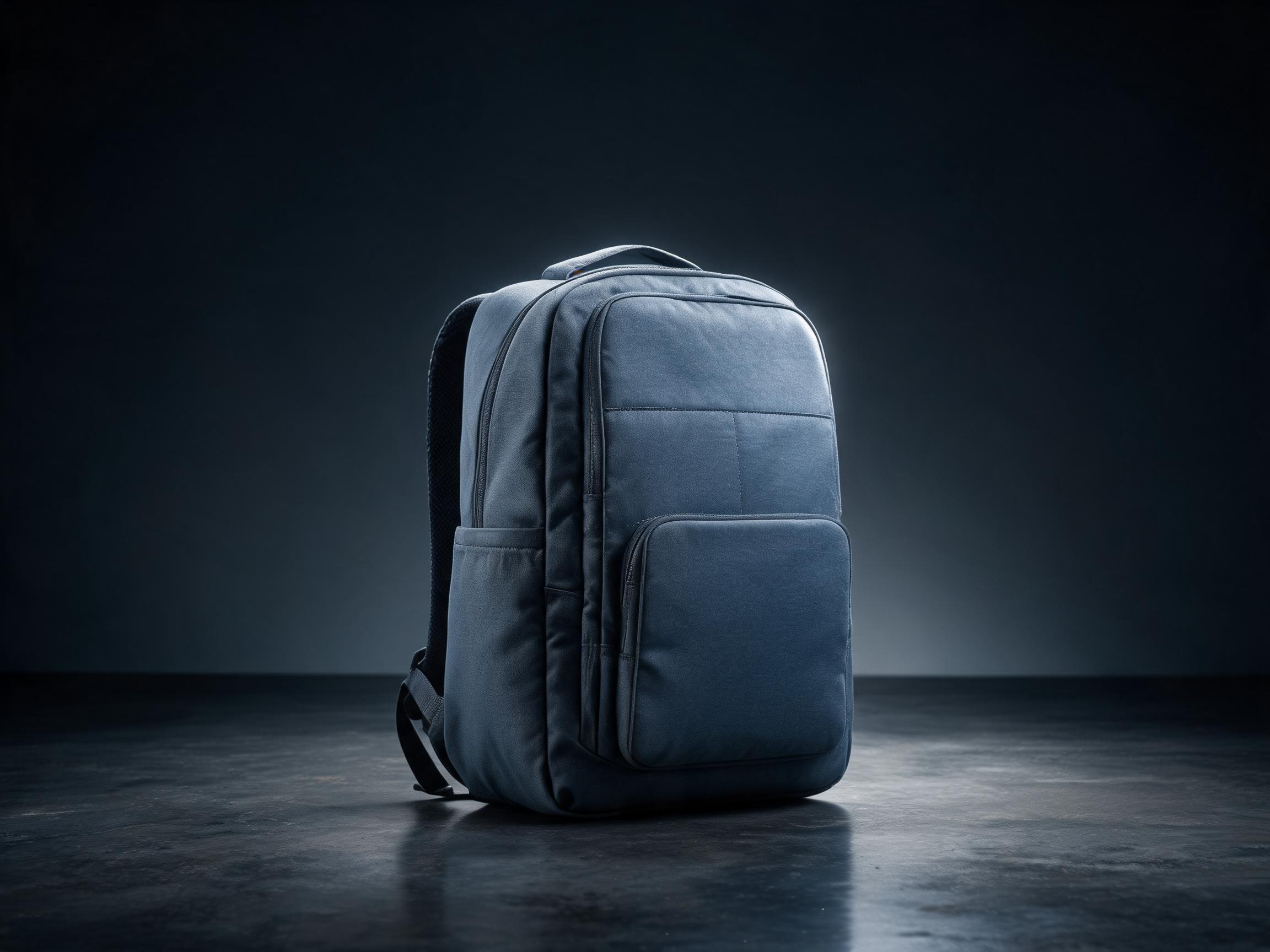
A published example is the Laptop Commuter Backpack 18L, which uses a padded dedicated laptop compartment that fits up to 15.6-inch devices. That is a device-class spec, not a universal claim. If your end users carry 13-inch ultrabooks, an oversized compartment lets devices slide during carry; if they carry 15.6-inch machines, an undersized sleeve fails on day one. Decide the maximum device class your program must serve, then size the sleeve to that class with a small tolerance for protective cases. Confirm the tolerance with your supplier during sampling — a sleeve measured without a case will not perform the same way once one is added.
Padding placement and suspension
Two questions decide protection quality: how thick the padding is, and how the sleeve is held inside the bag. A suspended sleeve keeps the laptop off the base of the bag, so a drop onto the bottom edge is absorbed before it reaches the device. A sleeve that rests on the bag bottom relies on the padding alone. Ask your supplier to describe the suspension method in the sample review, and check whether the sleeve is stitched to the back panel or to the bag base. This is a factory process question, and it should be answered with the sample in hand rather than in a specification table.
Access style
Top-loading, side-loading and front-panel access each change the design. Side access is convenient in transit but usually requires an opening in the side wall that affects trim and hardware planning. Top access is simpler to seal and easier to pad. Whichever you choose, specify the opening dimensions and confirm the closure: a zipper with pulls that can be gripped with one hand is a different part from a covered zipper.
Where Leather Trim Pays Off — and Where It Does Not
Leather trim signals an executive positioning that polyester alone does not. The cost question is not "leather or no leather"; it is where leather earns its place.
- Handles and pulls: these are the contact points buyers notice and touch. A leather handle wrap and leather zipper pulls survive daily use better than decorative trim, and they show quality at the moment of unboxing.
- Logo plates and small panels: a leather plate gives a metal or embossed logo a defined background, which matters when your corporate mark is fine-lined.
- Fold areas and stress seams: this is where leather adds cost and risk. Leather has limited stretch, and a fold that works in fabric can crease or crack in leather. Keep leather to low-flex panels unless the supplier has a confirmed construction for the fold.
Leather is quotable as part of the trim and hardware package. Rather than guessing at an upgrade budget, define your priority: if logo visibility is the goal, put leather near the logo; if durability is the goal, put it where hands go. The supplier can then quote the trim package against those two priorities.
Corporate Logo Customization: Method by Quantity and Durability
Logo method should follow quantity and position, not personal preference. The four methods below can all be quoted on request as part of an OEM program.
| Method | Best for | Durability considerations |
|---|---|---|
| Woven label | Repeated brand use, front panel, shoulder strap | Color and detail hold across production lots; labeled placement is consistent |
| Embroidery | Text, monograms, coarser marks | Strong on fabric; fine detail is limited by stitch size |
| Screen printing | Flat panels, simple marks | Requires a suitable base fabric and placement away from high-wear folds |
| Metal plate | Executive positioning, logo on leather | Fixed geometry; needs a flat mounting surface and defined fastening |
Brief the method into the sample. Send vector artwork, state the logo dimensions and position, and name the target panel. If the logo will sit on leather, confirm the plate or emboss type with the sample maker. If the logo will sit on a high-wear panel, choose a method that is applied before assembly rather than one that is added on top.
What to Confirm Before You Order
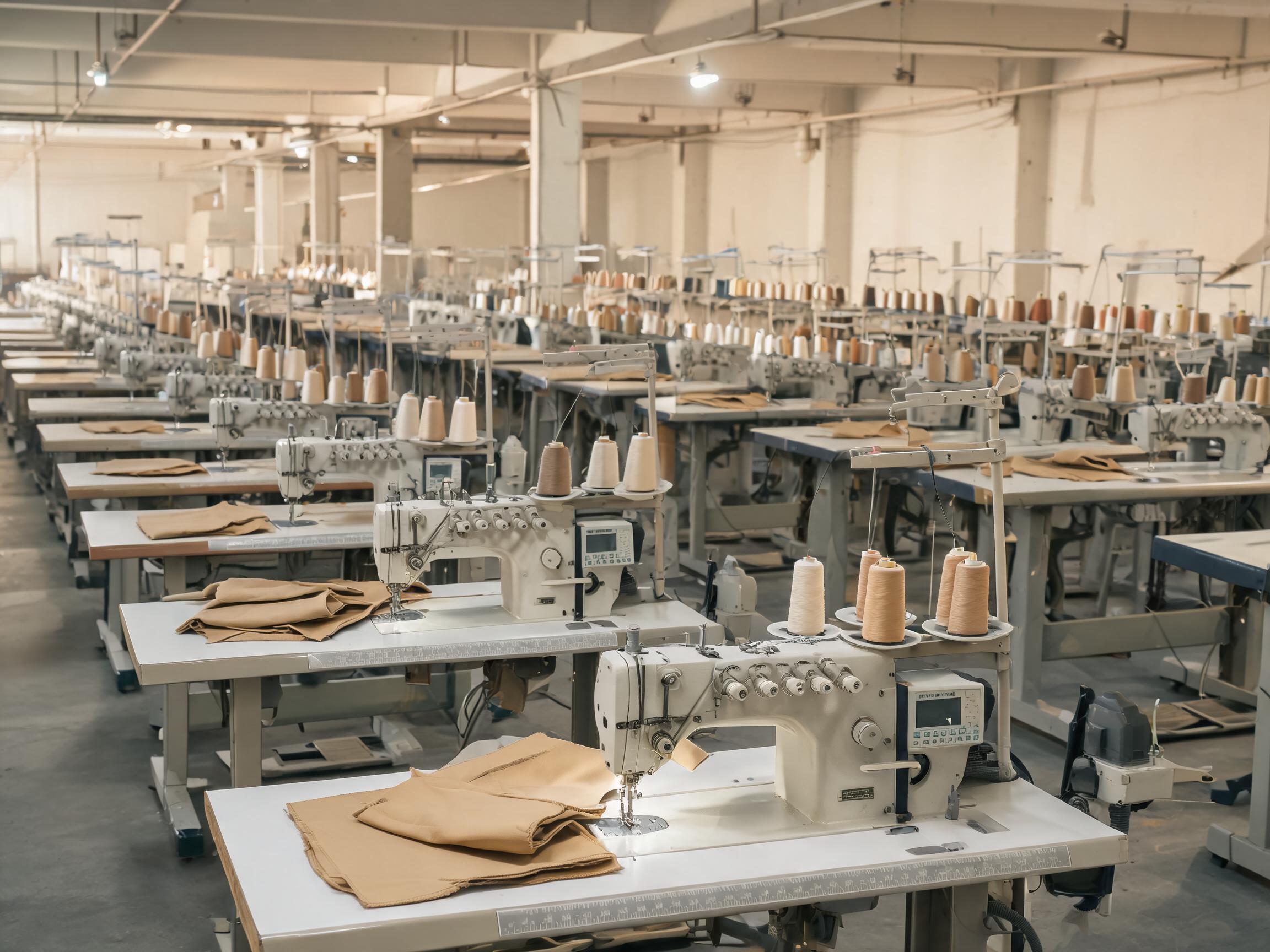
Wellmax Luggage is an OEM/ODM luggage and bag manufacturer in Fujian, China, founded in 2013. It runs a 12,000 m² facility with cutting, sewing, assembly and inspection under one roof, employs about 320 people, and has a capacity of roughly 150,000 pieces per month. It exports to buyers in more than 40 countries. Its quality management system is ISO 9001:2015 certified, and it holds a BSCI social compliance audit. Both apply at the company and factory level; a product-specific certificate is a separate document and should be requested per program.
The reference 18L laptop commuter backpack carries an MOQ of 500 pcs and a lead time of 30–35 days. Packaging is individual polybag plus carton. Fabric and denier, color, laptop sleeve size and pocket layout, zipper, pulls and webbing hardware, woven labels, embroidery, screen printing and branded packaging are all quotable on request.
Before confirming the order, check the spec sheet against your own requirements:
- Device class and sleeve dimensions, with the tolerance stated
- Padding thickness and suspension method
- Trim materials and their placement, especially any fold areas
- Logo method, size, position and artwork format
- Color, hardware and packaging specification
- MOQ, lead time and sampling schedule
If the program covers more than one backpack style, our business laptop bags range can be reviewed alongside this spec so trim and hardware are consistent across the line.
FAQ
What is the MOQ for an executive backpack OEM order?
The reference Laptop Commuter Backpack 18L has an MOQ of 500 pcs. For other configurations, MOQ is confirmed during quotation because it depends on fabric, hardware and customization.
How long does production take after the order is confirmed?
The reference model has a lead time of 30–35 days. Sampling and artwork approval happen before that window, so build them into your launch schedule.
Can the laptop compartment be customized?
Yes. Laptop sleeve size and pocket layout are quotable on request. Provide the device class and any tolerance you need during sampling.
Is the factory certified?
Wellmax Luggage holds ISO 9001:2015 certification and a BSCI social compliance audit at the company and factory level. Product-level documents should be requested separately for each program.
Ready to specify your executive backpack program?
Send your device class, trim priorities, logo artwork and target quantity. We will quote the configuration and confirm the sample schedule.