Procurement Guide
A duffel program looks simple on a line sheet and gets complicated at the sample table. Body fabric, handle attachment, zipper tape and end-panel construction decide whether the bag survives a checked-bag carousel or a gym locker. This guide covers what an overseas buyer must decide before ordering from a China soft-goods manufacturer.
Canvas versus Nylon for the Duffel Body
Both fabrics are used for duffel bodies, and the right answer depends on where the bag will be used, not on which one is "better." They differ in three ways that matter to a buyer.
Weight and structure
Canvas reads as heavier and more structured: a canvas duffel holds its shape when empty and stands up better on a shelf. Nylon is lighter and more pliable; it packs down smaller for shipping and for the end user's storage. If your product is sold on shelf presence, canvas has the advantage; if it is sold on packability, nylon usually wins.
Weave density and abrasion
Weave density varies widely in both families, and it is not visible in a photo. Ask the manufacturer for the fabric specification and any test report they can share for the exact fabric being quoted, and compare those documents across suppliers rather than judging from a swatch alone.
Color and print compatibility
Canvas takes dye and screen print with a matte, slightly textured finish, which suits screen-printed logos and earth-tone colorways. Nylon has a smoother, often slightly sheened surface and works well for tonal prints, heat-transfer decoration and brighter colors. If your logo has fine detail or a gradient, review a decorated sample rather than a flat swatch. For either fabric, ask for the color-fastness report that corresponds to your chosen color, and do not assume a claim carries over between colorways.
| Decision point | Canvas | Nylon |
|---|---|---|
| Hand feel and structure | Heavier, holds shape empty | Lighter, folds down smaller |
| Typical use case | Travel and weekender programs with shelf presence | Gym, sports and packable travel programs |
| Decoration fit | Screen print, matte finishes | Tonal print, heat transfer, brighter colorways |
| What to request | Fabric spec, color-fastness report for the chosen colorway | Fabric spec, coating details, decoration trial on the chosen fabric |
Structure and Force Points to Inspect
A duffel fails where load concentrates. When you review a sample, work through the bag in this order and note what you see at each point.
Body seams
The cylinder body is usually assembled from panels joined along the length of the bag. Confirm the seam type, whether it is taped or bound, and how the seam allowance is finished inside.
Handle attachment
Handles carry the entire loaded weight. Check whether each handle end is bar-tacked, box-stitched or reinforced with a patch, and whether the attachment point is backed inside the bag. This is the single most common point of field failure — ask the supplier to describe the method in writing so it can be repeated in bulk.
Zipper tape and sliders
Check the tape width against the opening, whether it is stitched single or double row, and whether the tape ends are secured past the opening so the slider cannot run off. Test the slider through the full length under a partial load.
End-panel, base and hardware
End panels take impact when the bag is set down or dragged; the base carries abrasion and ground moisture. Check whether either panel has an internal stiffener, how it is joined to the body, and whether the base differs from the body fabric or has a reinforced rub patch. Review D-rings, clips and detachable-strap hardware for the load rating the supplier can document, and inspect stitch density at every load point. Ask how the reinforcement is specified so it does not quietly change between sample and bulk.
Why factory structure matters here
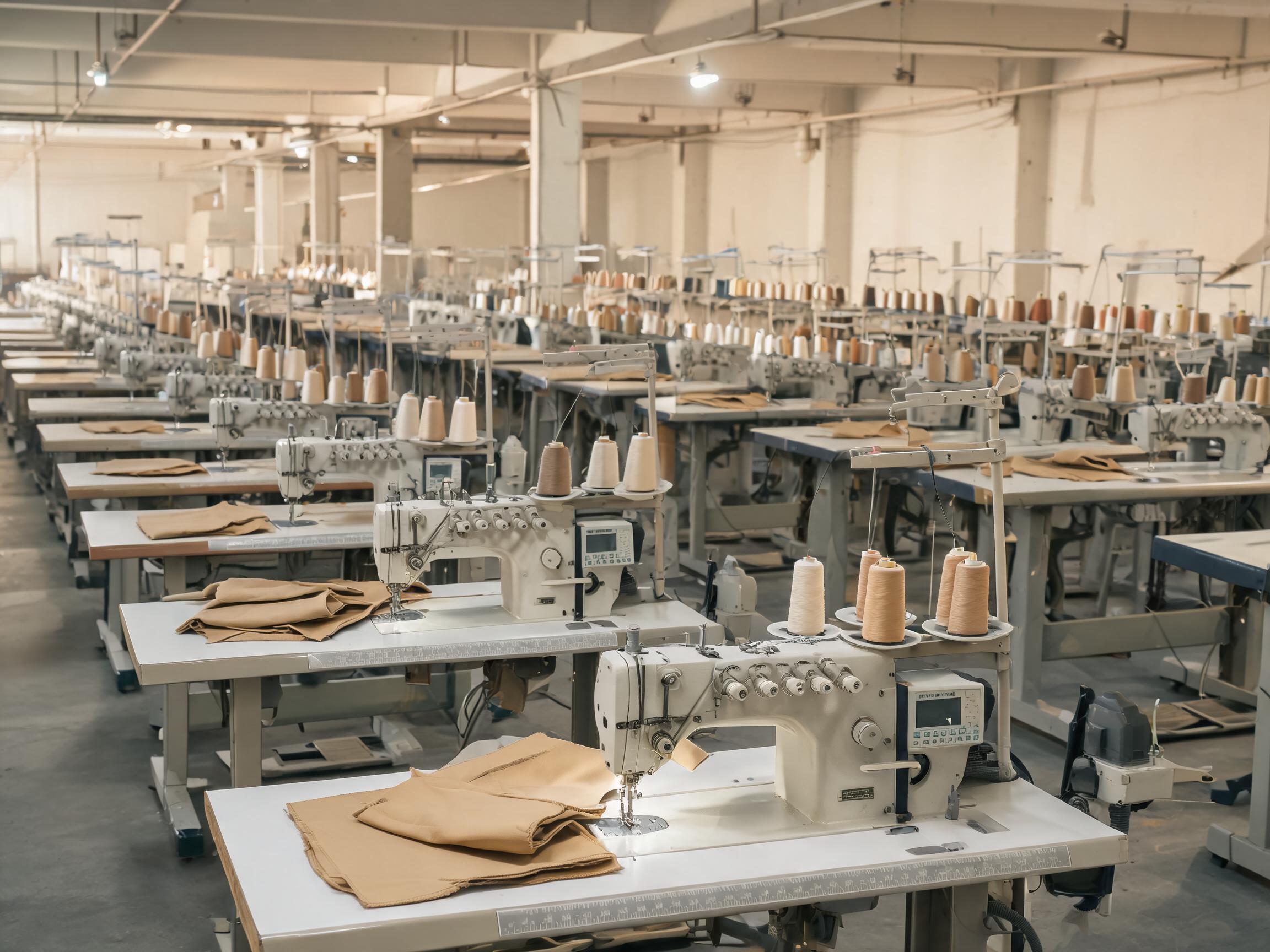
Wellmax Luggage is an OEM/ODM luggage and bag manufacturer founded in 2013 in Fujian, China, with roughly 320 staff and a 12,000 m² facility that holds cutting, sewing, assembly and inspection under one roof. Production runs at roughly 150,000 pieces per month across trolley cases, backpacks, business bags and handbags, with buyers in more than 40 countries. The facility is ISO 9001:2015 certified and BSCI-audited at company and factory level.
Water-Resistance Approaches and Their Limits
Water resistance in a duffel is a layered decision, and each layer has a boundary. Buyers who understand the boundary avoid over-promising on the box.
- Fabric coating or backing. A coated fabric resists light rain and splashes; it does not make the bag waterproof.
- Seam treatment. Seams are the first path for water ingress. Seam sealing or taping reduces it but adds a process step and a visible difference inside the bag.
- Zipper choice. A standard coil zipper is not a water barrier. A water-resistant zipper or storm flap changes construction and cost, and still has limits at the opening ends.
- Base and hardware. A coated base reduces ground moisture; untreated webbing and metal hardware can still retain water.
Because coating and finishing vary by fabric supplier and run, ask the manufacturer to state exactly what water-resistance level they claim, on which fabric and construction, and to support it with a test report. If they cannot, treat the claim as a marketing description rather than a specification.
Private-Label Small Runs versus Bulk Runs
Small runs and bulk runs are not the same project at different quantities. The differences show up in sampling, decoration and order terms.
Sampling
Sampling is part of the OEM/ODM order cycle. On a small private-label run, expect to spend proportionally more time and cost on sampling, because a larger share of the order is validated at sample stage. On either run size, approve the sample as a written specification, not as a single bag.
Decoration
Screen printing needs a screen per color; embroidery needs a digitized file and is priced per stitch count; heat transfer needs a plate or print file; patches need their own mold. Small runs are more sensitive to per-setup costs, while bulk runs spread them.
Order terms
Minimum order quantity for duffels is not a single number. It is driven by fabric procurement (a mill may have a minimum per fabric and color), hardware sourcing, and decoration setup. Confirm the category MOQ for your specific combination rather than assuming a figure from another bag program.
| Element | Private-label small run | Bulk run |
|---|---|---|
| Sampling weight | Higher share of order cost; validates the program | Cost spread across more units; sample still defines the spec |
| Decoration setup | Per-color and per-die setup is a larger share of unit cost | Setup amortized across the run |
| Fabric and hardware MOQ | Often the binding constraint | Easier to match mill and component minimums |
Order terms, MOQ and lead times for duffels should be confirmed with the manufacturer for your specific combination; they are not fixed across all duffel projects.
Pre-Order Checklist for a Duffel Program
- Use case and load. Define the intended use and the maximum loaded weight the bag must carry.
- Body fabric. Choose canvas or nylon, then request the fabric specification and test reports for that exact fabric.
- Color and fastness. Request the color-fastness report for that color on that fabric.
- Reinforcement specification. Get seam type, handle attachment, zipper tape and slider, end-panel and base construction written into the sample specification.
- Water-resistance claim. Ask the supplier to state the claim and support it with a test report, or drop the claim from the packaging.
- Decoration artwork. Send vector artwork, confirm the recommended method for your fabric, and approve a decorated sample.
- MOQ drivers. Ask which of fabric, hardware or decoration setup is driving the MOQ for your program.
- Sample approval. Sign off on a written specification alongside the physical sample so bulk production has a reference.
FAQ
Should I choose canvas or nylon for a duffel bag?
It depends on the use case. Canvas is heavier and holds its shape when empty, which suits travel and weekender programs where shelf presence matters. Nylon is lighter and packs down smaller, which suits gym, sports and packable travel programs. Ask for the fabric specification of each option before deciding.
What drives the minimum order quantity for duffel bags?
MOQ is driven by fabric procurement, hardware sourcing and decoration setup. Each can carry its own minimum, so confirm the category MOQ for your specific fabric, hardware and decoration combination with the manufacturer.
Wellmax Luggage runs OEM and ODM luggage and bag programs from its Fujian facility, with cutting, sewing, assembly and inspection under one roof, dedicated sewing lines and finished-product inspection before packing. If you are planning a duffel program, send your use case, target fabric direction and decoration artwork, and the team can advise on construction, sampling and the order terms that apply to your combination.