Wholesale sourcing guide
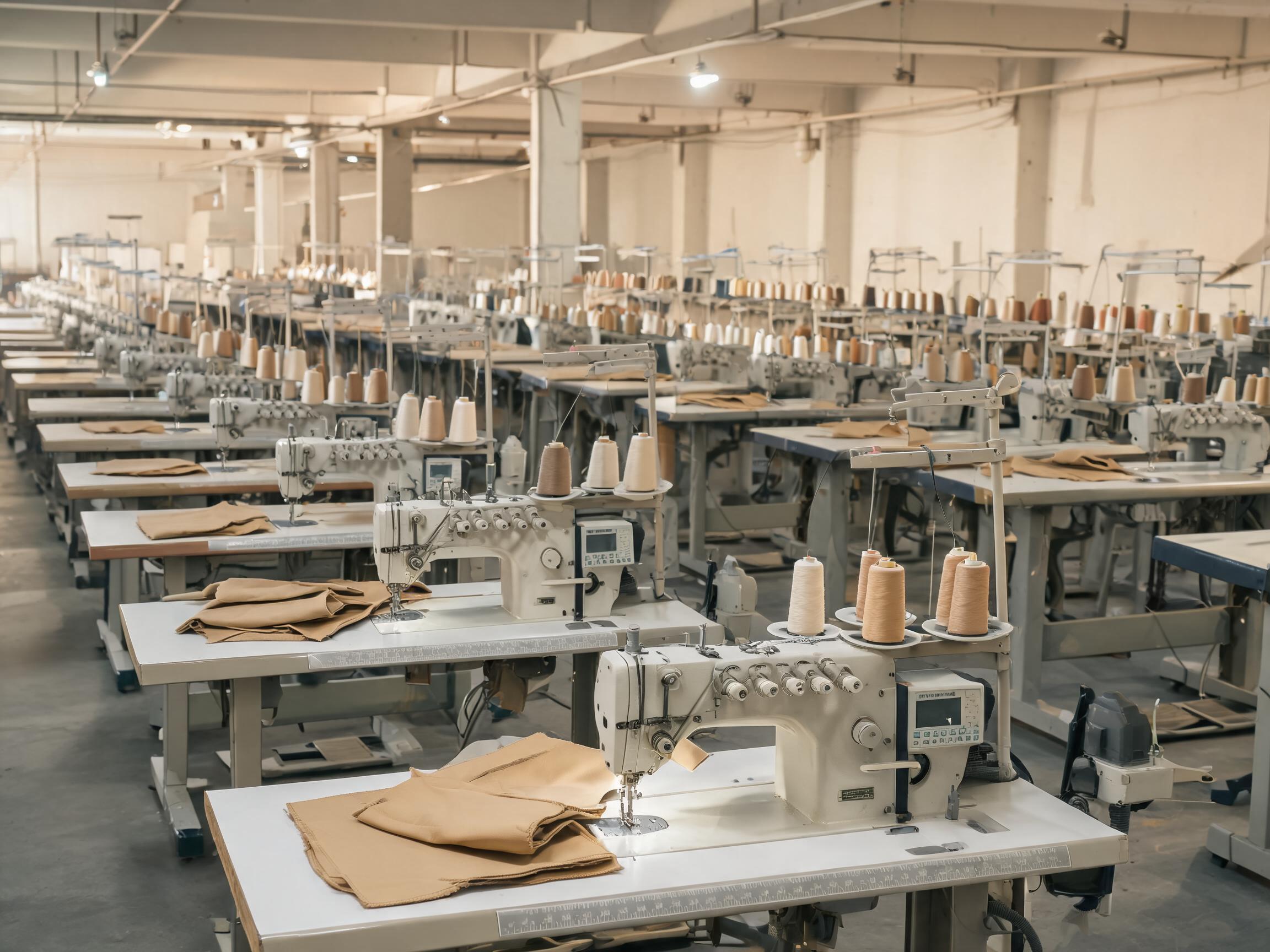
Diaper bags sit at the intersection of two demanding product categories: they need the durability and water resistance of an everyday technical bag, and the interior organization of a dedicated baby-care accessory. For baby retail chains, gift distributors and promotional-product buyers, that combination makes the category profitable but specification-heavy. This guide covers the three areas that shape a wholesale diaper bag program: shell fabric selection, internal organization features, and order structure — from minimum order quantities to carton packing and labeling. The examples come from Wellmax Luggage, a Fujian-based OEM/ODM bag factory producing roughly 150,000 pieces per month across cutting, sewing, assembly and inspection lines in a 12,000 m² facility.
Why Diaper Bags Are Quoted as Their Own Program
First-time wholesale buyers often assume a diaper bag is simply a tote or backpack variant that any bag factory can quote from an existing mold. In practice, experienced manufacturers treat diaper bags as a distinct program because the spec sheet differs from an ordinary shoulder bag: coated fabrics, insulated and wipeable pockets, a changing pad, and stroller hardware all change the bill of materials and the sewing sequence. Wellmax does not currently list a dedicated diaper bag SKU in its published catalog; diaper bags are quoted as their own OEM or ODM program, developed by the in-house design studio from a buyer's brief or reference sample, then sampled and quoted individually.
Customization can be illustrated from existing catalog programs. The Nylon Shoulder Crossbody Bag is the closest published example of a lightweight nylon everyday-bag program: buyers specify the nylon type and denier, shell color, strap width and adjustment range, pocket count, interior dividers and zipper configuration, then choose branding from woven labels, rubber patches, screen printing and branded packaging. A diaper bag program follows the same specification logic — only with a longer feature list, as the sections below explain.
Specifying the Shell: Waterproof Nylon and Polyester Options
Most wholesale diaper bags use one of two shell approaches, and buyers should decide between them before sampling begins:
- Coated nylon. Lightweight, abrasion-resistant and packable. Denier choice drives both cost and feel — lighter deniers suit compact crossbody-style diaper bags, while heavier deniers hold their shape in structured totes and backpacks. Specify the nylon type, denier and shell color explicitly, as the crossbody program does, rather than accepting a generic "nylon" line item.
- Coated polyester. Typically more colorfast and slightly stiffer, which helps bags hold a structured silhouette on a retail shelf. The Slim Laptop Messenger Bag shows how a polyester program is specified: base fabric, denier and shell color are listed customization points, alongside closure strength and hardware.
Neither fabric is waterproof on its own; water resistance comes from the coating or lamination applied to the base cloth. When evaluating suppliers, buyers should ask which coating system is used (PU coating and PVC lamination are the common options), request a fabric swatch with the coating applied, and ask how seam construction handles water entry — taped or welded seams add cost but matter for a product that gets set down on wet changing tables. Zippers are the other weak point: a water-repellent shell with standard zippers still admits water along the openings, so zipper tape and puller type belong on the spec sheet. Zipper function checks are already part of Wellmax's inspection workflow on existing programs — a reference point for what to request in a diaper bag quality plan.
Internal Organization: The Features That Define the Category
What separates a diaper bag from a generic tote is the interior. Buyers should treat each of the following as a named spec item agreed before sampling, not a surprise left to the factory's interpretation:
- Insulated bottle pocket. Specify the number of pockets, the bottle diameter they must accept, the insulation material (closed-cell foam is the usual choice), and whether they sit inside the main compartment or on the exterior.
- Wipes pocket. A dedicated, quick-access pocket — often with a slit opening so a wipe can be pulled one-handed. Confirm the opening width and whether the pocket is lined.
- Washable changing pad. Agree on whether the pad is included, its folded and unfolded dimensions, the shell fabric (wipeable coated fabric is standard), and whether it stores in a dedicated sleeve.
- Stroller attachment straps. Specify strap type (hook-and-loop, clip or buckle), attachment points, and — critically — strap attachment strength. Strap strength checks are part of the inspection workflow on Wellmax's messenger program, so asking a supplier to apply the same check to stroller straps is a reasonable, verifiable request.
- General layout. Pocket count, divider positions, and closure types per pocket should be drawn into the sample spec. The laptop messenger program shows the level of detail a factory can work from — pocket layout and divider positions are itemized customization options — and a diaper bag layout deserves the same granularity.
Exterior silhouette matters too: backpack, tote, crossbody and convertible styles all sell in the category, and the closure choice (zipper versus magnetic flap) affects both security and cost. The crossbody and messenger programs demonstrate both closure types in production, with magnetic closure function checked as part of workflow on the messenger.
How a Wholesale Diaper Bag Order Is Typically Structured
MOQ models and lead times
Published catalog programs give useful reference points for order structure. Both the nylon crossbody and the polyester messenger carry an MOQ of 500 pieces with a 30–35 day lead time; the full-grain leather briefcase runs a lower MOQ of 200 pieces at 35–40 days, reflecting the different material economics. A diaper bag program will be quoted on its own materials and construction, so buyers should expect the factory to propose MOQ per colorway and per size rather than a single blended number. When requesting quotations, ask suppliers to state MOQ per color, sample cost and sample lead time separately from production lead time.
Mixed-color and mixed-size packing
Retail chains rarely want 500 units of one color. Wholesale programs are usually packed as mixed-color, and where size variants exist, mixed-size cartons as well. The practical details to agree during quotation: units per polybag, units per inner box (if used), units per master carton, the color ratio per carton, and carton marking. The catalog packaging standard — individual polybag plus carton, as used on both the crossbody and messenger programs — is a typical baseline; buyers with retail-ready packaging requirements should specify hang tags, UPC label placement and any inner-box requirements upfront, since branded packaging is a listed customization option.
Labeling and branding
Private-label branding options on existing Wellmax programs include woven labels, rubber patches, screen printing, embossed marks and branded packaging; the leather briefcase adds debossed and foil logos and hang tags. For a diaper bag program, the usual set is a woven main label in the interior, a branded hang tag, and either a rubber patch or screen print on the shell. Confirm label artwork formats, placement drawings and compliance language required for the destination market during sampling.
What to Confirm During the Quotation Stage
A disciplined RFQ keeps a diaper bag program on schedule. Before issuing a purchase order, buyers should ask whether the supplier:
- Quotes MOQ per colorway and states sample lead time separately from production lead time;
- Identifies the shell coating system and provides coated fabric swatches;
- Includes zipper function and strap attachment strength checks in the inspection plan — Wellmax's export sales team also asks buyers about third-party inspection requirements during quotation, which is worth extending to any new program;
- Confirms preferred Incoterms and packaging breakdown (polybag, inner box, carton, carton marking);
- Operates under documented quality management — Wellmax's facility is covered by an ISO 9001:2015 certified quality management system spanning design, manufacturing and sales, and the production facility has been audited under BSCI social compliance.
Buyers can request quotations directly through Wellmax's export sales team, which handles inquiries, quotations and order follow-up for buyers in more than 40 countries. The practical starting point is a brief that names the fabric system, the organization features above, target retail market and estimated annual volume — the factory's design studio then develops and quotes the program.
Bringing the Specification Together
A diaper bag wholesale order succeeds or fails on the quality of its pre-sample specification. Lock the shell fabric, denier and coating; itemize every interior feature from bottle pocket diameter to stroller strap strength; and agree the MOQ, packing ratio and branding set in writing before the first sample is cut. Factories that develop programs the way Wellmax specifies its nylon and polyester catalog lines — denier, hardware, pocket layout, labeling and packaging all named on the page — make that process straightforward. Buyers who arrive with a written spec and verify coating, closure and strap-strength handling during sampling enter production with few open questions and a clear inspection standard.