When you search for custom luggage — a term that draws about 3,600 searches a month from buyers like you — you are not looking for a product page. You are looking for a factory that can turn your brand and your specification into a suitcase that passes your quality bar, ships on time, and sells in your market. The challenge is that most suppliers will say yes to everything. The real question is how to structure the process so that what you approve in a sample is what arrives in your warehouse.
This guide walks through the full sourcing cycle for OEM/ODM suitcases from China: defining your specification, working through sampling and tooling, moving to mass production, and verifying quality before shipment. It uses the capabilities of Wellmax Luggage, an OEM/ODM luggage and bag manufacturer based in Fujian, China, as a concrete reference point — but the principles apply to any serious supplier evaluation.
In this article
Step 1: Specify your custom trolley case
The more precisely you define your case, the fewer surprises later. A custom suitcase is not a single product but a combination of decisions: shell material, wheel and handle configuration, interior layout, and dozens of smaller choices. Each one affects cost, durability, and how the bag performs in your market.
Shell material: the main structural decision
The shell is the most visible and most important choice. It determines weight, impact resistance, surface finish, and how your logo will look. Here is a practical comparison of the common options you will encounter when working with a custom luggage manufacturer:
| Material | Typical characteristics | Considerations for buyers |
|---|---|---|
| Polycarbonate (PC) | Lightweight, flexible, good impact resistance, smooth surface | Popular for hardshell spinners; supports matte or glossy finishes; a good default for cabin and mid-size cases |
| ABS | Rigid, economical, slightly heavier, less flexible than PC | Budget-friendly option; may be more prone to cracking under heavy impact |
| PC/ABS blend | Balances cost and durability; better impact than pure ABS | A common compromise for mid-range programs |
| Aluminum frame | Premium look, high rigidity, often heavier | Used for luxury or business lines; consider weight limits for air travel |
| Softside (polyester/nylon) | Flexible, expandable, often lighter, with external pockets | Good for duffels and hybrid designs; less rigid protection |
Wellmax produces both hardshell and softside lines. For example, the Hardshell Trolley Case 28 inch PC Spinner is a polycarbonate case with roughly 95 liters of capacity, available in matte black, navy, or silver — a typical starting point for a custom program. If you are targeting cabin size, the 22-inch polycarbonate cabin luggage offers a compact footprint. For a premium line, an aluminum-frame checked luggage set gives a very different shelf presence.
When comparing materials, ask your supplier for the actual shell thickness and the specific resin grade. Do not rely on adjectives like “premium” — ask for the material name and the manufacturing process (e.g., injection molding vs. vacuum forming).
Wheels and handle configuration
These are the moving parts that fail first. For a custom program, you need to decide:
- Wheel type: spinner (4 wheels) vs. inline skate (2 wheels). Spinners are standard for most travel luggage now, but 2-wheel designs are still preferred for some business or heavy-duty lines.
- Wheel material: typically polyurethane (PU) over a plastic core. Softer PU rolls more quietly but may wear faster; harder PU lasts longer but can be noisier.
- Handle system: telescopic handles come in different tube materials (aluminum is common), locking mechanisms, and heights. Test the handle at the sample stage — it is a common source of complaints.
Your supplier should be able to tell you the wheel cycle count they test to, but if they do not provide that data, ask for their test method. A reliable factory will have a documented procedure, even if the number is not in a brochure.
Interior layout and branding
The interior is where your brand is experienced. Decide on:
- Number of compartments, pockets, and straps
- Lining material and color (e.g., 210D or 300D polyester is common)
- Zipper type and size (e.g., #5 or #8 coil zippers)
- Branding: embossed logo, printed logo, woven label, or a combination
Wellmax’s in-house design and development studio works with buyers on exactly this: developing new styles, selecting materials, and preparing samples for OEM and ODM programs. If you do not have a full spec, they can start from a reference product or a sketch.
Step 2: Sampling and tooling
Once your specification is documented, the next phase is physical validation. This is where a good factory separates itself from a trading company.
What a sample should tell you
A pre-production sample is not just for looks. Use it to verify:
- Shell dimensions and weight against your spec
- Wheel and handle function — open, extend, roll, lock
- Interior layout and stitching quality
- Logo placement and finish
- Overall workmanship: seams, edges, zipper alignment
Ask for the sample in the exact materials and colors you plan to order. A “sample” made from different materials will not tell you how the final product will perform.
The role of tooling
If your design requires a new mold (for a unique shell shape or an unusual handle mount), tooling is a separate investment. The factory will need to create a mold, test it, and adjust it. This is a normal part of custom luggage manufacturing, but it affects both cost and lead time. Confirm with your supplier:
- Whether your design requires new tooling or can use an existing mold
- The expected number of sample rounds before the mold is approved
- Who owns the mold after production ends
If you are working with Wellmax, their factory in Fujian has been running since 2013 and their team manages the full order cycle, including tooling. You can expect a structured process where each sample round is documented and compared against your spec.
Step 3: From sample approval to mass production
After you approve the final sample, the order moves to mass production. This is where scale and process discipline matter.
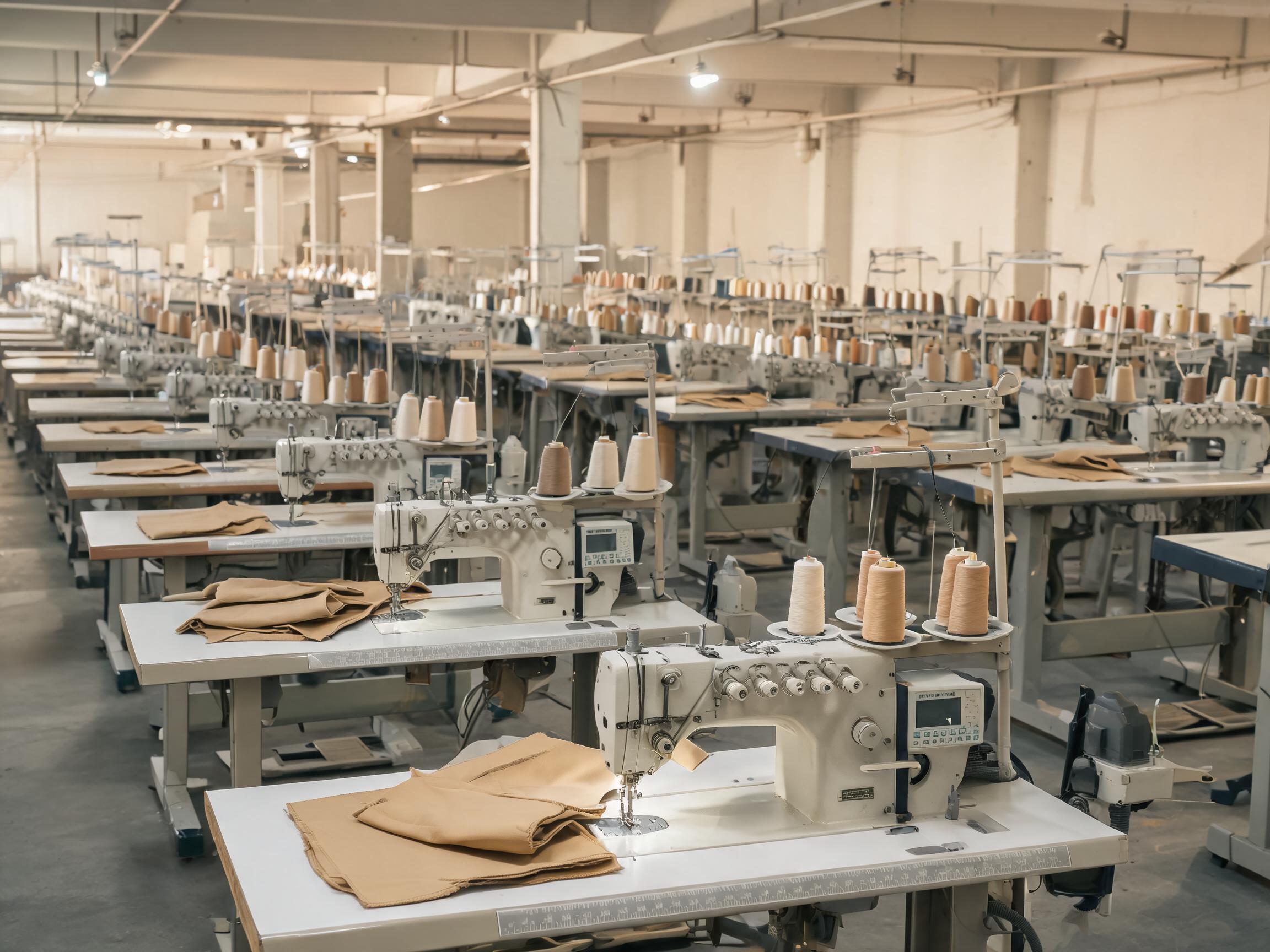
Wellmax operates a 12,000 m² facility with about 320 employees and produces roughly 150,000 pieces per month. That scale means they can handle both small test runs and larger container orders. But capacity is only part of the story. The factory’s ISO 9001:2015 certification — covering design, manufacturing, and sales of luggage and travel bags — indicates that they have documented quality management processes. In practice, this means there should be defined checkpoints for incoming materials, in-process inspection, and final audit.
During production, you should expect:
- A production schedule with clear milestones
- Regular progress updates, especially for large orders
- Mid-production inspection options (either third-party or by the factory’s own QC team)
It is also worth confirming the factory’s social compliance status. Wellmax has passed the BSCI (Business Social Compliance Initiative) audit, which is a signal for buyers who need to demonstrate ethical sourcing to their own customers.
Step 4: What to verify before shipment
Before you release payment and the containers leave the port, you need to verify that the mass-produced goods match the approved sample. Here is a practical checklist:
- Quantity: Confirm the number of pieces per carton and total cartons against the packing list.
- Appearance: Check for color consistency, surface defects, and correct logo placement across multiple cartons.
- Function: Test wheels, handles, zippers, and locks on a sample from different cartons.
- Dimensions and weight: Measure a few pieces to ensure they are within tolerance.
- Packaging: Verify that each unit is properly protected (polybag, corner protectors, etc.) for the shipping method.
Many buyers hire a third-party inspection company (e.g., SGS, Bureau Veritas) to do this on their behalf. That is a standard practice and a good idea for your first orders. Wellmax’s export sales team is experienced with buyers in more than 40 countries, so they are used to coordinating inspections and export documentation.
Key takeaway: The sample is your contract. If the mass production does not match the sample, you have a problem. Build a clear approval process for the sample and a clear inspection plan for production.
Frequently asked questions
What is the difference between OEM and ODM?
OEM (Original Equipment Manufacturing) means you provide the design and specification, and the factory produces it to your exact requirement. ODM (Original Design Manufacturing) means the factory has its own designs and you choose from their existing styles, possibly with your branding and minor modifications. Wellmax supports both models.
What is the minimum order quantity (MOQ)?
MOQ varies by product and customization level. For a simple color change on an existing model, the MOQ may be lower than for a fully new design with new tooling. You should ask the supplier directly for a quote based on your specific requirements. Be prepared to discuss your target order volume.
How long does production take?
Lead time depends on whether you need new tooling, the order size, and the factory’s current schedule. A standard production run for an existing model is typically faster than a new mold. Confirm the lead time in writing before you place the order, and build in buffer for inspection and shipping.
Can I get a sample before placing a bulk order?
Yes, this is standard practice. Most factories, including Wellmax, will produce samples before mass production. The sample cost is often deducted from the bulk order, but this is a commercial term you should confirm with the supplier.
How do I ensure quality if I cannot visit the factory?
Use a combination of measures: request a detailed specification sheet, review the factory’s certifications (ISO 9001:2015, BSCI), ask for photos and videos during production, and hire a third-party inspection service for the final pre-shipment check. Wellmax’s export sales team can guide you through this process.
Start your custom luggage program with a clear spec
Sourcing OEM/ODM suitcases from China does not have to be a leap of faith. The buyers who get the best results are those who invest time in the specification, validate through samples, and stay involved during production. Whether you are launching a new brand or expanding an existing line, the process is the same: define, sample, produce, verify.
If you are at the specification stage and want to work with a factory that has the design, production, and export experience to support your program, contact Wellmax Luggage with your target size, material, and order volume. Their team will help you turn your idea into a sample you can approve.