Why the OEM Agreement Matters More Than the Audit
Most sourcing guides tell you how to audit a factory. Far fewer explain how to structure the OEM relationship itself—the working agreement that determines whether your designs become consistent, sellable handbags or a series of costly revisions. This article focuses on the cooperation mechanics: matching your line to what a factory actually does well, running sample development without burning months, understanding where handbag costs come from, protecting your IP in the NDA and tooling clauses, and setting contract milestones that keep both sides honest.
If you are an importer, brand owner, or retail chain selecting a China handbag manufacturer for an OEM program, these structural decisions will shape your margins, your launch dates, and your legal exposure long before the first bulk order ships.
Capability Matching: Styles vs. Factory Strengths
Not every bag factory is equally strong across all handbag constructions. A workshop that excels at soft, unstructured totes may struggle with a rigid, multi-panel structured satchel that requires precise edge painting and reinforced base construction. Before you request samples, compare your line against the factory's existing product families.
Ask for a breakdown of the handbag categories the factory produces regularly. A manufacturer with in-house design and development will typically organize around a few core constructions:
- Structured satchels: require panel cutting accuracy, stiffener insertion, and clean corner stitching. Look for factories with dedicated cutting and assembly areas rather than outsourced component work.
- Bucket bags: depend on consistent drawstring channels and base shaping. The critical capability is pattern engineering for volume without sag.
- Totes and shoulder styles: simpler in structure but unforgiving on strap attachment, lining alignment, and hardware placement. High-volume tote programs need sewing capacity that can maintain rhythm across thousands of pieces.
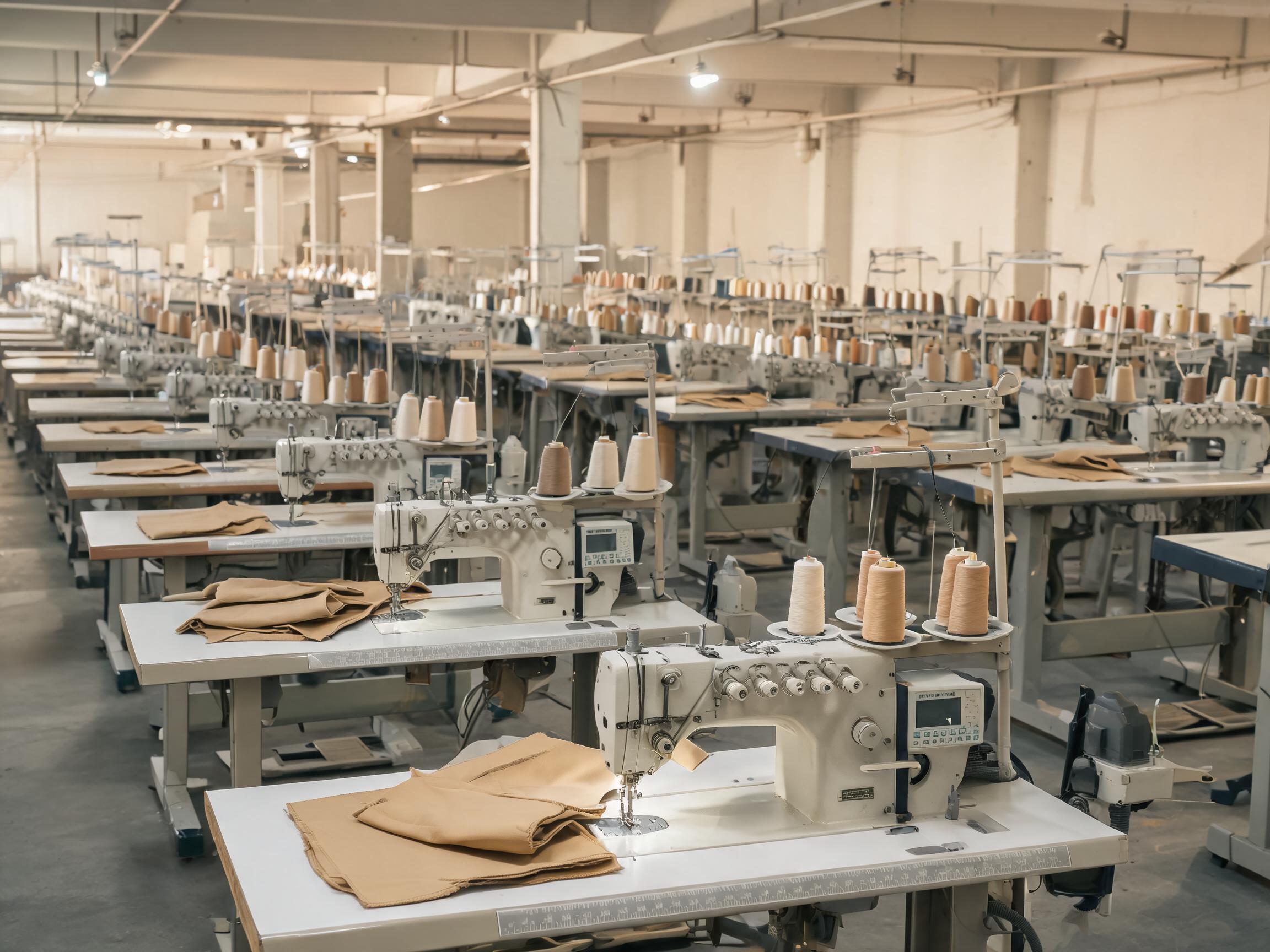
If your program mixes constructions, confirm whether the factory handles all of them under one roof. A supplier with cutting, sewing, assembly, and inspection in the same facility has shorter internal handoffs and clearer accountability than one coordinating multiple subcontractors. For example, Wellmax Luggage, an OEM/ODM luggage and bag manufacturer in Fujian, China, operates a 12,000 m² facility with these functions under one roof and produces handbags such as structured satchels, bucket bags, and tote styles as part of its product families.
Sample Development Workflow: From Tech Pack to Golden Sample
The sample stage is where most OEM programs either gain momentum or stall. A disorganized sample process produces rounds of corrections that add weeks and erode trust. Structure it deliberately.
What you should provide
- A complete tech pack: dimensions, materials, hardware references, colorways, and construction callouts.
- Reference samples for fit, feel, and finish—photos alone rarely convey structure.
- Your labeling and packaging requirements, even if preliminary.
What the factory should return
- A development timeline with named milestones: pattern making, first sample, review, revision, approval.
- Material sourcing confirmation—whether leather, synthetic, or textile—with swatches for your sign-off.
- A golden sample that both sides sign and retain before bulk production begins.
A factory with an in-house design and development studio can often propose construction improvements during sampling—for instance, adjusting a structured satchel's base reinforcement to better hold shape after shipping. Treat these suggestions as engineering input, not sales pressure, and evaluate whether the revised construction still meets your brand's intent.
Pricing and Cost Drivers for Handbags
Handbag pricing is not a single number. It is the sum of material, labor, hardware, and overhead decisions. Understanding the drivers helps you negotiate intelligently and avoid surprises at the quotation stage.
| Cost driver | What affects it | Questions to ask |
|---|---|---|
| Main material | Leather grade, synthetic type, textile weight and backing | Is the material sourced locally or imported? Can we see swatches? |
| Construction complexity | Number of panels, lining layers, edge finishing, internal pockets | How many sewing operations per unit? |
| Hardware | Zippers, rings, clasps, logo plates—material and finish | Which components are branded vs. standard? |
| Labor | Stitching time, skill level, inspection intensity | Is production in-house or partially outsourced? |
| Order volume | Material purchasing tiers, setup amortization | What quantity breaks reduce unit cost? |
Ask for a cost breakdown by these categories, not just a unit price. A transparent factory will show where cost sits and where you can make trade-offs—for example, simplifying an internal pocket to offset a premium hardware choice. Note that specific MOQ and lead-time figures vary by factory and project; confirm them directly with your shortlisted suppliers rather than assuming industry averages.
IP and Design Protection: NDA and Tooling
Your designs, brand marks, and custom hardware are assets. Protect them before you share production files.
- Mutual NDA: covers design files, tech packs, brand assets, and pricing. It should survive termination for a defined period.
- Tooling ownership: if the factory makes custom molds, dies, or logo plates, the contract should state that you own them and can retrieve them.
- Production limitation: the NDA and supply agreement should prohibit the factory from producing or selling your designs to third parties, including on domestic marketplaces.
- Subcontracting disclosure: if any part of your order is subcontracted, you have the right to know which operations and where.
A factory with ISO 9001:2015 quality management certification and BSCI social compliance audit has documented processes for handling customer property and production records—useful signals that IP controls are not improvised.
Contract Milestones That Reduce Risk
Structure payments against verified progress, not calendar dates alone. A milestone schedule might look like this:
- Development deposit: covers sampling and material sourcing.
- Golden sample approval: triggers the production deposit.
- Pre-production check: confirms materials, components, and line setup before bulk sewing.
- In-line inspection: verifies workmanship on the running line.
- Final inspection and balance payment: before shipment release.
Each milestone should have a written acceptance criterion. For handbags, that might include stitch density, hardware function, lining alignment, and dimensional tolerances—agreed in writing, not assumed.
- Match your handbag constructions to the factory's proven product families.
- Run sample development with defined milestones and a signed golden sample.
- Request a cost breakdown across material, labor, hardware, and volume.
- Secure IP with a mutual NDA and explicit tooling ownership.
- Tie payments to verified production milestones.
Next Steps
If you are evaluating a China handbag manufacturer for an OEM program, start by requesting their product family list, sample development process, and a sample NDA. Compare responses against the framework above. A supplier that answers directly—with product-specific detail, not generic assurances—is usually the one worth a factory visit.