Once tooling starts, changes get expensive. The shell mold, wheel housing, trolley bracket and lining pattern are all cut or cast to a fixed set of dimensions and material choices. If a buyer approves tooling before the specification is locked, a later change to shell thickness, wheel spacing or logo placement can mean a new mold, a new sample round and a delay that pushes back the whole production window.
This guide covers the specification decisions an overseas B2B buyer can control before tooling begins, how the sampling and approval flow works, what drives custom MOQ and cost, and the pitfalls that most often force a re-tool. It is written for importers, brand owners and sourcing teams placing OEM or ODM orders with a China custom suitcase manufacturer.
Key Takeaways
- Lock shell material, size, wheel type, trolley handle, lining and logo process before the mold is cut.
- Sampling is the checkpoint where specification errors are still cheap to fix.
- Custom MOQ and cost are driven mainly by mold complexity, material choice and logo method.
- Most re-tooling is caused by late logo changes, unconfirmed wheel specs and unclear size tolerances.
In This Article
Specification Options Buyers Can Customise
A custom suitcase is not a single product but a set of interlocking parts. Each part can be specified independently, but the choices interact — a thicker polycarbonate shell affects weight and wheel load, and a wider trolley handle changes the internal lining pattern. The list below covers the main decision points a buyer can define before tooling.
Size and Case Dimensions
Buyers typically work from cabin, medium and large checked sizes, but the exact external dimensions, internal packing dimensions and weight allowance are all specifiable. Decide early whether the case must fit a specific airline cabin gauge or a retail shelf planogram. Give the factory the measured dimensions you need, not just a nominal size label, because nominal and measured dimensions can differ.
Shell Material and Construction
The main choice is between hard-shell and soft-side construction. Hard-shell cases are commonly specified in polycarbonate, ABS or a polycarbonate-ABS blend; soft-side cases use nylon or polyester fabric over a frame. Material choice affects impact resistance, weight, scratch visibility and price. A buyer targeting a premium travel brand may specify polycarbonate; a value-focused program may choose ABS. Confirm the material grade and shell thickness before tooling, because the mold is built to that thickness.
Wheels and Wheel Housing
Wheel specification includes wheel diameter, material (often PU or TPE), number of wheels (two or four), and whether the case is a spinner or a two-wheel upright. The wheel housing is part of the mold, so wheel spacing and housing depth must be finalised before tooling. Buyers should also confirm whether wheels are replaceable, since this affects the housing design.
Trolley Handle and Telescopic System
The trolley handle can be specified by material (aluminium or steel), number of stages (single or double telescopic), handle grip shape, and button type. Handle width and tube spacing are fixed by the internal frame and must match the shell mold. If the buyer wants a branded grip or a specific locking mechanism, that decision belongs in the pre-tooling spec.
Lining, Interior and Packing Features
Interior specification covers lining fabric, colour, pocket layout, compression straps, divider panels and any built-in packing cubes or wet pockets. Lining is usually cut from a pattern, so changes are less costly than shell changes, but the pattern must still be approved before mass production. Buyers with a strong brand identity often specify a custom lining print or a signature colour.
Logo and Branding Process
Logo methods include heat transfer, silk-screen printing, embossing, metal nameplate, woven label and rubber patch. The method affects durability, appearance and cost. Embossing or debossing on a hard shell requires a mold insert, so it must be decided before tooling. Printed or labelled logos on soft-side cases can be added later, but the placement and size should still be approved in the sample stage.
Specification Options at a Glance
The table below summarises the main customisation points, the typical options and the decision that must be locked before tooling.
| Specification | Typical Options | Must Be Locked Before Tooling? |
|---|---|---|
| Size | Cabin, medium, large; custom external and internal dimensions | Yes — mold is cut to size |
| Shell material | Polycarbonate, ABS, PC/ABS blend, nylon or polyester soft-side | Yes — affects mold and thickness |
| Wheels | PU or TPE, 2 or 4 wheels, spinner or upright, replaceable or fixed | Yes — wheel housing is part of the mold |
| Trolley handle | Aluminium or steel, single or double telescopic, grip shape, button type | Yes — tube spacing matches internal frame |
| Lining and interior | Fabric, colour, pockets, straps, dividers, custom print | Pattern approval before mass production |
| Logo process | Heat transfer, silk-screen, embossing, metal plate, woven label, rubber patch | Embossing requires mold insert; others approved at sample |
The Sampling and Approval Flow
Before tooling, most China custom suitcase manufacturers run a sampling and approval sequence. The exact steps vary by factory and project, but the logic is consistent: confirm the specification, build a sample, test it, approve it, then cut the mold.
- Specification review. The buyer and factory agree on size, material, wheel type, handle, lining and logo method. Any open item is flagged here.
- Sample development. The factory's design and development team prepares a sample based on the agreed spec. This may be a pre-production sample or a prototype depending on the project.
- Buyer evaluation. The buyer checks dimensions, weight, wheel performance, handle operation, lining fit and logo appearance against the spec sheet.
- Revision and re-sample. Any change is made and a revised sample is submitted. This is the cheapest stage to correct a specification error.
- Approval and tooling. Once the sample is signed off, tooling starts. From this point, changes to shell, wheel housing or embossed logo require a new mold.
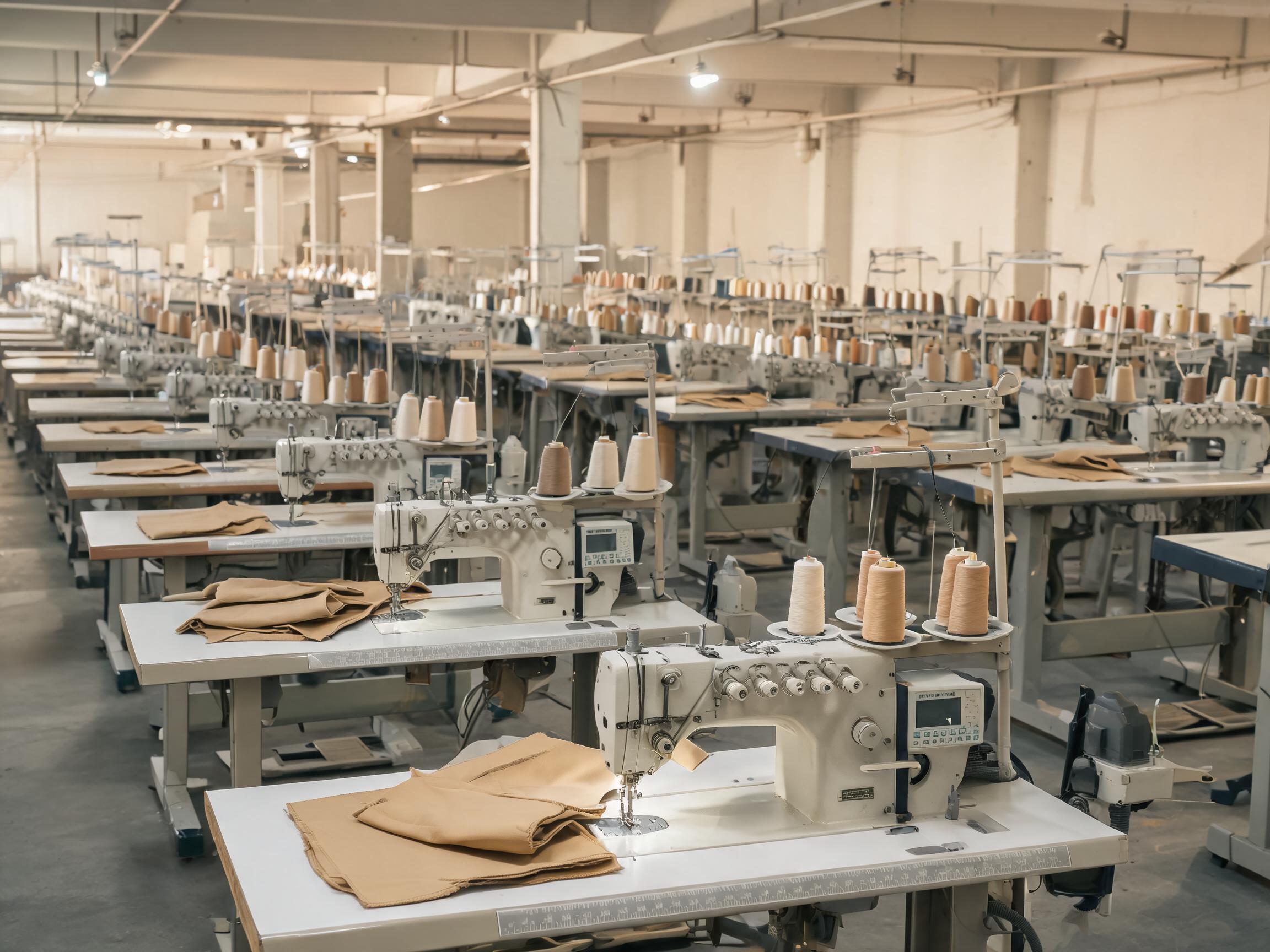
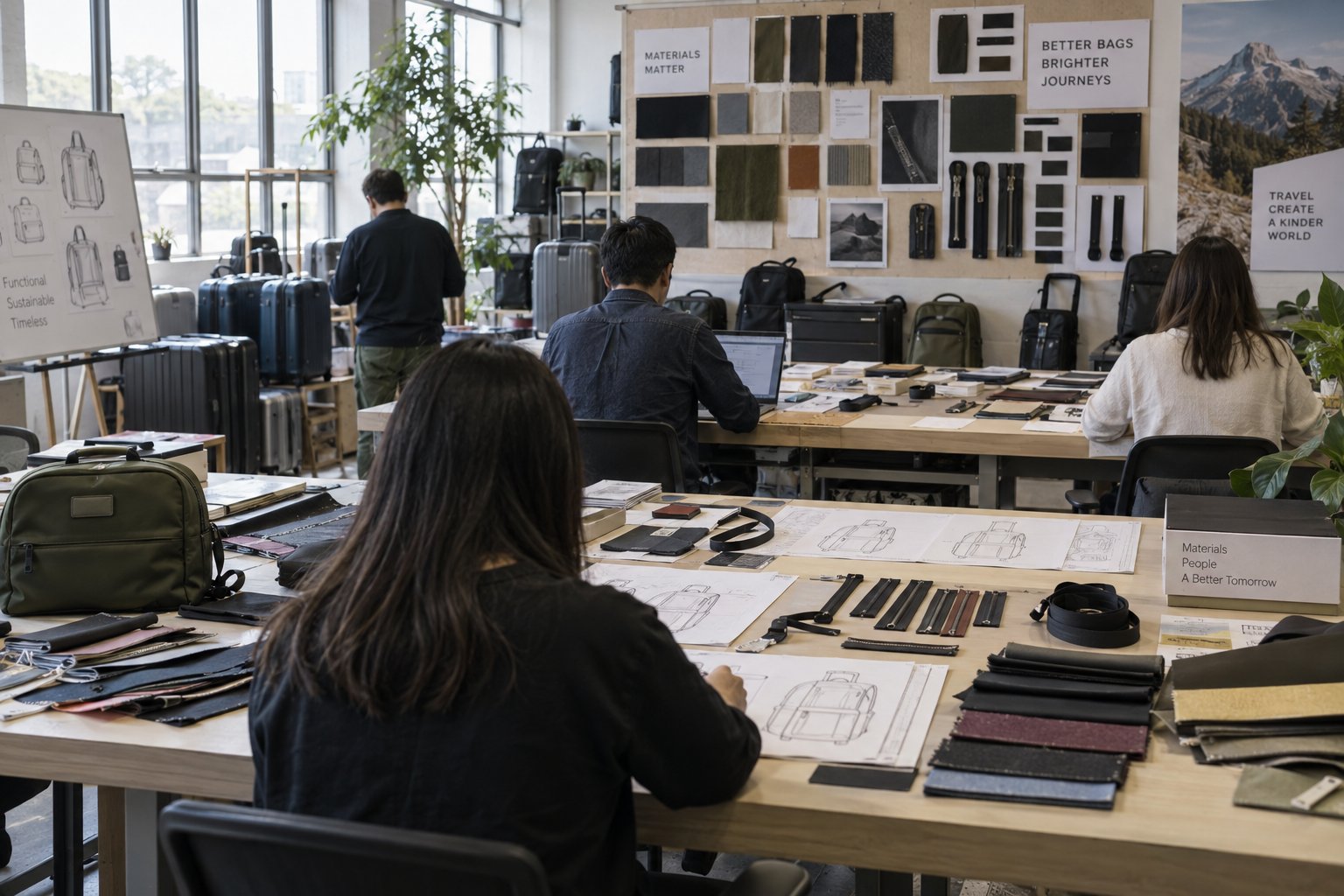
Wellmax Luggage, an OEM/ODM luggage and bag manufacturer based in Fujian, China, supports this full cycle — sampling, tooling, mass production, quality inspection and export — from an in-house design and development studio that develops new styles, selects materials and prepares samples for OEM and ODM programs. The company holds ISO 9001:2015 certification and has been audited under the BSCI social compliance framework.
What Drives Custom MOQ and Cost
Custom MOQ and unit cost are not arbitrary. They are driven by the number of custom parts, the complexity of the mold, the material selected and the logo method. Buyers who understand these drivers can structure a program that meets their budget without over-specifying.
- Mold complexity. A new shell mold, wheel housing or embossed logo insert adds tooling cost and usually raises the minimum order quantity because the factory needs to amortise the tool.
- Material choice. Polycarbonate and specialty fabrics cost more than standard ABS or basic polyester. The gap widens when the buyer specifies a particular grade or supplier.
- Logo method. Embossing and metal nameplates require tooling; heat transfer and woven labels generally do not. The choice affects both unit cost and MOQ.
- Number of custom parts. A project that customises only the lining and logo has a lower MOQ than one that changes the shell, wheels, handle and interior.
- Order volume and repeat potential. Factories often set MOQ per SKU. A buyer planning a multi-size range may need to confirm whether MOQ applies per size or per program.
Because MOQ and tooling cost are project-specific, buyers should request a written quotation that separates tooling from unit price and states the MOQ per SKU. Do not assume a figure from another project applies to yours.
Common Customisation Pitfalls
Most problems that force a re-tool or a production delay come from a small set of recurring mistakes.
- Late logo changes. Deciding to emboss the logo after the shell mold is cut means a new mold insert. Confirm the logo method and placement before tooling.
- Unconfirmed wheel specifications. Wheel diameter, material and housing depth are easy to leave vague. Vague specs lead to a sample that does not match the buyer's expectation and a re-tool.
- Unclear size tolerances. A buyer who specifies only a nominal size may receive a case that does not fit the intended airline gauge or retail shelf. Give measured dimensions and acceptable tolerance.
- Ignoring material interaction. A thicker shell adds weight, which affects wheel load and handle stress. Specify the full system, not isolated parts.
- Approving a sample without a spec sheet. A sample approved by eye, without a written specification, leaves the factory and buyer with different understandings of what was agreed.
- Assuming MOQ applies to the whole order. Confirm whether MOQ is per SKU, per size or per program before committing to a multi-size range.
FAQ
Can I customise a suitcase without a new mold?
Yes, for some specifications. Lining, logo printing, woven labels and packaging can often be customised on an existing mold. Shell shape, wheel housing and embossed logos generally require a new mold or insert.
What should I confirm before tooling starts?
Confirm size and tolerances, shell material and thickness, wheel type and housing, trolley handle specification, lining pattern, logo method and placement, and the MOQ per SKU. Get these in a written spec sheet that both sides sign off.
How does the logo process affect tooling?
Embossing or debossing on a hard shell requires a mold insert, so it must be decided before tooling. Heat transfer, silk-screen, woven labels and rubber patches are usually applied after molding and can be approved at the sample stage.
Does a custom suitcase always have a higher MOQ?
Custom projects often have a higher MOQ than stock items because of tooling and material setup, but the exact figure depends on mold complexity, material and logo method. Ask the factory for the MOQ per SKU in writing.
Can I see a sample before committing to tooling?
Most OEM/ODM factories provide a sample stage before tooling. Use it to verify dimensions, materials, wheels, handle and logo. Approve the sample against a written spec sheet, not by appearance alone.
Next Step for Buyers
If you are planning a custom suitcase program, the most useful next step is to prepare a specification brief covering size, shell material, wheels, trolley handle, lining and logo method, then request a sample and a written quotation that separates tooling from unit price. Wellmax Luggage produces trolley cases, backpacks, business and laptop bags, and handbags at a 12,000 m² facility in Fujian, China, with roughly 320 employees and a monthly output of about 150,000 pieces. For reference on standard constructions that can be adapted to a custom program, see the 28-inch hard-shell spinner, the 22-inch polycarbonate cabin case and the 26-inch expandable checked case. Share your specification brief and target market, and the team can confirm which parts can be customised on an existing mold and which require new tooling.