Most buyers searching for a China backpack manufacturer already have a rough idea of the product. What they don't have is a way to turn that idea into a specification a factory can quote and sample against. Capacity, carry system, fabric and logo method are the four decisions that drive cost, tooling and lead time — and they are the four areas where vague briefs produce expensive samples. This guide walks through each decision with trade-offs, then gives a factory evaluation checklist you can use on calls or audits.
- Capacity (liters) should be chosen from the end use, not from a competitor's spec sheet.
- Carry system and back panel are where cheap backpacks fail first — specify them early.
- Fabric and hardware choices trade weight, water resistance and cost; decide which matters most.
- Logo method affects tooling cost and minimum order quantity more than most buyers expect.
- A factory that samples, inspects and exports under one roof reduces handoff risk.
Matching capacity to end use
Capacity in liters is the fastest way to align a brief with a factory's existing tooling and patterns. A 16L slim laptop backpack and a 40L hiking pack share almost no components, so choosing the right range early saves weeks of back-and-forth.
Use the table below as a starting point. It maps common end uses to capacities that factories in China already produce at scale, including several that Wellmax Luggage makes in its Fujian facility.
| End use | Typical capacity | What buyers usually specify |
|---|---|---|
| Daily commute / office | 16L–20L | Padded laptop compartment, slim profile, USB or cable port |
| Urban commuter / EDC | 18L–22L | Quick-access front pocket, water bottle pocket, reflective trim |
| Technical daypack | 25L | Water-resistant base, hydration sleeve, compression straps |
| Anti-theft commuter | 20L | Hidden zippers, cut-resistant panel, RFID pocket |
| Convertible travel | 35L | Carry-on dimensions, stowable straps, clamshell opening |
| Outdoor trekking / hiking | 35L–40L | Ventilated back panel, hip belt, rain cover |
| Roll-top waterproof | 30L | Welded or taped seams, roll closure, dry-bag style |
Two practical notes. First, capacity is measured differently by different factories — some quote main compartment only, others include front pockets. Ask for the measurement method before comparing quotes. Second, if your target market is airline carry-on, confirm the packed dimensions against the airline's limits rather than trusting the liter figure alone.
Wellmax Luggage produces a range that covers these categories, including the Slim Laptop Backpack 16L with a padded laptop compartment in polyester, and the Urban Commuter Backpack 22L. Seeing which capacities a factory already runs tells you where its patterns, cutting dies and sewing lines are proven.
Carry system and back panel
The carry system is the first thing a customer feels and the first thing that fails on a low-cost backpack. Specify it in the brief, not after the first sample.
Shoulder straps
- Foam density and thickness: Commuter packs typically use thinner, firmer foam; hiking packs need thicker, softer foam with a load-bearing shape.
- Strap width: Narrower straps look cleaner on slim packs but concentrate pressure on heavier loads.
- Attachment: Bartack or box-X stitching at the strap-to-body joint is a common failure point — ask how it is reinforced.
Back panel
- Flat padded panel: Cheapest, fine for 16L–20L commuter packs.
- Airflow channel: Adds cost and thickness; useful for 25L+ daypacks.
- Tensioned mesh: Best ventilation, highest cost, common on trekking packs.
Load transfer
For packs above roughly 30L, a hip belt changes how the load is carried. If your product is a 35L convertible travel backpack or a 40L hiking pack, decide whether the hip belt is load-bearing or just stabilizing — that decision affects pattern, hardware and sampling time.
For a technical daypack, the back panel and water-resistant base are usually the two features buyers ask about first. Wellmax's Technical Daypack 25L Water-Resistant is an example of a 25L build where those two elements are specified together.
Fabric and hardware selection
Fabric choice is a three-way trade between weight, durability and water resistance. There is no single best answer — only the best answer for your price point and end use.
| Fabric | Best for | Trade-off |
|---|---|---|
| Polyester | Commuter, laptop, promotional packs | Lower abrasion resistance than nylon; cost-effective |
| Nylon | Outdoor, trekking, technical packs | Higher cost; better strength-to-weight |
| Coated / PU-backed | Water-resistant daypacks | Adds weight; coating can crack if folded repeatedly |
| Recycled polyester | Brands with sustainability targets | Availability and certification documentation vary by mill |
When you request fabric samples, ask for the mill's specification sheet rather than relying on a hand-feel sample alone. The sheet should state composition, weight and any finish. If a supplier cannot provide it, treat that as a sourcing risk.
Hardware
- Zippers: Decide between standard and water-resistant types based on end use, not on brand name alone. Ask the factory to confirm the zipper type in the sample report.
- Buckles and adjusters: Match load rating to the pack's intended weight. A 40L pack with lightweight buckles is a warranty claim waiting to happen.
- Lining: Often overlooked. A contrasting lining helps customers find items; a dark lining hides wear.
Custom logo methods and trade-offs
Logo method is where tooling cost and minimum order quantity are decided. Choose based on your brand positioning and order volume, not on what looks best in a photo.
| Method | Look | Tooling / setup | Best for |
|---|---|---|---|
| Embroidery | Textured, classic | Digitizing file required | Text logos, corporate and outdoor brands |
| Screen print | Flat, bold | Screen per color | Simple graphics, high volume |
| Heat transfer | Sharp detail, multi-color | Transfer plate | Detailed logos, small runs |
| Woven label | Premium, durable | Label weaving setup | Brand tags, interior branding |
| Rubber / PVC patch | Raised, technical | Mold required | Outdoor and tactical styling |
| Metal badge | Premium, heavy | Die required | High-end positioning |
Practical guidance: if your first order is small, heat transfer or woven labels usually avoid the tooling cost of embroidery digitizing or a metal die. If you plan a long-running program, embroidery or a metal badge amortizes well and gives a more premium feel. Ask the factory to quote both the tooling and the per-piece cost so you can see the crossover point.
Factory evaluation checklist
Use this list when comparing backpack suppliers in China. It is designed to be answered with documents or a factory visit, not with assurances.
- Product range: Does the factory already produce the capacities and categories you need? Existing patterns reduce tooling and sampling time.
- In-house design and development: Can they develop styles, select materials and prepare samples, or do they outsource development?
- Quality system: Is there a documented quality management system covering design, manufacturing and sales? Wellmax Luggage holds ISO 9001:2015 certification for these activities.
- Social compliance: Has the production facility been audited? Wellmax's facility has undergone a BSCI social compliance audit.
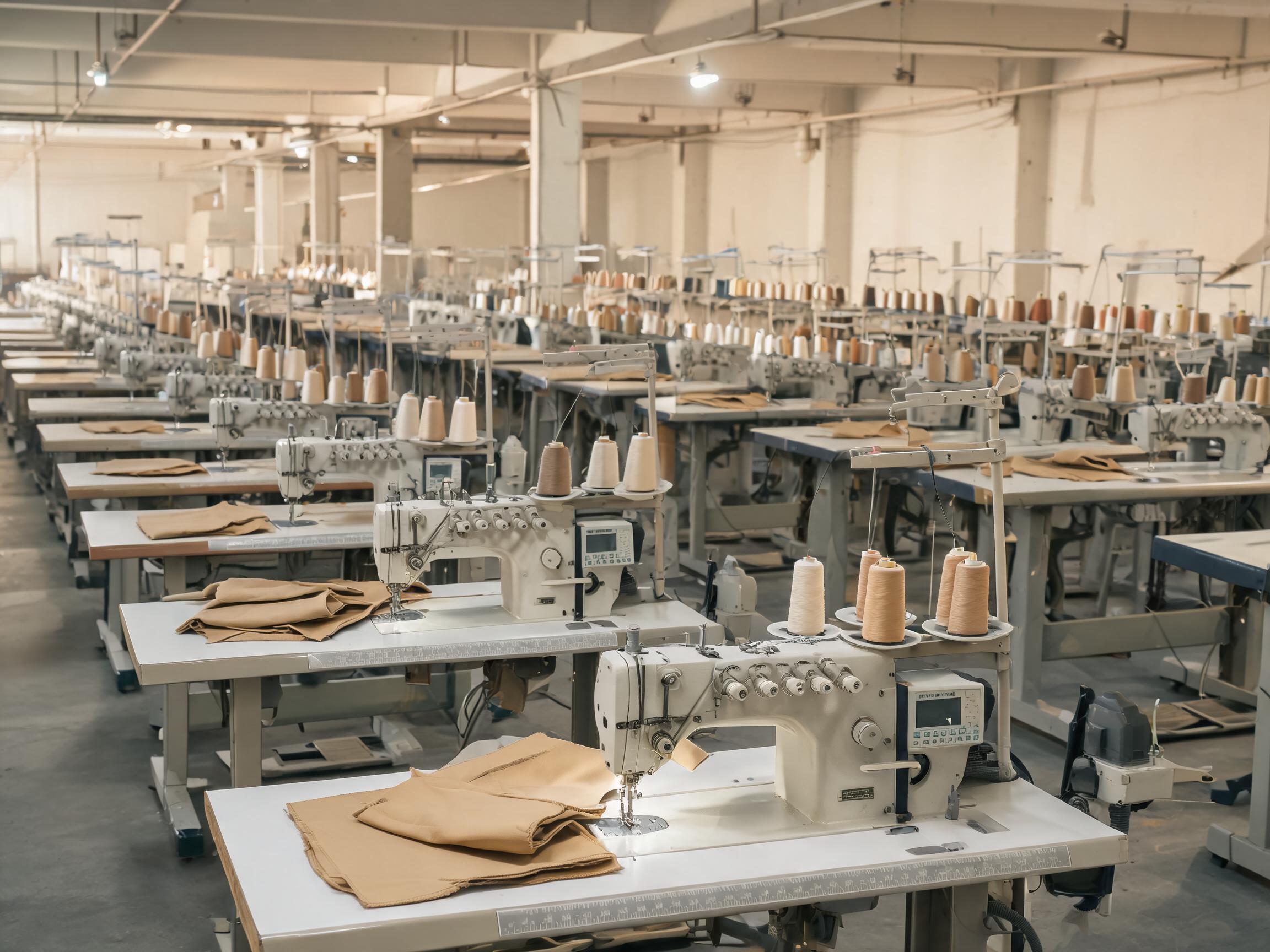
- Capacity: Can the factory support your forecast? Wellmax operates a 12,000 m² facility with about 320 employees and roughly 150,000 pieces per month.
- Sampling and tooling: Are sampling, tooling and mass production handled under one roof, or split across subcontractors?
- Inspection: What inspection steps happen before packing, and can you review the report?
- Export experience: Does the factory ship to your region? Wellmax's export sales team serves buyers in more than 40 countries.
- Communication: Who is your contact, and how are spec changes documented?
Wellmax Luggage was founded in 2013 and is based in Fujian, China. Its in-house studio develops styles, selects materials and prepares samples for OEM and ODM programs, and the company supports sampling, tooling, mass production, quality inspection and export.
FAQ for backpack buyers
How do I choose between a 20L and a 25L backpack for my brand?
Start from the end use. A 20L pack suits daily commuting and anti-theft urban designs, where a slim profile matters. A 25L pack gives room for a day hike or a gym-to-office transition and usually needs a more structured back panel. If your target customer carries a laptop plus a change of clothes, 25L is often the safer choice.
Can I use my own logo on a factory's existing backpack model?
Yes, and this is the fastest route to a first order. Using an existing pattern and applying your logo via embroidery, heat transfer or a woven label avoids new tooling. Ask the factory which logo methods work on the specific model, because panel shape and fabric type limit some options.
What should I confirm before approving a sample?
Confirm capacity measurement method, fabric specification sheet, zipper and hardware type, logo placement and size, and packaging. Also check stitching at stress points such as strap attachments and the base. A sample report that lists these items gives you something to hold the factory to in mass production.
Do I need a factory with ISO 9001 or a social audit?
It depends on your market and retail channel. Many European and North American buyers require a documented quality system and a social compliance audit before placing orders. Wellmax Luggage holds ISO 9001:2015 certification covering design, manufacturing and sales of luggage and travel bags, and its production facility has undergone a BSCI social compliance audit.
How many backpack categories should I start with?
Most new programs start with one or two capacities in a single category, prove the quality and sell-through, then expand. Factories that already run a broad range — from 16L laptop packs to 40L hiking packs — can support that expansion without new tooling for every style.
Next step
If you are comparing backpack factories in China, the fastest way to get a useful quote is to send a brief that states capacity, end use, fabric preference, logo method and target market. Wellmax Luggage can review your brief against its existing range and confirm which styles can be sampled as-is and which need development. Share your specification and target quantities to start the conversation.