When you brief canvas bag manufacturers, the difference between a good sample and a wasted sampling round usually comes down to how precisely you specified the fabric and construction. This checklist covers the four specification layers that matter most before you commit to a production order: fabric weight, weave family, coating or finish, and construction details.
1. Fabric Weight: Specify oz and Its gsm Equivalent
Canvas weight is quoted in ounces per square yard (oz/yd²) by many mills and in grams per square meter (gsm) by others. To avoid confusion in an RFQ, state both. The conversion is 1 oz/yd² = 33.9 g/m², so use the table below as buyer-facing guidance when defining your target range:
| Oz/yd² | Approx. gsm | Typical buyer application |
|---|---|---|
| 6 oz | 203 g/m² | Light totes, promotional bags, lining fabric |
| 8 oz | 271 g/m² | Everyday tote bags, drawstring bags |
| 10 oz | 339 g/m² | School bags, structured totes |
| 12 oz | 407 g/m² | Weekender and duffel bodies, heavier totes |
| 14–16 oz | 475–543 g/m² | Heavy weekenders, tool-style bags, base panels |
| 18 oz | 610 g/m² | Base panels, industrial-style carriers |
Two practical notes. First, heavier is not automatically better: a 14 oz body on a small tote can feel stiff and sew awkwardly at seams, while 8 oz may distort under heavy loads. Second, many programs use two weights in one bag — a lighter body with a heavier base panel — so specify weight per component, not just per bag.
2. Weave Family: Plain Weave Canvas vs Twill vs Duck Canvas
Within "canvas," the weave family changes surface texture, abrasion behavior and how the fabric takes print and coating. At specification level, describe what you want rather than relying on the word canvas alone:
- Plain weave canvas: a simple over-under construction with a relatively flat, uniform surface. It prints cleanly for screen graphics and suits tote and promotional programs where brand visibility matters.
- Duck canvas: a tighter, denser plain-weave family (numbered grades such as 10 oz or 12 oz duck). It feels firmer, holds structure well and is common for weekenders and bags that need to stand up on their own.
- Twill weave: a diagonal construction with a softer hand and more surface texture. It drapes more easily and resists visible creasing, which suits school bags and shoulder styles.
Ask a prospective supplier which weave families they regularly cut and sew, and request a fabric swatch — not just a photo — before sampling. Weave affects how coating absorbs and how seams behave, so a swatch review at this stage saves a sampling cycle later.
3. Coating and Finishing: How It Changes Hand-Feel and Water Behavior
Canvas is not water-resistant by default. Finishing choices determine how the bag handles moisture and how it feels in hand:
- PU coating (backside): a polyurethane layer applied to the reverse of the fabric. It improves water resistance and adds body, but slightly changes the drape and adds a faint sheen inside the bag. Suitable for school bags and weekenders that see rain.
- Wax finishing: a wax treatment that gives a weathered look and decent moisture shedding initially. Hand-feel is stiffer and the surface marks with creases over time — often desirable for heritage-styled totes, less so for clean corporate programs.
- Uncoated natural canvas: the softest, most breathable option, and the most absorbent. Best for retail and fashion-oriented programs where hand-feel outweighs weather performance.
State your target clearly in the RFQ: which side is coated, whether the coating must pass any specific water-repellency check you use, and whether the finish affects printability. If your program needs a specific material certification such as recycled content or a restricted-substances standard, confirm the certification type and documentation with the factory directly before sampling — do not assume a standard applies until you have seen the paperwork.
4. Construction Details to Put in the RFQ
Fabric gets the attention, but returns are usually caused by construction. Cover these points in writing:
- Base reinforcement: specify a heavier canvas base panel (e.g. 14–16 oz under a 10–12 oz body) or an internal base stiffener for totes and weekenders that will carry books or gear.
- Stress-point bartacking: list the exact points — handle-to-body junctions, strap anchors, top corners. This is a standard step in our own workflow at Wellmax, where stress-point reinforcement and zipper function checks are built into the inspection process before packing.
- Zipper grade and hardware: name the zipper type and pull style, and state metal or plastic hardware. Canvas weights above roughly 12 oz need heavier zips and stronger tape than a lightweight tote does.
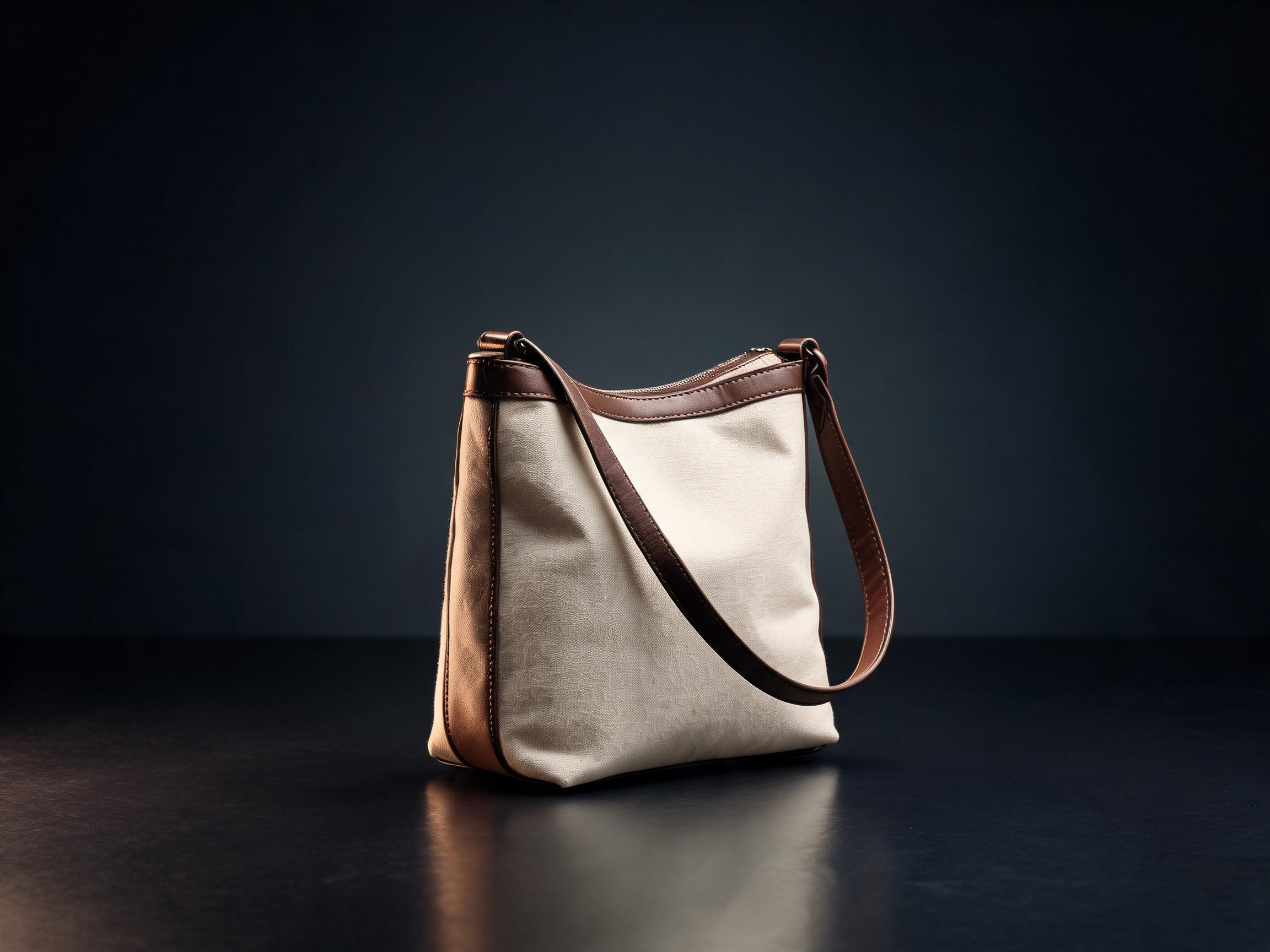
- Trim materials: if you combine canvas with leather or synthetic trim, define the grade. On our Canvas Weekend Shoulder Bag, for example, the trim leather grade is adjustable, and canvas weight and dye color are specifiable — which is exactly the level of detail your own RFQ should reach.
5. Matching Specs to Program Type
Translate the four layers into program-appropriate targets:
- School bags: 10–12 oz body (339–407 g/m²), twill or duck for abrasion, PU coating, reinforced base, bartacked strap anchors.
- Tote bags: 8–10 oz (271–339 g/m²), plain weave for clean printing, finish per brand positioning — coated for daily carry, uncoated for retail softness.
- Weekenders: 12–14 oz body with a heavier base (475 g/m²+), duck weave for structure, PU coating, graded zippers, leather or webbing trim per your price point.
Canvas is one option among several, and the right material depends on the program. For maximum abrasion resistance in a business case, some buyers move to nylon constructions such as our Ballistic Nylon Pilot Case; for lightweight urban styles, water-resistant nylon like the Technical Daypack 25L may suit better; and for a structured handbag program, PU leather options such as the Everyday Tote Handbag are worth comparing alongside canvas. Assess each program on its own load, weather and branding requirements rather than defaulting to one material.
Sample RFQ Specification Block
To make this actionable, here is a compact block you can adapt and send to any supplier:
- Product: weekend shoulder bag, natural canvas body with leather trim, top zipper
- Fabric: 12 oz (407 g/m²) duck canvas body, 14 oz (475 g/m²) base panel, PU-coated reverse; dye color per Pantone reference
- Construction: bartack all strap anchors and top corners; reinforced base seam; zipper grade per sample reference
- Branding: screen print, embossed leather patch or woven label — quote each option
- Program: target MOQ and annual volume; request swatch card before counter-sample
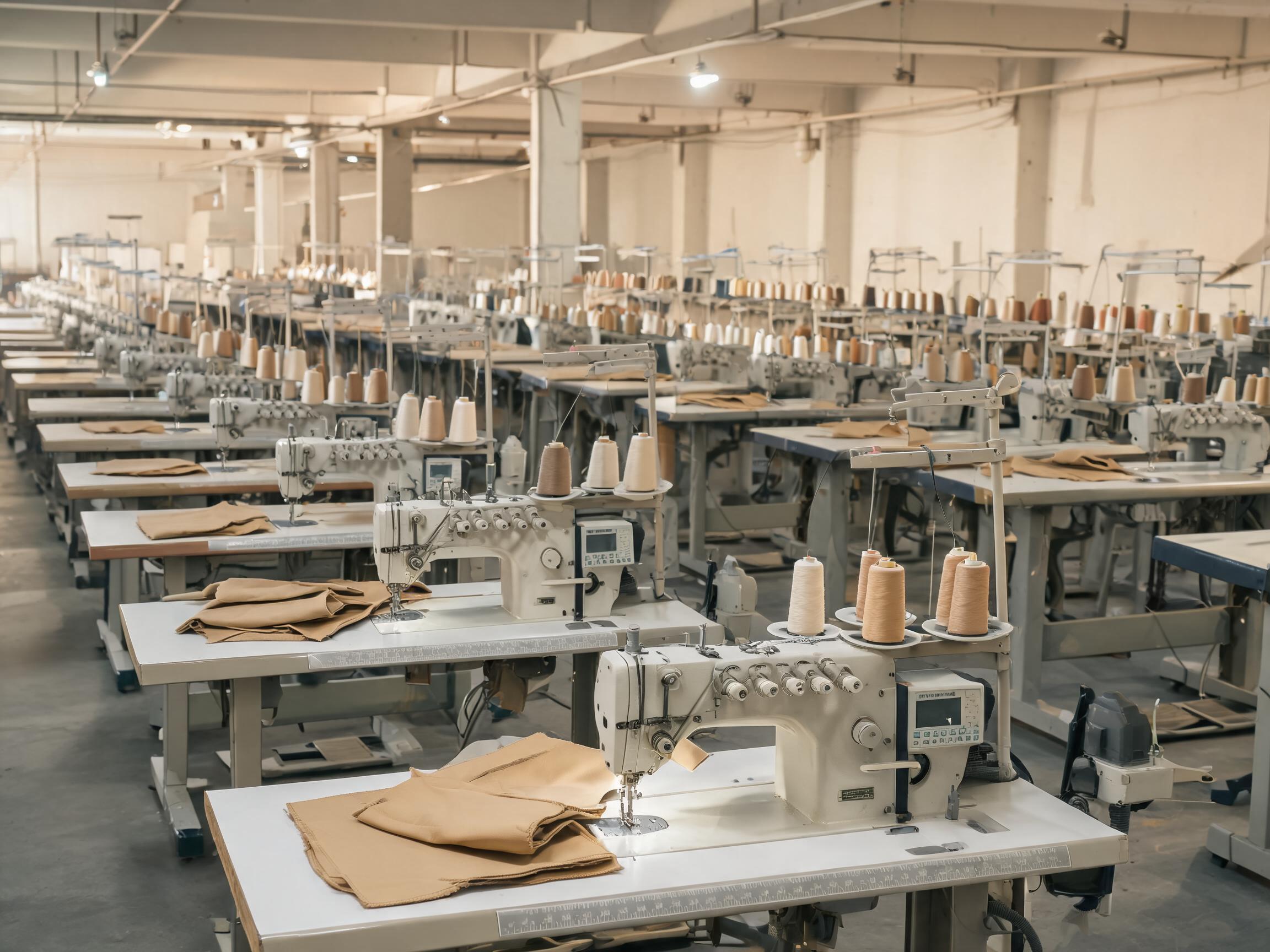
As a reference point for order terms, published products on our site list MOQs of 300–500 pieces depending on style — for instance 500 pcs for the Canvas Weekend Shoulder Bag — and product pages list 30–35 days lead time after sample approval; confirm both per program, since cotton sourcing and finishing can shift timing. Our Quanzhou facility operates cutting, sewing, assembly and inspection under one roof with ISO 9001:2015-certified quality management at company level and BSCI social compliance auditing at factory level — both worth verifying in any supplier evaluation, canvas or otherwise.
The short version: specify weight in oz and gsm together, name the weave family, decide the coating deliberately, and put construction details in writing before sampling. That is what turns a fabric conversation into a production order you do not have to renegotiate.