Retail Chain Sourcing Guide
As a retail-chain buyer, your task is not to find one good bag — it is to build a shelf that sells across price points and seasons, then reorder it without surprises. This playbook explains how wholesale-catalog buying and OEM customization compare, how to mix styles into a coherent assortment, and how MOQ tiers shape your per-style commitments.
Key takeaways
- Wholesale-catalog buying anchors your assortment fast; OEM customization changes color, lining and hardware on top of an existing style.
- Mix at the style-family level — totes, satchels, crossbody and bucket — before committing quantities.
- MOQ tiers are negotiated per style family, not per container. Ask for tiered quotes rather than assuming a single hard number.
- Start lead times from artwork and sample approval, not from first email.
What this article covers
Wholesale catalog vs full OEM: which fits your chain
"China handbag manufacturer Wholesale" searches usually come from two very different buying situations, and the right answer depends on how much control you actually need.
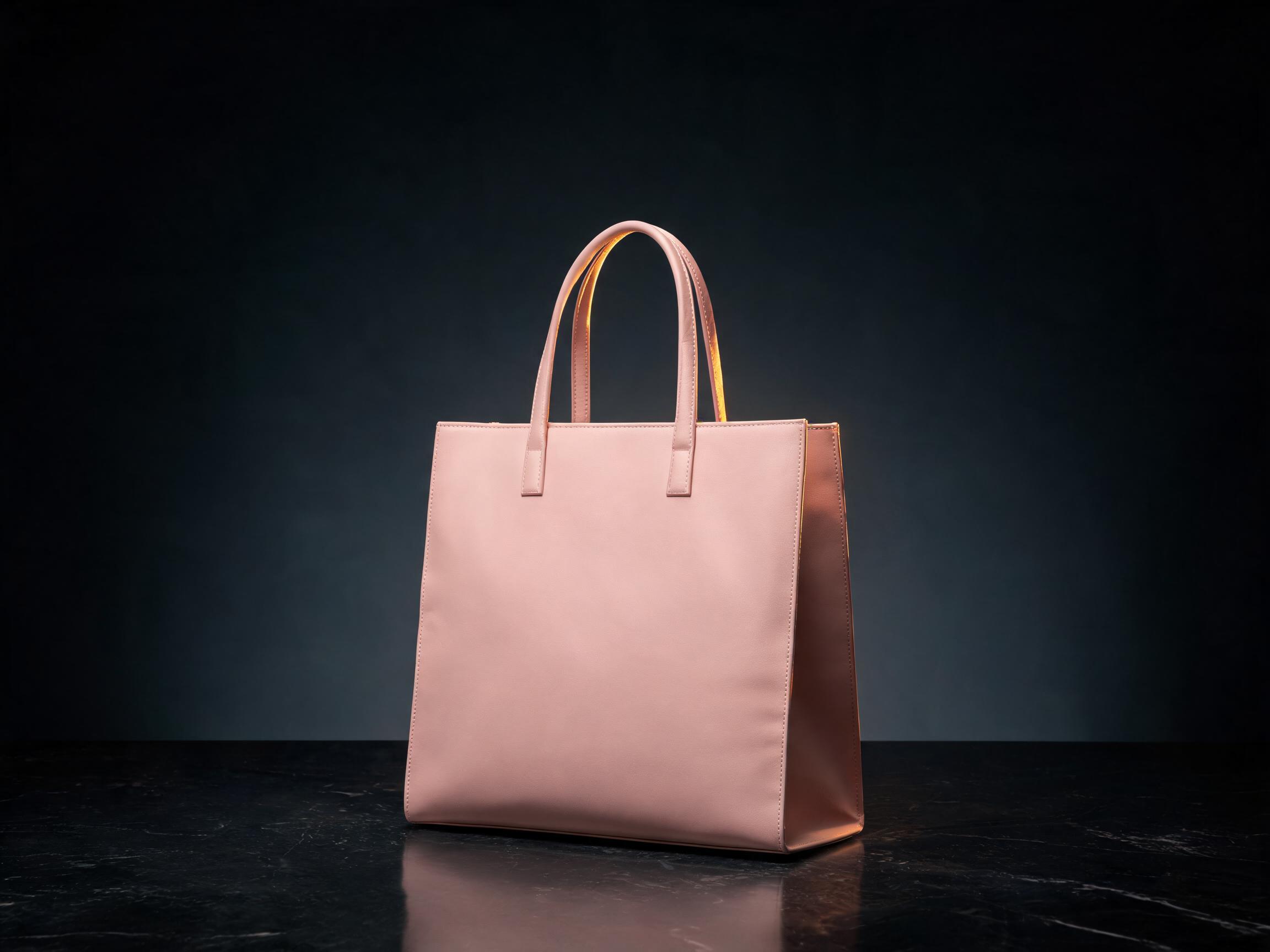
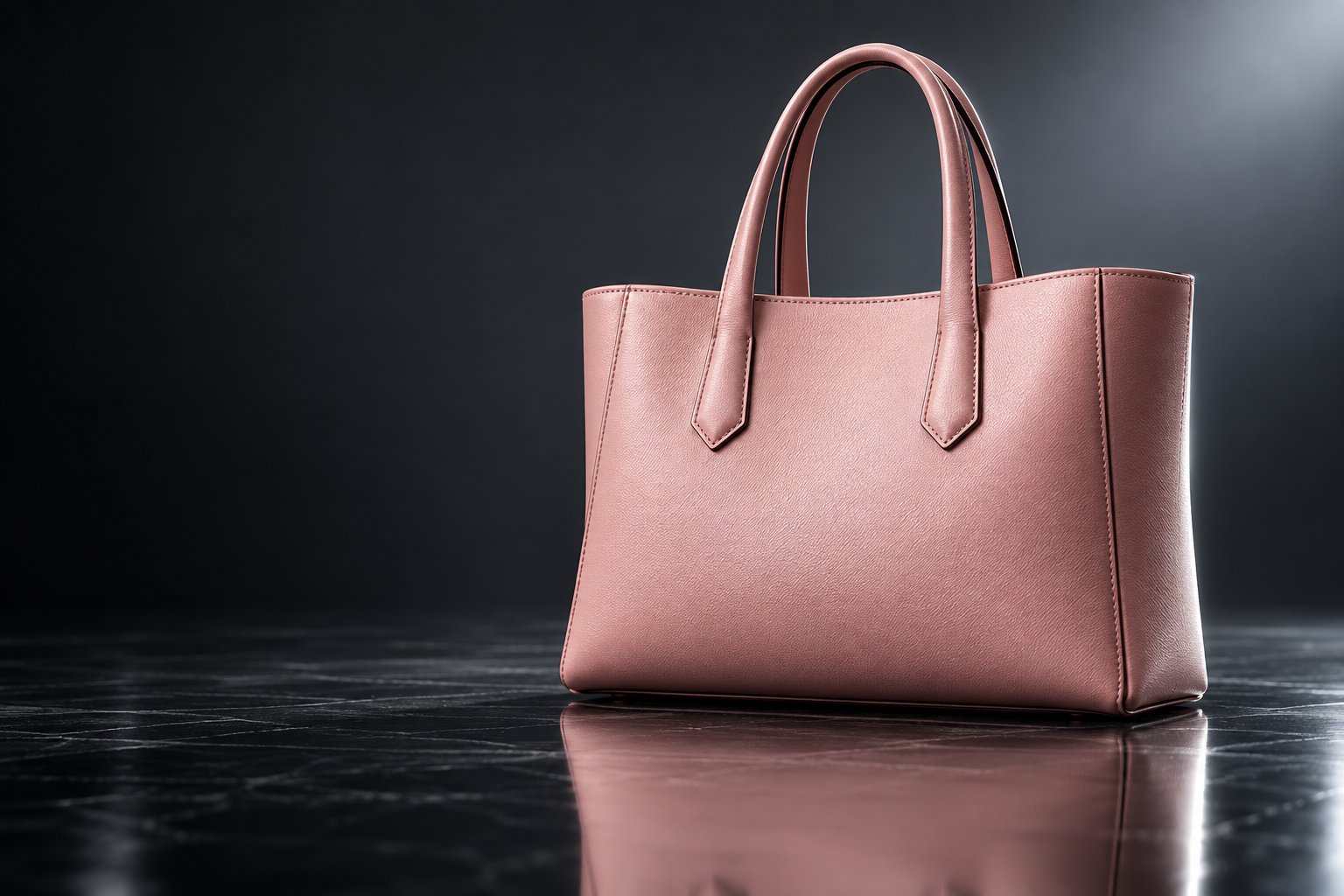
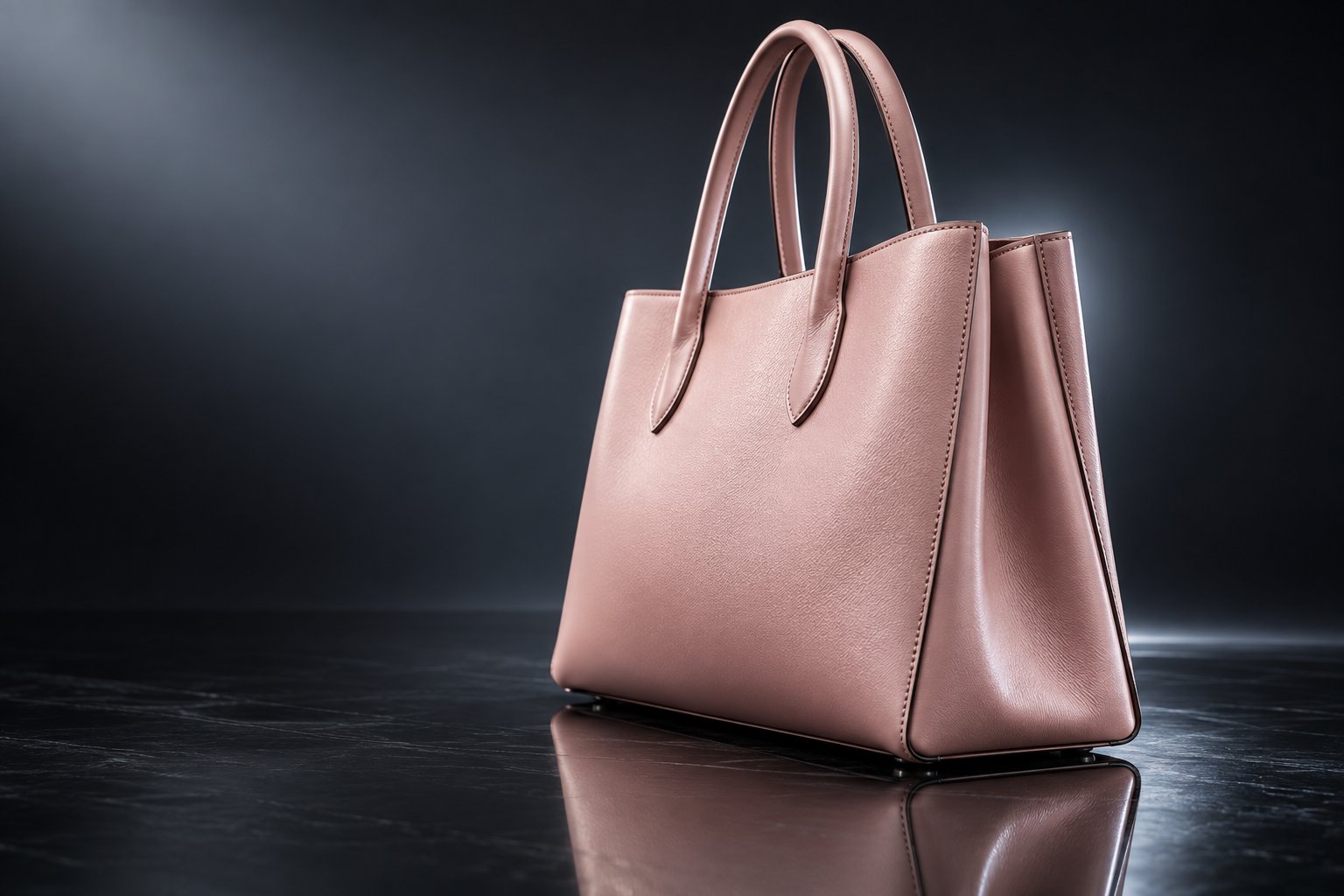
Catalog buying means you select from styles the manufacturer already produces — for example a PU leather tote with an open top and magnetic snap, or a structured satchel with a magnetic flap and detachable shoulder strap. You get known specifications, an established construction and a shorter path to a purchase order. This is the right starting point when your priority is speed to shelf, a tested silhouette, or a seasonal top-up.
OEM customization means the same base styles become your asset: the supplier can adjust color, lining and hardware according to your requirement. That is meaningful control where private label matters — your buyer sees a bag that fits your brand palette and trim level, without the risk of commissioning an entirely new shape from scratch.
A practical pattern for chains: use catalog styles for the volume drivers and the fast reorders, and reserve OEM adjustments for the lines you want to differentiate on the floor. You can review the base constructions here — the PU Leather Tote Handbag and the Structured Satchel Handbag — and treat them as the anchor of a mixed program.
Building the assortment: style-mix logic
Retail chains rarely win with a single silhouette. The assortment has to cover shopping missions — work carry, weekend, evening — while staying visually coherent. Style families give you that structure:
- Totes: the volume driver. A PU leather tote with an open top and magnetic snap suits everyday carry and gift-adjacent promotions. Available in black, camel and tan.
- Satchels: the structured option. A magnetic flap and detachable shoulder strap let one SKU serve hand-carry and crossbody use, which reduces the number of variants you must stock.
- Crossbody and bucket: smaller-footprint styles that add price-point range and impulse appeal without expanding shelf depth dramatically.
When you mix, decide the ratio before you negotiate quantities. A workable framework is to let one or two tote styles carry roughly half the buy, use a satchel to hold the mid-price tier, and fill the remainder with crossbody or bucket styles. The exact split depends on your store format and customer base — the point is that you approach the supplier with a shape already in mind, because MOQ conversations become far easier when you can point to family-level volumes rather than scattered single-style requests.
Comparing the two anchor styles
| Feature | PU Leather Tote Handbag | Structured Satchel Handbag |
|---|---|---|
| Material | PU leather | PU leather |
| Closure | Open top with magnetic snap | Magnetic flap |
| Carry option | Tote carry | Detachable shoulder strap |
| Colors | Black, camel, tan | Camel, black, tan |
| Packaging | Dust bag + carton | Dust bag + carton (as confirmed for the range) |
| MOQ | 500 pcs | 500 pcs |
| Lead time | 30–35 days | 30–35 days |
OEM customization is available on color, lining and hardware. Confirm the specific combination you need at quotation stage.
MOQ tiering per style family
MOQ is not one company-wide number; it is a function of how much change a style requires and how the factory schedules materials. The verified starting MOQ for the tote and satchel above is 500 pcs per style. Around that base, three variables move the number up or down:
- Catalog vs customized: a style ordered as specified in the catalog is the easiest to schedule. Adding custom color, lining or hardware typically pushes volume requirements higher because materials and components must be dedicated to your order.
- Color count: ordering one color concentrates volume; spreading 1,000 pcs across black, camel and tan may require separate runs and its own minimums per color.
- Repeat vs first order: repeat orders on an existing specification are the strongest case for volume flexibility, since tooling and materials are already understood.
Because these tiers are commercial and specific to each program, they should be quoted — not assumed. When you request pricing, ask for a tiered quote: give your target quantities per style family and per color, and ask the supplier to show how the unit terms change at each volume band. That gives you a clean comparison against your retail margin targets instead of a single number you cannot scale.
Lead time and reorder planning
The quoted lead time for the tote and satchel styles is 30–35 days. For assortment planning, the more useful question is where that clock starts. In practice it begins after your specification and artwork are confirmed and the sample is approved, not on the day you send the first inquiry.
For chain buying, count backwards: shelf-set date, minus shipping transit, minus production lead time, minus sample approval and any pre-production confirmation. If your calendar cannot absorb that sequence, the lever is not pressing the factory for a shorter production time — it is deciding earlier on colors and confirming customization details sooner. Repeat orders on unchanged specifications also remove the sampling step from the second cycle.
Evaluating a China handbag manufacturer
Wholesale pricing only holds up if the factory can supply consistently. Wellmax Luggage is a Fujian-based OEM/ODM luggage and bag manufacturer founded in 2013, with roughly 320 staff in a 12,000 m² facility and a capacity of about 150,000 pieces per month, exporting to 40+ countries. The company operates under ISO 9001:2015 at company and factory level and has been BSCI audited. These are company-level credentials — relevant when you are assessing supplier reliability, not product-specific certifications.
For a hands-on evaluation, ask for:
- Samples of the exact catalog styles you are considering, in the colors you plan to stock.
- Tiered quotes at your projected volumes, per style family.
- Confirmation of which customizations are available for the style you choose.
- A production schedule that shows when lead time starts and what you must provide first.
For deeper supplier checks — audit reports, factory capacity documents or inspection arrangements — request them directly so you review current originals rather than summaries.
FAQ
Can I order a mix of totes and satchels in one purchase order?
Yes. Mixed-style orders are standard for retail programs. Each style family carries its own MOQ, so your order is evaluated as quantities per style, not one combined figure.
What can be customized on the tote and satchel styles?
Color, lining and hardware are available as customization options. Confirm your exact combination and the resulting volume requirement at quotation stage.
Are the handbags genuine leather?
The tote and satchel styles above are PU leather. If leather is a requirement for a specific line, state it in your inquiry so the supplier can tell you what is possible.
How do I get volume pricing?
Send your target quantities per style family and per color. The supplier can respond with tiered pricing so you can see how terms change at each volume band.
What is the starting MOQ?
The verified MOQ for the PU Leather Tote Handbag and the Structured Satchel Handbag is 500 pcs per style, with a quoted lead time of 30–35 days.
Next step
If you are building a wholesale handbag program, start with an assortment shape and target volumes. Share the styles you want — totes, satchels, crossbody or bucket — the colors, and the quantities per family, and ask for a tiered quote plus sample availability. That single message gives the supplier enough to respond with a concrete program instead of a generic price list.