Beach bags look simple, which is exactly why sourcing them carelessly is expensive. A tote that looks right in a catalog photo can fail at the handle stitch after a week on a resort shelf, or lose its printed logo after two trips through a humid storage room. If you are a resort-retail buyer, a beach-lifestyle brand owner or a promotional product importer, the decision is not which bag to buy — it is which beach bag manufacturer can develop, sample and produce your style reliably. This article lays out five evaluation checkpoints to run before you commit to a factory.
- Run at least one sample revision round and test handles under load.
- Write fabric weight, finish and colorfastness into the agreement, not just the conversation.
- Confirm decoration process, placement tolerances and durability on the real fabric.
- Negotiate colorway splits and packaging terms before sampling starts.
- Verify where inspection happens, who accepts third-party checks and how lead time is structured.
1. Sampling: What a Beach Bag Sample Must Prove
A useful sample round does more than confirm the silhouette. Before approving a bulk order, use the physical sample to check four things:
- Silhouette and structure. Does the bag hold its shape when empty, and does it slump gracefully when loaded with a towel and bottle? Beach totes live or die on this balance.
- Handle strength and attachment. Ask for loaded carry testing — handles are the first failure point on any tote. Confirm stitch type, stitch density and whether stress points are bar-tacked or reinforced.
- Closure behavior. Zip, snap, magnetic or open-top: test each with sandy, damp hands. Ask whether the closure is specified in your tech pack or left to the factory's default.
- Print registration on the actual fabric. A logo that looks crisp on paper can bleed or misalign on textured canvas. Insist that any decoration is applied to the real production fabric, not a substitute swatch.
Run at least one revision round before bulk. A manufacturer with an in-house design and development studio can iterate samples quickly and adjust patterns without external dependencies — ask how many sample rounds are included and who pays for re-sampling.
2. Fabric Specs for Sand, Salt Water and Sun
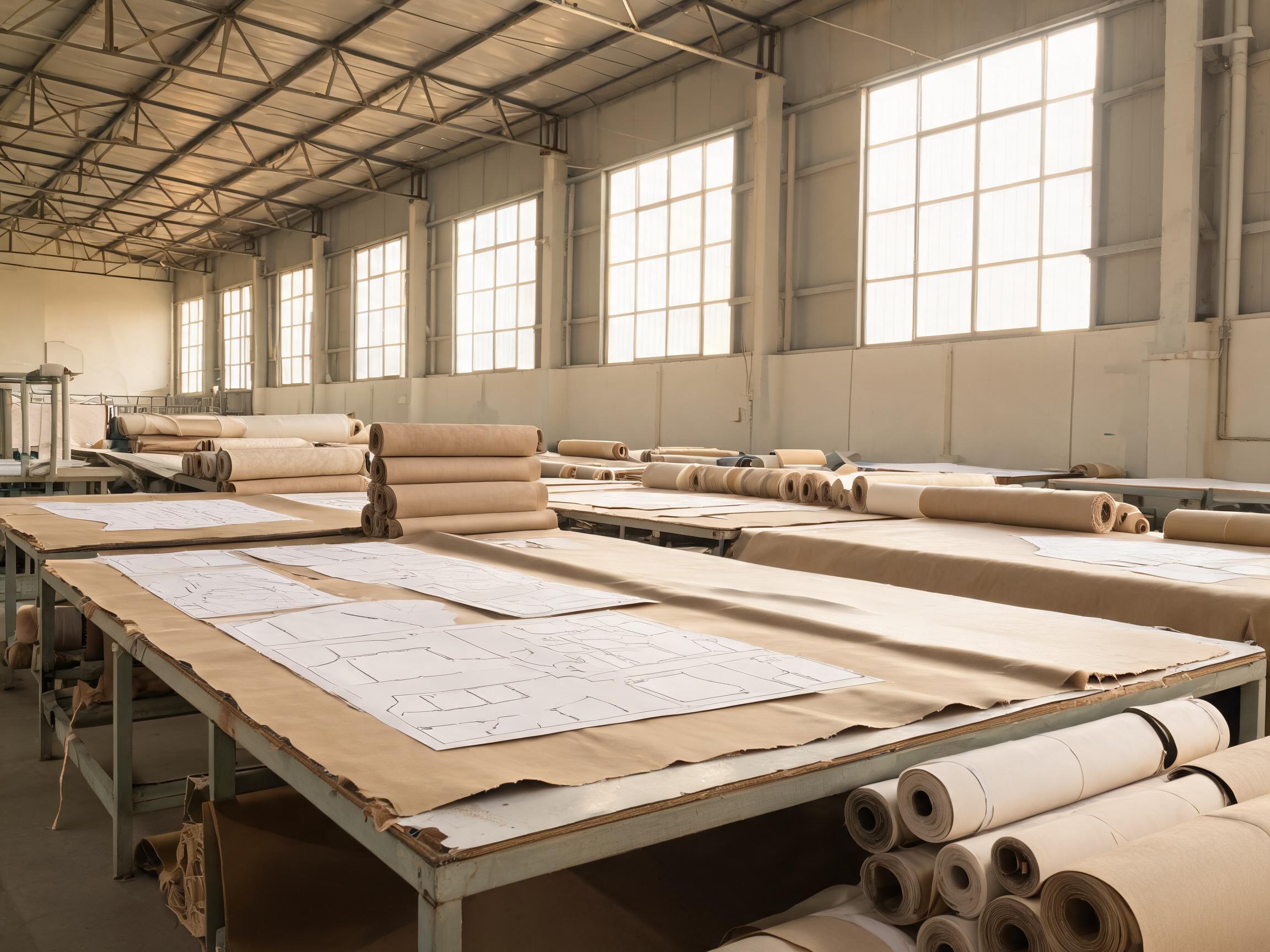
Beach environments punish fabric three ways: abrasion from sand, corrosion and staining from salt water, and UV fade. Your evaluation should focus on which material the factory recommends for your price point and how the spec is written into the contract. The three most common candidates:
- Canvas. A classic beach tote look with good structure. The Canvas Weekend Shoulder Bag is a useful construction reference for how a canvas shoulder style is built. Specify fabric weight (GSM) explicitly and ask what finish — waxed, coated or plain — is offered, and whether the supplier can confirm colorfastness and cleaning practicality in sampling.
- Coated nylon. Lighter, packs flat, sheds water and sand more easily. Nylon construction from the Nylon Shoulder Crossbody Bag shows how a lightweight nylon body is assembled; the water-resistant treatment used on outdoor styles such as the Outdoor Trekking Backpack 35L is a comparable reference point for coatings. Raise the questions: what water-resistance rating, and does it survive salt water?
- PU leather. Suited to upscale resort retail. The PU Leather Tote Handbag illustrates the finish quality possible in this material. Ask about heat and sun behavior — PU can degrade with prolonged UV exposure — and about ease of wiping clean after beach use.
Whatever the material, ask the manufacturer to confirm colorfastness to light and to salt water in writing, and to state how the fabric should be cleaned. Vague answers here are a reliable warning sign.
3. Printing and Decoration: Specify, Then Confirm
Most beach bag programs carry a brand mark, so the decoration process matters as much as the fabric. Industry-standard options include screen printing, heat transfer and embroidery — but never assume a factory offers all of them in-house or at the quality you need. In your evaluation:
- Submit artwork early and ask which process the manufacturer recommends for your fabric and design complexity.
- Confirm placement dimensions and tolerances in the sample, measured on the actual bag, not on paper.
- Test wash durability: rub, flex and humidity testing on the printed sample before approval.
- Clarify whether the process is in-house or subcontracted — subcontracted decoration adds a quality-control layer you should inspect at pre-shipment.
4. Low-MOQ Customization Terms for Trial Programs
First orders rarely justify large commitments, so the customization terms matter. Wellmax's catalog baseline is 500 pcs per style, with OEM adjustments to fabric, color, lining and hardware confirmed with the team before sampling. For a trial or seasonal-test program, negotiate these points explicitly:
- Color mixing within a style. Ask whether the 500 pcs can be split across two or three colorways of the same design — this is often the cheapest way to test market response.
- Branded packaging and hang tags. These are available on request; confirm cost and minimums per component.
- Style selection from the existing range. Tote-based styles such as the Everyday Tote Handbag can serve as development bases, reducing tooling time compared to a fully custom pattern.
Get every agreed option — fabric substitution, hardware finish, tag spec — documented in the proforma invoice before sampling begins, not after.
5. Production and Delivery Checks
The last checkpoint is how the factory converts an approved sample into packed cartons. Look for:
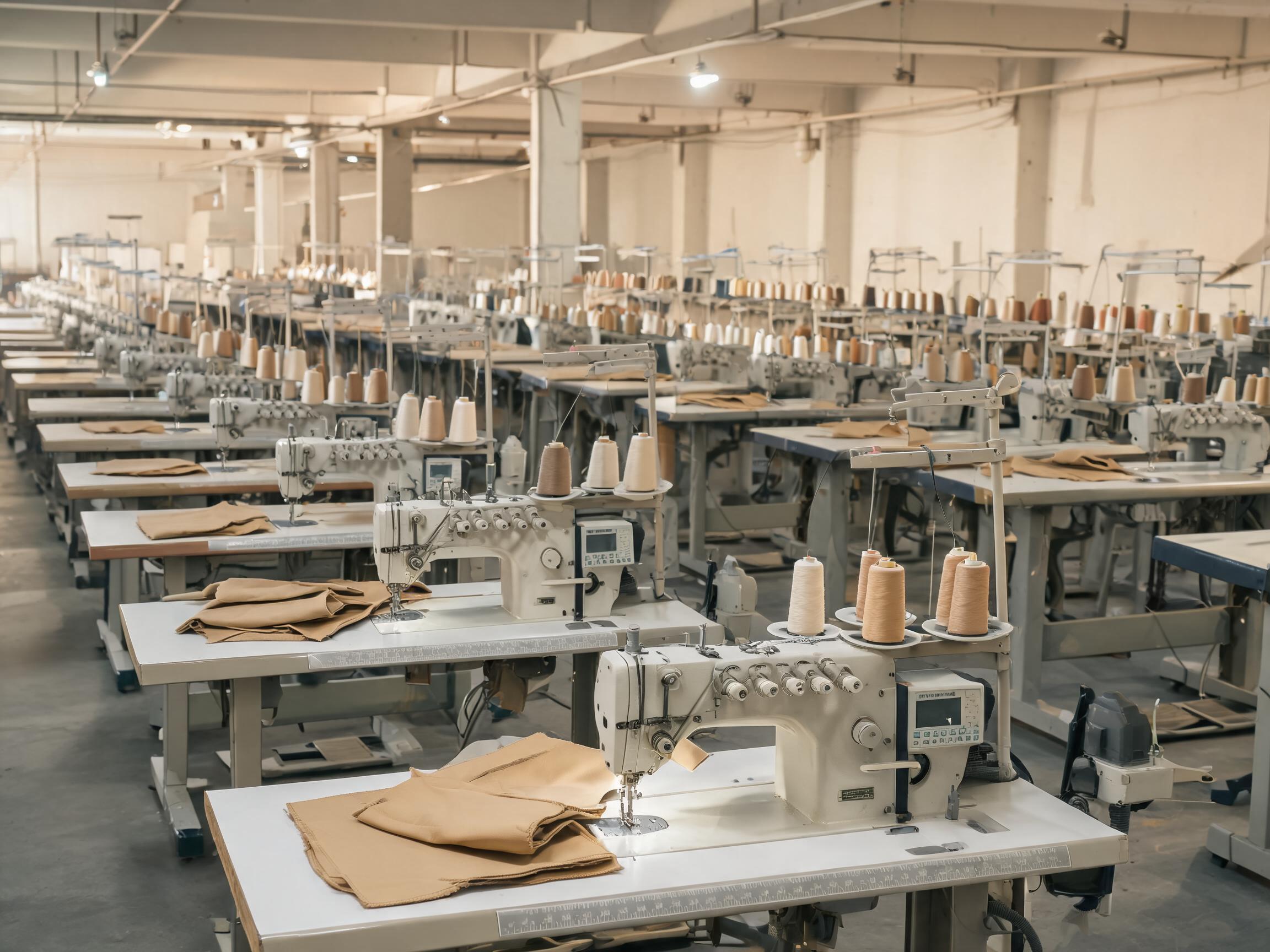
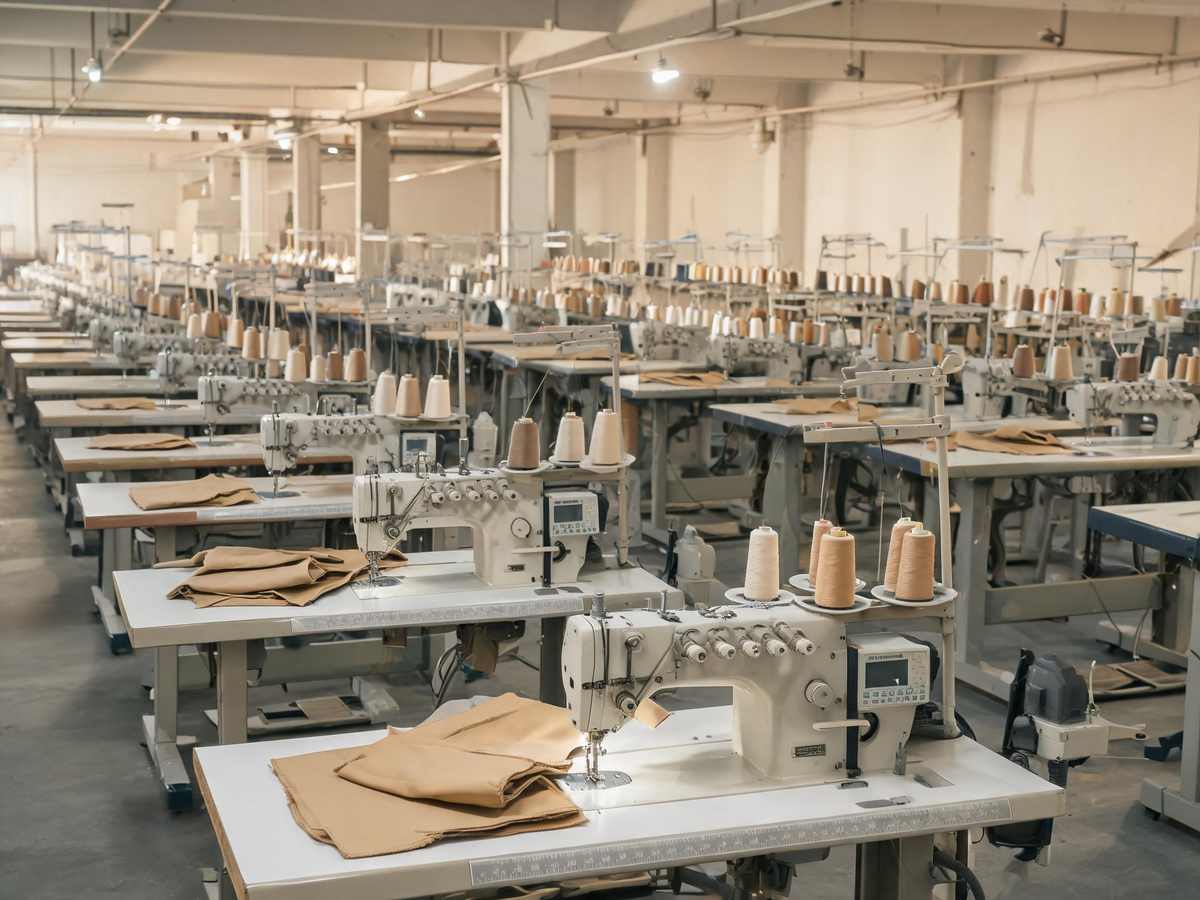
- One-roof production. Cutting, sewing, assembly and inspection under one roof shortens internal handoffs and keeps accountability in one place. Wellmax operates a 12,000 m2 facility on this model, with roughly 150,000 pieces per month of capacity across about 320 employees.
- Finished-product inspection before packing. Ask where in the line inspection happens — a dedicated check before packing is a meaningful quality gate, not a formality.
- Third-party inspection support. If you use SGS, Intertek or a similar service, confirm the factory accepts external inspection at mid-production and pre-shipment stages.
- Lead time structure. The quoted standard is 30-35 days after sample approval and order confirmation, with final timing depending on volume and schedule. Ask how your order slots into the production calendar and what happens if a fabric input is delayed.
- Factory-level certifications. An ISO 9001:2015 quality management system covering design, manufacturing and sales of luggage and travel bags, plus a BSCI social compliance audit of the production facility, are standard vetting checkpoints for retail and program buyers — verify scope and currency directly with the supplier.
Wellmax Luggage, founded in 2013 in Quanzhou, Fujian, serves buyers in more than 40 countries and exhibits at international luggage fairs each year. The production system covers small sewn goods and soft bags alongside luggage, which is why tote and shoulder-bag construction references across the catalog transfer directly to beach bag development.
Frequently Asked Questions
Can I order fewer than 500 pieces for a first beach bag test?
500 pcs per style is the catalog baseline, but trial-program terms — such as splitting quantities across colorways within one style — are worth raising directly with the team. Any reduced-quantity arrangement and its cost impact should be confirmed in writing before sampling.
Which fabric should I choose for a resort retail beach bag?
It depends on positioning: canvas suits classic resort aesthetics, coated nylon suits lightweight travel and promotional programs, and PU leather suits premium retail. Ask each manufacturer to quote the same design in two materials during sampling so you can compare hand feel, weight and cost before deciding.
How is branded packaging handled?
Branded packaging and hang tags are available on request. Confirm the artwork format required, per-unit cost and any component minimums when you request your quotation, and include packaging specs in the sample approval.
What Incoterms are typical for beach bag programs?
Incoterms are confirmed per destination; FOB is common for importers with their own freight forwarders, while door-to-door terms suit first-time buyers. State your preferred term when requesting pricing so quoted costs are comparable.
Request a Quotation
Ready to develop your beach bag program? Send your target quantity, destination market and customization requirements — fabric preference, decoration artwork and packaging needs — and the Wellmax team will confirm options, sampling terms and lead times for your review.