You have shortlisted a backpack factory in China. The sample looks right. But the gap between a good sample and a container of backpacks that match it is where most sourcing problems start. This guide walks through the checkpoints that decide whether mass production runs smoothly or turns into weeks of rework and negotiation.
Why Sampling Decisions Decide Mass Production
A backpack sample is not just a visual approval. It is the physical reference for every unit that follows. If the sample is made with a fabric that the factory cannot source consistently, or a zipper that gets substituted at the last minute, the approved sample becomes a document that nobody can meet.
Buyers often treat sample approval as a design milestone. In practice, it is a production milestone. Every detail you accept at sampling — seam allowance, lining weight, zipper brand, logo placement, stitching density — becomes a specification the factory must replicate at scale. The clearer you are at this stage, the less room there is for interpretation later.
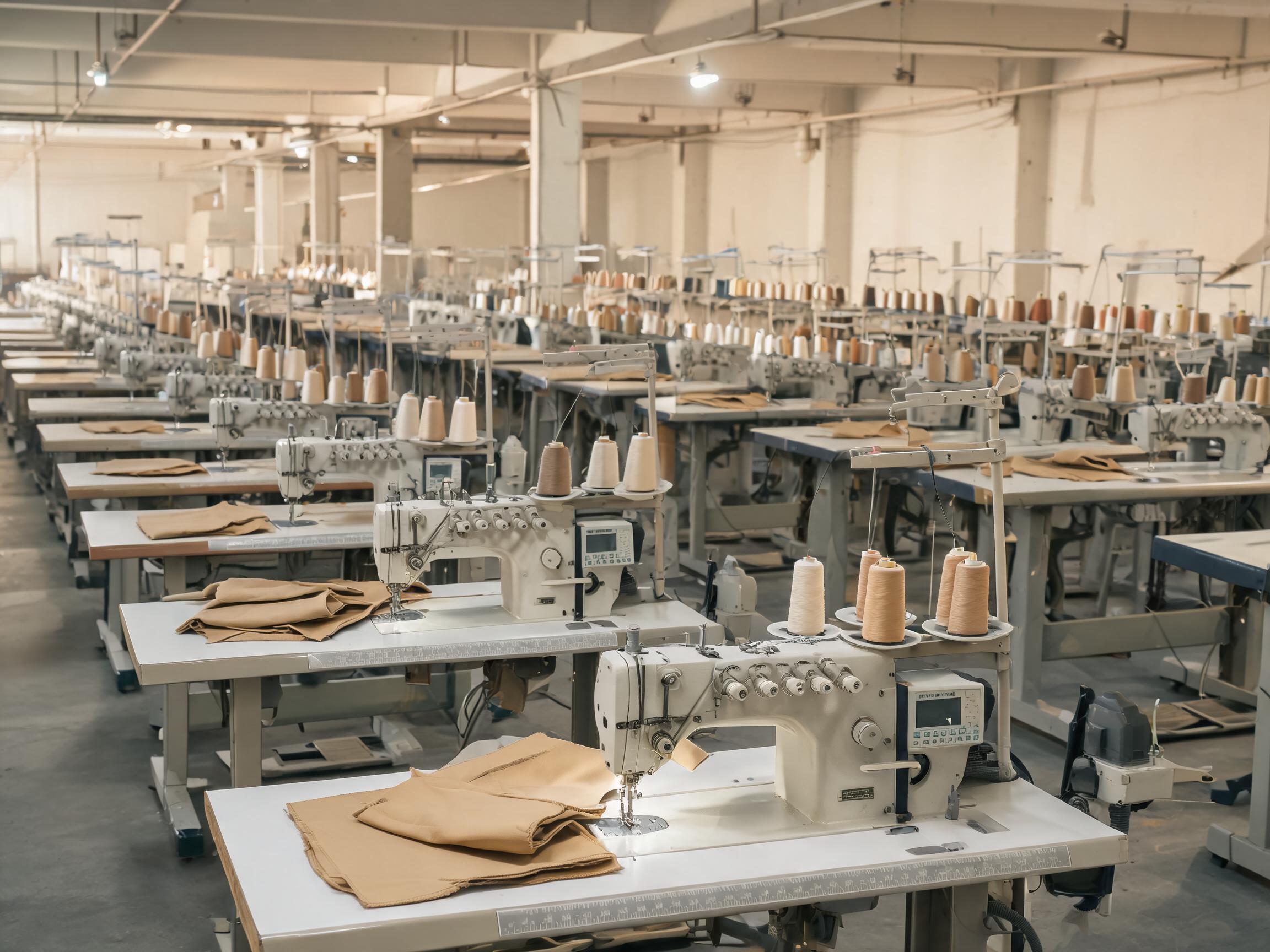
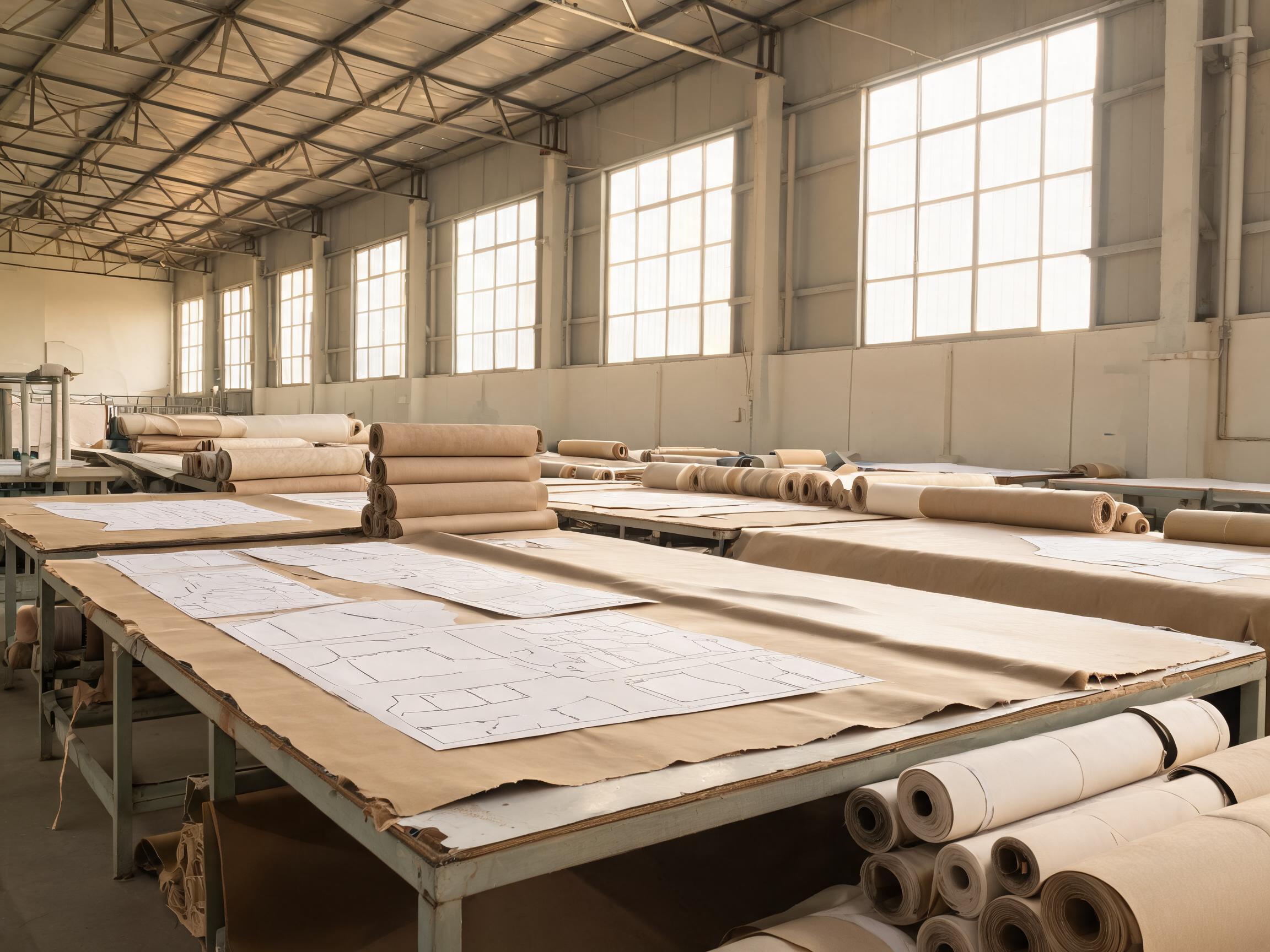
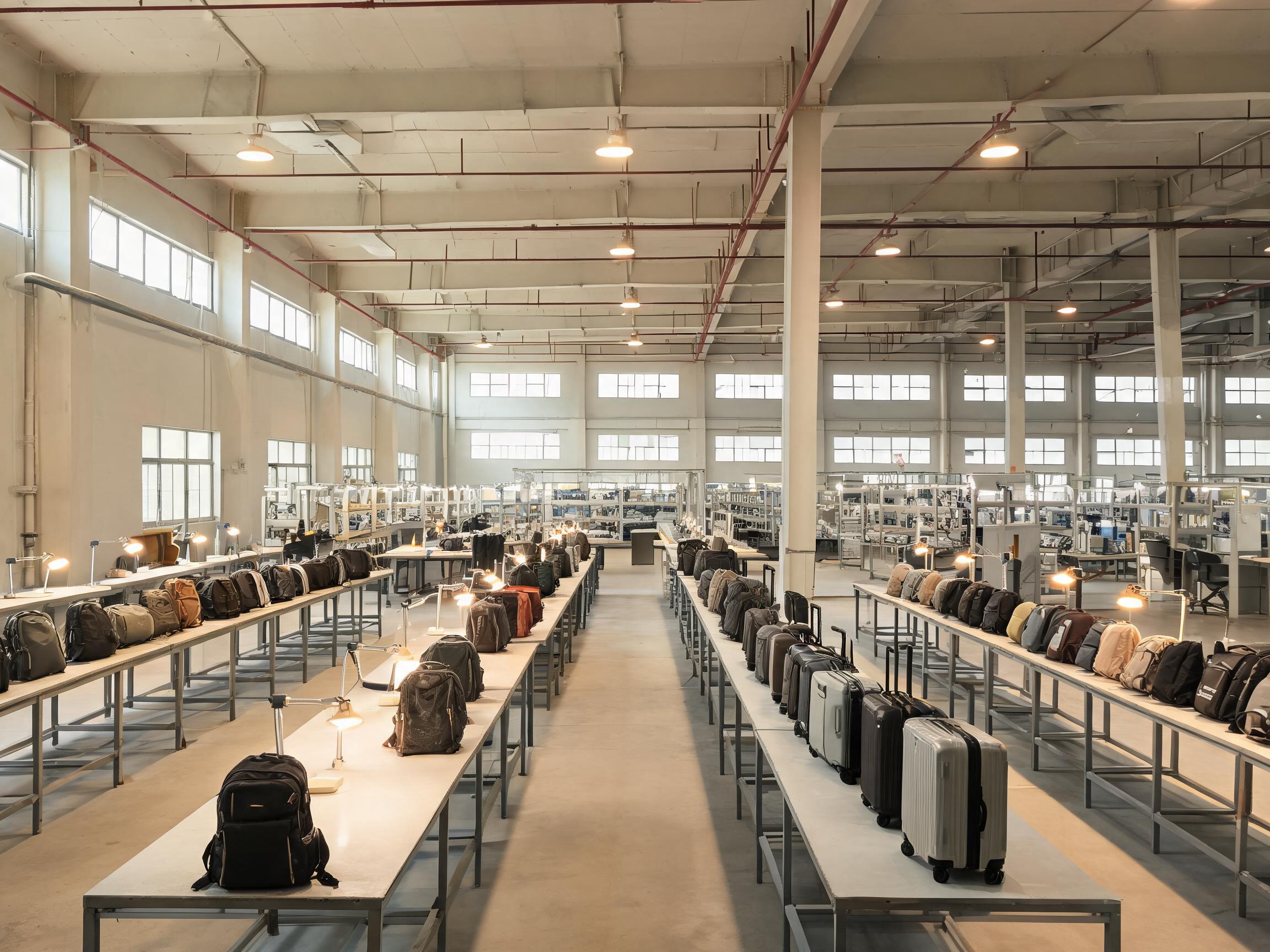
At Wellmax Luggage, an OEM/ODM luggage and bag manufacturer in Fujian, China, the sampling and mass production process runs through defined approval gates. The company operates a 12,000 m² facility with around 320 employees and a monthly capacity of approximately 150,000 pieces, serving buyers in more than 40 countries. That scale means sampling is not a one-off exercise — it is a repeatable process with checkpoints that apply to every order.
What to Confirm at Sample Approval
Before you sign off on a sample, go through it as if you were inspecting a finished production unit. The goal is to catch anything that could become a variance at scale.
Construction and Materials
- Fabric: Confirm the exact composition, weight (GSM), and width. Ask whether the mill supplies this fabric consistently and what the factory's plan is if it is unavailable.
- Zippers: Note the brand, size, slider type, and puller. If the sample uses a branded zipper, confirm whether that exact model will be used in production or if an equivalent is acceptable.
- Stitching: Check stitches per inch, seam type, and reinforcement at stress points (shoulder strap attachments, handle, bottom panel).
- Hardware: Buckles, D-rings, and adjusters — confirm material, finish, and load rating if applicable.
- Lining: Weight and color. A lighter lining can change the bag's structure and feel.
Measurements and Tolerances
Measure the sample yourself and record the dimensions. Ask the factory what tolerance they work to on cut-and-sew products. If your retail channel requires specific dimensions, state them now. A 1 cm difference on a laptop compartment can mean a returned product.
Logo and Branding
Confirm the method (embroidery, screen print, heat transfer, woven label), placement, and size. Ask for a photo of the logo application on the sample and keep it as a reference. If the logo is embroidered, confirm thread color codes.
Packaging and Labeling
Poly bag dimensions, hangtag placement, barcode labels, and any retail-ready packaging. If you need the bag folded a certain way, show it in the sample approval photos.
Material and Zipper Substitution Rules
Substitution is one of the most common sources of dispute in backpack production. A factory may substitute a fabric or zipper because the original is out of stock, the lead time is too long, or the cost has changed. Without a written rule, you may only find out when the goods arrive.
Set the rules before production starts:
- No substitution without written approval. State this in the purchase order. Any change to fabric, zipper, lining, or hardware requires your sign-off before it is used.
- Define acceptable equivalents. If you are open to alternatives, specify the criteria: same composition, same weight, same color fastness, same zipper brand tier. Ask the factory to submit a substitution request with a sample of the proposed material.
- Zipper specifics. Zippers are a functional and brand-critical component. If you require YKK or a specific model, say so. If the factory proposes an alternative, ask for the model number and test it on a sample before approving.
- Document the approved substitution. If you approve a substitute, update the sample approval sheet and keep a record. This prevents confusion if the same issue arises on a future order.
Wellmax Luggage supports OEM and ODM projects and works with buyers to define material specifications at the sampling stage. The company holds ISO 9001:2015 quality management system certification and has undergone a BSCI social compliance audit. These certifications cover the management system and social compliance — they are not product-specific certifications, and buyers should still verify material and component specifications for their own order.
Pre-Production Sealing
Pre-production sealing (often called PP sealing or pre-production sample approval) is the step where the factory produces a small batch using the final materials and components, before full mass production begins. It is your last chance to catch problems while changes are still cheap.
What to confirm at PP sealing:
- The fabric and zipper match the approved sample (or the approved substitution).
- Measurements are within tolerance.
- Logo application matches the approved method and placement.
- Stitching and reinforcement match the sample.
- Packaging and labeling match your requirements.
If the PP sample passes, the factory can proceed to mass production. If it fails, the issue is corrected before the line starts. This gate is what prevents a small sampling error from becoming a container-wide rework problem.
In-Line and Final Inspection Gates
Inspection is not a single event at the end. It is a series of gates. For backpacks, the most useful gates are:
| Gate | What to Check | Why It Matters |
|---|---|---|
| Incoming material inspection | Fabric, zippers, hardware, lining against approved specs | Catches wrong or defective materials before cutting |
| Cutting inspection | Panel dimensions, grain direction, pattern alignment | Prevents measurement drift across the batch |
| In-line inspection (during sewing) | Stitching density, seam strength, logo placement, hardware attachment | Catches assembly errors while they can still be corrected |
| Final inspection (pre-shipment) | Function test (zippers, straps, buckles), measurements, appearance, packaging | Confirms the finished goods match the approved sample |
Ask the factory which gates they perform and whether they allow third-party inspection. A factory with a documented quality management system, such as ISO 9001:2015, should be able to describe these gates and provide records.
Rework Risk Control Checklist
Use this checklist before mass production starts. It is designed to surface the issues that most often cause rework.
- Approved sample sheet signed by both parties. Includes fabric, zipper, hardware, lining, measurements, logo, and packaging.
- Written substitution rule in the PO. No changes without written approval.
- PP sample approved before mass production. Not just a verbal OK — a signed approval.
- Inspection gates defined. Incoming, cutting, in-line, and final.
- Third-party inspection allowed. Confirm this in writing if you plan to use it.
- Communication channel for issues. Who do you contact if a problem is found? What is the escalation path?
- Records retention. Ask how long the factory keeps inspection records and whether you can access them.
FAQ
Sampling timelines vary by design complexity, material availability, and factory workload. Ask your supplier for a specific timeline for your project and confirm it in writing. Wellmax Luggage can provide a sampling schedule based on your design and material requirements.
This is a substitution situation. The factory should submit a substitution request with a proposed alternative and a sample of the material. You approve or reject it in writing before production. If you reject it, the factory should source the original or propose another option.
It depends on your risk tolerance and order size. Many buyers use third-party inspection for the first order or for large volumes. Confirm with your supplier that third-party inspection is allowed and agree on the timing.
ISO 9001:2015 is a common quality management system certification. BSCI social compliance audits are also relevant for buyers with social responsibility requirements. These certifications cover the management system and social compliance, not individual product specifications. Always verify the specific certifications that matter for your market and product.
The PP sealing step and in-line inspection gates are designed to catch deviations. If you have a signed sample approval sheet and the factory follows the inspection gates, the risk of mass production not matching the sample is significantly reduced. For additional assurance, use third-party inspection.
Next Step
If you are sourcing backpacks from China, the sampling-to-production process is where you protect your order. Start by asking your supplier for a sample approval sheet template, their substitution policy, and their inspection gate procedures. If they cannot provide these, that is a signal about how they manage quality.
Wellmax Luggage is an OEM/ODM luggage and bag manufacturer in Fujian, China, founded in 2013. The company operates a 12,000 m² facility with around 320 employees and a monthly capacity of approximately 150,000 pieces, serving buyers in more than 40 countries. Product categories include trolley cases, backpacks, business and laptop bags, and handbags. The company supports the full order cycle: sampling, tooling, mass production, quality inspection, and export.
Contact Wellmax Luggage to discuss your backpack project. Share your design, target materials, and order volume, and the team can outline the sampling and production process for your specific requirements.