Buyers planning a private-label handbag line usually start from color cards, but the decisions that drive unit cost and shelf performance come earlier: silhouette, material and hardware. Wellmax Luggage, a Fujian OEM handbag manufacturer, produces totes, satchels, crossbodies and bucket bags from a 12,000 m² facility with about 320 staff and a monthly output of roughly 150,000 pieces. The plan below shows how to structure a handbag range that reads as one collection at retail.
Map the Line by Silhouette First
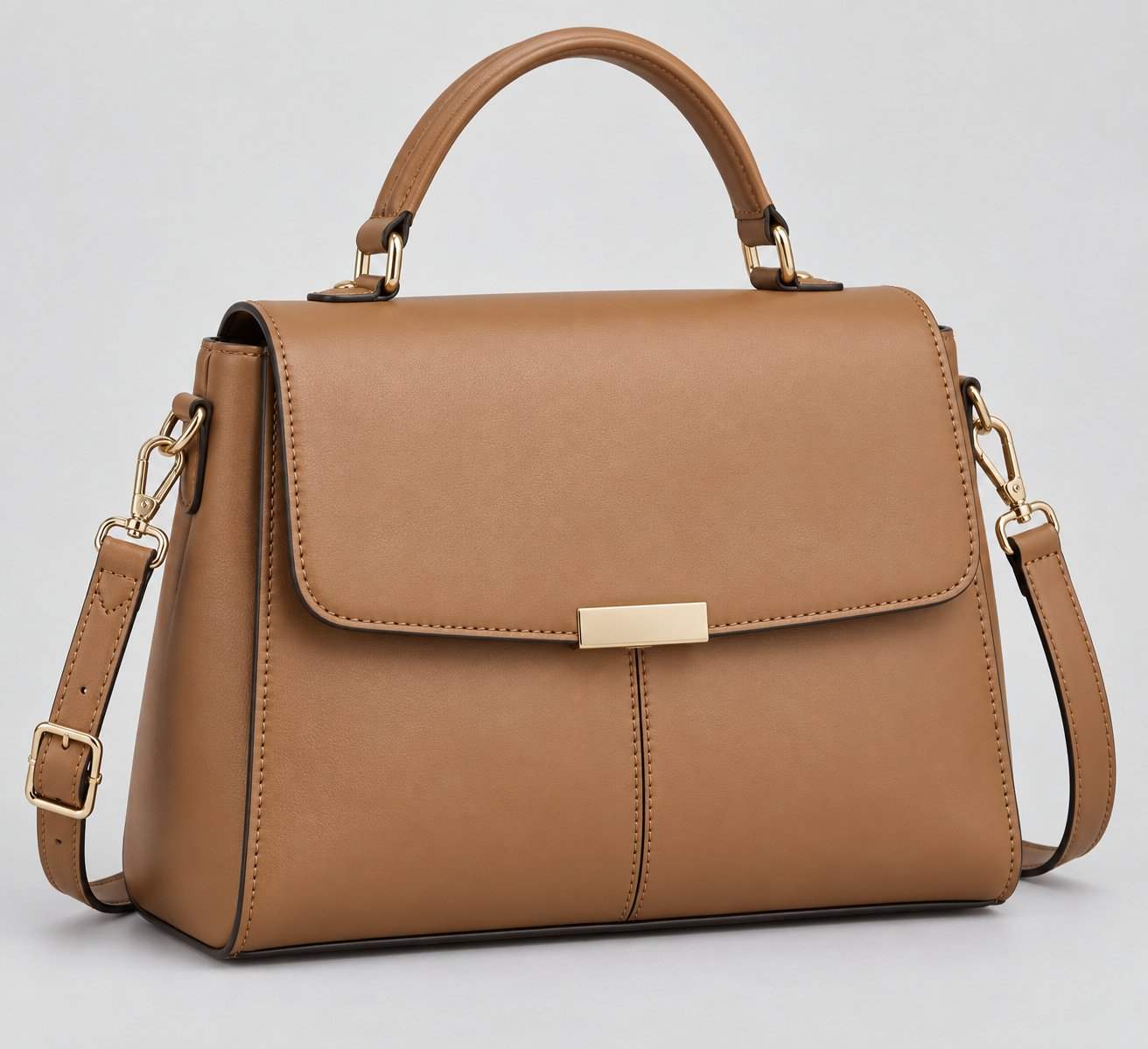
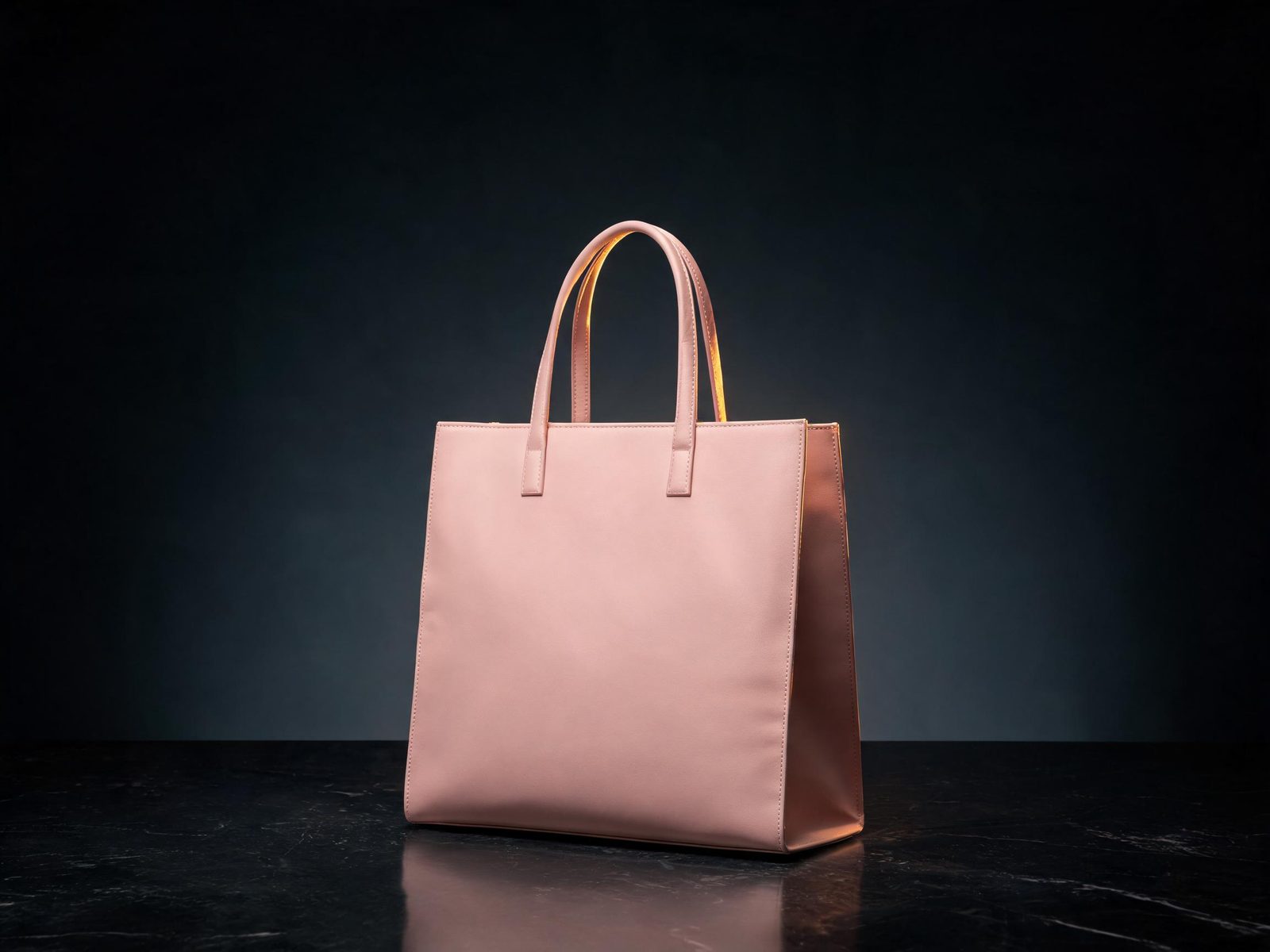
A handbag line works when every style answers a different carry routine. A structured tote carries a laptop and daily essentials on two top handles. A satchel pairs a top handle with a detachable shoulder strap for office settings. A crossbody flap bag keeps both hands free through commutes and travel. A bucket handbag trades rigid structure for a roomy drawstring interior. Mapping each silhouette to its sales channel before sampling prevents near-identical shapes competing on one shelf.
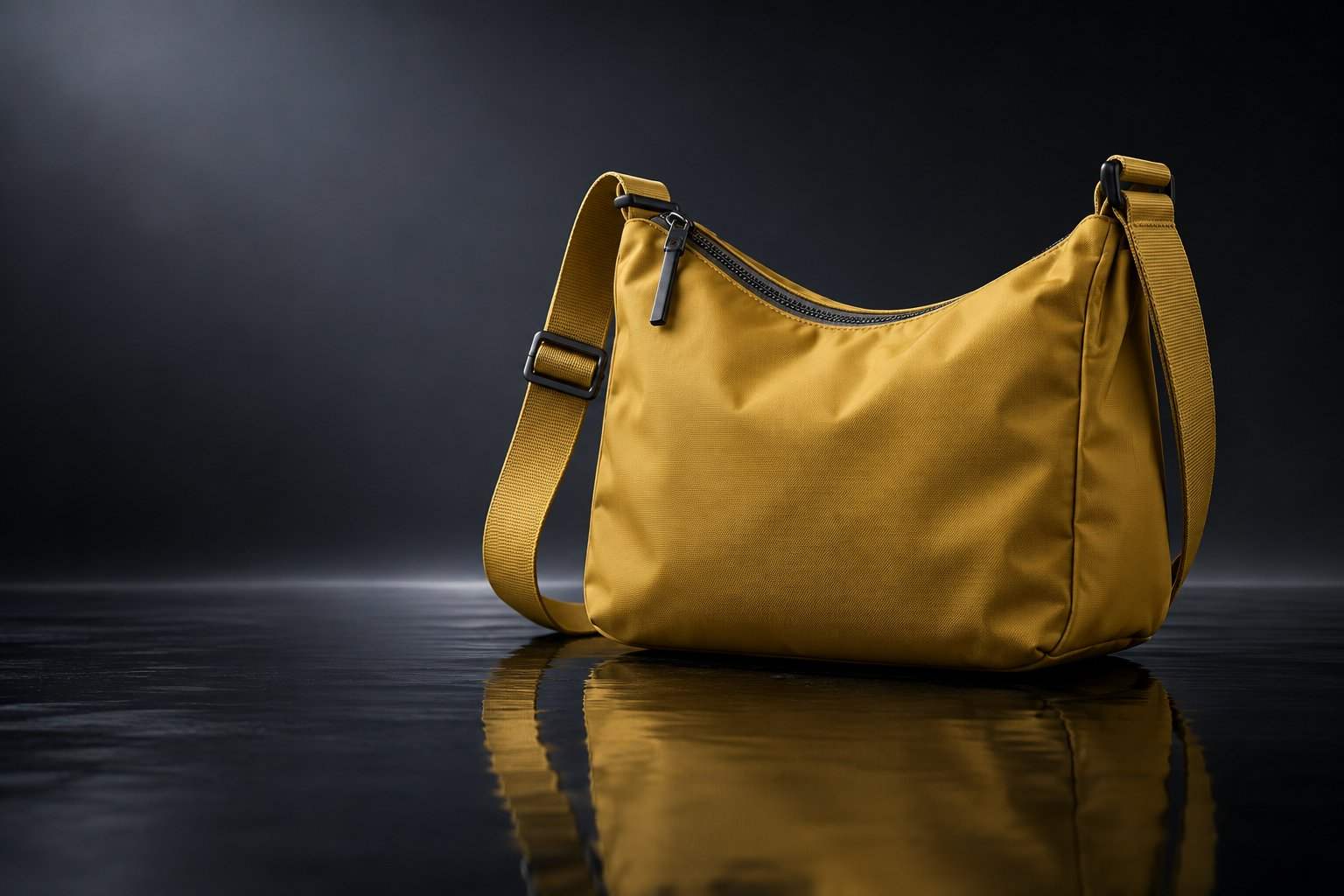
Wellmax Luggage covers all four structures in the current handbag range: the PU Leather Tote Handbag for everyday carry, the Structured Satchel Handbag for polished office programs, the Nylon Shoulder Crossbody Bag for lightweight hands-free use, and the Bucket Handbag for casual retail. Browsing the handbag category first gives buyers a complete silhouette map from a single OEM handbag manufacturer.
Material Choices Decide Cost and Positioning
Material selection separates positioning tiers within the same silhouette. PU leather holds structured shapes, accepts brand-specific colors and carries the quilted textures fashion retail expects, so totes and satchels in PU leather read as premium private-label pieces. Nylon cuts weight and adds water resistance for urban and travel channels; the nylon crossbody in the range pairs a zipper closure with an adjustable strap for hands-free daily carry.
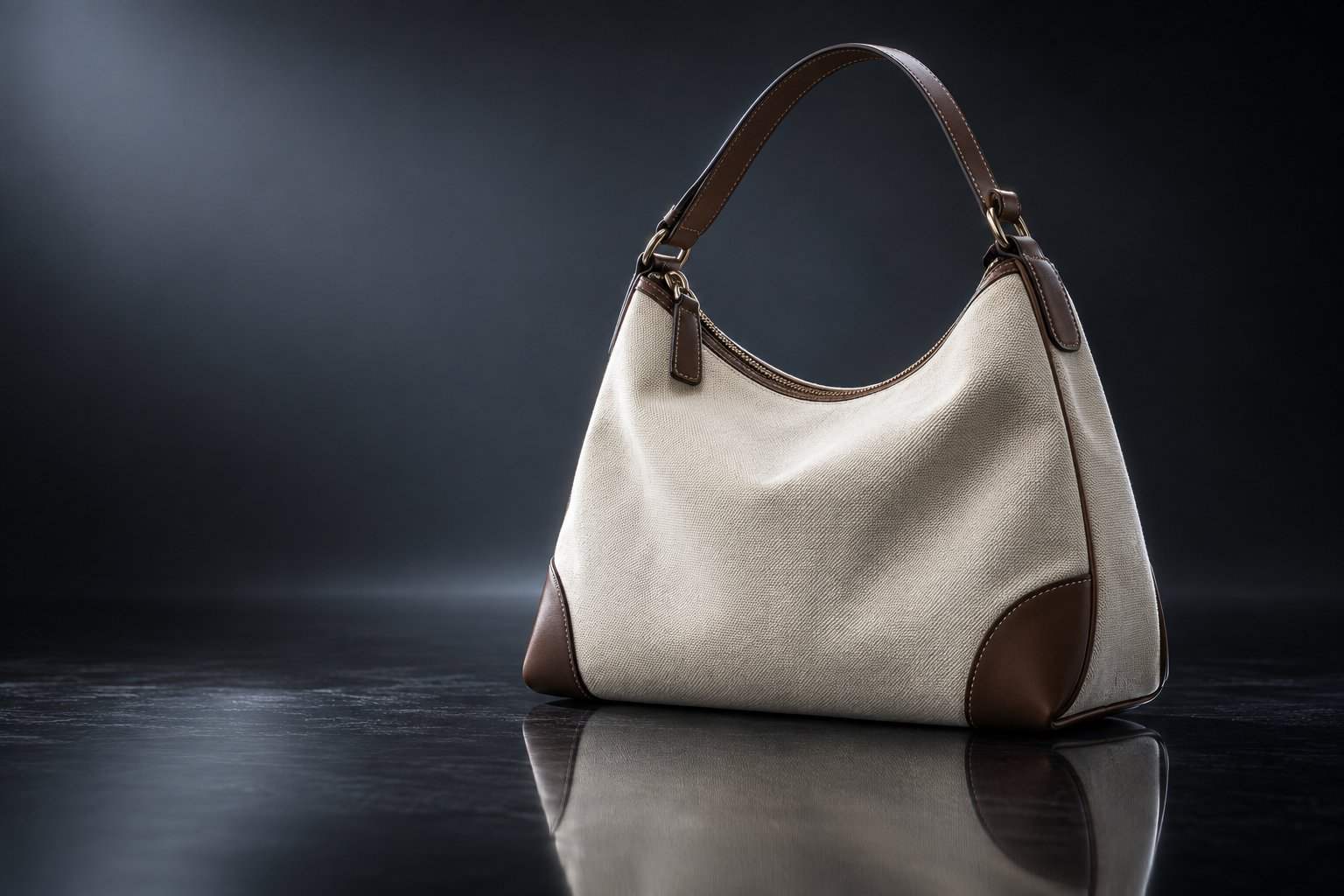
Canvas with leather trim serves lifestyle and weekend retail, where a natural-fabric look and a top zipper matter more than formal structure. Matching material to channel keeps the price ladder coherent: a canvas shoulder bag anchors the entry tier, PU leather totes and satchels hold the mid tier, and upgraded hardware lifts the premium end without a new pattern.
Keep Hardware and Lining Consistent Across the Range
Hardware finishes decide whether the range reads as one collection. A private-label program that fixes one metal finish for zippers, clasps and logo plates keeps the handbag line visually consistent and consolidates hardware purchasing into a single order. Lining color and webbing quality follow the same rule: one written standard applied to every style costs less than re-specifying each bag separately.
Sampling, MOQ and Order Planning
Sampling runs one to three weeks and bulk production four to six weeks depending on order size, so buyers should lock the silhouette list, material standard and hardware finish in writing before the first sample request. The OEM handbag manufacturer confirms MOQ per line at sampling stage, which lets buyers plan a mixed container that combines handbags with trolley cases or backpacks from the same Fujian factory.
Frequently Asked Questions
How many silhouettes should a first handbag order include?
Three to five styles cover the main carry routines without stretching tooling: a tote, a satchel or flap crossbody, and one casual shape such as a bucket or canvas shoulder bag. A Fujian OEM handbag manufacturer can adapt each base pattern to the buyer's color and hardware standard, which keeps a small first line flexible for seasonal updates.
Which material suits a first private-label handbag collection?
PU leather suits structured totes and satchels for fashion and office retail, nylon suits lightweight crossbodies for commuting and travel, and canvas with leather trim suits lifestyle weekend programs. Deciding the channel first and the material second keeps unit cost and shelf price aligned across the collection.
Can one factory produce handbags alongside luggage?
Wellmax Luggage runs hard-goods and soft-goods lines under one roof in Fujian, holding ISO 9001:2015 certification and BSCI audit records. Producing handbags next to trolley cases and backpacks keeps zippers, webbing and metal hardware consistent across the whole travel and bag range.
Next Step for Buyers
Buyers ready to build a handbag line can review the handbag category, shortlist totes, satchels, crossbodies and bucket bags against their channels, and request samples with a written material and hardware standard. A Fujian OEM handbag manufacturer that quotes the full line in one cycle shortens the path from sample approval to retail launch.