Insulated cooler bags have grown from picnic accessories into a category of their own: grocery and meal-kit delivery fleets, beverage brands, outdoor retailers and corporate gift buyers all source them as branded lines. The choice of cooler bag manufacturer determines whether finished goods hold temperature through the delivery window, survive commercial handling and pass retail quality audits.
Wellmax Luggage, an OEM/ODM bag manufacturer founded in 2013 in Fujian, China, runs a 12,000 m² facility with cutting, sewing, assembly and inspection under one roof, producing about 150,000 bags per month. Cooler bag projects are quoted as a dedicated category with separate sampling and testing steps, so buyers can verify thermal performance before committing to mass production.
Insulation Materials and Construction Methods
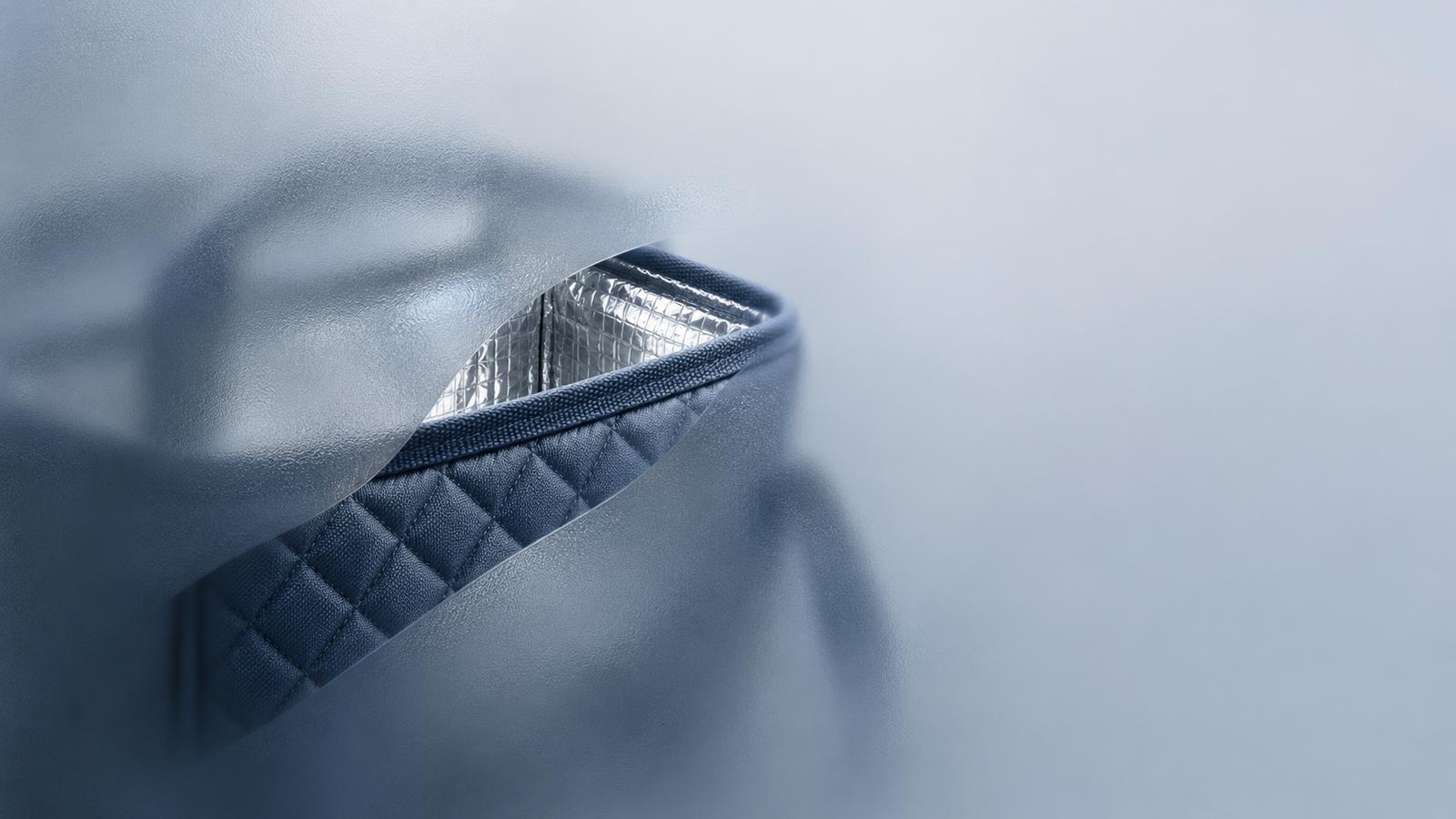
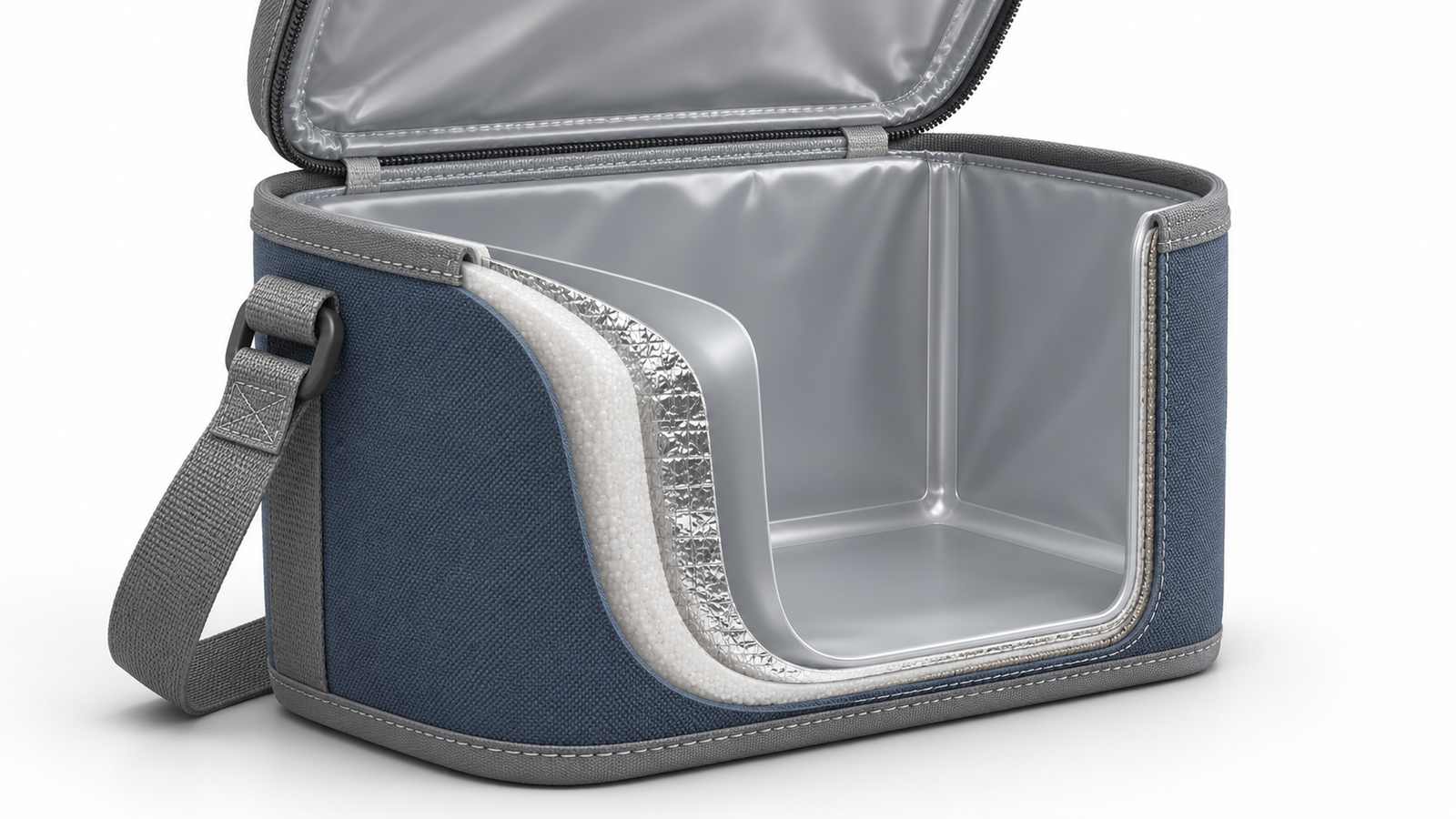
Insulation performance starts with the laminate stack. A typical soft cooler bag bonds an aluminum foil film to pearl-cotton foam, with the foil facing the chamber to reflect radiant heat. Entry-level programs use 3 mm single-layer foam; premium retail programs move to 5 mm laminates or dual chambers. A serious cooler bag manufacturer states foam thickness, foil grammage and bonding method in the quotation, not a generic insulated label.
Construction method matters as much as material. Fully stitched chambers leak air through needle holes and lose cooling efficiency; heat-pressed seams seal the insulation layer completely. Many buyers specify a hybrid structure: welded main chamber walls with stitched outer panels and webbing. Ask any candidate cooler bag manufacturer to mark which seams are welded and which are stitched, then verify the marking on the physical sample.
Capacity Ladder and Shell Forms
Capacity planning should follow the sales channel rather than a single hero size. Lunch-format coolers in the 6–12 can range serve meal-kit and corporate gift channels. Mid-size 20–30 L soft coolers cover grocery delivery and beach retail, while 40 L formats target camping and overlanding programs.
Hard-shell rotomolded boxes dominate the overlanding segment, while soft-shell bags win on weight, unit cost and flat storage for shipping. Buyers should confirm which shell forms a prospective cooler bag manufacturer actually produces in-house, because welding jigs, mold access and inspection fixtures differ sharply between the two forms.
Waterproof Liners and Seal Specifications
Leak resistance separates a premium cooler from a commodity tote. Pin down the liner film (PEVA or TPU, with thickness), the zipper type (standard coil, coated water-resistant coil, or an airtight waterproof seal), and whether the liner is sewn into the chamber — creating needle holes — or welded as a separate tub. Grocery delivery programs commonly specify a welded leak-proof tub with a drain plug, then test with a full load of ice and water.
Sample Testing Before Mass Production
Sample testing converts marketing claims into comparable data. A standard pre-production protocol checks ice retention (hours until 50% of the ice melts at a stated ambient temperature), zipper cycle life, strap load tests and 90 cm drop tests. Run the identical protocol on samples from every shortlisted cooler bag manufacturer, with the same ice mass and ambient conditions, so the numbers compare fairly. Wellmax Luggage attaches inspection reports to each sampling round.
OEM Order Terms and MOQ Tiers
Commercial terms close the gap between a good sample and a good order. Typical MOQ tiers for soft cooler bags run 500–1,000 units per colorway, with mixed-color programs negotiating lower tiers. Confirm the price basis (FOB or EXW), tooling charges for custom branding, lead time from sample approval, and retail-ready packaging costs. A transparent cooler bag manufacturer lists each item separately instead of folding all costs into one number.
Related Production Lines and Next Steps
Cooler bag tooling shares cutting tables, sewing lines and inspection stations with the existing soft-bag production at Wellmax Luggage. Buyers evaluating related categories can start from the backpack category and the published product pages below.
The Roll-Top Waterproof Backpack 30L demonstrates welded-seam construction for wet-weather programs. The Technical Daypack 25L Water-Resistant serves commuter and student channels. The Outdoor Trekking Backpack 35L covers trail retail with a ventilated back panel. Browse the full backpack category for additional OEM-ready programs. Send a cooler bag brief with target capacity, ice-retention requirement and annual volume to receive a dedicated OEM quotation from Wellmax Luggage.