What zipperless luggage actually is
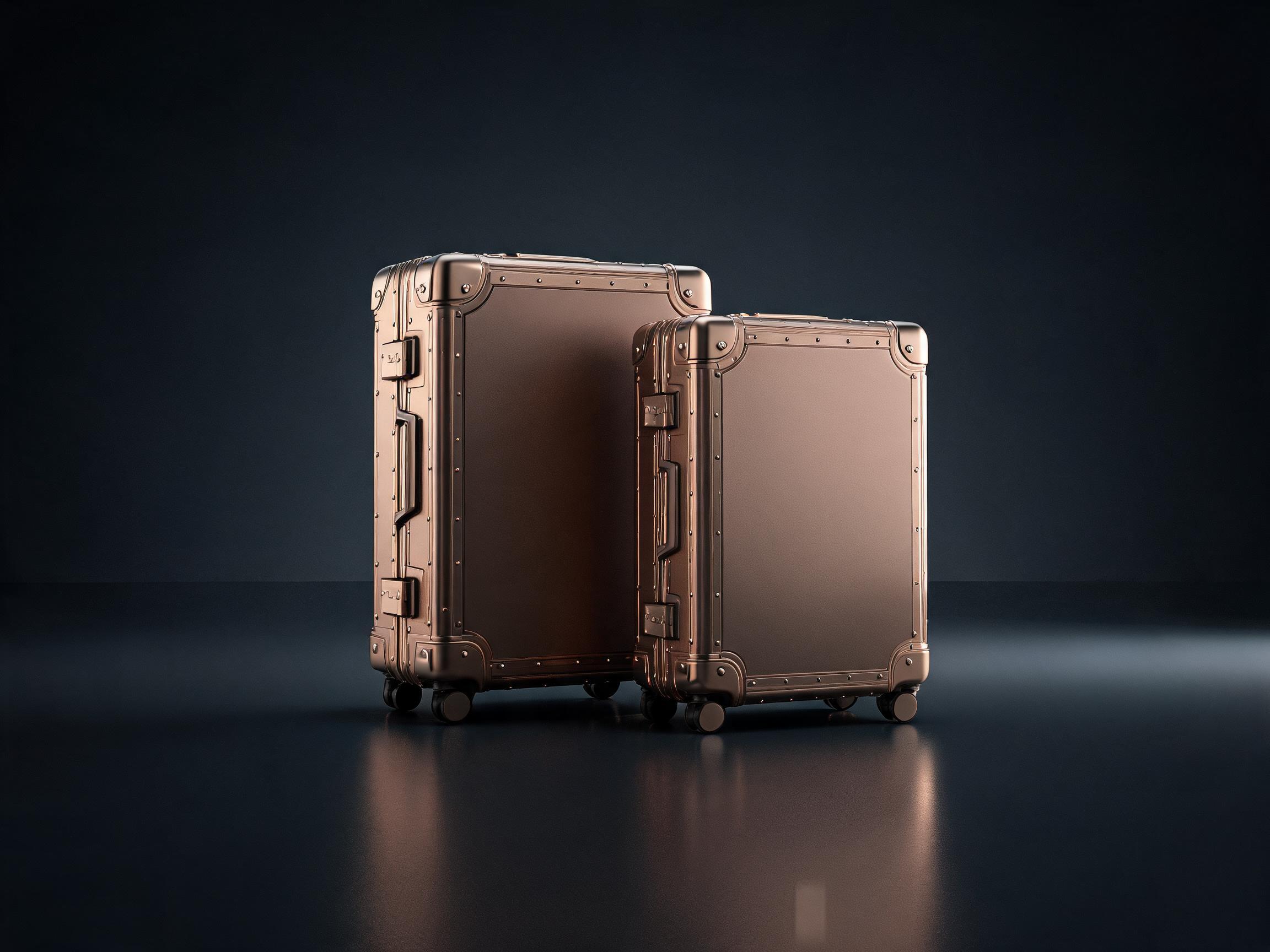
Zipperless luggage is a hardcase construction that closes with a rigid frame and latches instead of a zipper. The two shell halves meet at an extruded frame, usually aluminum, and the case is sealed by one or more latching mechanisms, often with an integrated lock.
The rationale buyers cite most often is straightforward: a zipper is a slit in the shell held together by fabric coil, and that coil line is the most common access point on a conventional case. A frame-latch case removes the zipper slit entirely; the closure line becomes a metal frame with latching hardware. That does not make a case theft-proof, and no responsible supplier should present it that way, but it does change what a person would have to defeat to open the case. It also changes the look: a clean frame line with visible latches reads as premium hardware rather than a soft seam, which is why frame-latch cases tend to sit at the top of a retail assortment.
Frame-latch construction: the parts and what each one does
To evaluate a zipperless program, break the case into its four functional components:
- Aluminum frame. The structural spine: it holds the case shape under rough handling, keeps the shell halves registered so the latches align after impact, and carries the load where the case is stacked or clamped. On Wellmax Luggage's aluminum-frame line, frame assembly is done in-house in Quanzhou, which matters because frame-to-shell alignment is the main failure point if assembly is outsourced.
- Latch and lock hardware. The latches take the repeated open-close cycles and the integrated lock secures the closure. The specification question is not just how many latches, but the latch mechanism, lock type and hardware finish, since these drive durability and perceived price point.
- Reinforced metal corners. Corner impacts are the most common damage event on checked luggage, and metal corner guards at the impact points protect both the shell and the frame joints. On the factory's Aluminum Frame Checked Luggage Set, they are part of the standard construction.
- Shell material. The frame holds shape; the shell carries the surface and styling. On this set the shell is ABS, keeping cost down relative to polycarbonate while the frame provides rigidity — more on that trade-off below.
Zipper closure vs frame-latch closure: the real trade-offs
Most hardcase programs on the market are still zipper cases, and for good reasons. Here is how the two systems compare on the points that actually affect a buying decision.
| Criterion | Zipper-closure hardcase | Frame-latch (zipperless) hardcase |
|---|---|---|
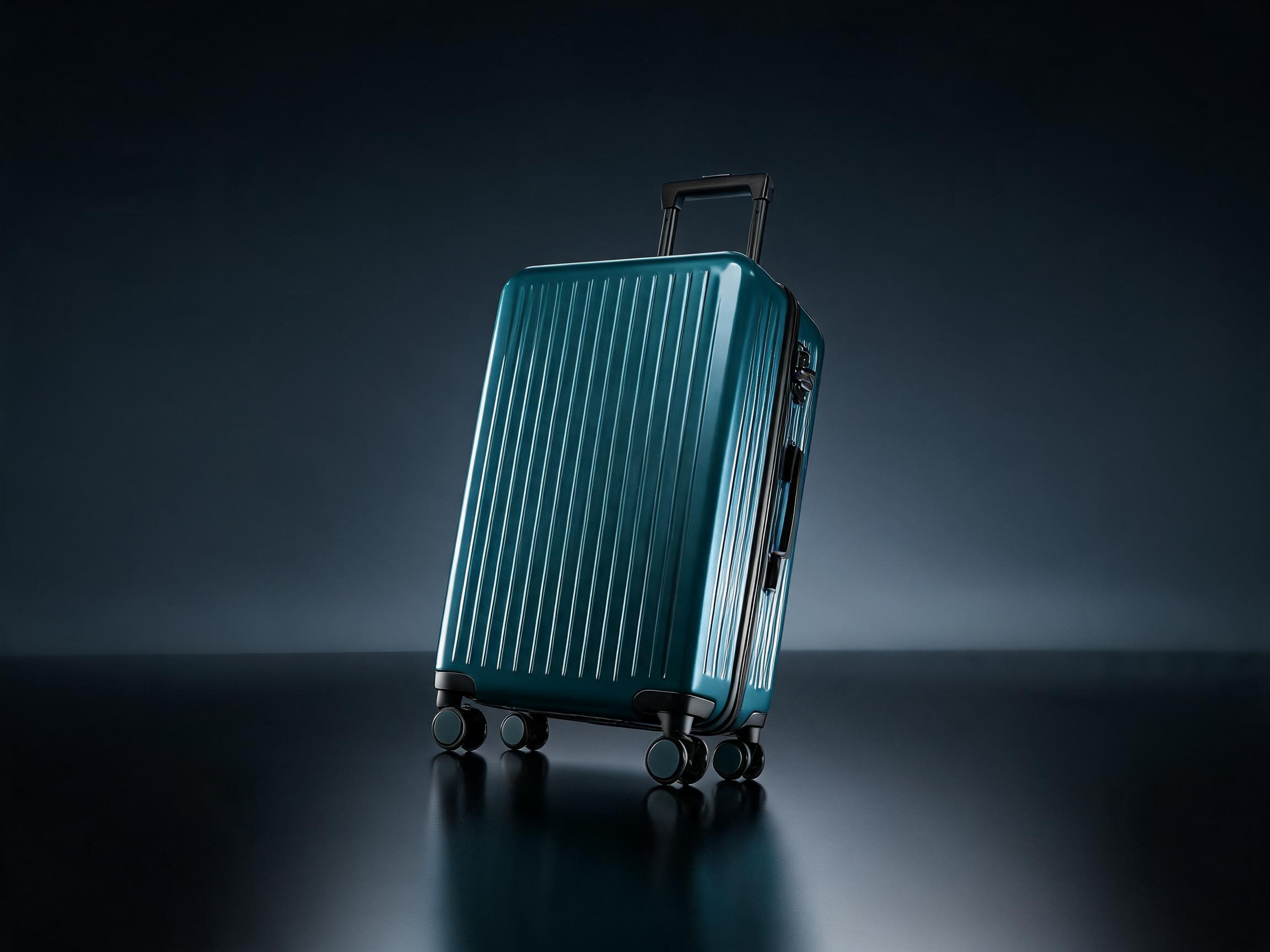
| Closure type | Zipper coil around the shell perimeter, with sliders and pullers. Wellmax's Polycarbonate Cabin Luggage 22" uses a zipper with TSA lock; the Hardshell Trolley Case 28" PC Spinner uses a zipper closure. | Rigid aluminum frame with latches and an integrated lock. No zipper slit in the shell. |
| Service and repair considerations | Zipper coils and sliders are wear items; a split coil or failed slider is a common after-sales claim, typically repairable but requiring parts and labor. | Latches and locks are the wear items instead, a different parts and skills profile than zipper repair — plan your after-sales parts accordingly. |
| Look and price positioning | Familiar, mainstream appearance; suits volume programs at mid-market price points. | Structured silhouette with visible metal hardware; reads as premium and is positioned for premium travel retail and corporate gifting. |
| Published program terms (for reference) | Polycarbonate Cabin Luggage 22": MOQ 300 pcs, 30–35 days after sample approval. Hardshell Trolley Case 28" PC Spinner: approx. 95 L capacity, MOQ 300 pcs, 30–35 days. | Aluminum Frame Checked Luggage Set: MOQ 200 sets, 35–40 days (detailed below). |
What to specify with a China OEM for a zipperless luggage program
Frame-latch cases have more hardware decisions than zipper cases, so the specification sheet matters more. Work through these points before sampling.
Shell material: ABS vs polycarbonate
At a given price point, the shell material is the biggest cost-versus-performance lever. ABS is more economical and takes color and texture well, but is more rigid and can crack under sharp impact. Polycarbonate is more impact-tolerant and flexes rather than cracking, at higher material cost. The factory's aluminum-frame set pairs ABS with the frame, letting the aluminum carry rigidity, while its PC programs use full polycarbonate shells. Decide which pairing fits your retail price point and say so explicitly in the spec.
Frame profile and hardware finish
Specify the frame profile (visible extrusion vs recessed), the alloy and the finish. Silver, gunmetal and black are standard on the reference set, and the finish must match or deliberately contrast with the latch hardware and corner guards. Get the finish spec written down; mismatched hardware is a visible quality defect inspection will catch late if it was never defined.
Latch and lock configuration
Confirm the number and position of latches, the latch mechanism and the lock type. On the reference product the closure is specified as frame with integrated lock — a hardware configuration, not a lock certification claim. If your channel requires a specific lock standard, raise it at inquiry and confirm what the factory can supply.
Corner reinforcement and interior
Confirm reinforced metal corners as standard, and specify the interior layout: divider position, tie-down straps, pocket configuration and lining material. Interior spec drives unit cost more than buyers expect.
Branding
The factory supports metal logo plates, molded marks, hang tags and branded packaging. Choose between molded branding (durable, no added parts) and metal plates (premium look, added component and cost), and confirm packaging artwork early since branded packaging extends the pre-production timeline.
Inspection built into the line
On the aluminum-frame line, frame alignment, lock function and wheel checks are built into the production workflow before export, in addition to finished-product inspection before packing. Build your inspection expectation around that workflow; for additional third-party inspection requirements, confirm scope at inquiry.
Program terms as a reference point
For the Aluminum Frame Checked Luggage Set as published:
- MOQ: 200 sets — see the Aluminum Frame Checked Luggage Set product page
- Lead time: 35–40 days after sample approval
- Configuration: two-piece set, medium + large
- Colors: silver, gunmetal, black
- Packaging: individual polybag + carton
Treat these as a reference point for planning, not fixed terms. Exact MOQ, lead time and configuration for a new style are confirmed at inquiry after sampling and will depend on your shell material, hardware and branding choices.
For context, the factory behind this program is Wellmax Luggage, an OEM/ODM luggage manufacturer in Fujian, China, founded in 2013, with about 320 employees in a 12,000 m² facility in Quanzhou producing roughly 150,000 pieces per month for buyers in more than 40 countries. The quality management system is certified to ISO 9001:2015 and the facility is audited under the BSCI framework; both are company-level credentials, not product-level certifications of any SKU. Sampling, tooling, mass production, quality inspection and export are handled in one order cycle, with an in-house design studio for new style development.
Frequently asked questions
Can I mix sizes in a zipperless luggage set, or only order medium + large?
The published set is configured as medium + large. If your retail plan needs a different size split or a single-size program, raise it at inquiry; the in-house design studio develops new styles, so alternate configurations are a development question rather than a fixed rule.
How does an ABS shell with aluminum frame differ in feel from a full polycarbonate case?
The frame carries the rigidity on the aluminum-frame program, so the ABS shell contributes surface and styling rather than structure. A full polycarbonate case, like the 28" PC spinner, relies on the shell itself for impact tolerance and flex. The two constructions feel different in hand and sit at different cost levels; sampling both is the reliable way to decide.
What happens if a latch fails after the goods reach our warehouse?
Plan after-sales parts before you place the order. Latch and lock hardware are the wear items on a frame-latch case, the way sliders and coils are on zipper cases. Ask the supplier at inquiry what spare hardware can be supplied with or after the production run.
Is the frame-latch line available in colors other than silver, gunmetal and black?
Those three are the published colorways on the reference set. Custom colors are a sampling question tied to shell material and finish; confirm feasibility and MOQ impact with the factory at inquiry.
To move from specification to a physical sample, send your shell material preference, frame and hardware finish, latch and lock configuration, branding requirements and target program volumes to Wellmax Luggage. The export sales team will quote against your specification and prepare samples through the in-house design studio.