For hotel amenity managers, inflight buyers and corporate-gift sourcing teams, a toiletry bag program is rarely a one-time purchase. It is a replenishment business: styles repeat season after season, quantities move with occupancy and route planning, and every restock must match the original spec closely enough that guests cannot tell the difference. This article walks through the five procurement decisions that shape a toiletry bag wholesale order — assortment ratios, fabric and lining, compartment layout, branding, and container mixing with replenishment planning.
1. Structuring the Assortment: Kit Ratios That Match Real Usage
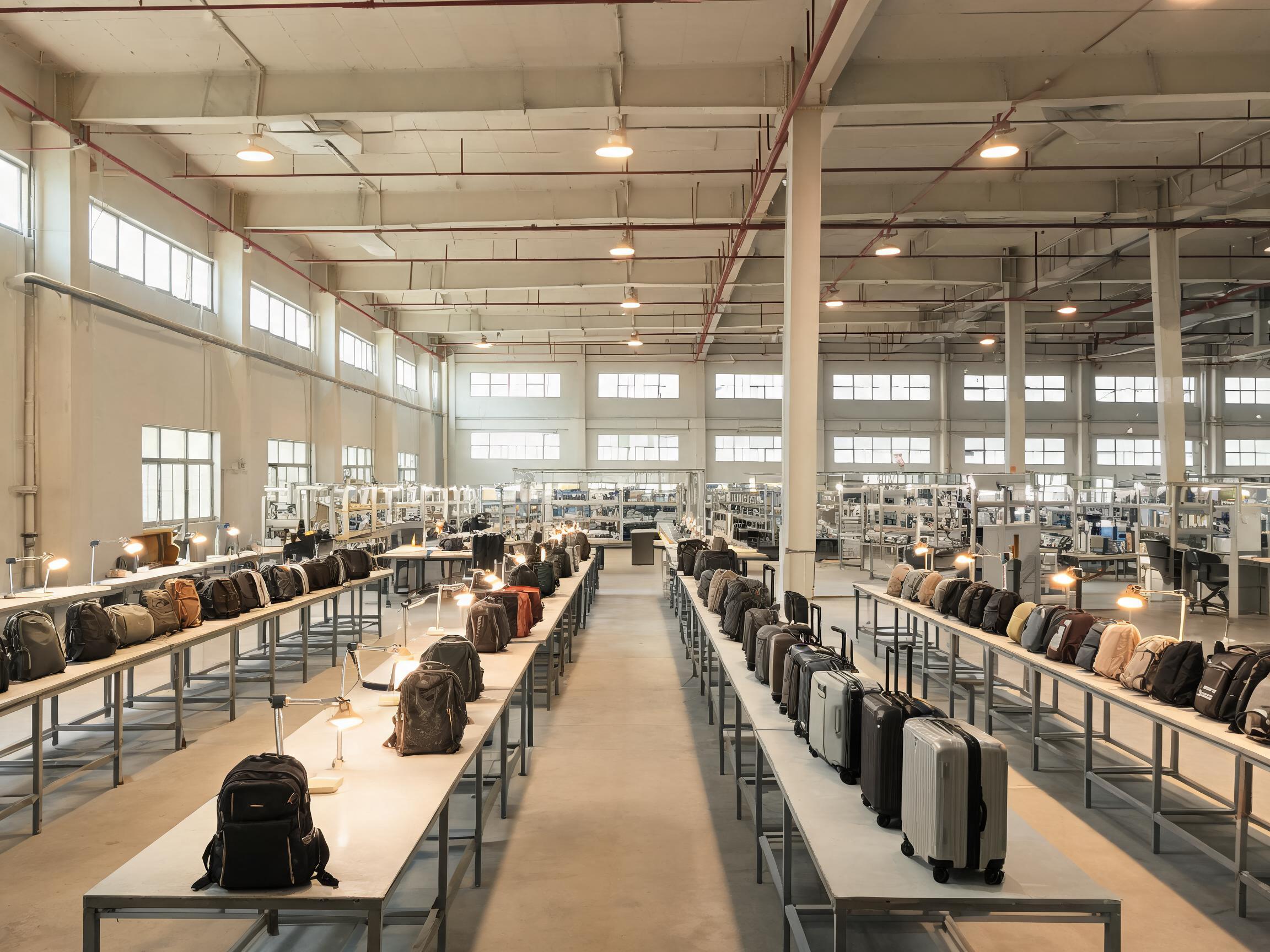
Most programs do not order a single toiletry style. They order a range: compact amenity kits for short stays, mid-size zip pouches for standard guest rooms or premium cabins, and larger multi-pocket organizers for suites, long-haul retail lines or gift sets. The wholesale decision is how to weight that range.
A practical approach is to build the ratio from consumption data rather than guesswork. Hotels typically see the highest turnover on the smallest format, because amenity kits are consumed one per stay, while larger organizers sell or distribute more slowly. Airlines usually weight toward one or two kit sizes tied to cabin classes, with a separate retail pouch for onboard sales. Corporate-gift programs often invert the ratio: fewer small pouches, more mid-size branded pieces that carry perceived value.
Before requesting quotes, define the mix explicitly — for example, a percentage split across three size tiers — and ask each supplier to quote the full assortment as one program rather than style by style. Quoting as a set keeps fabric, hardware and logo applications consistent across sizes, which matters enormously at reorder time.
2. Fabric and Lining for Moisture-Heavy Bathroom Environments
Toiletry bags live next to wet contents: damp razors, leaky bottles, humid bathrooms. The outer fabric and lining choices therefore carry more weight than in ordinary bag categories.
Common constructions the market works with include coated nylon, PU-coated fabrics and TPU-coated materials. Water-resistant nylon is a proven baseline — the same construction appears in the catalog Outdoor Trekking Backpack 35L — and it cleans easily and holds shape. For buyers who need a higher barrier against wet contents, TPU-coated fabric with welded seams is the construction used on the Roll-Top Waterproof Backpack 30L; welded seams eliminate the needle holes that stitched seams leave behind, which is precisely the failure point in bathroom conditions. These are examples of constructions the factory already builds — for a toiletry program, specify the exact fabric weight, coating and seam treatment you require and confirm them at sampling.
Lining quality matters as much as the shell. A cheap lining will absorb moisture, stain and delaminate, while a well-selected coated lining wipes clean and protects the outer face from discoloration caused by cosmetics. Ask to see lining samples, not just shell swatches, and define seam-sealing expectations in the spec sheet before any bulk order.
3. Compartment Design: Main Zip, Flat Pouch or Multi-Pocket Organizer
Layout drives both user experience and restocking logistics.
Main zip compartment
A single large zip opening is the most flexible format and the cheapest to produce in volume. For hotels and airlines it also simplifies kitting: amenity contents can be inserted as a pre-packed set, and the bag remains easy to refill in-house.
Flat pouch
Flat pouches maximize packing efficiency — more units per carton, lower freight per piece — and suit slim contents such as dental kits, shaving sets or document-style gift inserts. They are the workhorse of high-volume amenity programs.
Multi-pocket organizer
Multi-pocket layouts with internal elastic loops and divided sections serve retail toiletry pouches and corporate gifts, where end users carry full-size bottles. The trade-off is more cutting, more sewing operations and a higher unit cost, so reserve them for the upper tier of your assortment ratio.
Whichever layouts you choose, confirm internal dimensions against the actual amenity items being packed — bottle heights and widths, not just bag dimensions — and request a fit test sample before mass production.
4. Bulk Logo and Branding: Define Before You Sample
Branding failures in toiletry programs almost always trace back to an underspecified brief. Before sampling, define at minimum:
- Logo position: front panel, zipper pull, lining print or woven label — and whether it repeats across sizes.
- Logo size: give measurements in millimeters relative to the panel, since a logo scaled for a large organizer will overwhelm a small kit.
- Artwork: supply vector files with color references; ask the supplier to confirm the decoration method and its durability against moisture and cleaning.
- Colorways per size tier: programs often run one color per cabin class or hotel tier.
Branded packaging and hang tags are available on request, so include them in the spec rather than as an afterthought — for gift programs, the packaging often carries as much brand weight as the bag itself.
5. Mixed-Container Loading and Replenishment Planning
Because toiletry bags are compact, they are ideal candidates for mixed-container programs. A hotel group ordering luggage for staff or retail, an airline inflight buyer combining kits with travel accessories, or a gift distributor adding soft bags alongside Softside Spinner Luggage 24" or tote styles like the Everyday Tote Handbag can consolidate categories into one shipment. Standard catalog terms are 500 pcs per style MOQ and a typical lead time of 30–35 days after sample approval and order confirmation, with final timing dependent on volume and schedule. Mixing categories in one order helps you reach MOQ efficiently while spreading freight cost across the program.
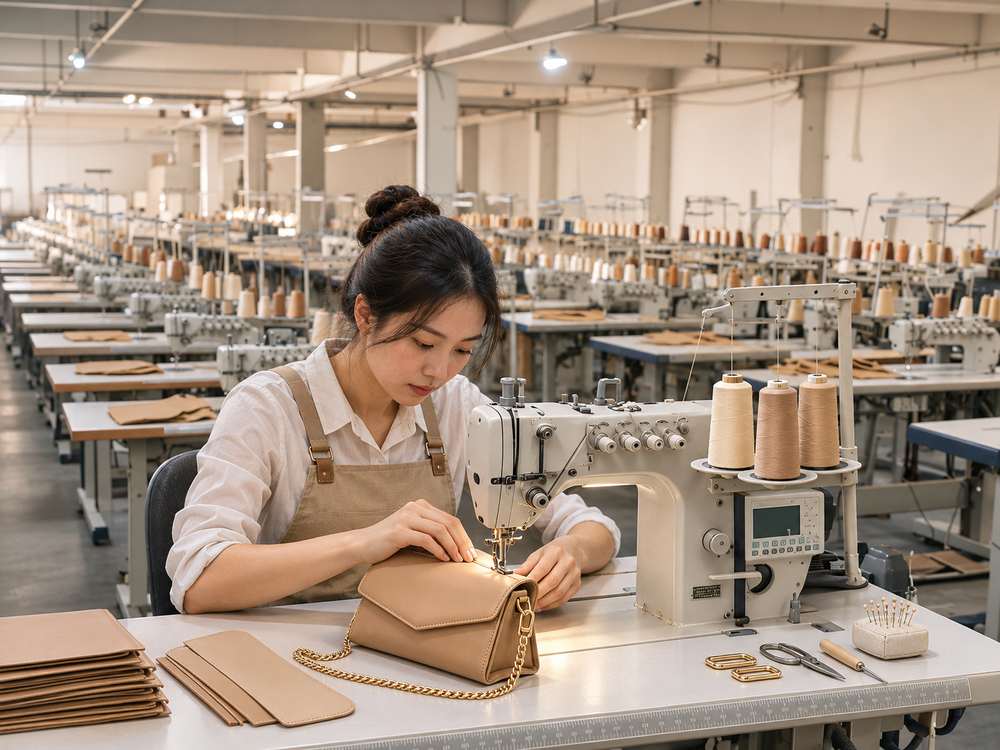
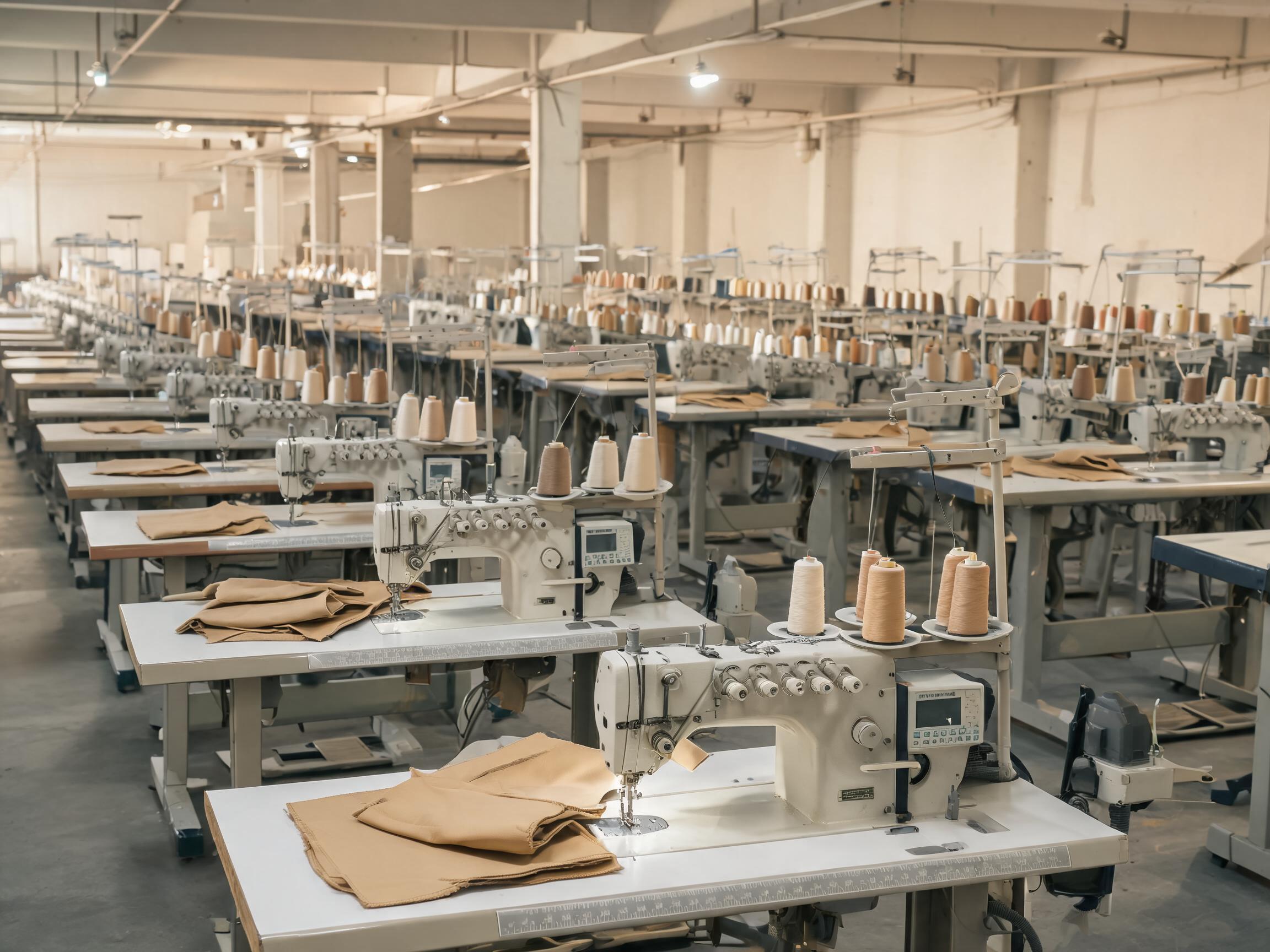
Replenishment planning should follow demand seasonality. Hotel programs peak around high-occupancy seasons and holiday periods; airline retail peaks ahead of summer and Lunar New Year travel. Work backward from those peaks: allow time for sampling and approval, then the production window, then freight — and place repeat orders before, not during, the peak. A factory with cutting, sewing, assembly and inspection under one roof, producing roughly 150,000 pieces per month, can sequence repeat orders more predictably than operations dependent on subcontractors. Third-party inspection is supported, and preferred Incoterms are confirmed per destination.
Frequently Asked Questions
Can toiletry bags be produced alongside existing catalog styles in one order?
Yes — small sewn goods and soft bags run through the same cutting, sewing and inspection system as catalog products. Toiletry programs are quoted at category level with specs confirmed at sampling, and mixed-container loading lets you combine them with styles such as the Nylon Shoulder Crossbody Bag to meet per-style MOQs.
What should a wet-environment spec sheet include beyond fabric choice?
Specify lining material, seam construction (stitched versus welded or taped), zipper type and whether zipper pulls resist corrosion from humidity. Also define cleaning requirements — wipe-down versus machine washable — since this changes fabric and hardware selection.
How do buyers protect consistency across repeat orders?
Approve and retain a sealed reference sample per style and colorway, and require production against that reference. For programs with multiple sizes, request cross-size QC checks so hardware and logo scale stay aligned across the assortment.
What documentation helps when quoting a multi-size program?
Provide a Bill of Materials summary per size tier — fabric, lining, hardware, logo positions and packaging — plus estimated annual volumes. Suppliers can then quote tiered pricing and propose production scheduling around your seasonal peaks.
Request a Quotation
Planning a toiletry bag program for 2026? Send your quantities, target market, assortment ratio and customization requirements to Wellmax Luggage — an OEM/ODM bag manufacturer in Quanzhou, China, serving buyers in more than 40 countries since 2013 — and the team will respond with construction options, pricing and a sampling plan.