
Sourcing Guide
Toiletry bags look simple: a zip, a lining, a couple of compartments. But buyers sourcing them for beauty brands, hotel amenity programs, or private-label retail know that the details inside a small bag decide whether it survives a washbag, a hotel bathroom, or a customer’s return request. This guide walks through the decisions that matter when you evaluate a toiletry bag manufacturer, from lining and water resistance to sampling and low-volume production.
Key takeaways
- Lining choice and seam construction drive water resistance more than the outer fabric alone.
- Interior compartments and small hardware are where small bags fail or feel cheap; specify them precisely.
- Toiletry programs are often low-volume and multi-SKU, so sampling and production planning need to match that reality.
- Quality control should focus on zipper alignment, seam finishing, and lining fit—issues that are easy to miss on large bags.
Why small bags demand a different sourcing approach
A toiletry bag is a small, structured item. It gets opened and closed many times, packed tight, and often exposed to moisture. The tolerances are tighter than on a duffel or backpack: a few millimeters of misalignment on a zipper shows immediately, and a lining that puckers at the corners makes the whole bag feel poorly made. Buyers sourcing this category need a manufacturer who understands that small-bag construction is a separate skill, not just a scaled-down version of larger luggage.
Wellmax Luggage, an OEM/ODM bag manufacturer founded in 2013 in Quanzhou, Fujian, China, produces around 150,000 pieces per month across its 12,000 m² facility, where cutting, sewing, assembly, and inspection run under one roof. The company exports to more than 40 countries and holds ISO 9001:2015 certification for its quality management system covering design, manufacturing, and sales of luggage and travel bags. It is also audited under the BSCI social compliance framework. These credentials matter as a baseline, but the real work starts with the choices below.
Lining and water resistance: decisions to make with your supplier
The lining is the first thing a customer touches when they open a toiletry bag. It also determines how well the bag handles spills and damp contents. There is no single correct lining; the right choice depends on your price point, target use, and how the bag will be cleaned.
Common lining options include polyester, nylon, and coated fabrics. Each brings trade-offs:
- Polyester lining: Cost-effective, durable, and available in many colors. It resists moisture to a degree but is not inherently waterproof.
- Nylon lining: Lighter and smoother, often with a better hand feel. It can be treated or coated for improved water resistance.
- Coated or laminated lining: Offers the highest water resistance but adds stiffness and cost. It may also affect how the bag folds or packs.
Water resistance is not just about the lining material. Seam construction, the use of seam tape or sealed seams, and the type of zipper all contribute. A coated lining with unsealed seams will still let water through. Discuss with your manufacturer how the lining is joined to the shell and whether critical seams can be taped or otherwise protected. For hotel and airline amenity programs, where bags may be exposed to wet toothbrushes or spilled liquids, this is a specification worth writing down.
Also consider cleanability. A light-colored lining shows stains; a dark lining hides them but can look less fresh. If the bag is machine-washable, the lining and any interlining must withstand repeated washing without delamination or color bleed.
Interior structure and compartment options
Toiletry bags are defined by their interior organization. Buyers typically choose from a few common configurations:
- Single compartment with elastic loops: Simple and flexible; loops hold bottles upright.
- Zip pockets: Keep small items separate; add cost and complexity.
- Mesh pockets: Allow visibility and drainage; mesh quality varies widely.
- Removable pouches or dividers: Offer modularity but require additional components and assembly steps.
Each compartment adds pattern pieces, sewing operations, and potential failure points. More compartments can mean more value to the end user, but they also increase the chance of misalignment and bulk. For a small bag, the interior structure must be designed so that the bag still closes easily when full. This is where sampling becomes critical: a CAD drawing cannot tell you whether a full tube of toothpaste will fit in the main compartment alongside a brush and a razor.
Work with your manufacturer to define compartment dimensions based on the items you expect the end user to carry. If your program targets hotel guests, the bag may need to hold standard amenity sizes; for retail, it may need to accommodate full-size products. Provide samples of the items or exact dimensions, and ask the manufacturer to confirm fit during sampling.
Zippers, webbing, and small hardware
On a small bag, hardware is proportionally more visible. A zipper that snags, a pull that feels flimsy, or webbing that frays will undermine the product’s perceived quality. Specify these components with the same care as the fabric.
Zippers
Toiletry bags are often overstuffed, so zipper strength and smooth operation matter. Consider the zipper type (coil, molded plastic, or metal), slider quality, and whether a two-way zipper would improve access. For water resistance, a water-repellent zipper or a zipper with a storm flap may be appropriate. Test zipper operation on the sample under load—fill the bag and open and close it repeatedly.
Webbing and straps
Webbing is used for handles, loops, and sometimes as a binding. Its width, thickness, and weave affect durability and hand feel. Check that webbing ends are securely finished—heat-cut, folded, or bartacked—so they do not fray with use.
Small hardware
D-rings, hooks, snaps, and cord locks should be sized appropriately for the bag. A hook that is too large can look out of proportion; one that is too small may not hold a filled bag. Confirm hardware finish (polished, matte, antique) and ensure it matches the overall design. Also consider whether metal hardware could corrode in a humid bathroom environment; if so, opt for plastic or coated metal.
Low-volume, multi-SKU production: planning for reality
Many toiletry bag programs are not single-SKU, high-volume runs. A hotel chain may want three sizes in two colors; a beauty brand may launch a seasonal collection with several prints. This creates a production profile that is different from a mass-market luggage line: smaller batches per SKU, more frequent changeovers, and a higher proportion of sampling and setup time.
When evaluating a manufacturer, ask how they handle multi-SKU orders. Key questions include:
- How are patterns and cutting layouts managed when the same style is made in multiple fabrics or colors?
- Can sewing lines be switched between SKUs without compromising consistency?
- What is the sampling process for each SKU, and how are samples approved?
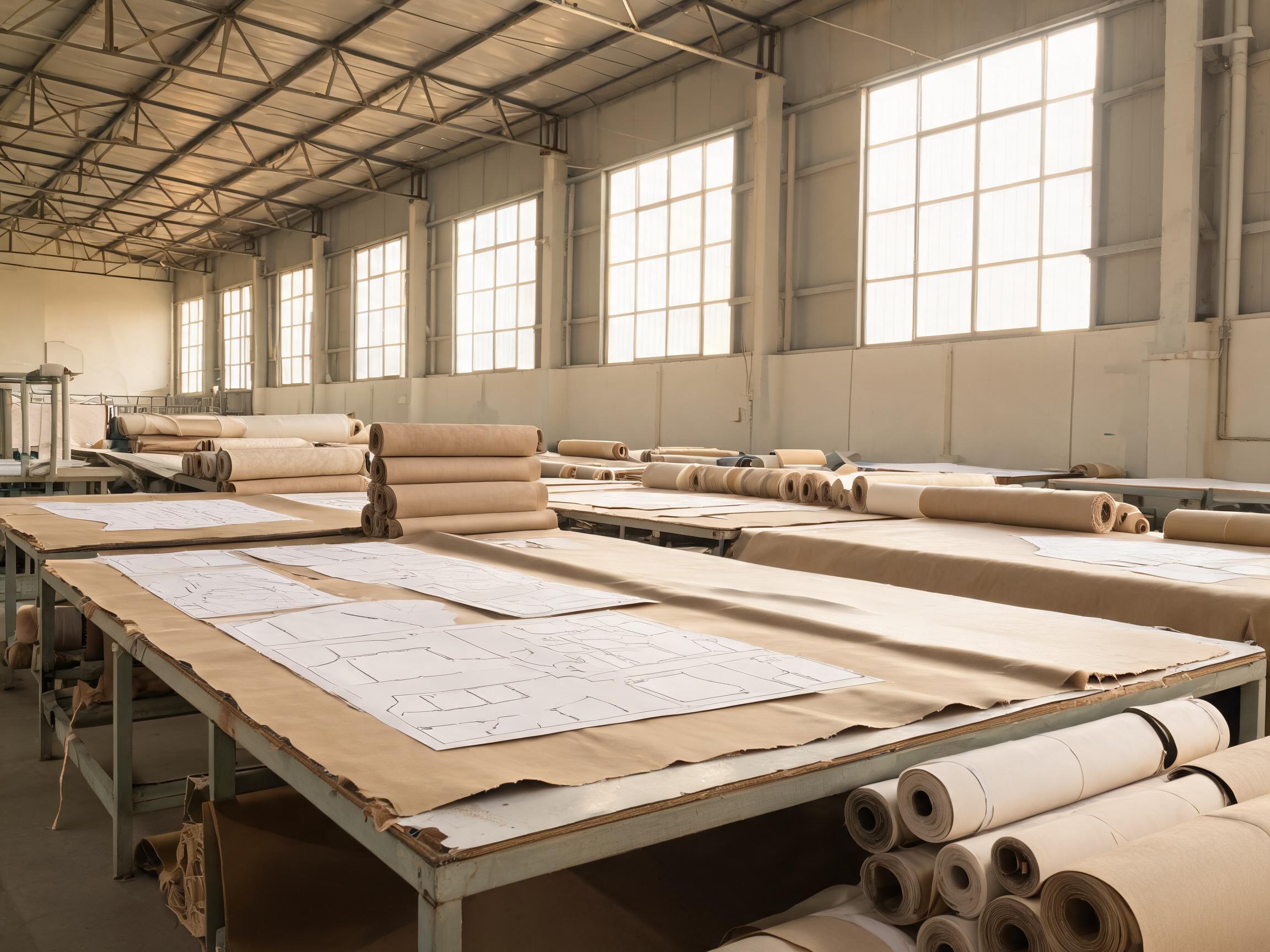
Wellmax’s in-house design and development studio develops styles, selects materials, and prepares samples. Precision fabric cutting with pattern layouts helps maintain consistency across SKUs, and dedicated sewing lines allow for focused production. For low-volume programs, the ability to keep sampling and production under one roof can reduce miscommunication and speed up approvals.
Be clear about your forecast per SKU and color. Even if volumes are low, providing a realistic forecast helps the manufacturer plan material purchases and production slots. Also discuss how you will handle sample approvals: will you approve one sample per SKU, or a set? Who signs off? A documented approval process prevents surprises later.
Quality control points for small bags
Finished-product inspection before packing and shipment is standard, but for toiletry bags, some checks deserve extra attention:
- Zipper alignment: The zipper should run straight and close smoothly without catching. Check both sides of the tape are sewn at equal distance from the edge.
- Seam finishing: Inside seams should be cleanly finished—bound, overlocked, or French-seamed—so they do not fray or irritate. Look for loose threads and skipped stitches.
- Lining fit: The lining should lie flat without wrinkles or excess fabric. It should be securely attached at all points and not pull when the bag is opened.
- Compartment alignment: Zip pockets and mesh pockets should be centered and correctly sized. Check that they do not interfere with the main zipper.
- Hardware attachment: Pulls, D-rings, and hooks should be firmly attached and able to withstand a reasonable pull force.
Ask your manufacturer for their inspection criteria and whether they perform any in-line checks during sewing. AQL sampling is common, but for small bags, a visual check of every piece for zipper function and lining fit may be warranted, especially on higher-value programs.
What to confirm before placing a first order
Before you commit, make sure you have clear answers on the following:
- Sampling timeline and cost: What is the process for developing samples, and are sample costs credited against the order?
- Material specifications: Have you approved the exact lining, shell fabric, zipper, and hardware? Get physical samples or swatches.
- Construction details: Are seams sealed or taped where needed? Is the lining attached in a way that prevents pulling?
- Quality standards: What inspection level will be used, and who performs the final inspection? Can you review the inspection report before shipment?
- Production planning: How will your multi-SKU order be scheduled, and what are the expected lead times per SKU?
- Compliance: Does the manufacturer hold the necessary certifications for your market? Wellmax’s ISO 9001:2015 and BSCI audit are a starting point, but confirm they cover your specific product and destination.
A first order sets the tone for the relationship. Investing time in sampling and specification now will save you from costly rework later. Choose a manufacturer who is willing to engage in these details and who can demonstrate experience with small, structured bags—not just large luggage.
Frequently asked questions
- What is the most important factor for water resistance in a toiletry bag?
- Seam construction and zipper type often matter as much as the lining material. A coated lining with sealed seams and a water-repellent zipper will outperform a coated lining with standard seams.
- How many compartments should a toiletry bag have?
- It depends on the end user’s needs. More compartments add organization but also cost and complexity. For hotel amenities, a simple main compartment with a few elastic loops may suffice; for retail, multiple pockets can be a selling point.
- Can I order low volumes across multiple SKUs?
- Yes, but discuss your forecast and sampling plan with the manufacturer. Multi-SKU production requires careful planning, and some manufacturers are better set up for it than others.