Lunch bags and cooler totes sit between promotional giveaway and full retail category: recurring demand, low unit complexity, and wide room for differentiation. But the category has its own technical logic—insulation construction, food-contact linings, and hygiene—where a weak factory produces bags that look fine in photos and disappoint in hand. This guide covers how insulated lunch bags are built, what to document before mass production, and how to plan a wholesale program that survives seasonality and mixed-SKU complexity.
How Insulated Lunch Bags Are Typically Built
An insulated lunch bag is a three-layer construction problem, and buyer-facing decisions happen at each layer.
Outer fabric. Polyester and nylon dominate because they sew well, accept prints and embroidery, and resist abrasion. Canvas appears in premium lifestyle designs; PU leather in office-oriented totes that read as accessories. A factory already working with nylon, canvas, polyester, and PU across handbag and business bag lines can transfer that handling experience directly to lunch bag uppers.
Insulation layer. This is where suppliers differ most. Reflective foil laminates—aluminum foil bonded to thin foam or bubble material—are the common entry-level solution: they reflect radiant heat and add structure at low cost, but can crease or delaminate if sewn carelessly. Closed-cell foam such as EPE offers better thickness retention and does not absorb water, making it safer if bags will encounter condensation or spills. Open-fiber fills insulate well but hold moisture and are harder to clean, suiting dry-use premium designs more than everyday school or work bags.
Lining. The lining is what the user actually wipes and washes. Common options include food-grade PEVA and EVA films, coated nylon, and polyester with a food-safe coating. Fewer seams piercing the food-contact surface mean easier cleaning and simpler compliance documentation.
Specify insulation type, foam thickness, and lining material explicitly in your tech pack rather than accepting the factory's default—then confirm by cutting open counter samples, not by trusting photos. Insulation performance is a testable claim you should validate through your own sampling and, where needed, third-party testing, rather than accepting as a catalog figure.
Food-Safe Lining Due Diligence
Because the lining touches food, food-contact compliance is a documentation exercise to run before mass production. Standards vary by market, so ask each supplier for the documentation your destination market requires. In the United States, buyers typically ask whether lining materials comply with applicable US FDA food-contact requirements for the relevant polymer. In the European Union, Framework Regulation (EC) No 1935/2004 sets the baseline principle that materials must not transfer substances to food in quantities that endanger health, often paired with national rules; in Germany, LFGB testing is a frequent additional request. Treat these as pre-production checklist items, verify them against supplier declarations and test reports, and confirm scope with your own compliance advisor. Ask each candidate factory to name the exact lining material and its source—a factory that cannot identify its lining chemistry cannot help you when a retailer's compliance audit arrives.
Hygiene extends beyond the lining itself. During sampling, ask: How are interior seams finished, and can they be wiped clean? (Piped or bound seams trap crumbs and moisture.) Does the zipper run inside the food zone or outside it? Is there a leak-resistant base, or should the design assume dry contents only? And can the bag be spot-cleaned without the insulation delaminating?
Planning the Distributor Program
Category-level questions settled late become expensive. A disciplined plan works through four areas.
SKU ladder. Start with three size tiers: a single-meal personal bag, a mid-size tote for a day's meals, and a larger family or picnic format. Within each tier, differentiate on closure, strap style, and insulation level rather than multiplying fabrications; two to three colorways per tier keeps the retail story coherent. The discipline is deciding in advance which features justify a price step and which are cosmetic.
Seasonality. Demand clusters around back-to-school and a secondary window around holiday gifting, when insulated totes move into hampers and corporate gift programs. Work backward from your retail ship dates—sampling, tooling, mass production, inspection, and freight all need calendar room—so start factory conversations well before the visible buying season.
Carton packing and retail readiness. Settle before production: folding method, polybag requirements, hangtag versus printed branding, barcode placement, and whether cartons are mixed-SKU or single-SKU for easier distribution center receiving. Retail programs often require specific carton counts and labeling—cheap to specify early, disruptive to change at inspection.
Sampling and approval flow. Sample a mixed-SKU program as a development set: one hero sample per size tier with full material and construction detail, then counter samples for colorways after material approval. Each round should end with a written approval or a written change list; vague verbal approvals are how programs drift.
Vetting a Factory for Lunch Bag Manufacturing
Because lunch bags overlap heavily with soft-goods sewing, the strongest vetting signal is a factory's existing fabric handling, not a category label on a website. Evaluate sewing consistency (stitch density, bar-tack placement at strap anchors, edge finishing across sample batches); insulation lamination handling (how laminated materials are cut and seamed—inspect seam puckering and delamination on samples); finished-product inspection (dedicated stations catch lining defects, zipper faults, and hygiene issues before export); and sampling loop speed (probe how revisions are handled, then verify with the first round).
A QMS certified to ISO 9001:2015 and a BSCI social-compliance audit are reasonable baseline indicators that processes and labor conditions are managed, though neither certifies a specific product's food-contact compliance.
How Wellmax Luggage Maps Onto This Category
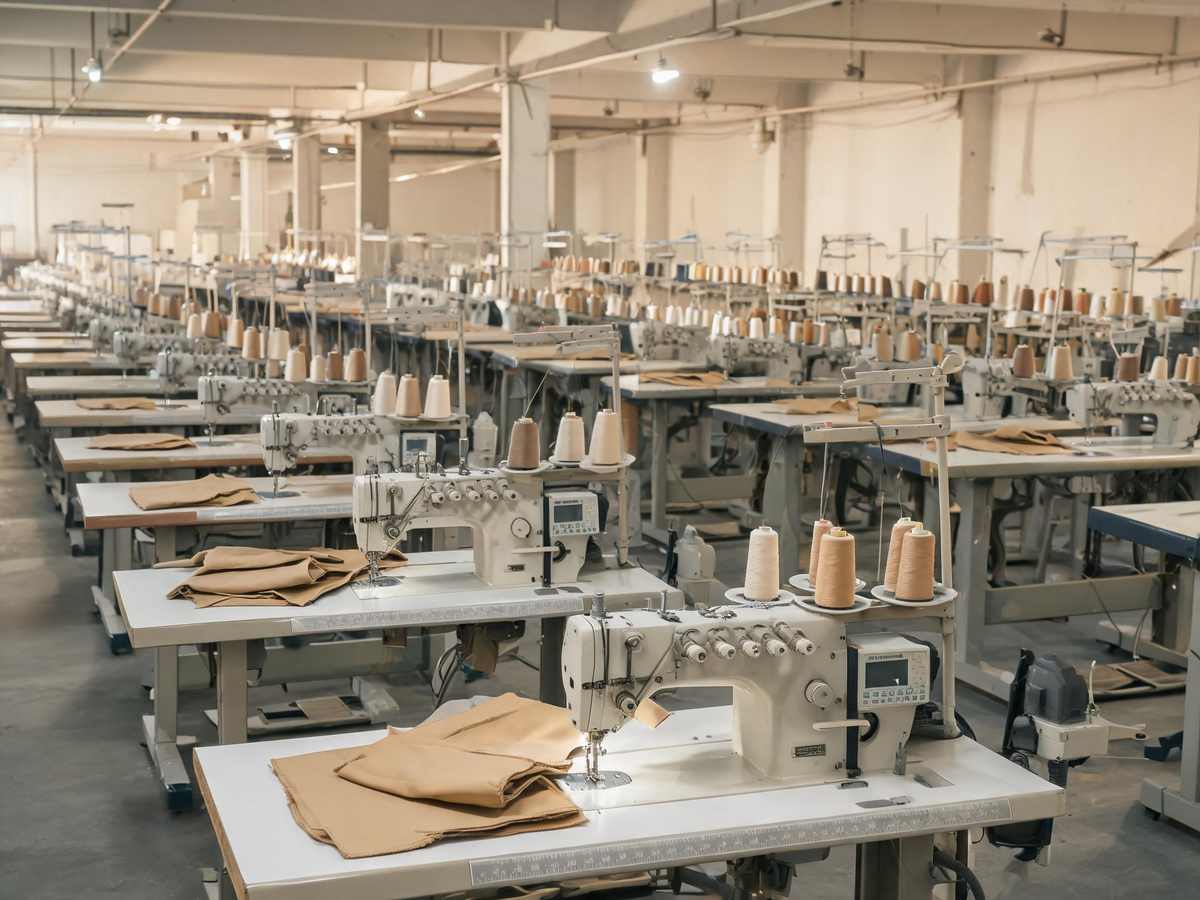
Wellmax Luggage is an OEM/ODM luggage and bag manufacturer founded in 2013 in Quanzhou, Fujian, with roughly 320 employees producing around 150,000 pieces per month in a 12,000 m2 facility where fabric cutting, dedicated sewing lines, and finished-product inspection stations sit under one roof. While insulated lunch bags are not a current catalog category, the capabilities this category demands are already demonstrated: the factory works daily with nylon, polyester, canvas, and PU leather across its backpack, handbag, and business bag programs; its technical backpack work includes water-resistant construction; and its in-house Design & Development Studio develops new styles, selects materials, and prepares samples for OEM and ODM programs. The full order cycle—from sampling and tooling through mass production, quality inspection, and export—is handled in-house, and the export sales team supports buyers in more than 40 countries and exhibits at international luggage fairs each year.
For a distributor planning a lunch bag wholesale program, that means the sewing discipline, material sourcing, and sampling infrastructure the category requires are in place, with category-specific construction details specified through the OEM/ODM process. If you are building a size-tiered lunch bag or cooler-tote program and want a factory conversation grounded in actual soft-goods capability, contact Wellmax's export team to discuss your requirements, target markets, and sampling plan.
FAQ
Which food-contact standard should I ask for?
Ask for the documentation your destination market requires: US buyers commonly reference applicable US FDA food-contact requirements, EU buyers start from Framework Regulation (EC) No 1935/2004, and German retail programs often add LFGB. Request material declarations or test reports from the supplier.
Should I choose foil laminate or closed-cell foam insulation?
Foil laminate keeps cost and weight down; closed-cell foam holds its thickness better and handles condensation more reliably. Decide based on price tier and intended use, specify it in your tech pack, and verify by cutting open counter samples.
Can I develop a private-label lunch bag program with Wellmax even though lunch bags are not in the catalog?
The company operates as an OEM/ODM manufacturer with an in-house design studio that develops new styles, selects materials, and prepares samples—category feasibility for a lunch bag program is exactly the discussion to raise directly with the export team.