Factory audit guide
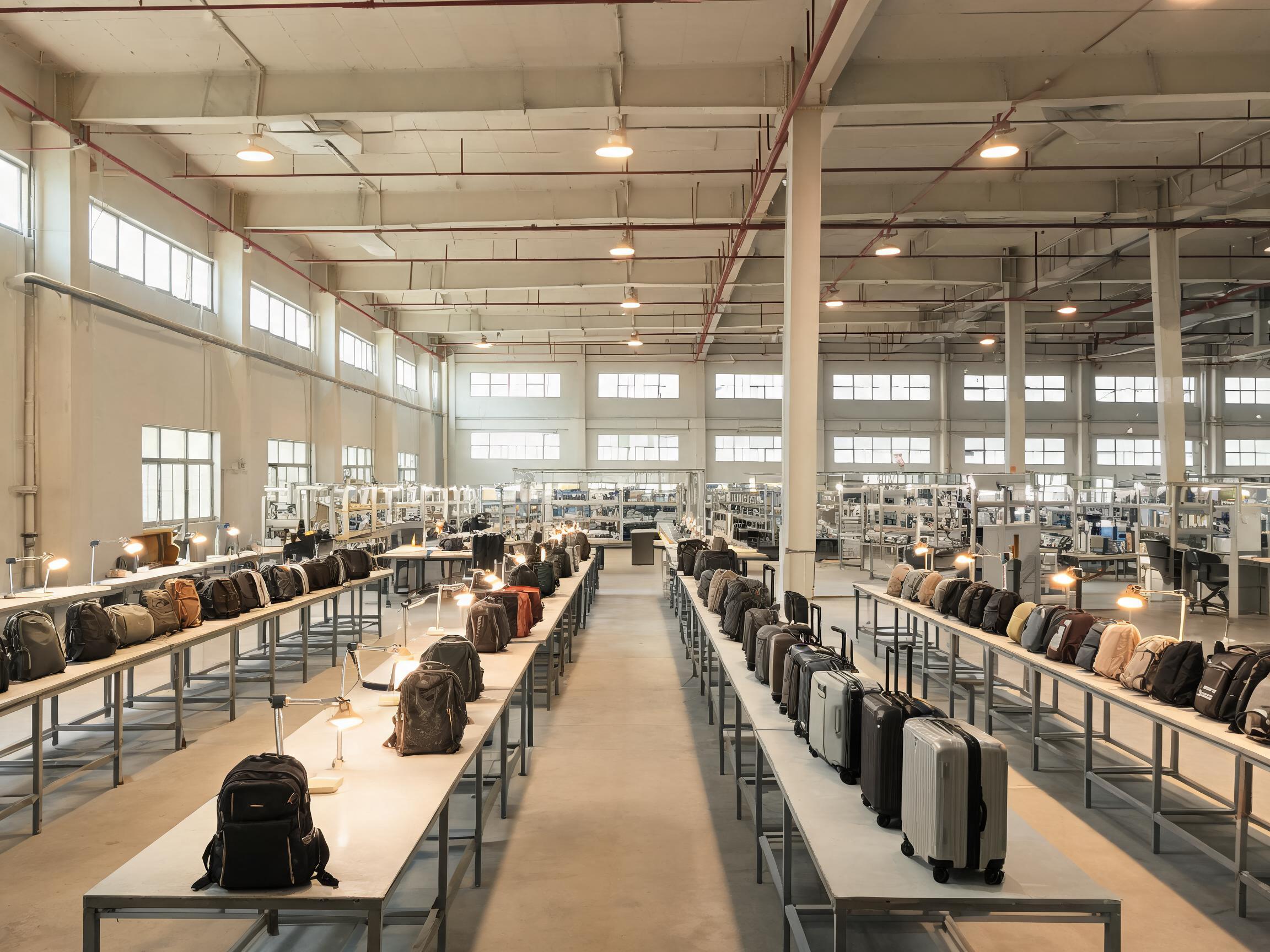
Most sourcing guides stop at "ask for samples and check certifications." For trolley cases, that is not enough. A spinner case is one of the most assembly-intensive products in the luggage category: a molded shell, a telescopic trolley system, four wheels, zippers, lining and hardware all have to work together, and most quality problems show up only after assembly, not at the material stage. This article walks through what actually happens inside a trolley case factory — tooling and shell molding, trolley and wheel assembly, function checks and finished inspection — and gives you a practical audit checklist to use before you commit to an order. The descriptions follow the documented production flow at Wellmax Luggage, an OEM/ODM luggage manufacturer in Quanzhou, Fujian, China, founded in 2013, operating a 12,000 m² facility with cutting, sewing, shell molding, frame assembly, assembly and inspection under one roof, and producing roughly 150,000 pieces per month with about 320 staff.
Tooling and Shell Molding: Where the Case Takes Shape
For hardshell trolley cases, the shell is the single largest cost and quality driver, so this is where an audit should start. Shell color, texture and finish are documented customization points, which means the factory either molds from existing tooling or cuts new tooling for a buyer's own design. Ask how the mold library is managed: which shells are available from stock tooling, what changes require new tooling, and who owns the tooling once it is paid for.
During molding, the variables that matter are shell thickness and weight against the specification you agreed, surface texture consistency, and color matching across production batches. Wellmax molds shells in-house — for example, the impact-resistant polycarbonate shell of the 28" PC Spinner and the lightweight ABS shell of the 20" cabin trolley are both molded at its own facility. In-house molding matters to buyers because shell production and assembly are not split across two suppliers, so when a shell dimension drifts, the assembly line downstream feels it immediately and the responsibility is not disputed between vendors.
On an audit walk-through, watch the molding area for how rejected shells are handled. A factory that separates and records shell rejects is easier to work with than one where imperfect shells quietly re-enter the line.
Trolley and Wheel Assembly: The Part Buyers Rarely See
Assembly is where trolley cases earn or lose their reputation. The telescopic handle has to lock reliably at its stop positions, wheels have to spin freely and stay attached under load, and the shell has to align with the frame or zip rails without gaps. Wellmax runs dedicated trolley assembly lines — separate from the bag sewing lines — with wheel, handle and zipper function checks built into the workflow rather than left to a single end-of-line inspector.
The categories differ in what assembly QC should catch:
- Zipper-closure spinners (such as the 28" PC Spinner, 20" ABS cabin trolley and 26" business trolley): handle extension and retraction, wheel rotation, zipper smoothness and slider function, and alignment between the two shell halves.
- Framed sets (the aluminum frame checked luggage set with integrated lock and reinforced metal corners): frame alignment, lock function and wheel checks are the documented gates. A misaligned aluminum frame is the most common cause of lock failures and lid gaps, so alignment checks happen before cases move to finished inspection.
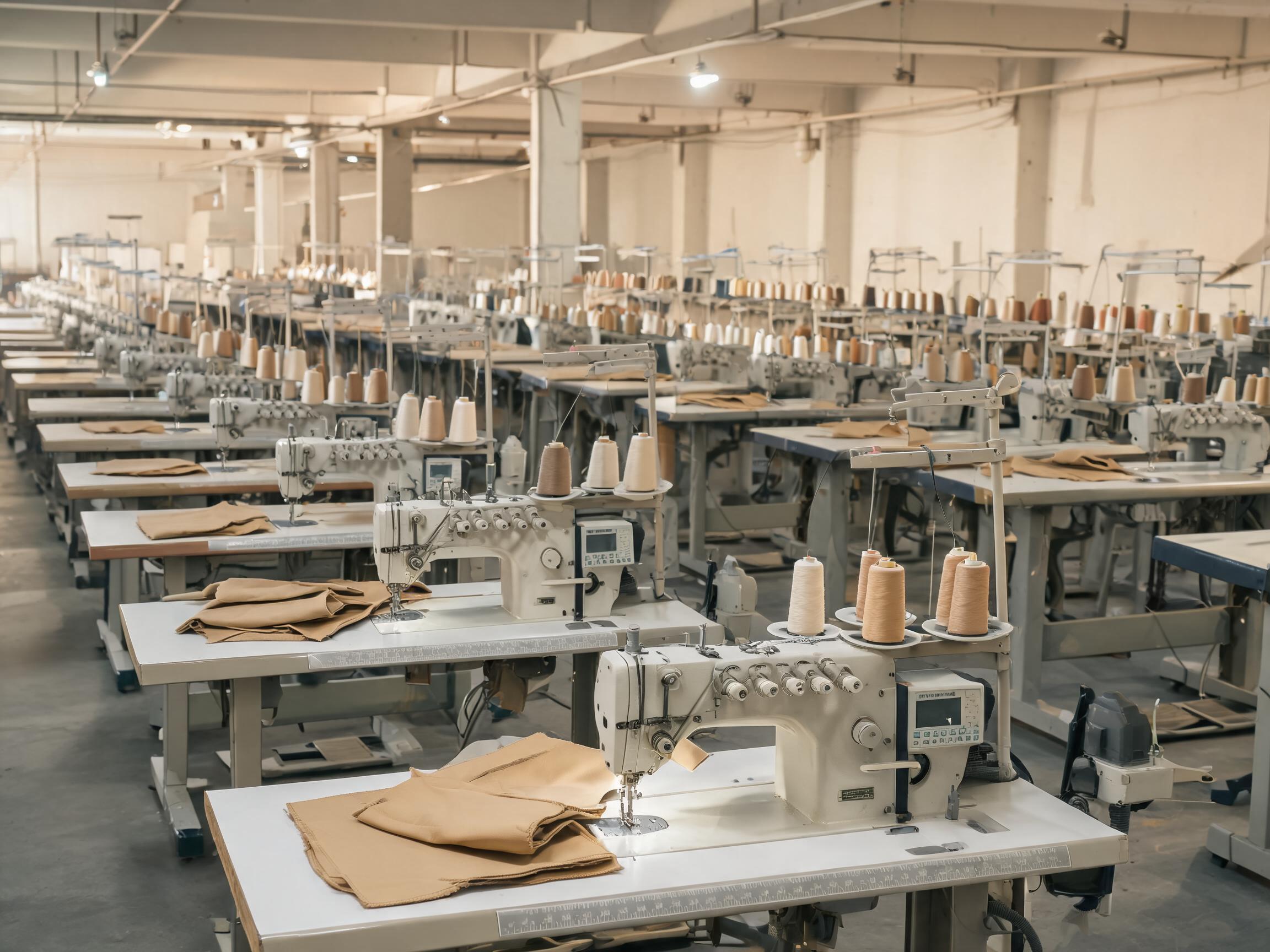
Softside styles such as the Softside Spinner 24" and the lightweight ABS cabin trolley depend on stitching as well as hardware. Wellmax's sewing lines feed into the same finished-product inspection stage, so on an audit you should see both the sewing floor and the assembly floor, not just the packing hall a supplier might prefer to show you.
Finished-Product Inspection and Export Packing
After assembly, cases move through finished-product inspection before packing. This is the last point where a buyer's specification is checked against the physical product: shell color and texture against the approved sample, hardware grade (trolley system, wheel type, zipper hardware), interior layout including lining color, divider layout and packing straps, and branding elements — molded logos, printed panels, metal logo plates on framed sets, hang tags and branded packaging.
Export packing deserves its own questions in an audit. Trolley cases ship nested and stacked, and shell scuffing in transit is a common complaint that inspection at the factory cannot fix after the fact. Ask what inner packaging, corner protection and carton stacking limits are standard, and confirm whether third-party inspection is allowed and at which stage — a documented pre-order confirmation point on Wellmax's side.
Wellmax's quality management system is certified to ISO 9001:2015 and its facility is audited under the BSCI framework — both company-level credentials. They tell you a system exists; they do not tell you how it runs on a specific line, which is exactly why an on-site walk-through still matters.
Factory Audit Checklist for Trolley Case Suppliers
Use these as questions to verify on site or by request — the answers should come from observation and documents, not from a sales deck.
| Audit area | What to verify |
|---|---|
| Shell molding and tooling | Is molding done in-house or subcontracted? Which shells run on existing tooling vs. new tooling? How are shell thickness/weight targets checked, and how are shell rejects recorded? |
| Trolley and wheel assembly | Is there a dedicated assembly line for trolley cases? Are wheel, handle and zipper function checks built into the line, or only done at final inspection? How is handle lock reliability tested? |
| Framed set QC | Are frame alignment, lock function and wheel checks documented as separate steps for framed products? |
| Finished inspection | What is checked against the approved sample (shell color/texture, hardware grade, interior layout, branding)? Is inspection before or after packing? |
| Export packing and logistics | What inner packaging protects shells in nested shipments? Are third-party inspections accepted, and which Incoterms does the factory quote on? |
| Systems and capacity | Quality management certification and social audit status (factory level), monthly output, staff count, and whether sampling, tooling, production and export are handled in-house. |
Ordering: Specifications to Lock Before Sampling Ends
Wellmax asks buyers to confirm four things before ordering: shell specification (color, texture, thickness/weight target), hardware level, interior layout, and whether third-party inspection will be used plus the Incoterms. Sampling is part of the OEM/ODM cycle, and production lead time is counted after sample approval and order confirmation — not from the first inquiry. Current trolley programs illustrate the range: MOQ 300 pcs with 30–35 day lead times for the 28" PC Spinner, 20" ABS cabin trolley and 26" business trolley; MOQ 200 sets with 35–40 day lead times for the aluminum frame checked luggage set. Other catalog styles include the Polycarbonate Cabin Luggage 22", Expandable Checked Luggage 26", Solid Color Spinner 24" and Softside Spinner 24", all open to the documented customization points from shell finish through branded packaging.
Frequently Asked Questions
Can I see the assembly line during a factory visit, or only the showroom?
A useful audit covers molding, assembly and finished inspection, not just samples in a meeting room. When arranging a visit, ask specifically to walk the trolley assembly line and watch the wheel, handle and zipper function checks in operation.
What happens if my design needs new shell tooling?
New tooling affects cost, timeline and ownership of the mold. Raise it during the sampling stage: confirm who pays for the tool, who owns it, and how the lead time changes compared with a program built on existing tooling.
Should third-party inspection replace the factory's own QC?
They work together. In-line function checks at the factory catch problems early; a third-party inspection before shipment verifies the finished batch against your specification. Confirm in advance whether an external inspector will have access and at which stage.
Request a Quotation
If you are evaluating a trolley case factory for an OEM or ODM program, the fastest way to assess fit is to send your shell specification, hardware level, interior layout and target Incoterms and ask for a sample and quotation against them. You can browse the current travel luggage range — from the 28" PC spinner to the aluminum frame checked set — or contact the export sales team to confirm MOQs, lead times and customization options for your market.