What a Leather Purse Program Actually Needs from a Manufacturer
Purses and other small leather goods sit in a different production category than travel luggage or full-size handbags. Units are small, stitch density is high, hardware is finer, and branding is usually applied directly on the piece rather than on a tag. For gift companies and boutique fashion brands, that means the questions worth asking a leather purse manufacturer are not mainly about factory size — they are about material sourcing, finishing detail, logo application and how small the first production run can be.
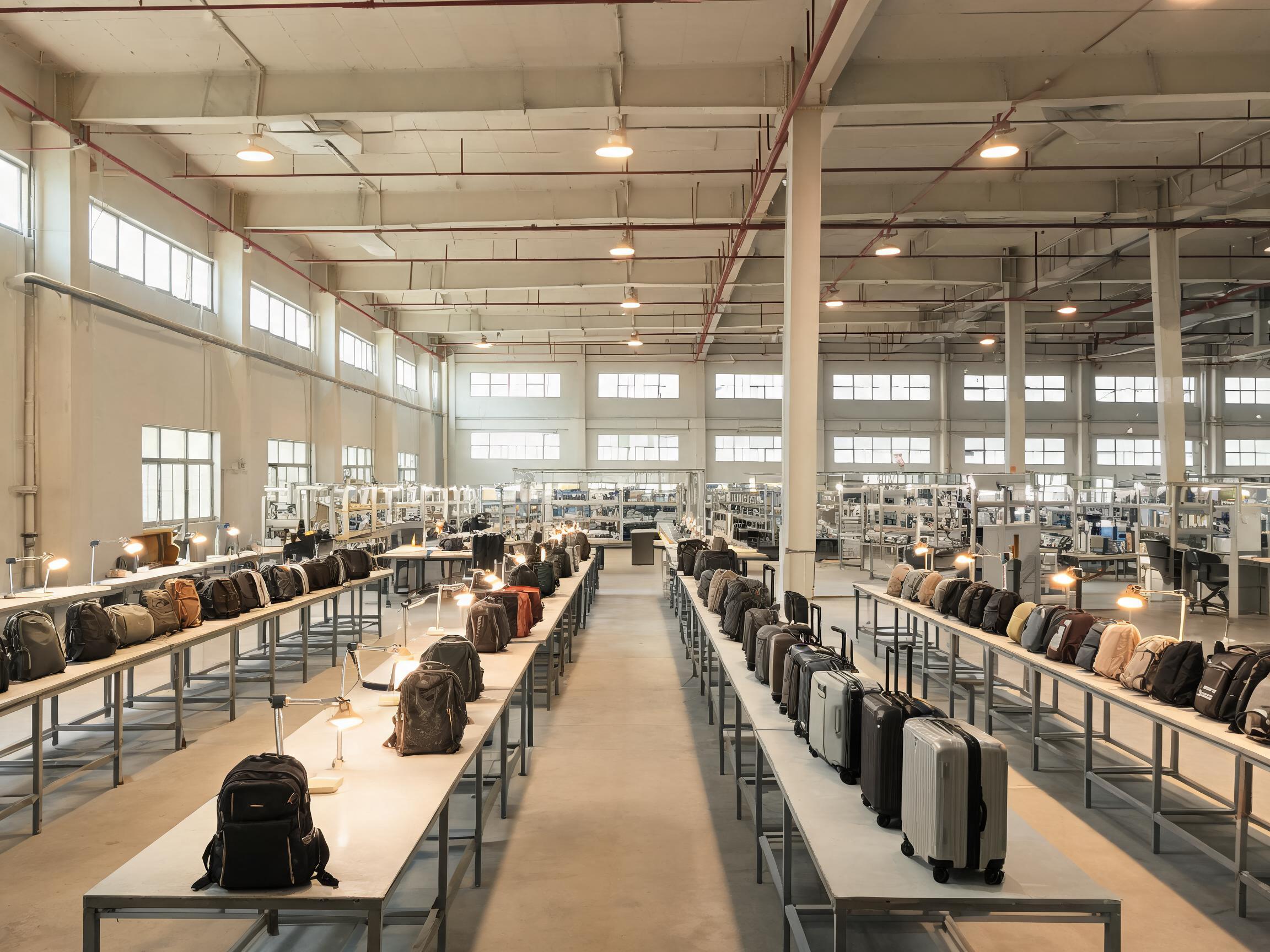
Here we look at the topic from an OEM perspective, using Wellmax Luggage in Quanzhou, Fujian, China, as a working example. Wellmax is an OEM/ODM luggage and bag manufacturer founded in 2013, with about 320 employees in a 12,000 m² factory producing roughly 150,000 units per month, and buyers in more than 40 countries. Its OEM/ODM service covers sampling, tooling and molds, mass production, quality control and export. The live catalog currently lists 36 products across four categories, including 8 handbag models — but no dedicated purse or wallet line. Small-goods programs at Wellmax are therefore discussed case by case: for any specific purse project, the applicable MOQ and lead time need to be confirmed directly with the factory.
Material and Lining Choices to Settle Before Sampling
Two decisions shape almost everything else in a purse program: the outer material and the lining.
Outer material. Full-grain and top-grain leathers carry natural grain variation, develop a patina over time and are typically positioned at higher price points; PU leather offers consistent color and surface, is easier to clean, and keeps unit costs lower. Both are legitimate choices — the right one depends on the price tier and use context of the program. A useful reference point here: the handbags currently listed in Wellmax's catalog, such as the PU Leather Tote Handbag, are PU leather pieces, so that is the material tier the existing production range reflects.
Lining and finishing. For small goods, lining quality is visible every time the purse is opened, and edge finishing — paint, burnishing or folding — determines how the piece reads after months of handling. These are concrete points to raise during sampling: lining material and color, edge treatment, thread type and stitch count per centimeter, and hardware finish. Writing these into the sample brief early avoids late-stage surprises in mass production.
Logo Techniques Commonly Requested for Gift and Fashion Programs
Because purses are small, the logo treatment carries a disproportionate share of the perceived quality. Most gift and fashion brands work with a small set of techniques, each with trade-offs in look, durability and tooling cost:
| Technique | Look | Considerations |
|---|---|---|
| Heat-stamped foil | Metallic or colored mark pressed into the surface | Strong brand presence; foil can wear on high-friction areas |
| Blind debossing | Impression without color — subtle and tone-on-tone | Very durable appearance; less visible on dark or heavily textured material |
| Metal logo plate | Attached plate, often with enamel or engraving | Premium feel; adds a component and an attachment step |
| Woven or wet-printed labels | Sewn-in label inside the piece | Low cost and standard for interior branding |
These techniques are framed here as options to discuss rather than a fixed service menu. The practical move is to request logo samples in each candidate technique on your actual material during the sampling stage, since the same foil or die can look very different on PU leather than on full-grain hide. Tooling — stamps, dies and plates — is part of the OEM/ODM scope Wellmax handles, so tooling cost and ownership should be clarified at quotation.
Small-Batch Planning: What the Existing Catalog Tier Signals
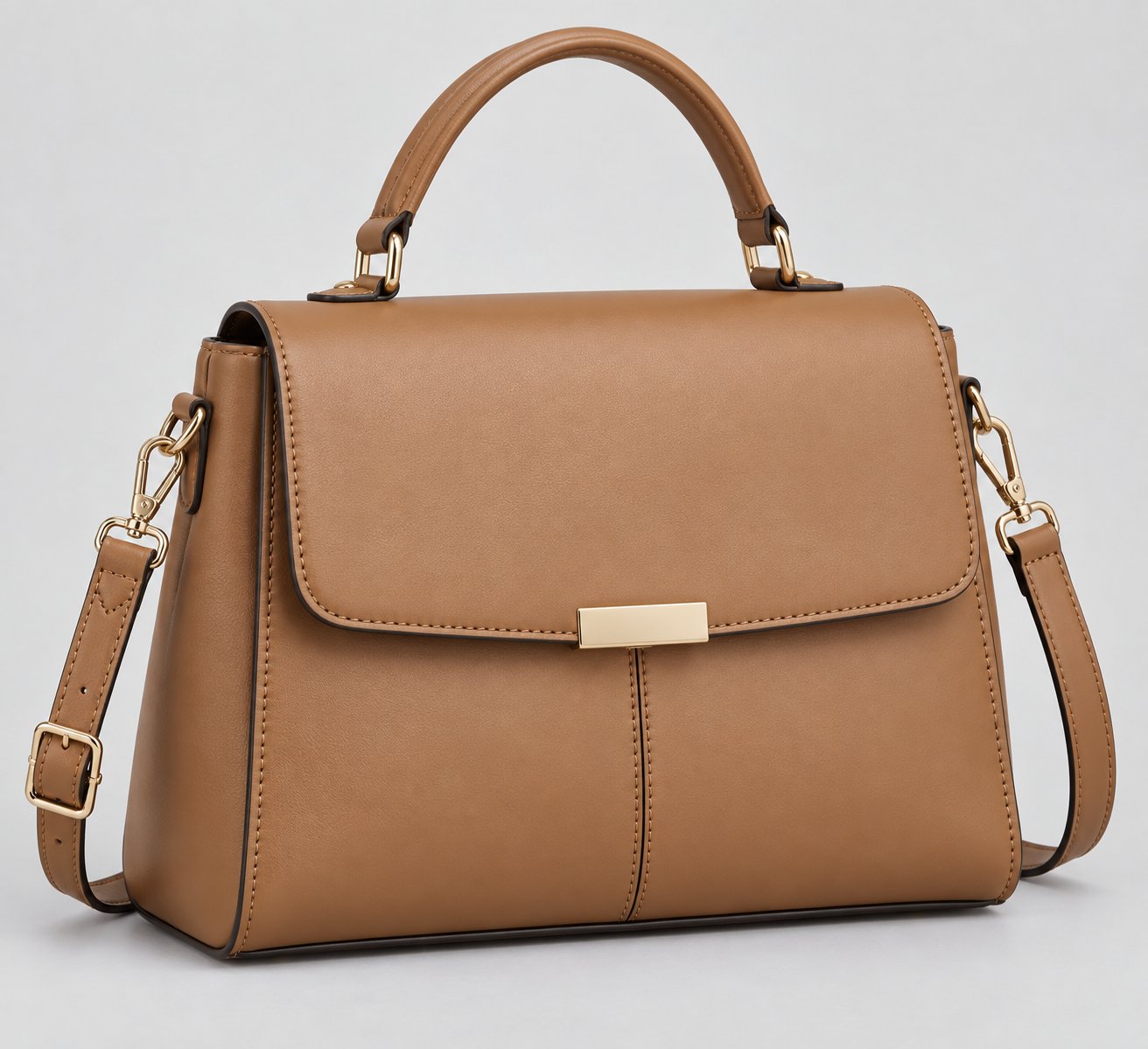
Small-goods programs for gift companies usually start modestly — a seasonal gift set, a boutique capsule, a corporate gift run. The most reliable planning anchor currently available in Wellmax's catalog is the handbag category, where the listed MOQ is 500 units with a lead time of 30–35 days per product page. The Structured Satchel Handbag, a camel colorway with gold-tone hardware, and the Crossbody Flap Handbag in taupe both carry that same listed tier.
Purses are smaller and simpler pieces than structured handbags in many respects, but tooling for logo dies and hardware can shift economics at low volumes, so a purse MOQ cannot simply be inferred from the handbag tier. Treat the 500-unit / 30–35 day figures as a reference frame for how Wellmax's product pages list terms, and confirm the specific MOQ and lead time for your purse specification with the factory during quotation.
Two cooperation models are worth distinguishing when you approach any manufacturer:
OEM. You supply the design, technical drawings or a reference sample; the factory engineers the pattern, sources materials, samples, and produces under your brand. This suits fashion brands with established design direction.
ODM. You start from the manufacturer's existing designs and adjust materials, colors, hardware and branding. This suits gift companies and boutiques that need a sellable product quickly without in-house design. Wellmax's OEM/ODM service spans both paths through sampling, tooling, mass production, quality control and export.
Quality Control and Compliance for Gift and Retail Channels
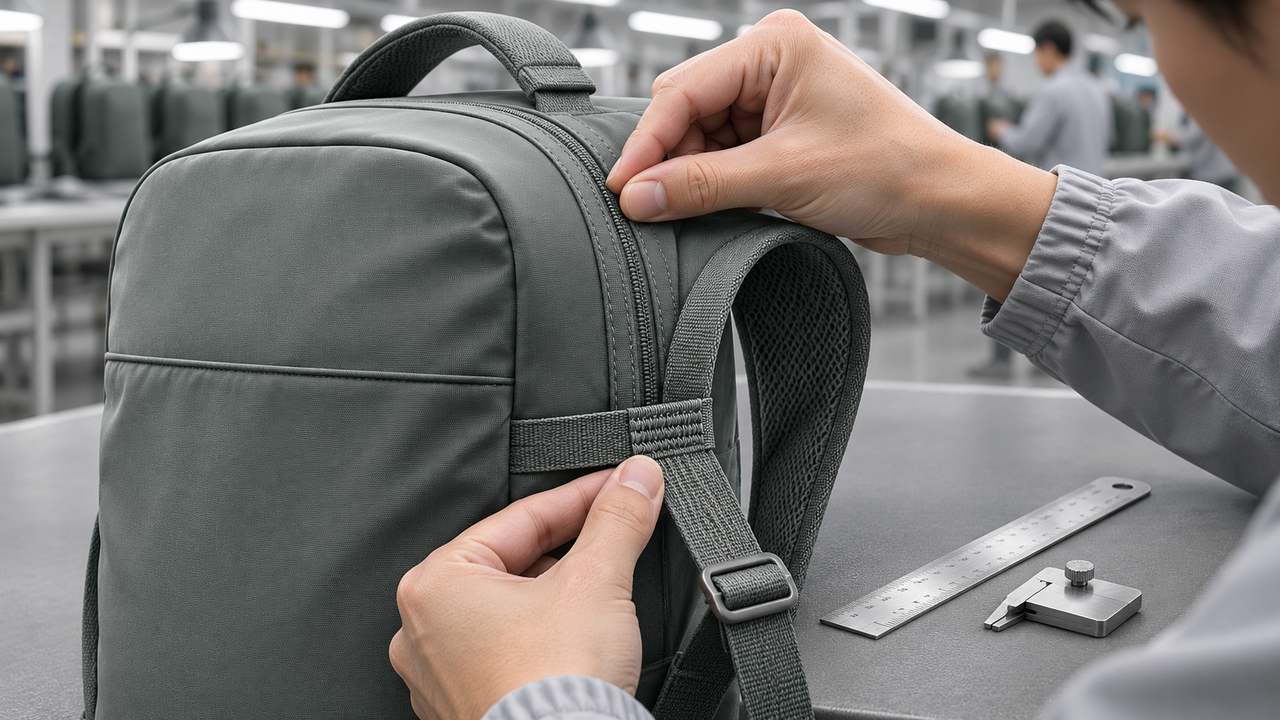
Gift and retail buyers often have compliance requirements attached to their orders. Wellmax is ISO 9001:2015 certified at the company/factory level, and BSCI audited at the same company/factory level — relevant context for social-compliance requirements in gift and retail programs. Product pages also state dedicated production lines with finished-goods inspection, which matters for small goods where a single defective stitch or scratched foil stamp is visible immediately. When you shortlist a manufacturer, ask how inspection is organized for your category specifically, and what AQL sampling level applies to your order.
Frequently Asked Questions
Does Wellmax currently sell purses in its catalog?
No. The live catalog lists 36 products in Travel Luggage, Business and Laptop Bags, Backpacks and Handbags — no dedicated purse or wallet line. Purse and small-leather-goods programs are handled as custom OEM/ODM projects, discussed case by case.
What MOQ should I plan for a purse order?
No purse MOQ is published. The listed handbag-category MOQ is 500 units with a 30–35 day lead time, which gives a planning reference, but purse projects need their own quotation based on material, tooling and branding requirements.
Can I get logo samples in different techniques before committing?
Logo technique selection — foil stamping, blind debossing, metal plates or labels — is a standard point to raise during the sampling stage of an OEM/ODM program. Request samples on your chosen material and clarify tooling costs at quotation.
Planning Your Purse Program
A workable brief for a leather purse manufacturer covers four things: the outer material and lining specification, the edge and hardware finishing standard, the logo technique with samples on real material, and a confirmed MOQ and lead time for the specific project. Grounding that brief in a factory's actual production range — like Wellmax's PU leather handbag tier at the listed 500 units / 30–35 days — keeps expectations realistic, while the case-by-case quotation covers the details that only sampling can settle.