Why Beach Bags Reward Early Planning
Beach bag wholesale programs live or die on timing. Demand concentrates before the northern-hemisphere summer and around resort seasons, so a buyer sourcing in April is already negotiating for late delivery. Beach bags have a hard commercial window: sell them too late and the stock waits a full year, tying up cash and shelf space.
Beach bags themselves are not technically exotic: soft goods in canvas, nylon and polyester that established bag factories handle daily. The real work is program planning: choosing materials deliberately, specifying water-resistant details that matter, and building a size and color mix that sells through before the season closes.
Planning Backward from the Selling Season
Structure a seasonal program by starting at the shelf date and working backward. If your beach bags need to be in stores or resort shops by early May, map the stages in reverse: inland transit and customs clearance, ocean freight, final quality inspection and packing, mass production, a sample approval cycle, and the initial concept phase. Exact durations vary, so no fixed numbers should be assumed; what matters is that every stage is scheduled explicitly with your supplier.
Concept and brief. Define target channels, price positioning, size range and material direction. This is where you decide whether the program leans canvas or nylon, because that decision affects fabric sourcing and sample timing.
Sampling rounds. Expect more than one round. A first sample establishes proportion, construction and hand-feel; a second confirms corrections; a pre-production sample in the actual bulk fabric and hardware is what you approve against.
Production. Once the pre-production sample is signed off, mass production runs against that approved standard. Confirm what the inspection process covers and whether you will receive inspection reports or arrange third-party inspection.
Shipment. Carton planning and container consolidation are covered under logistics below.
Milestones to lock with your supplier. Because exact durations depend on your SKU count, material availability and shipping route, schedule these checkpoints as dated line items rather than assuming defaults: the number of sampling rounds and the date bulk fabric and hardware must be confirmed; the pre-production sample approval date, which releases mass production; the production window and when finished-product inspection happens against it; the freight booking and container cut-off dates; and customs clearance plus inland transit ahead of your shelf date. Requesting each of these as a dated milestone when you ask for a quotation gives you a working calendar without forcing the factory into numbers it cannot yet commit to.
The buyers who hit their window brief their factory in the off-season. A program locked in the third quarter of the previous year has time for unhurried sampling and materials; a program briefed in the first quarter competes with everyone else's summer orders for production slots.
Canvas vs Nylon: The Core Material Decision
Almost every beach bag wholesale program faces the same fork: canvas or nylon. Neither is universally better; the right answer depends on the channel you are selling into.
Weight and hand-feel. Woven cotton canvas has body and structure, holds a shape on the shelf and reads as a premium, natural-fiber product. Nylon is far lighter with a smooth, slightly slippery hand. For a resort boutique where tactile impression sells the bag, canvas often wins; for promotional programs where shipping cost and packability matter, nylon's light weight is a genuine advantage.
Abrasion and sun exposure. Both materials are durable in normal beach use but age differently. Canvas abrades well but holds moisture, so prolonged damp storage can lead to mildew if the bag is packed wet. Nylon resists moisture inherently, though its coatings and prints usually show wear from sun and rubbing first. Neither is a dealbreaker, but they belong in your spec: UV-stable dyes and prints for nylon, mildew-conscious finishing and packing guidance for canvas.
Water behavior. This is where the two diverge most sharply. Cotton canvas is absorbent, though waxed or coated canvas changes that equation considerably. Nylon is naturally quick-drying, and with a polyurethane or similar coating on the reverse side it sheds water well enough for wet towels and sandy swimwear. If the bag's job is to carry wet things home, coated nylon is the straightforward specification; if it is to look beautiful on a resort rack and carry dry items, canvas is defensible and often preferred.
Print and branding. Canvas takes screen print and embroidery beautifully; the woven texture gives logos a crafted look. Nylon's smooth surface suits screen print and heat transfer, and large all-over prints or bold brand panels are common. If your program is heavily logo-driven, decide the decoration method first and let it influence the material choice, not the reverse.
Deciding by channel. A useful rule: resort retail and boutique programs lean canvas or coated canvas for perceived value; mass retail and promotional programs lean nylon for cost, weight and quick-dry function; many distributors split the range. Wellmax Luggage, an OEM/ODM manufacturer in Quanzhou, Fujian, already works in canvas and nylon within its current handbag and business-bag lines, so a beach bag program in either material falls within construction methods the factory uses every month, supported by an in-house design and development studio that develops styles, selects materials and prepares samples.
Water-Resistant Details That Separate Good Beach Bags
Because beach bags cannot be judged by spec sheet alone, request the details below as explicit line items in your sample brief, then verify them on the physical sample.
Liner choice. A separate internal liner, often polyester, protects the outer material and printed branding and makes the bag easier to clean. On coated nylon bags, ask whether the coating itself serves as the liner.
Zipper choice. Standard metal zippers corrode in salt air. Nylon coil zippers resist corrosion and run smoothly with sand exposure, and water-repellent zipper tapes exist for the main compartment. Confirm the zipper grade on the sample.
Base panels. The base takes the most punishment: wet sand, pool decks, car boots. A reinforced or coated base panel, or a harder-wearing bottom fabric, meaningfully extends usable life and is inexpensive relative to the perceived quality it adds.
Seams. Water resistance is only as good as its weakest seam; a coated fabric with plain stitched seams will leak through every needle hole. Ask whether seams on wet-compartment areas are taped or sealed. Sealing the entire bag is rarely necessary, but sealing a wet-items pocket is a targeted, sensible upgrade.
Mesh and sand management. External mesh pockets, drainage grommets and sand-shaking open-weave base inserts are the features end users actually notice. Mesh dries fast and sheds sand; grommets are trivially cheap.
Water-resistant construction is familiar territory for Wellmax, whose backpack work already includes it, and the same techniques transfer directly to beach bag wet compartments. Request any compliance documentation relevant to your market as part of due diligence rather than assuming coverage.
Building the Program: Mix, Color and Container Logistics
A single beach bag style rarely fills a program. Resort retail buyers typically want a ladder: one large open tote as the hero, one mid-size zip-top, and one compact packable style for guests arriving by air. Promotional and distributor programs often run wider and flatter, with more colorways and simpler construction. Define the ladder before sampling so the factory develops proportionally related styles.
Colorway strategy. Beach bag color trends move faster than the bags themselves. A disciplined approach pairs one or two stable core colors across seasons with seasonal accents in limited depth, keeping replenishment simple and markdown risk contained. Confirm how dye lots are managed across a season so reordered colorways match initial deliveries.
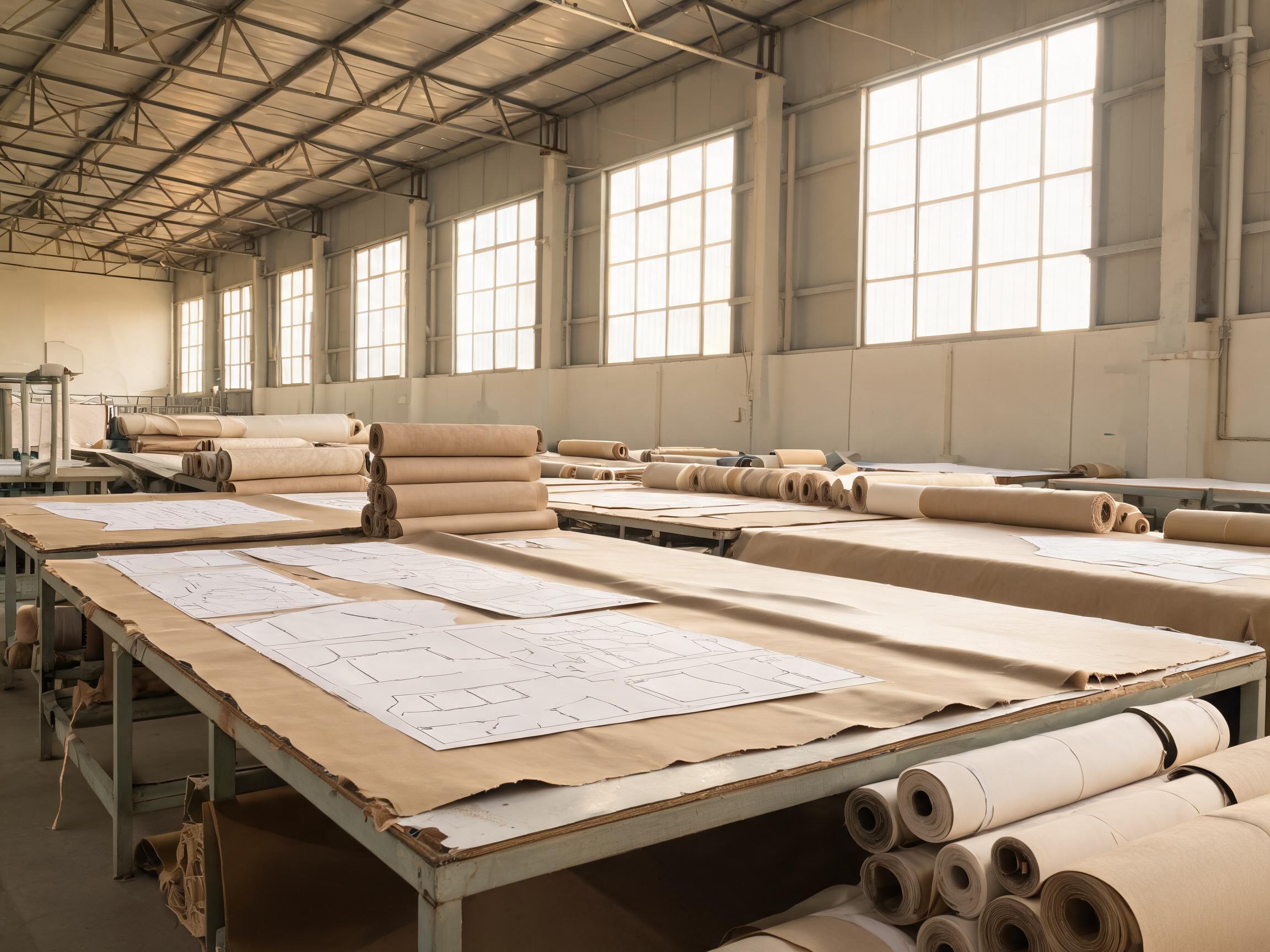
Carton packing and consolidation. Beach bags are voluminous but light. Ask how bags are folded and packed per carton, because aggressive folding on coated nylon is fine while structured canvas totes may need stuffing to hold shape. For distributors, the bigger opportunity is mixed-container consolidation: beach bags can ride alongside hard-side trolley cases, backpacks and business bags. A factory producing all of these categories under one roof, with roughly 150,000 pieces per month of combined output across luggage and bag lines, can plan a consolidated load no single-category supplier can offer. Wellmax's one-roof facility covers fabric cutting, dedicated sewing lines and finished-product inspection, so quality control happens before consolidation rather than after.
Frequently Asked Questions
Can a beach bag program run in both canvas and nylon simultaneously? Yes. Because both materials sit in the same sewing and cutting workflows, running one canvas hero style alongside nylon functional styles rarely creates production complexity.
What should a beach bag sample brief include that a normal tote brief does not? Wet-compartment construction, base panel specification, zipper grade, seam treatment on water-exposed areas, and packing method per carton. These are the points where assumptions cause disputes later.
Do beach bags need their own tooling? Soft goods generally use standard machinery with pattern-based cutting rather than hard tooling, which is one reason beach bag programs can move from approval to production relatively quickly compared with molded luggage.
Plan the Season with a Manufacturing Partner
A beach bag wholesale program rewards buyers who treat it as a planned category: a calendar built backward from the shelf date, a deliberate canvas-versus-nylon decision per channel, water-resistant details specified and verified on samples, and a mix designed for sell-through. Wellmax Luggage has been manufacturing bags for OEM and ODM programs since 2013, operates an ISO 9001:2015 certified quality system, is BSCI audited, and exports to buyers in more than 40 countries, exhibiting at international luggage fairs each year. If you are mapping a beach bag program for the coming season, the export sales team welcomes inquiries, quotations and program discussions, from first sample through to consolidated shipment.